

non-vegetariandairy-free
chettinad
Chicken Chettinad, Malabar Parotta and Onion Raita
65 min
913 cal
46gProtein
67gCarbs
51gFat
2Recipes
Loading...
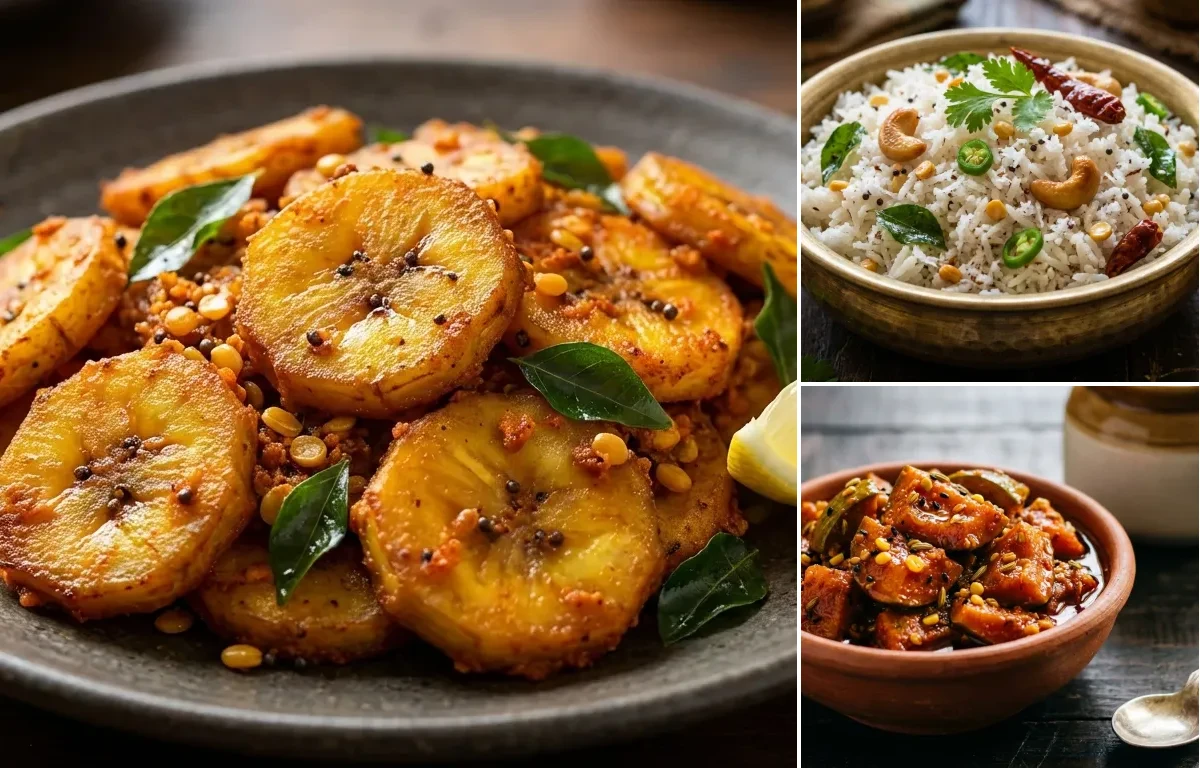
Crispy Vazhakkai Varuval with aromatic Thengai Sadam and tangy pickle. A soul-satisfying homestyle delight!
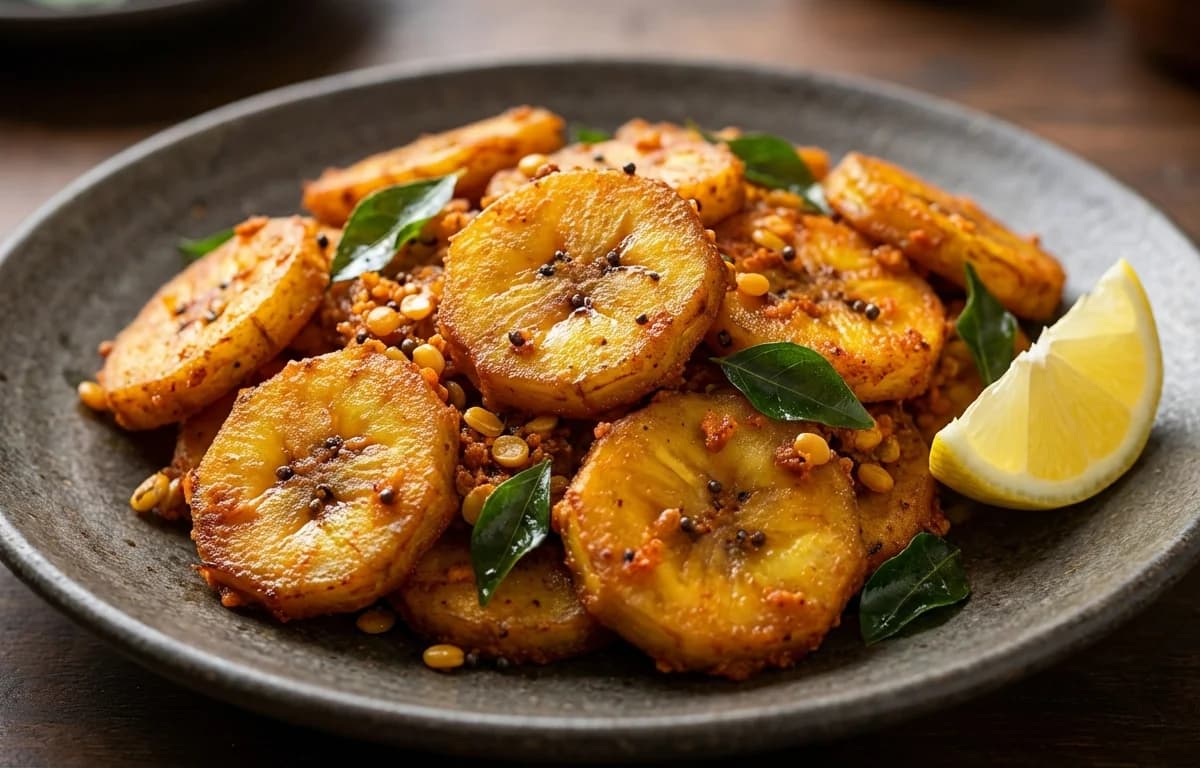
A classic South Indian side dish, Vazhakkai Varuval features crisp, pan-fried raw banana slices coated in a spicy and aromatic masala. The rice flour gives it an irresistible crunch, making it a perfect accompaniment for sambar, rasam, or curd rice.
Serving size: 1 serving
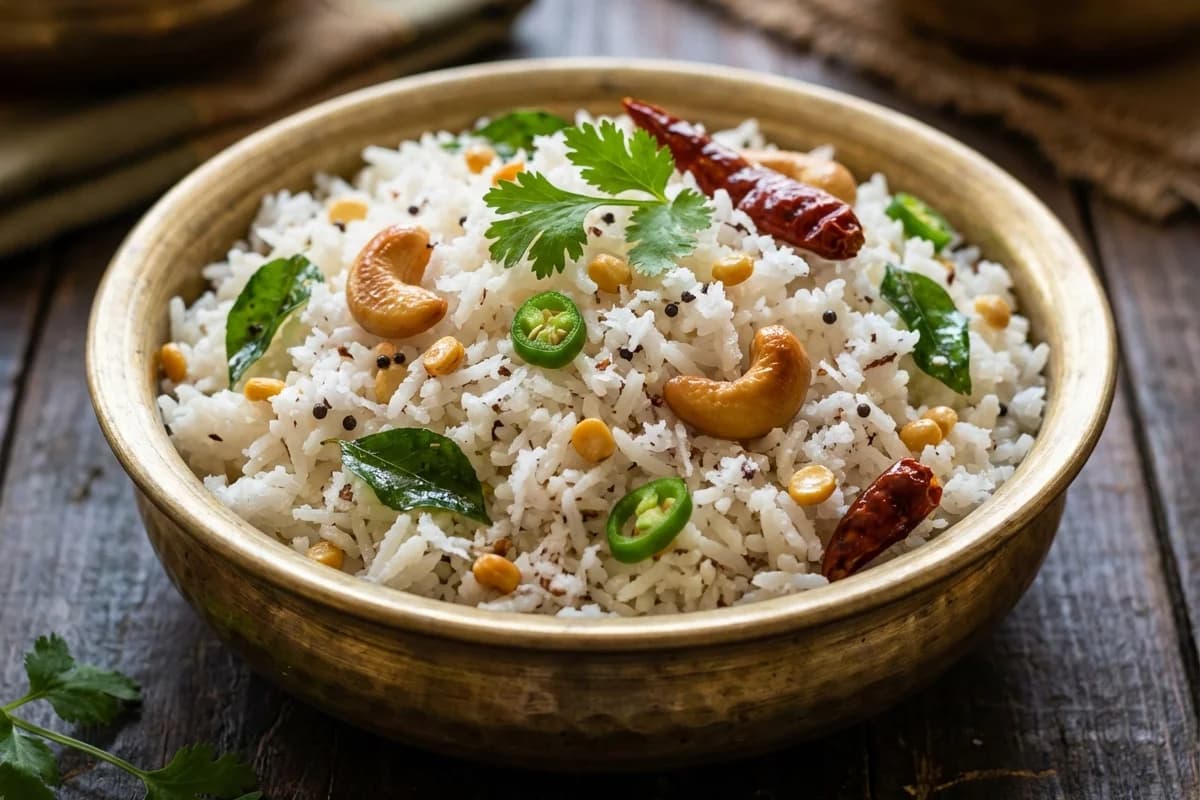
A fragrant and mildly spiced South Indian rice dish made with freshly grated coconut, crunchy lentils, and a classic tempering. A simple, comforting meal perfect for lunchboxes or a quick dinner.
Serving size: 1 serving
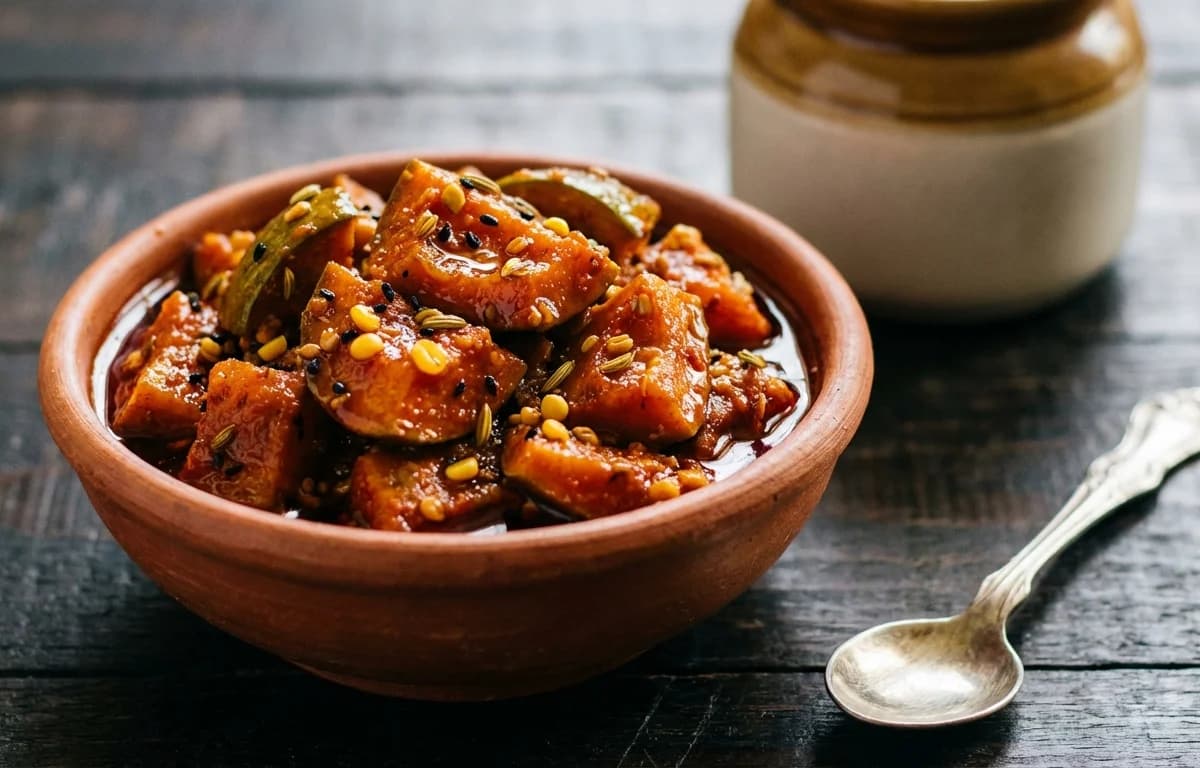
A classic North Indian condiment, 'Aam ka Achar' is made with raw, tangy mangoes, a robust blend of aromatic spices, and pungent mustard oil. This traditional sun-cured pickle is the perfect spicy and sour accompaniment to any meal, from dal-rice to stuffed parathas.
Crispy Vazhakkai Varuval with aromatic Thengai Sadam and tangy pickle. A soul-satisfying homestyle delight!
This chettinad dish is perfect for lunch. With 739.76 calories and 11.719999999999999g of protein per serving, it's a nutritious choice for your meal plan.
Discover authentic meals from cuisines around the world.
Find meals that fit your dietary preferences.
Find meals optimized for your goal.
Prepare the Bananas: Wash the raw bananas thoroughly. Trim both ends. Using a peeler, remove the thick green skin. Slice them into uniform rounds, about 1/4-inch thick. Immediately place the slices into a large bowl of water with a pinch of turmeric to prevent oxidation and browning. Let them soak while you prepare the masala.
Create the Masala Paste: In a wide mixing bowl, combine the red chilli powder, coriander powder, turmeric powder, rice flour, hing, and salt. Add water, one tablespoon at a time, and mix well to form a thick, smooth paste with a consistency similar to pancake batter. Ensure there are no lumps.
Coat the Banana Slices: Drain the banana slices from the water completely. Pat them dry with a clean kitchen towel to remove excess moisture. Transfer the dry slices to the bowl with the masala paste. Gently toss with your hands or a spatula until every slice is evenly and thoroughly coated. Let it marinate for 5-10 minutes.
Shallow Fry the Bananas: Heat the vegetable oil in a wide, heavy-bottomed pan or tawa over medium heat. Once the oil is shimmering, carefully arrange the coated banana slices in a single layer. Do not overcrowd the pan; fry in batches if necessary. Cook for 3-4 minutes per side, until they are deep golden brown and crisp at the edges. Remove the fried slices with a slotted spoon and set them aside on a plate.
Prepare the Tempering: In the same pan, using the leftover oil (add a little more if the pan is dry), add the mustard seeds. Once they begin to splutter, add the urad dal and sauté for 30-40 seconds until it turns a light golden color. Add the curry leaves and fry for a few seconds until they become crisp and aromatic.
Combine and Serve: Return the fried banana slices to the pan with the tempering. Gently toss everything together for about a minute, so the tempering ingredients coat the slices. Turn off the heat. Squeeze the fresh lemon juice over the top, give it a final toss, and serve immediately while hot and crispy.
Prepare the rice. Make sure the cooked rice is cooled down and each grain is separate. You can fluff it with a fork and spread it on a plate to cool faster.
Make the tempering.
Add the freshly grated coconut to the pan. Sauté for 1-2 minutes on low heat until it becomes fragrant. Do not let it brown, as this will change the flavor.
Add the cooked rice and salt to the pan. Gently mix everything together until the tempering and coconut are evenly distributed through the rice. Be careful not to break the rice grains.
Serving size: 1 serving
Prepare the Mangoes (Day 1)
Dry the Mangoes (Day 2)
Prepare the Spice Mix and Oil
Cook for another 2 minutes on low heat, allowing the flavors to meld. Garnish with freshly chopped coriander leaves and serve warm.
Combine and Bottle the Pickle
Mature the Pickle (7-10 Days)
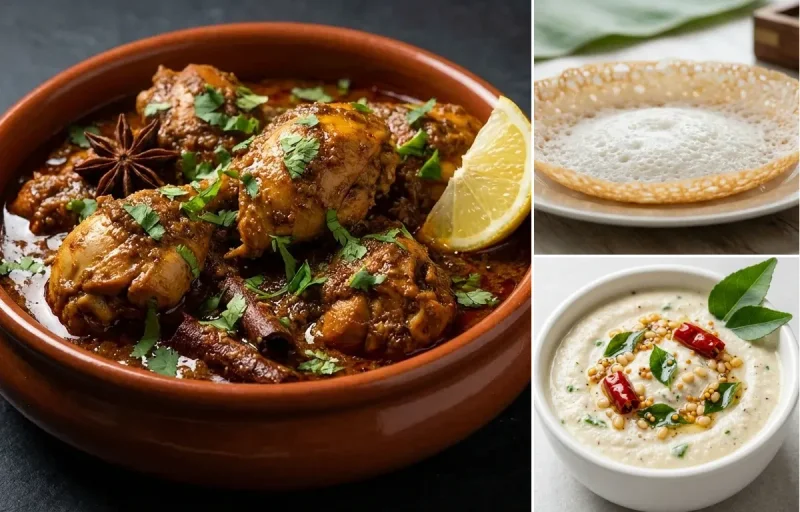

Perfectly spiced Chettinad Chicken Curry with soft, gut-friendly Idlis. Aromatic comfort food, mom's recipe style!

Protein-packed Eral Varuval with tangy, aromatic Lemon Rice. A quick, energy-giving meal that's bursting with flavor!

Perfectly spiced Mutton Sukka with aromatic Ghee Rice and cooling raita. A soul-satisfying, energy-giving feast!

Aromatic, perfectly spiced Chettinad chicken salna with flaky parotta. Pure comfort food that's soul-satisfying!