Ghila Pitha
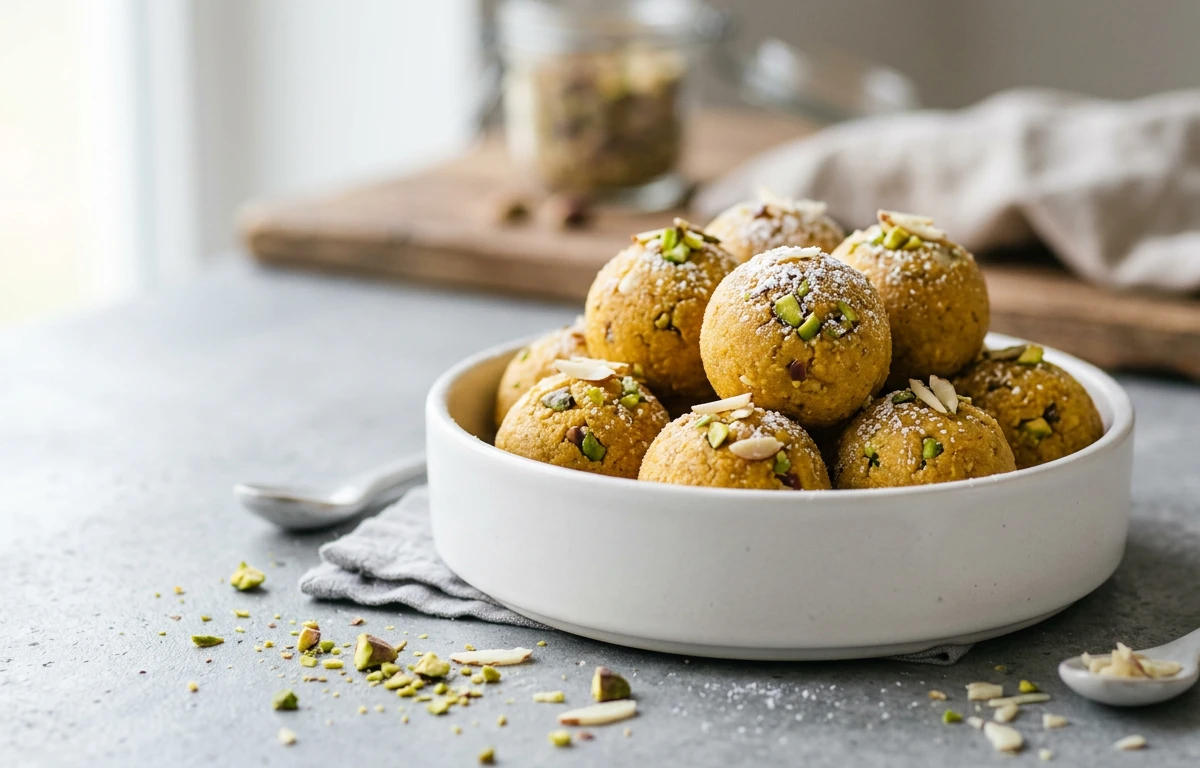
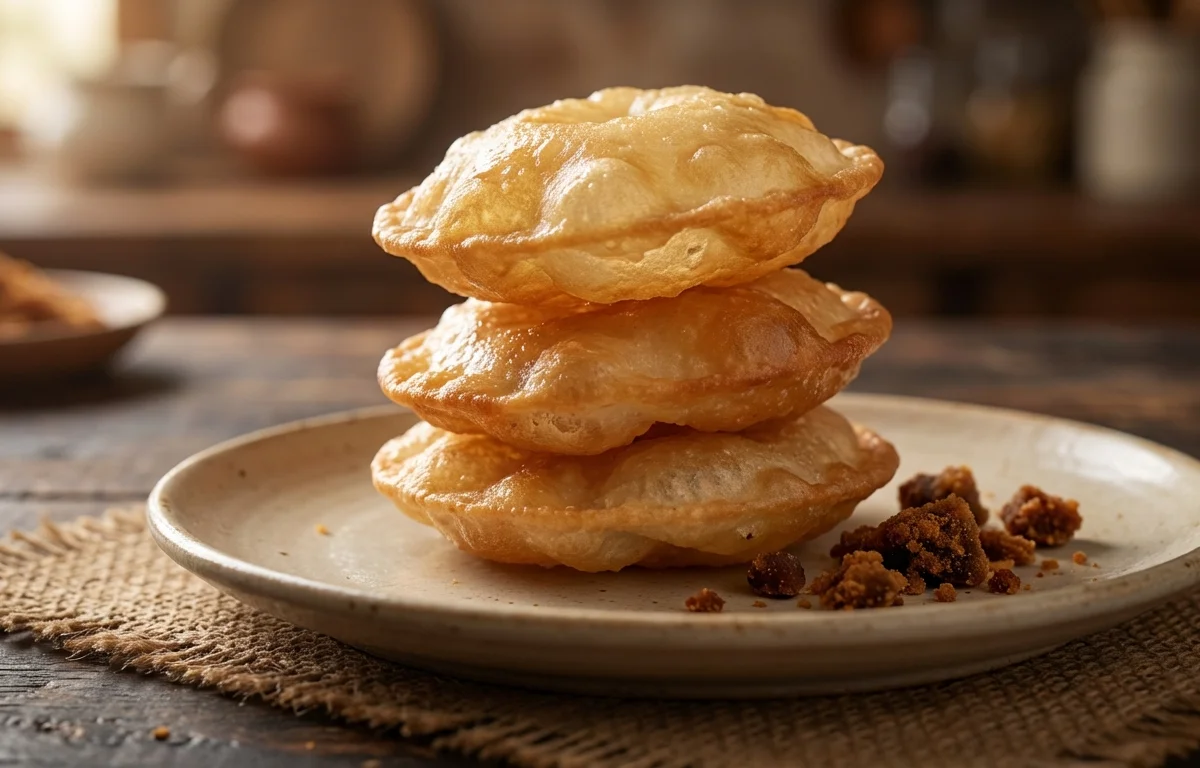
Soft, lightly sweet rice dumplings from Assam made with a simple rice flour dough and a coconut-jaggery filling. These steamed pithas are tender, comforting, and especially lovely with tea during festive mornings.
For 8 servings
- saute · ~6 min
Make the coconut filling.
1.Heat a pan over low heat and add grated coconut.2.Add jaggery and stir until it melts and coats the coconut (3-4 min).3.Add crushed cardamom seeds and cook until the mixture looks sticky but not wet (1-2 min).4.Take it off the heat and let the filling cool.TIPKeep the heat low so the jaggery melts gently and does not turn hard. - boil · ~4 min
Boil the water for the dough.
Bring water and salt to a gentle boil in a saucepan. Keep the heat low once it starts bubbling.
- mix · ~5 min
Make the rice flour dough.
1.Add the rice flour to the hot water a little at a time, stirring continuously.2.Mix until it comes together into a soft dough with no dry flour left.3.Turn off the heat and cover for 2 minutes so the flour hydrates fully.TIPThe dough should feel soft and warm, not crumbly. If needed, sprinkle in 1-2 tbsp hot water. - rest · ~5 min
Rest the dough briefly.
Let the dough cool just enough to handle comfortably. It should still be warm for smooth shaping.
- assemble · ~10 min
Shape and fill the pithas.
1.Grease your palms lightly with ghee.2.Divide the dough into 8 equal portions.3.Flatten one portion into a small cup, keeping the center slightly thicker.4.Place 1-2 tsp coconut filling in the middle and pinch the edges together to seal.5.Shape it into a smooth oval dumpling and repeat with the remaining dough and filling.TIPIf the edges crack, smooth them with slightly damp fingers while the dough is still warm. - steam · ~12 min
Steam the ghila pitha.
1.Grease the steamer plate lightly with ghee.2.Arrange the shaped pithas in a single layer with a little space between them.3.Steam over medium heat until the outer layer looks set and glossy (10-12 min). - serve
Serve warm.
What to keep in mind.
7 tips from the recipe — small details that make a real difference to the final dish.
- 1Cool the coconut-jaggery filling completely before stuffing, or the warm filling can soften the rice dough and cause tears.
- 2Shape the pithas while the dough is still warm; once fully cool, rice flour dough is more likely to crack at the edges.
- 3Keep the center of each dough cup slightly thicker so it can hold the filling without splitting during steaming.
- 4If the filling seems wet, cook it for another minute on low heat until sticky; excess moisture can make the pithas burst.
- 5Do not overcrowd the steamer plate; a little space around each pitha helps them cook evenly and prevents sticking together.
- 6Let the steamed pithas sit for 1-2 minutes before lifting them off the plate so the outer layer firms up cleanly.
- 7Leftover ghila pitha is best reheated by steaming for a few minutes rather than microwaving, which can toughen the rice shell.
Adapt it for your goals.
Vegan
Replace ghee with coconut oil or a neutral oil for greasing to keep the pithas fully plant-based.
extra cardamomExtra-cardamom
Add an extra crushed cardamom pod for a more fragrant, festive filling that pairs especially well with tea.
dry fruitDry-fruit
Mix a few chopped cashews or raisins into the coconut filling for added texture and a richer celebratory version.
less sweetLess-sweet
Reduce the jaggery slightly if you prefer the natural sweetness of coconut to stand out more clearly.
Why this is on our healthy list.
Naturally Gluten-Free
Made with rice flour rather than wheat, this dish suits people looking for a traditional gluten-free sweet.
Steamed, Not Fried
Steaming keeps the texture soft and tender without the heaviness that comes from deep-frying festive snacks.
Contains Coconut Goodness
Fresh coconut adds natural richness, fiber, and satisfying texture to the filling.
Less Refined Sweetener
Jaggery brings deep sweetness and a more traditional sweetness profile than plain white sugar.
Frequently asked questions
It is usually too cool or too dry. Shape it while still warm and knead in a little hot water if it feels crumbly.