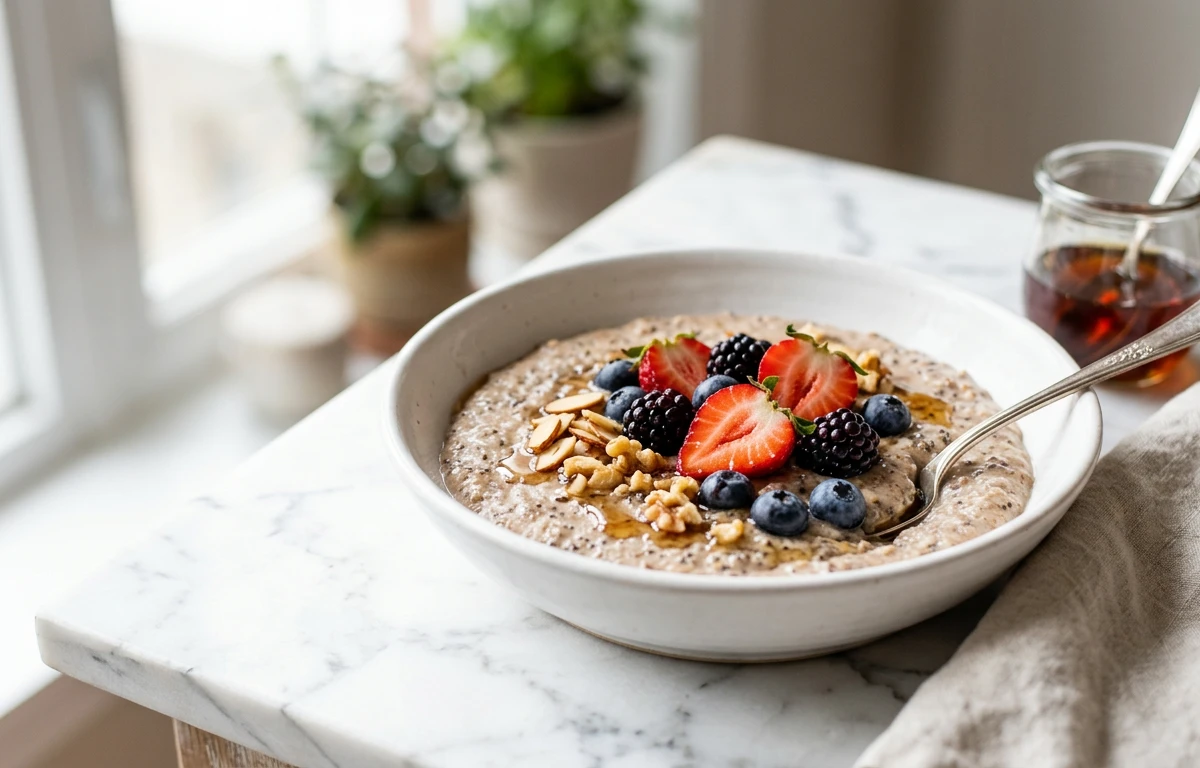
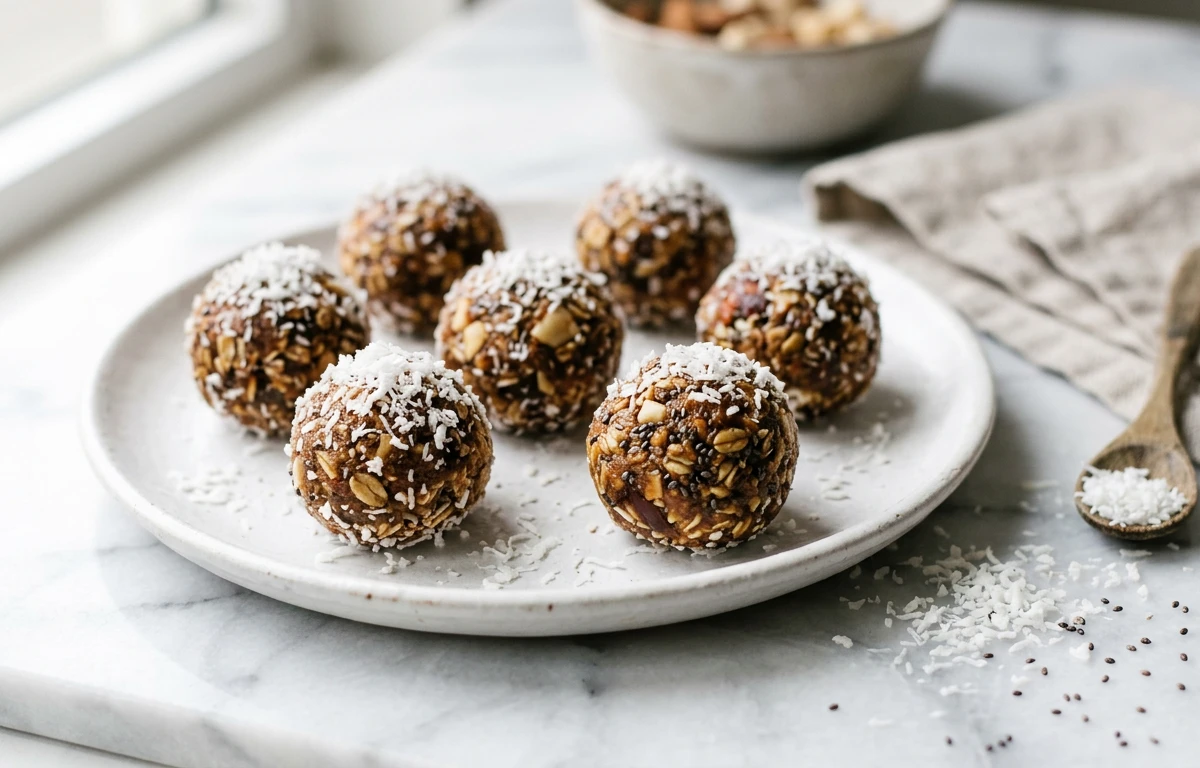
Condiment10 recipes
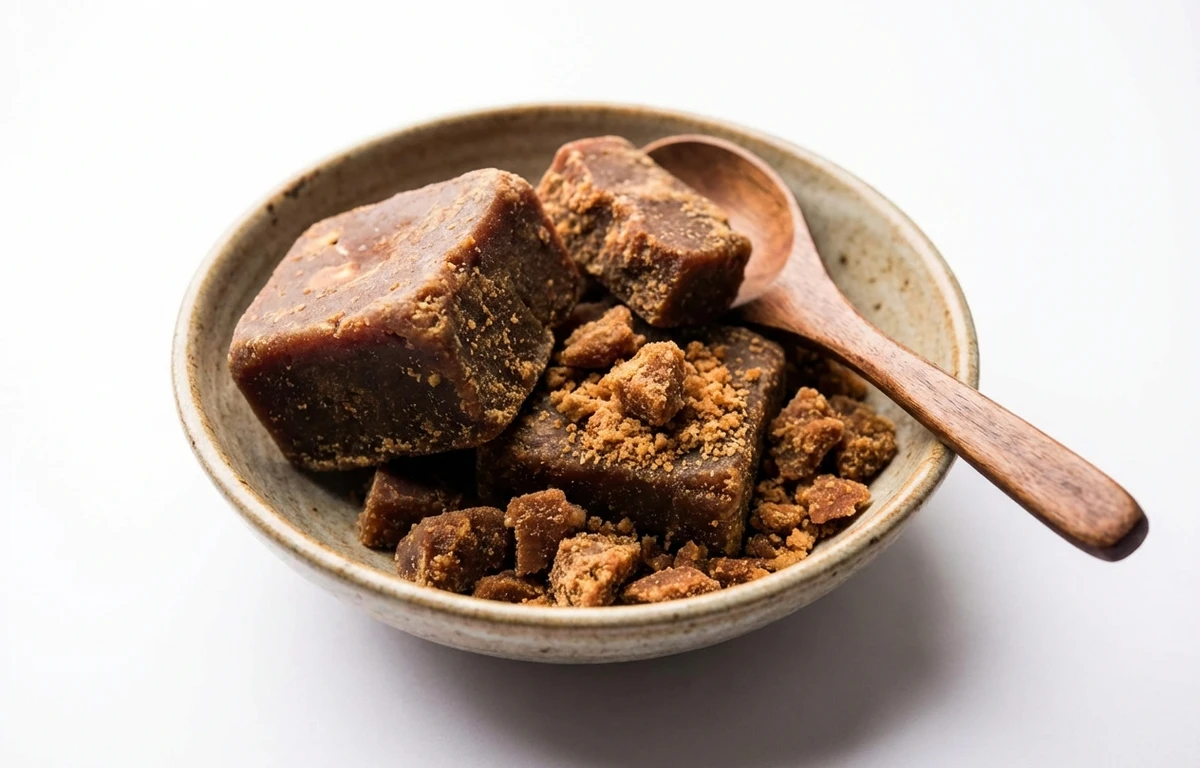
jaggery.
VegetarianVeganGluten-freeDairy-freeNut-freePeanut-freeSoy-freeEgg-freeShellfish-freeHoney-freeAlcohol-free
ALSO KNOWN AS
gurbellavellamgulcane jaggeryjaggeryMexican brown sugarpanelarapadurapiloncillo
SERVING
CALORIES
383
PROTEIN
0.40g
CARBS
98g
FAT
0.10g
FIBER
0g
NUTRITION PROFILE · per 100 g
Everything in this ingredient.
MACRONUTRIENTS
Calories383kcal—
Protein0.40g1%
Carbohydrates98g36%
Fiber0g0%
Sugar97g194%
Total fat0.10g0%
Saturated fat0g0%
Trans fat0g—
Cholesterol0mg0%
Water1.5g—
MINERALS
Sodium30mg1%
Potassium1050mg22%
Calcium80mg6%
Iron11mg61%
Magnesium160mg38%
Phosphorus40mg3%
Zinc0.40mg4%
Copper0.10mg11%
Manganese0.50mg22%
VITAMINS
Vitamin A0µg0%
Vitamin C0mg0%
Vitamin D0µg0%
Vitamin E0mg0%
Vitamin K0µg0%
Thiamin (B1)0.01mg1%
Riboflavin (B2)0.01mg1%
Niacin (B3)0.10mg1%
Pantothenic acid (B5)0.05mg1%
Vitamin B60.03mg2%
Folate (B9)0µg0%
Vitamin B120µg0%
%DV based on a 2,000 cal diet. Source: USDA FoodData Central. A dash in the %DV column means there’s no established Daily Value for that nutrient.
MEASUREMENT CONVERSIONS
How much is what.
1 cup200g
1 tablespoon15g
1 teaspoon5g
1 oz28.4g
1 lb453.6g
1 ml1.3g
1 piece25g
HEALTH BENEFITS
Why eat it.
- ✓Rich in iron which helps prevent anemia
- ✓Aids digestion by activating digestive enzymes
- ✓Acts as a natural detoxifier for the liver
- ✓Contains potassium which helps manage blood pressure
- ✓Provides a more gradual energy release than refined sugar
COOKING TIPS
In the kitchen.
- 1Grate or shave the jaggery block for faster and more even melting
- 2When adding to milk, turn off the heat first to prevent curdling
- 3Use as a 1:1 substitute for brown sugar in baking for a deeper flavor
STORAGE
Keep it fresh.
- Store in an airtight container to prevent moisture absorption
- Keep in a cool, dark, and dry place to avoid mold
- If it becomes too hard, place a damp cloth over the container for a few hours
FAQ
Frequently asked questions.
How long does jaggery last?
When stored in an airtight container in a cool, dry place, jaggery can last for 6 to 12 months.
How can I tell if jaggery is of good quality?
Look for a dark brown color; very light or yellow jaggery may have been treated with chemicals or bleaching agents.
Can jaggery be used in place of white sugar?
Yes, it can be used as a healthier alternative, though it has a distinct molasses-like flavor and will darken the color of the dish.
Does jaggery expire?
It doesn't technically expire but can develop mold if exposed to moisture or lose its flavor over several years.
Is jaggery safe for diabetics?
While it contains more minerals than white sugar, it is still high in sucrose and should be consumed in moderation by diabetics.
How do I soften a hard block of jaggery?
You can microwave it for 10-20 seconds or place it in a warm area to make it easier to cut or grate.
Why does my milk curdle when I add jaggery?
The impurities and acidic content in jaggery can cause milk to curdle if boiled together. Always add jaggery after removing the milk from the heat.
What is the difference between cane jaggery and palm jaggery?
Cane jaggery is made from sugarcane juice, while palm jaggery is made from the sap of palm trees; they have different mineral profiles and flavors.
RECIPES
Cook with jaggery.
10 recipes · sorted by what’s quick