Jammy Caramelized Onions
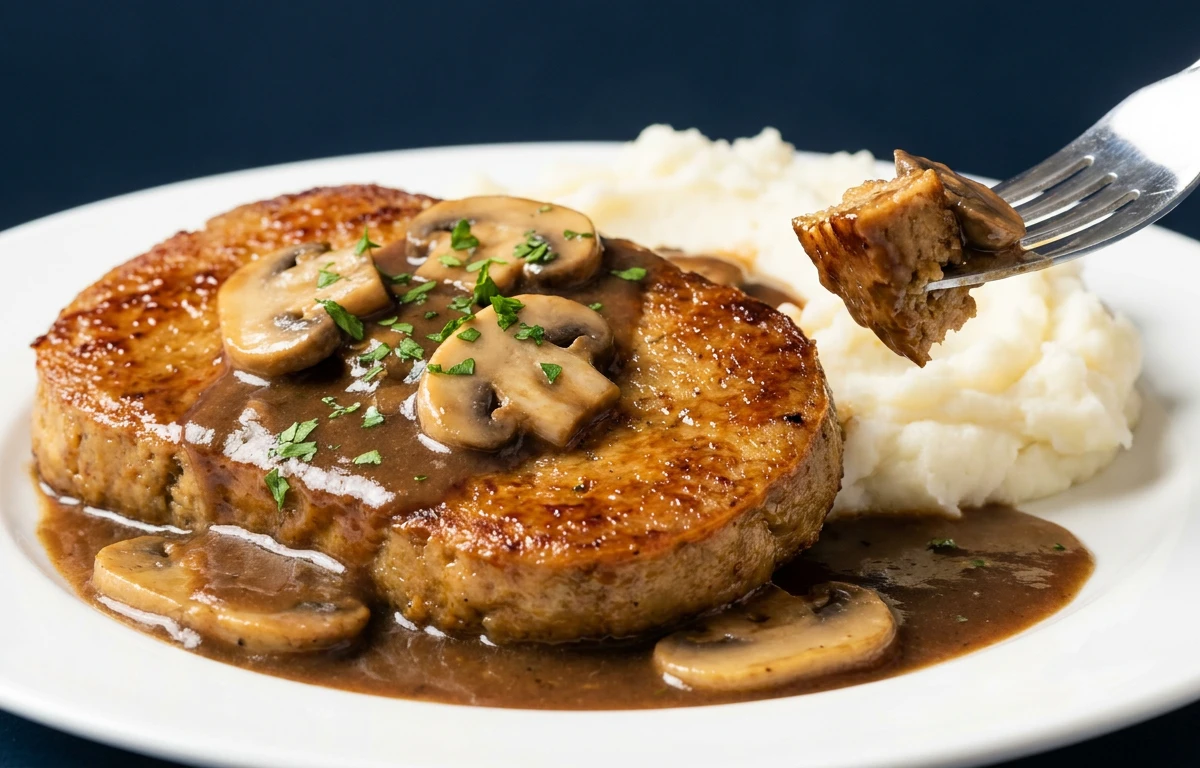
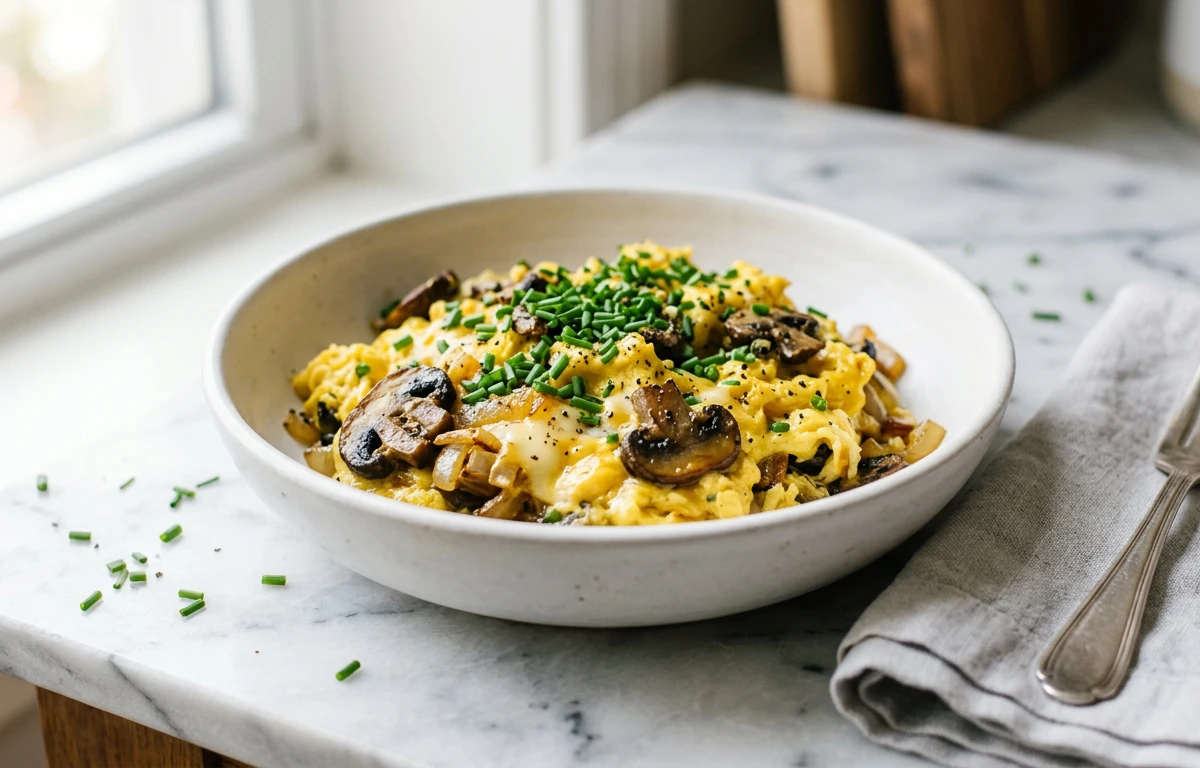
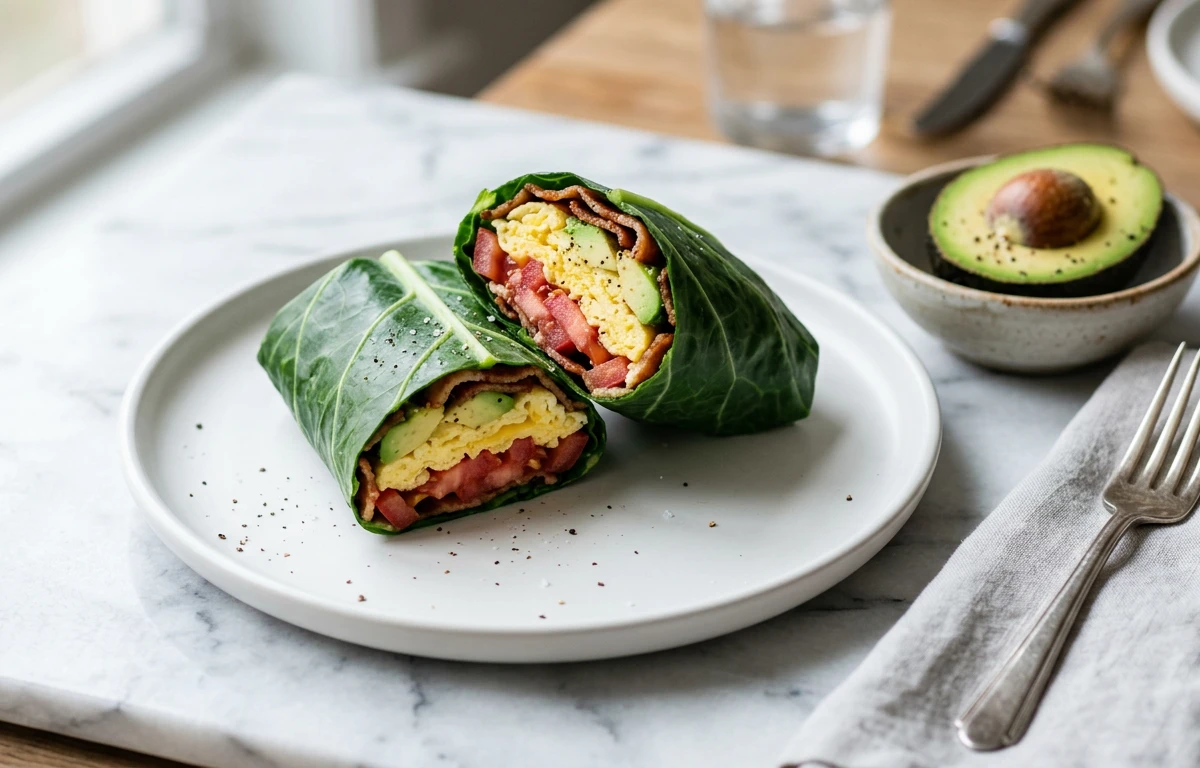
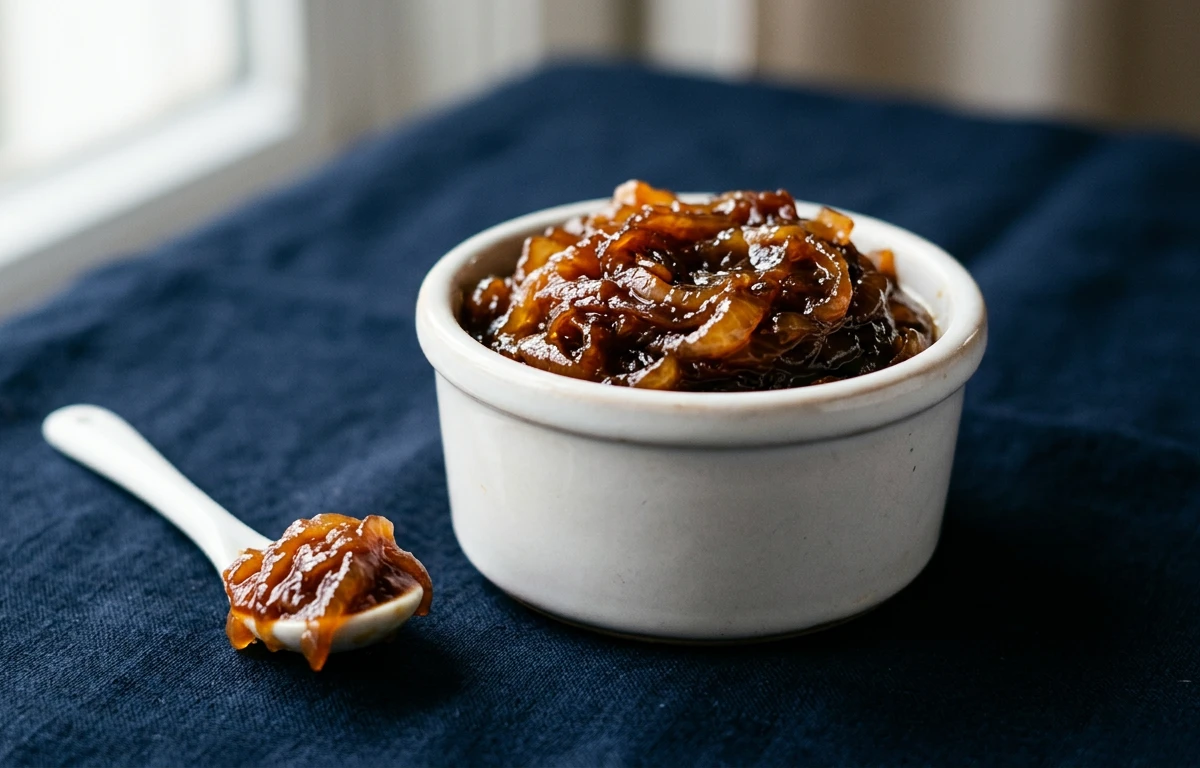
Onions cooked low and slow until they collapse into a deep, mahogany-brown jam. Buttery, intensely sweet, and savory all at once, this simple condiment transforms burgers, sandwiches, pizzas, and even scrambled eggs into something special. Just a little patience yields a jar of pure flavor gold.
For 4 servings
- prep · ~5 min
Slice the onions.
1.Peel the onions and cut them in half through the root.2.Thinly slice each half crosswise into uniform half-moons, about 1/4 inch thick. - saute · ~5 min
Start cooking the onions.
1.Place the butter and olive oil in the cold skillet.2.Add all the sliced onions and set the heat to medium-high.3.Cook, stirring often, until the onions start to soften and release some liquid, about 5 minutes.4.Sprinkle the salt over the onions and stir to distribute. - simmer · ~35 min
Reduce heat and slowly caramelize.
1.Drop the heat to medium-low or low.2.Cook the onions, stirring every 5 to 8 minutes to prevent burning.3.Watch for the onions to turn from translucent to golden, then progressively deeper amber, about 30 to 35 minutes.TIPLow and slow is the secret. Crank the heat and you'll get charred, bitter onions instead of sweet, jammy ones. - saute · ~3 min
Deglaze and finish.
1.When the onions are a deep mahogany color and have shrunk dramatically, add the water to the skillet.2.Scrape up any browned bits stuck to the bottom of the pan with the wooden spoon.3.Cook for another 2 to 3 minutes, until the water evaporates and the onions are thick and jammy.TIPThose browned bits on the pan are pure flavor. The splash of water releases them and folds them back into the onions. - serve
Use immediately or store.
Serve the jammy caramelized onions warm on burgers, grilled cheese, flatbreads, or alongside roasted meats. Cool completely before refrigerating in an airtight container.
What to keep in mind.
6 tips from the recipe — small details that make a real difference to the final dish.
- 1Slice onions uniformly so they cook at the same rate and don't burn.
- 2Use a wide, heavy-bottomed skillet for even heat distribution.
- 3Resist stirring too often — every 5–8 minutes is just right.
- 4If onions dry out before browning, add a splash of water (not oil).
- 5Cool completely before storing to avoid condensation and sogginess.
- 6Store in the fridge up to 2 weeks, or freeze in ice cube trays for easy portions.
Adapt it for your goals.
Vegan
Replace butter with an equal amount of olive oil or vegan butter. The texture and sweetness remain the same, and it works beautifully on vegan burgers and pizzas.
balsamic glazedBalsamic-glazed
Add 1 tablespoon balsamic vinegar and 1 teaspoon brown sugar along with the water during deglazing. The vinegar's acidity cuts the sweetness and adds a tangy, glossy finish.
herb infusedHerb-infused
Toss in a sprig of fresh thyme or a bay leaf during the last 10 minutes of cooking. The herbs lend an earthy, aromatic layer that pairs well with roasted meats.
spicySpicy
Add a pinch of red pepper flakes or a dash of smoked paprika along with the salt. This gives the jam a gentle warmth and smoky depth.
Why this is on our healthy list.
Rich in Antioxidants
Onions are packed with quercetin, a powerful antioxidant that may help reduce inflammation and support heart health.
Low in Calories
This condiment is naturally low in calories, making it a flavorful way to add depth to meals without a heavy caloric load.
Contains Prebiotics
Onions are a good source of inulin, a type of prebiotic fiber that feeds beneficial gut bacteria.
Heart-Supportive Fats
A small amount of olive oil provides monounsaturated fats, which are associated with healthy cholesterol levels.
Frequently asked questions
Bitter onions usually result from cooking over too-high heat or overcrowding the pan, which causes burning rather than gentle caramelization. Keep the heat low and stir only every 5–8 minutes.