.webp)
Ridge Gourd & Lentil Stew (Peerkangai Kootu)
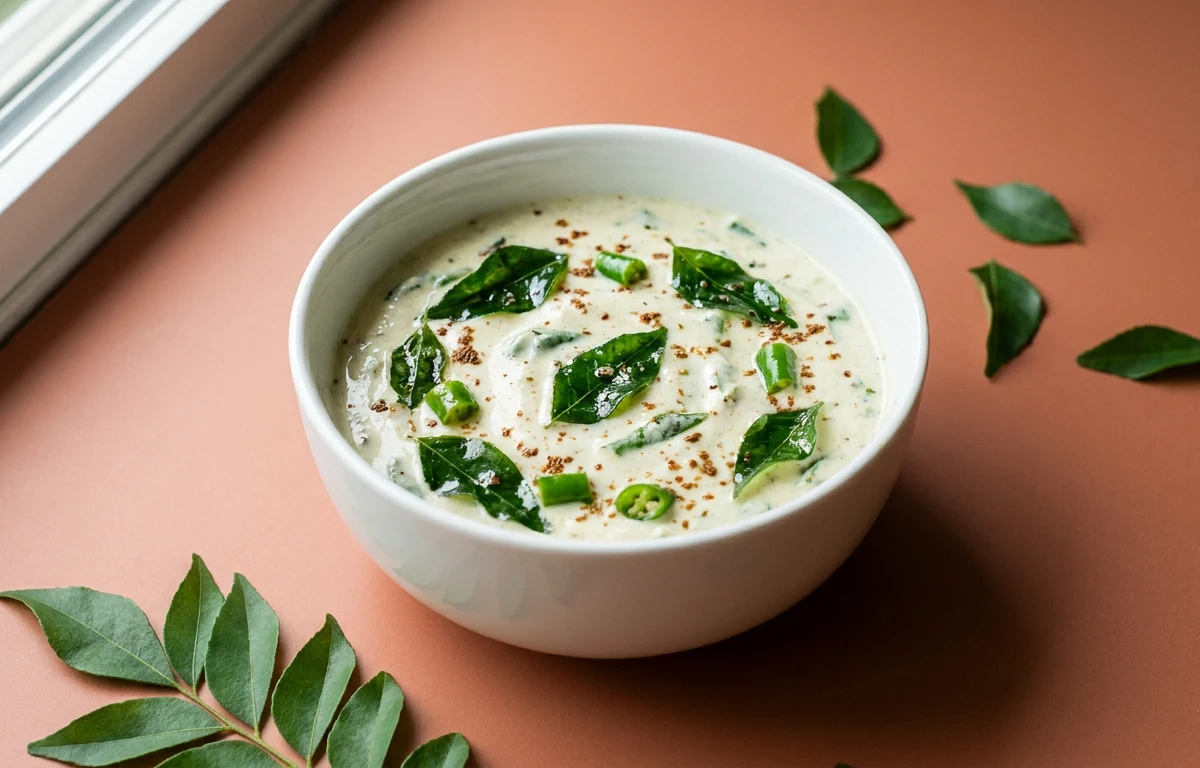
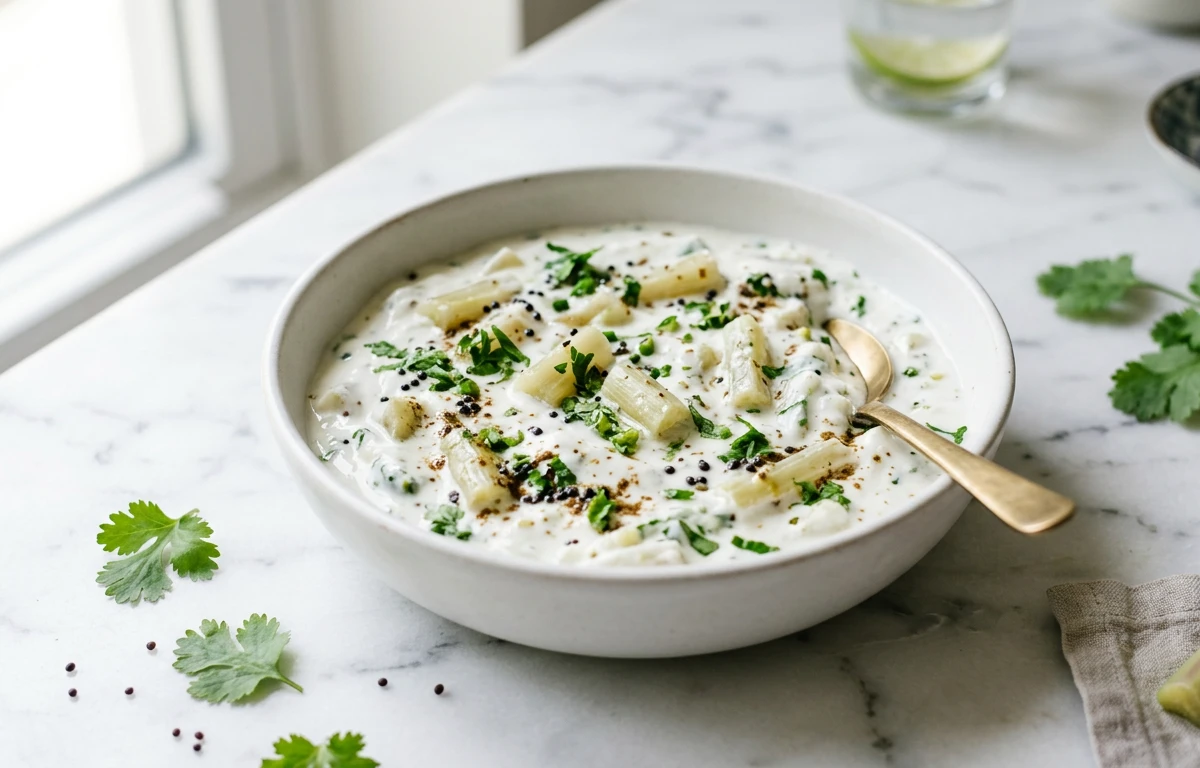
A comforting South Indian stew where tender ridge gourd and toor dal come together with a fragrant coconut-cumin paste. This mild, creamy kootu is a staple in Tamil homes, perfect spooned over hot rice with a drizzle of ghee.
For 4 servings
- pressure cook · ~10 min
Pressure cook the toor dal.
1.Wash toor dal thoroughly under running water.2.Add dal to a pressure cooker with turmeric powder and 1.5 cups of water.3.Pressure cook for 3 whistles or until soft and mushy.4.Let the pressure release naturally, then mash the dal lightly and set aside.TIPThe dal should be completely soft and almost paste-like. If it's still firm, add a splash of water and cook for another whistle. - simmer · ~8 min
Cook the ridge gourd.
1.Place the cubed ridge gourd in a heavy-bottomed pot with 0.5 cup of water and a pinch of salt.2.Cover and simmer on medium heat until tender but not mushy, about 6-8 minutes.3.The gourd will release its own water; cook until just done.TIPRidge gourd cooks quickly and can turn to mush if overdone. Stop when it's fork-tender. - mix · ~2 min
Grind the coconut paste.
1.In a small blender, add grated coconut, cumin seeds, green chili, and rice flour.2.Add 2 tablespoons of water and grind to a very smooth, thick paste.3.Scrape down the sides to ensure no coarse bits remain. - simmer · ~5 min
Combine dal, gourd, and coconut paste.
1.Add the mashed dal into the pot with the cooked ridge gourd.2.Stir in the ground coconut paste, tamarind pulp, and salt.3.Add water to adjust consistency to a thick stew — it should coat the back of a spoon.4.Bring to a gentle simmer and cook for 5 minutes, stirring occasionally so it doesn't stick to the bottom.5.Turn off the heat once the raw smell of the paste disappears. - temper · ~3 min
Make the tempering.
1.Heat coconut oil in a small tadka pan over medium heat.2.Add mustard seeds and let them pop and crackle completely.3.Add urad dal and stir until it turns golden brown.4.Add dried red chili, curry leaves, and asafoetida. Sauté for 10 seconds until fragrant.5.Pour the sizzling tempering over the kootu and stir gently to combine.TIPPour the tempering over the kootu immediately — the sizzle and aroma are part of the magic. - garnish · ~2 min
Garnish with fresh coriander leaves and serve hot.
Rest the kootu for 2 minutes to let the tempering infuse. Serve warm with steamed rice and a drizzle of ghee.
What to keep in mind.
6 tips from the recipe — small details that make a real difference to the final dish.
- 1Don't overcook the ridge gourd; it turns mushy quickly — cook until just fork-tender.
- 2Mash the pressure-cooked toor dal thoroughly to create a creamy, cohesive stew base.
- 3Grind the coconut-cumin paste very smooth; any coarse bits will affect the texture.
- 4Add the tamarind pulp near the end to retain its tanginess without dulling the flavor.
- 5Pour the hot tempering immediately over the kootu for maximum aromatic impact.
- 6Let the kootu rest for 2-3 minutes after tempering so the flavors meld perfectly.
Adapt it for your goals.
Vegan
This kootu is already naturally vegan if you skip the ghee drizzle. It remains rich and satisfying from the coconut and dal.
protein boostProtein boost
Add a handful of steamed moong dal or cooked chana dal along with the toor dal for extra protein and a heartier texture.
low spiceLow-spice
Reduce the green chili to one and skip the dried red chili in the tempering for a milder version that kids will enjoy.
no tamarindNo-tamarind
Substitute tamarind pulp with a teaspoon of fresh lemon juice added at the end for a brighter, cleaner sourness.
vegetable variationVegetable variation
Swap ridge gourd for chayote (chow chow) or bottle gourd (lauki) — they have similar texture and absorb the coconut flavors beautifully.
Why this is on our healthy list.
Rich in Plant Protein
Toor dal provides a substantial amount of plant-based protein, making this stew a satisfying and nourishing meal component.
Good Source of Dietary Fiber
Both ridge gourd and toor dal contribute fiber, which supports healthy digestion and promotes a feeling of fullness.
Low in Fat
With only a small amount of coconut oil and grated coconut, this kootu is naturally low in unhealthy fats.
Packed with Micronutrients from Spices
Turmeric, cumin, curry leaves, and asafoetida add antioxidants and anti-inflammatory compounds to the dish.
Frequently asked questions
Fresh ridge gourd is best for texture. Frozen tends to release too much water and become mushy; canned is not recommended.