Scrambled Eggs And Toast
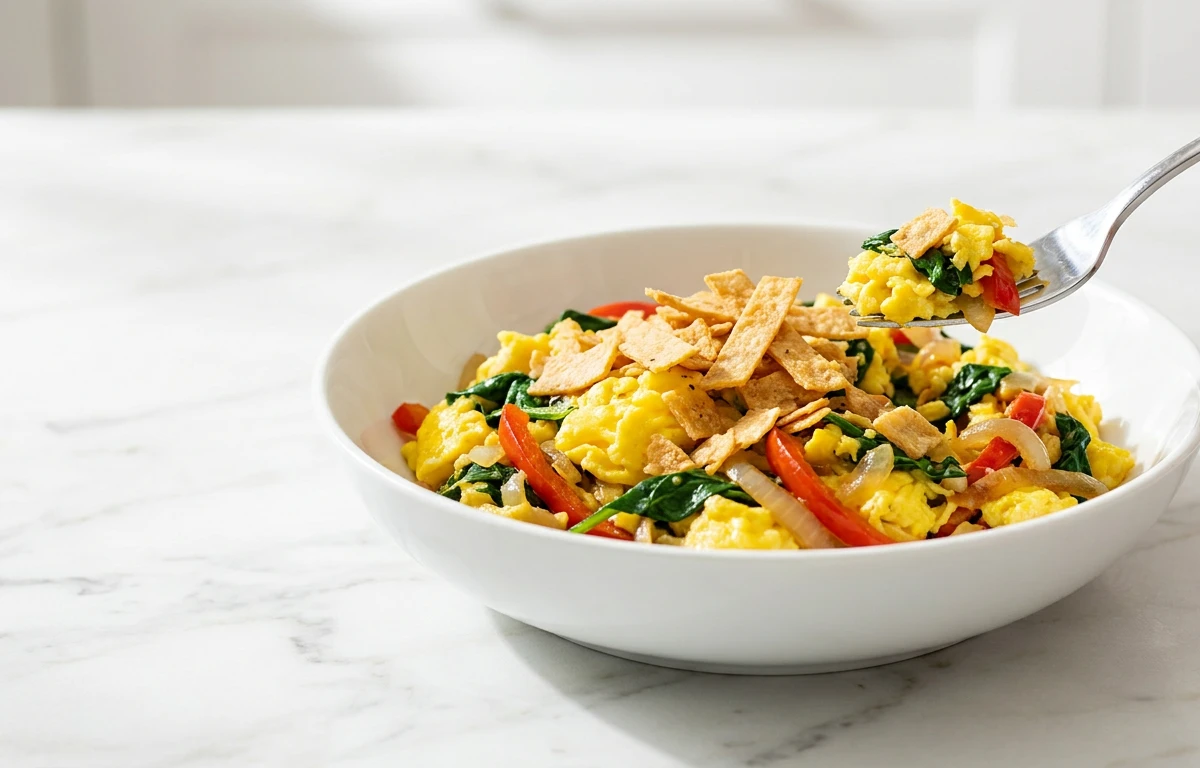
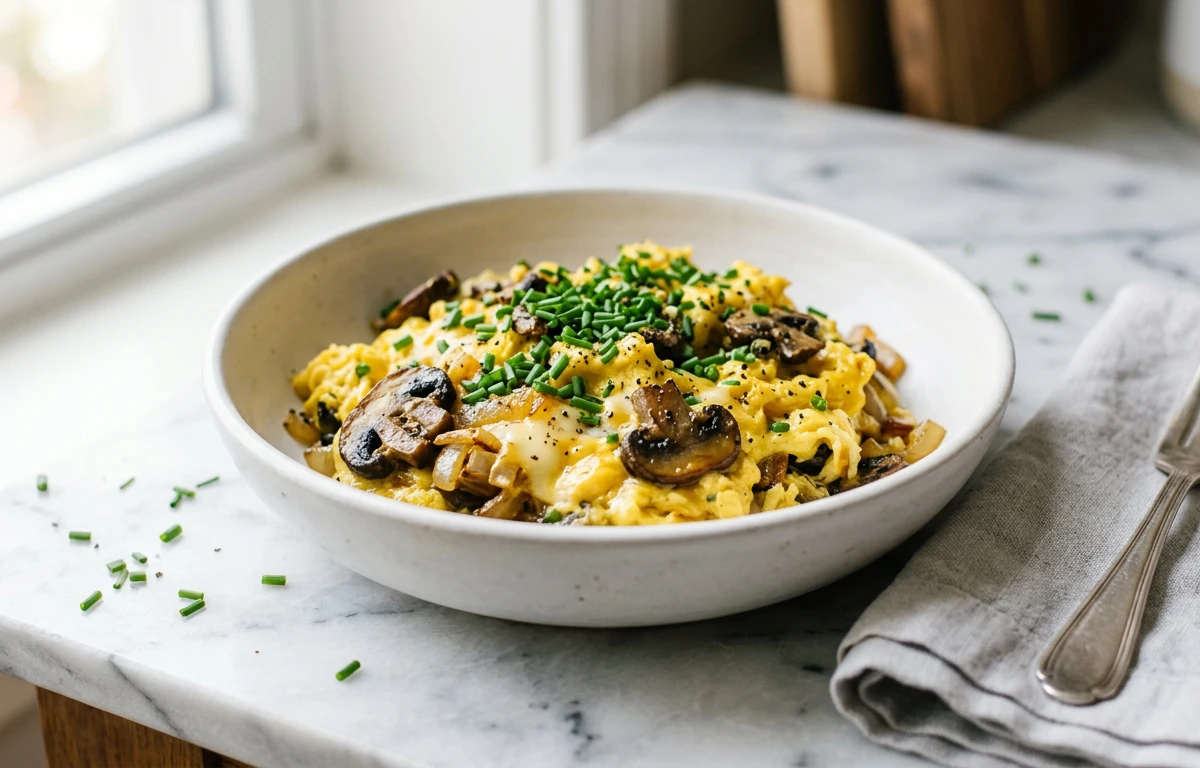
Fluffy, buttery scrambled eggs cooked low and slow for the softest curds, served over slices of golden, crisp toast. This classic American breakfast comes together in 15 minutes and tastes like a cozy diner morning.
For 2 servings
- prep · ~1 min
Crack and whisk the eggs.
1.Crack 4 large eggs into a medium mixing bowl.2.Add 2 tablespoons milk, a pinch of salt, and a pinch of black pepper.3.Whisk until the yolks and whites are fully combined and the mixture is uniform pale yellow, about 30 seconds. - boil · ~3 min
Toast the bread.
Toast 2 slices of bread in a toaster until golden brown and crisp. Spread each slice with butter while still warm. Set aside on serving plates.
TIPButter the toast while it is hot so the butter melts into every pore. - saute · ~1 min
Melt butter in the skillet.
Place a non-stick skillet over medium-low heat. Add 1 tablespoon butter and let it melt gently. Swirl the pan so the butter coats the bottom evenly. The butter should foam lightly but not brown.
TIPLow-to-medium heat is the secret — high heat makes rubbery, dry eggs. - saute · ~4 min
Cook the eggs low and slow.
1.Pour the whisked eggs into the skillet. Let them sit undisturbed for 15 seconds until the edges just begin to set.2.Gently drag a rubber spatula from the edges toward the center, pushing the cooked curds across the pan.3.Continue pushing and folding every few seconds for about 3–4 minutes, until the eggs are soft, creamy, and just set but still glistening.TIPPull the pan off the heat when the eggs still look slightly wet — carryover heat will finish them. - assemble · ~1 min
Plate the scrambled eggs on toast.
Divide the soft scrambled eggs evenly onto the buttered toast slices. Serve immediately while still hot and creamy.
What to keep in mind.
6 tips from the recipe — small details that make a real difference to the final dish.
- 1Use a rubber or silicone spatula for gentle folding, not a metal whisk or fork, to keep curds tender.
- 2Remove the pan from heat when eggs still look slightly wet—residual heat finishes cooking without drying them out.
- 3Butter the toast while it's piping hot so the butter melts deep into the crumb, not just on the surface.
- 4Whisk the eggs vigorously for at least 30 seconds to incorporate air, yielding lighter, fluffier curds.
- 5For extra creamy eggs, swap the milk for a splash of heavy cream or crème fraîche stirred in at the end.
- 6Let the eggs rest in the pan off heat for 1 minute after cooking—they'll tighten up without overcooking.
Adapt it for your goals.
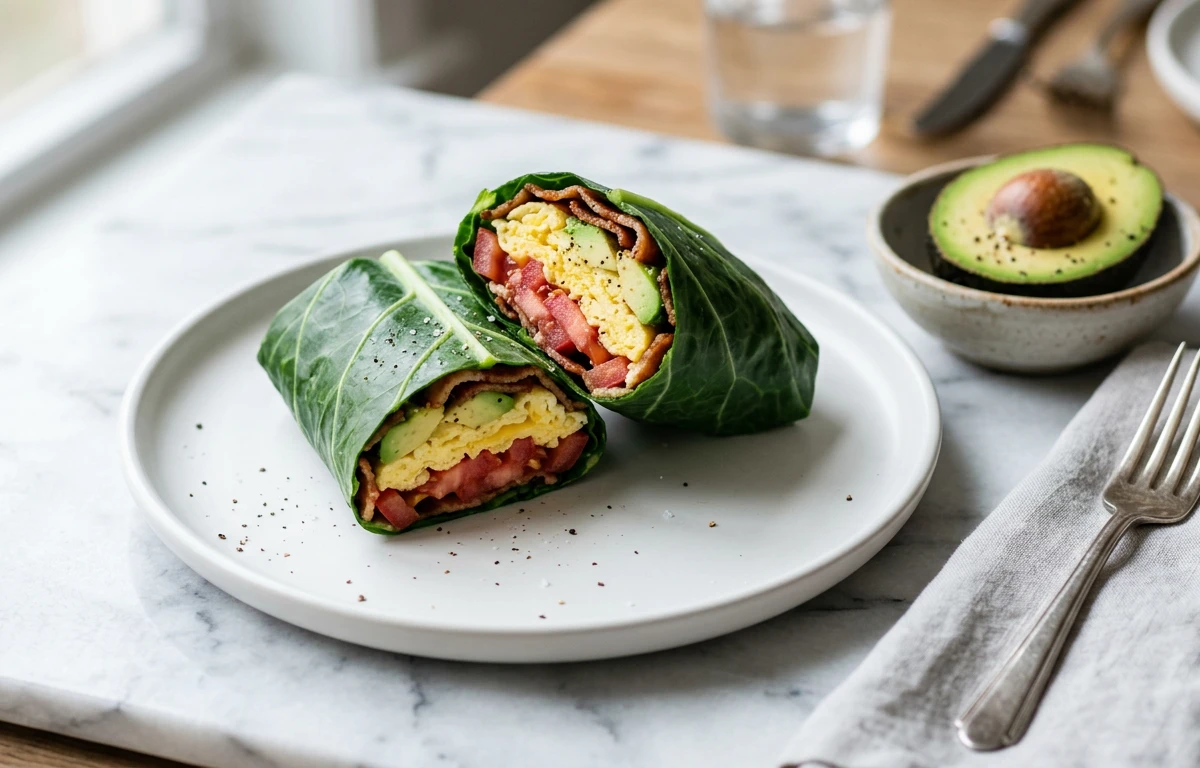
Cheesy scramble
Sprinkle ¼ cup shredded sharp cheddar or crumbled feta over the eggs during the last minute of cooking for a savory, melty twist that adds richness and a tangy kick.
herb & chiveHerb & chive
Fold in 1 tablespoon of finely chopped fresh chives, parsley, or dill right after cooking for a fresh, aromatic pop that brightens the classic flavor.
smoked salmonSmoked salmon
Top the finished eggs with 2 ounces of flaked hot-smoked salmon and a dollop of crème fraîche for a luxurious brunch upgrade with salty, smoky depth.
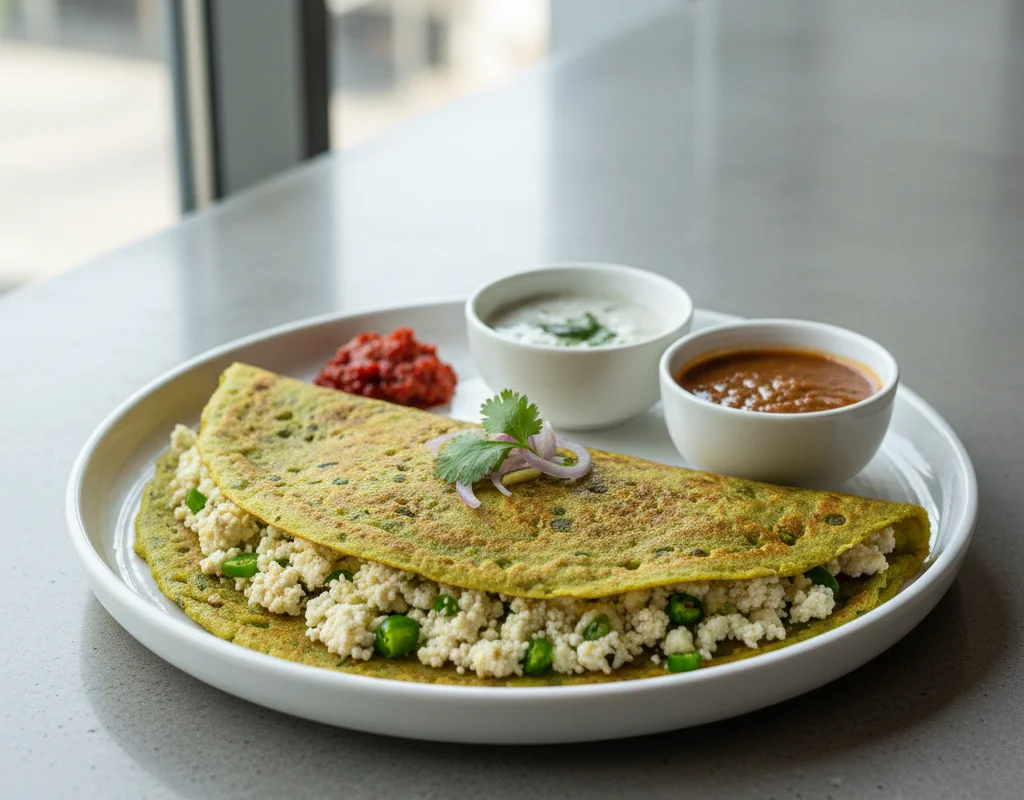
veganVegan
Use silken tofu mashed with ½ teaspoon kala namak (black salt) to mimic egg flavor, sautéed with 1 tablespoon vegan butter and 1 tablespoon almond milk for a plant-based version.
Why this is on our healthy list.
Rich in High-Quality Protein
Eggs provide all nine essential amino acids, making them a complete protein source that supports muscle repair and satiety throughout the morning.
Good Source of Choline
Egg yolks are one of the best dietary sources of choline, a nutrient crucial for brain health and memory function.
Contains Eye-Supporting Nutrients
Eggs supply lutein and zeaxanthin, antioxidants that help protect the eyes from blue light damage and age-related decline.
Butter Provides Fat-Soluble Vitamins
The small amount of butter adds vitamins A, D, E, and K2, which aid in nutrient absorption and support immune and bone health.
Frequently asked questions
High heat is the culprit—cooking over medium-low heat and pulling the pan off while eggs are still glossy prevents moisture loss and tough curds.