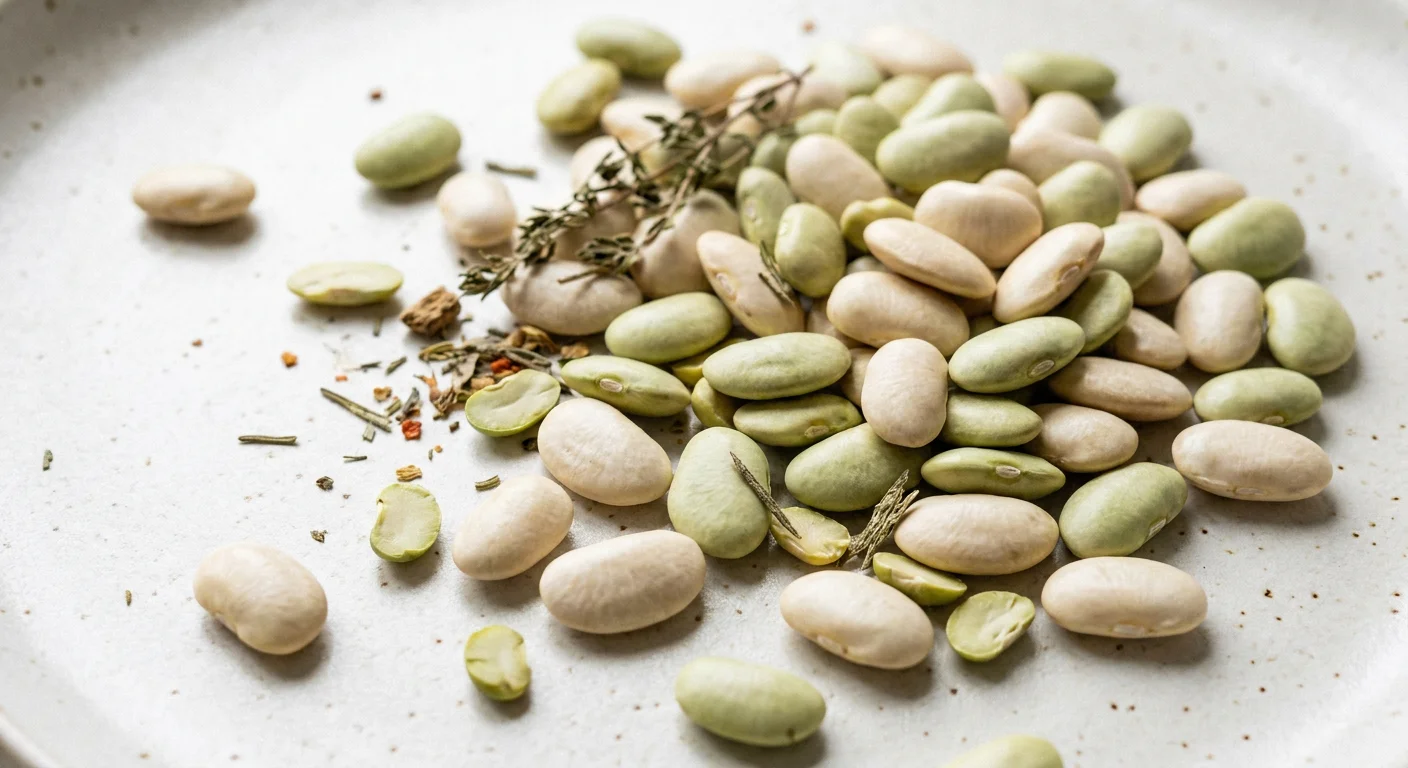
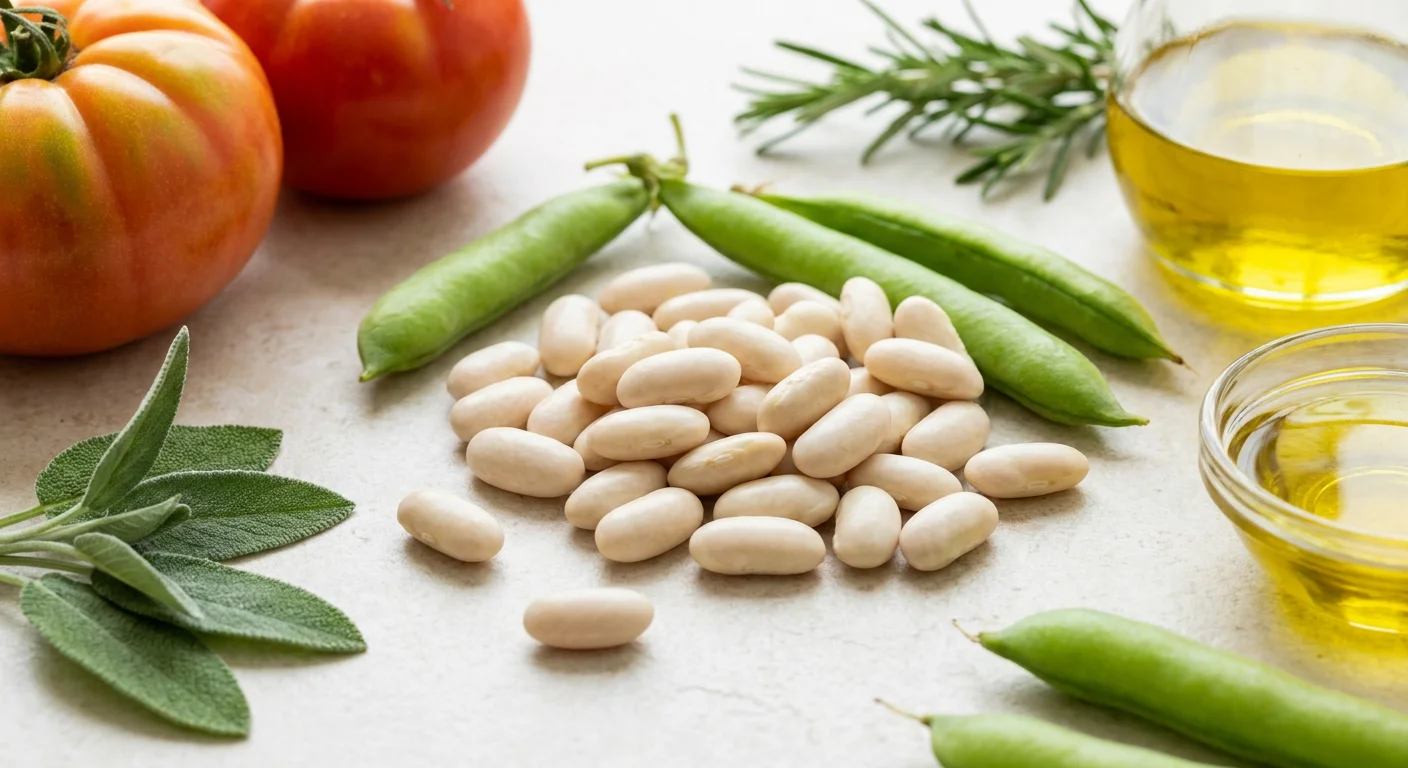
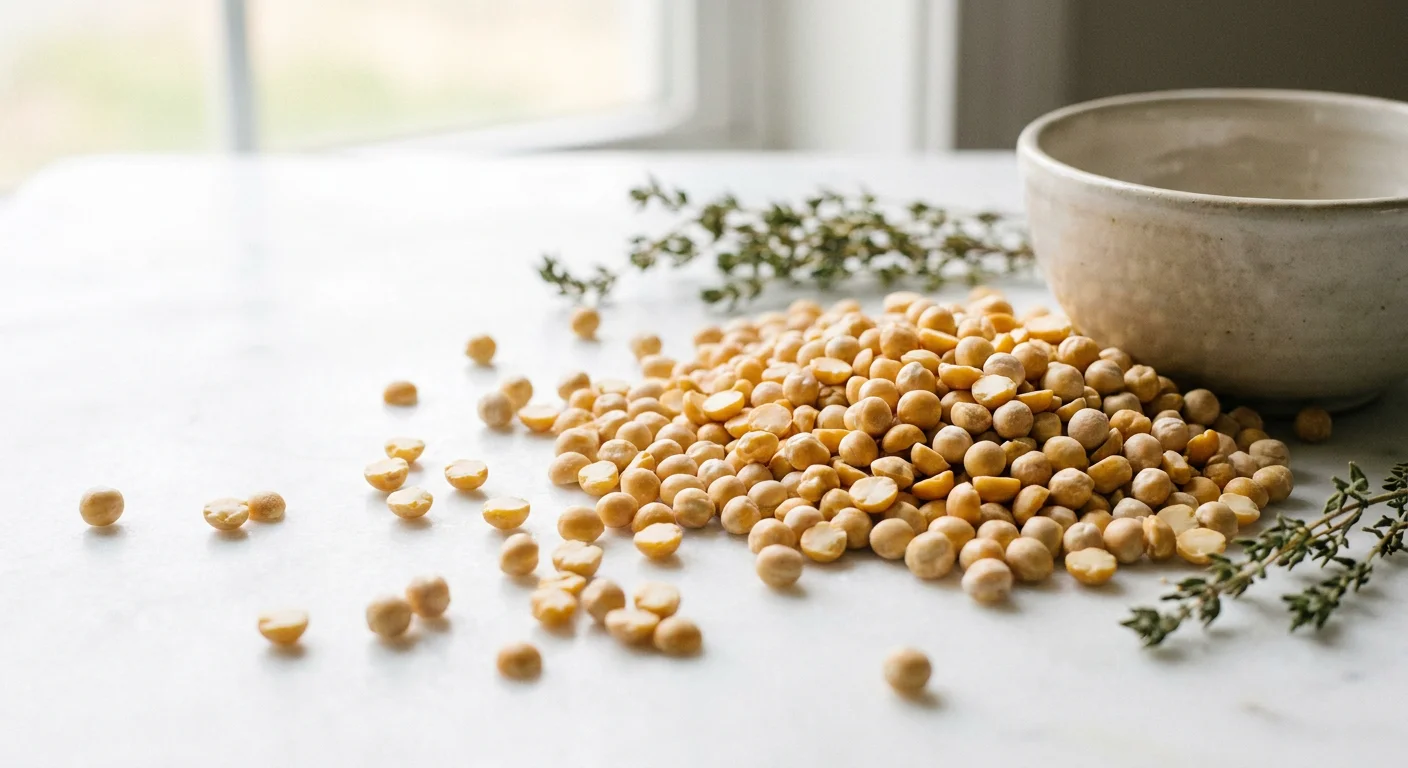
If you only know adzuki beans from the sweet red paste spooned into mochi or buns, you're missing the bigger picture. Those tiny, reddish-brown legumes are a nutritional powerhouse hiding in plain sight. Eaten as a savory whole food, they're packed with an incredible amount of plant protein and fiber, making them one of the most satisfying and blood-sugar-friendly staples you can keep in your pantry. The trick is to see them not as a dessert ingredient, but as a hearty, versatile bean that can anchor a meal.
↑ Tiny, versatile, and packed with protein — far more than just a sweet paste.
The savory side of a sweet bean
Adzuki beans walk a strange line. In much of Asia, they're boiled with sugar until they collapse into a sweet, velvety paste called anko or red bean paste. It's delicious. But nutritionally, it's candy. The bean itself, however, is a different story.
Cooked simply in water or broth, adzuki beans are firm, nutty, and slightly sweet. They hold their shape well, which makes them perfect for salads, soups, and grain bowls. And when you look at their raw numbers — nearly 20 grams of protein and 13 grams of fiber per 100g dry — you realize their true calling is as a savory, nutrient-dense staple.
IN ONE LINE
A protein-and-fiber powerhouse, cooked adzuki beans are low-GI, incredibly filling, and far more versatile than just the sweet paste you know.
Adzuki bean nutrition facts
Here's the nutritional breakdown for 100 grams of raw adzuki beans (about ½ cup dry), which cooks up to about 1.5 cups. Remember, these are the numbers for the dry beans; cooking adds water, not calories.
The numbers speak for themselves. This is a low-fat, high-protein, high-fiber food. That combination is the trifecta for feeling full and satisfied after a meal. The high potassium is also great for blood pressure balance, and the significant iron and magnesium content supports energy and muscle function.
Adzuki's glycemic index
While we don't have a precise, universally agreed-upon number for adzuki beans, all legumes with this much fiber and protein land squarely in the low-glycemic camp when cooked. The huge dose of fiber, in particular, acts like a brake on digestion, slowing down the absorption of the bean's carbohydrates. This means a slow, steady release of energy, not a sharp spike in blood sugar. For anyone managing diabetes or just looking for stable energy, this makes adzuki beans an outstanding choice.
GLYCEMIC INDEX · ADZUKI BEANS vs COMMON FOODS
Cooked adzuki beans sit in the low-GI band
Cooked Adzuki Beans
legume
LOW
Apple
whole fruit
LOW
Mango
whole fruit
LOW
White bread
refined
HIGH
Cornflakes
refined
HIGH
SCALE 0–90
04590
How to cook adzuki beans from scratch
It's easier than you think. Cooking beans from dry gives you better texture, better flavor, and control over the salt. Adzuki beans are small, so they cook faster than most other beans.
01
Rinse and sort.
Pour your dry beans into a colander and rinse them under cold water. Quickly pick through to remove any small stones or debris.
02
Soak them (optional, but good).
Cover the beans with a few inches of cold water and let them soak for 4-8 hours, or even overnight. This speeds up cooking and makes them easier to digest. If you're short on time, you can skip this, but you'll need to simmer them for longer.
03
Simmer until tender.
Drain the soaked beans, place them in a pot, and cover with fresh water. Bring to a boil, then reduce to a gentle simmer. They'll take 45-60 minutes to become tender. Start checking at 40 minutes.
04
Season at the end.
Wait until the beans are fully cooked before adding salt. Salting them too early can make the skins tough. Add salt, broth, or other seasonings and simmer for another 10 minutes to let the flavors absorb.
What adzuki beans are good for
01
Serious plant-based protein
With nearly 20 grams of protein per 100g of dry beans, adzukis are a fantastic building block for muscle repair, satiety, and overall health, especially on a vegetarian or vegan diet.
20 g
protein
02
A huge dose of fiber
The 12.7 grams of fiber feed good gut bacteria, promote regular digestion, and help you feel full for hours, which can aid in weight management.
45%
fiber DV
03
Steady, low-glycemic energy
The combination of complex carbs, fiber, and protein means energy is released slowly, preventing the blood sugar spikes and crashes you get from refined grains.
Low GI
cooked
04
Supporting heart health
The soluble fiber in adzuki beans can help lower LDL ('bad') cholesterol, while the high potassium content helps balance blood pressure. They are also naturally free of cholesterol and very low in fat.
0.5 g
fat
What to pair adzuki beans with
Think of adzuki beans as a nutty, slightly sweet canvas. They work beautifully with earthy, savory, and aromatic flavors.
Eat freely — or be mindful?
Three ways to use them
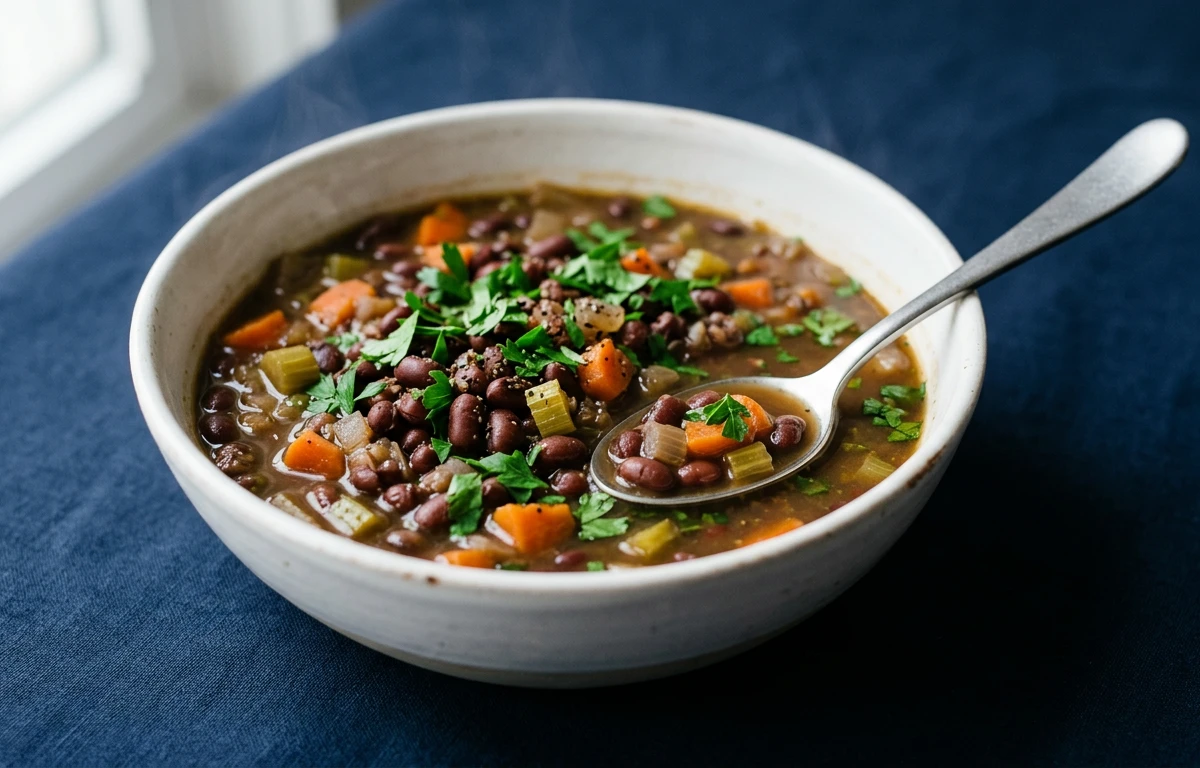
Move beyond the sweet stuff. Here are three simple, savory ways to make adzuki beans a regular part of your rotation.
Want more plant-based protein in your week — without the planning?
Our meal planner can build a balanced week featuring high-protein foods like adzuki beans, with portions and macros already calculated and a single grocery list at the end.
Build my weekly plan →SOURCES & REFERENCES · 3
One more thing
Eating well is rarely about willpower. It’s about having a short list of dinners you actually want to eat. Pick two from this list. Make them next week. The rest will follow.
If you want these on autopilot, our weekly meal planner can drop the picks above into your calendar with one click and build a single grocery list from the merged ingredients.
FREQUENTLY ASKED QUESTIONS
Frequently asked questions
Are adzuki beans good for people with diabetes?
Yes, they are an excellent choice. Their high fiber and protein content, combined with a low glycemic index, helps to slow down sugar absorption and promote stable blood glucose levels.
Are adzuki beans high in protein?
Yes. At nearly 20 grams of protein per 100g of dry beans (which cooks up to about 225g or 1.5 cups), they are one of the higher-protein legumes available and a fantastic plant-based protein source.
Do you have to soak adzuki beans before cooking?
You don't have to, but it's a good idea. Soaking reduces cooking time and can make the beans easier to digest. If you skip soaking, just plan on a longer simmering time.
Are adzuki beans the same as red kidney beans?
No, they are different. Adzuki beans are smaller, rounder, and have a nuttier, slightly sweeter flavor. Kidney beans are larger, shaped like a kidney, and have a milder flavor and softer texture when cooked. Kidney beans also contain a toxin that must be destroyed by boiling, a step not as critical for adzuki beans.
METHODOLOGY
How this article was created
Built using verified nutrition databases, culinary research, and traditional cooking knowledge — every claim is cross-referenced against the sources listed in the article.
· USDA data· Culinary research· Quality reviewed
Read our methodology →TRANSPARENCY
About this content
Articles are curated using trusted food databases (USDA FoodData Central, IFCT), culinary literature, and dietary guidelines, then structured by our editorial team for clarity, accuracy, and usefulness.
· Verified data sources· Culinary research· Quality reviewed
Read our editorial policy →RELATED RECIPES
Cook from this article
EXPLORE OUR MEALS
Meals that fit this article

AMERICAN · 1677 CAL
Almonds with Sliced Apple + supplement + iron

MEDITERRANEAN · 809 CAL
Greek Yogurt with Berries Almonds and Granola + supplement + iron

GENERAL_HEALTHY · 705 CAL
Banana with Peanut Butter Pregnancy + supplement + iron

MODERN · 982 CAL
Hummus with Crudits and Pita with Fresh Orange Snack + supplement + iron
TAGGED
KEEP READING