Let's be honest, nobody gets excited about a can of beans. But cannellini beans deserve a little more love. These creamy white beans are one of the most underrated staples in the pantry. They're not just filler for soup; they're a surprisingly hefty source of plant-based protein and fiber, all with barely any fat. The trick is to stop thinking of them as a boring carb and start seeing them for what they are: a satisfying, low-glycemic food that makes almost any meal better.
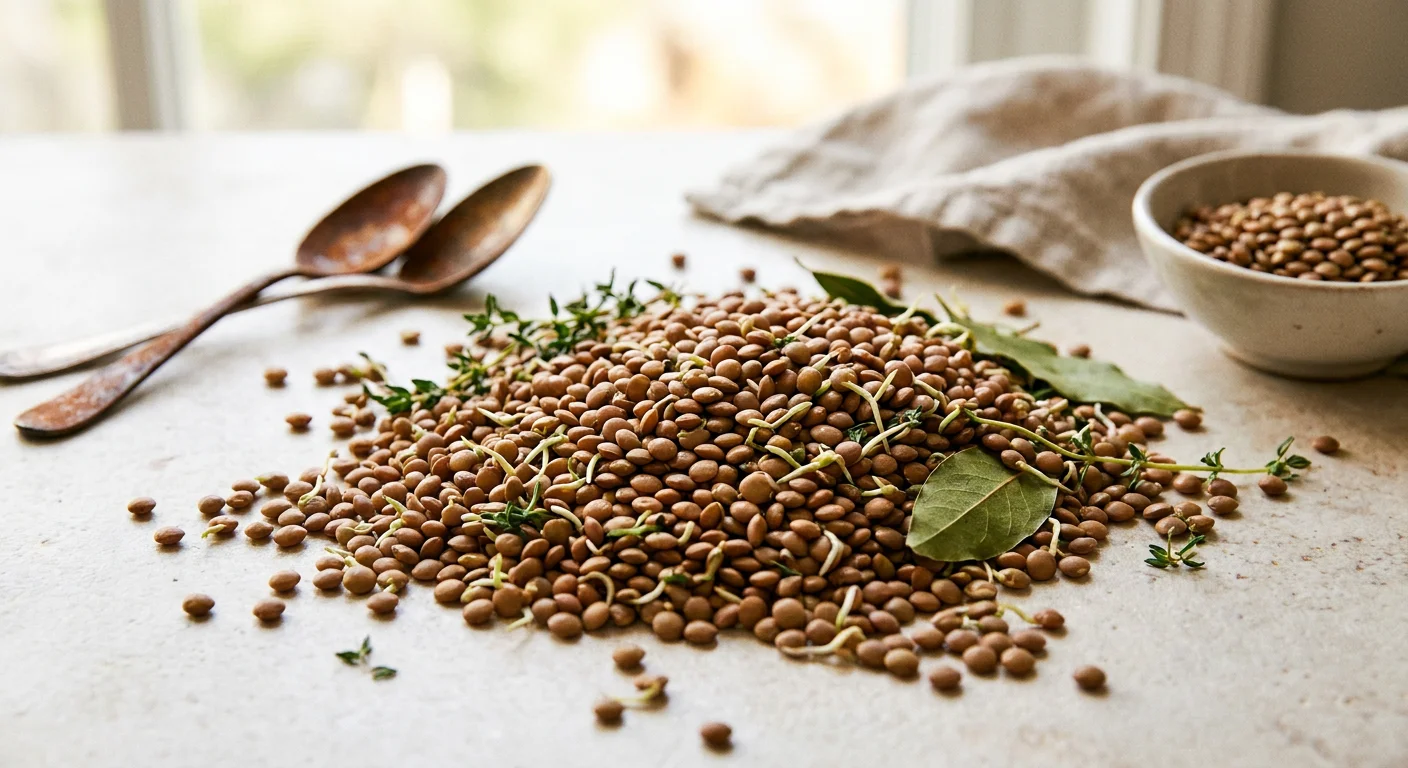
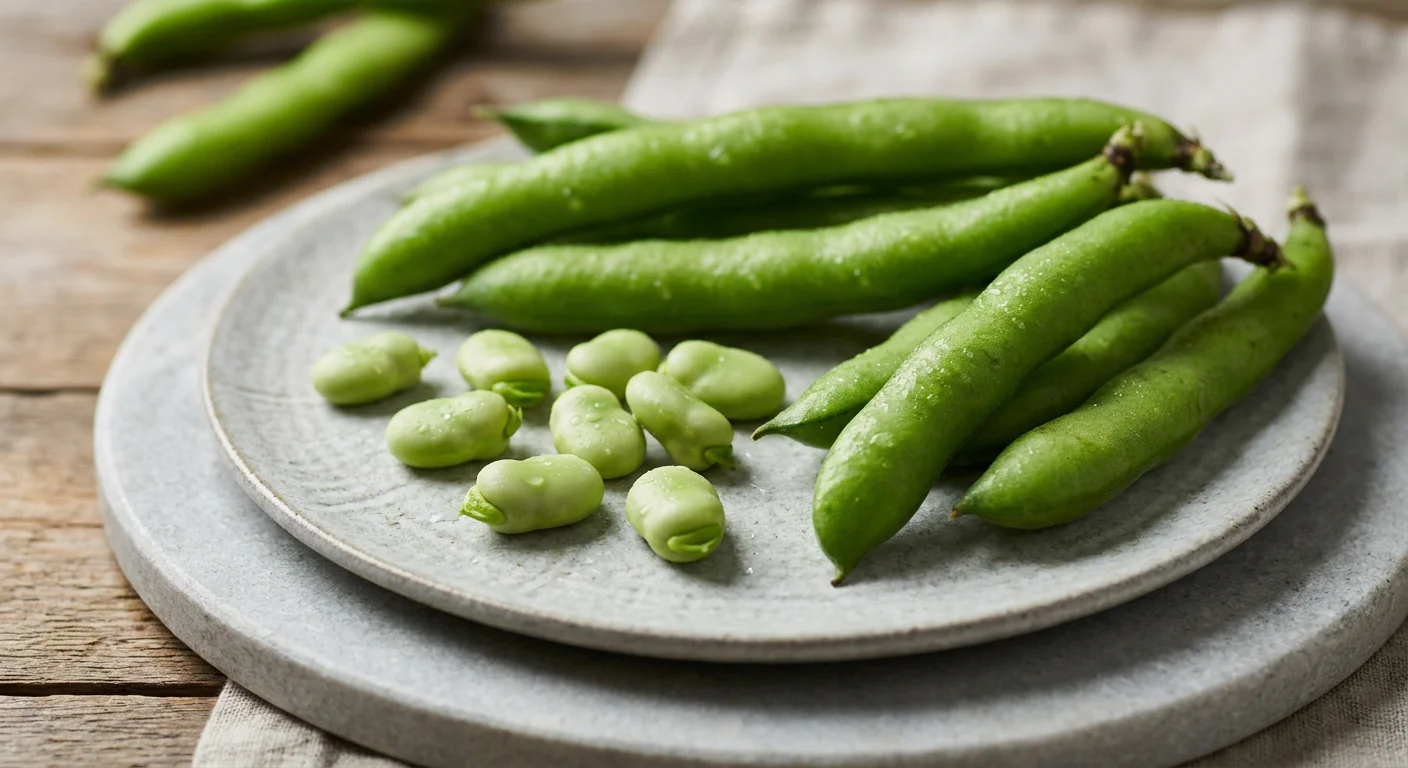
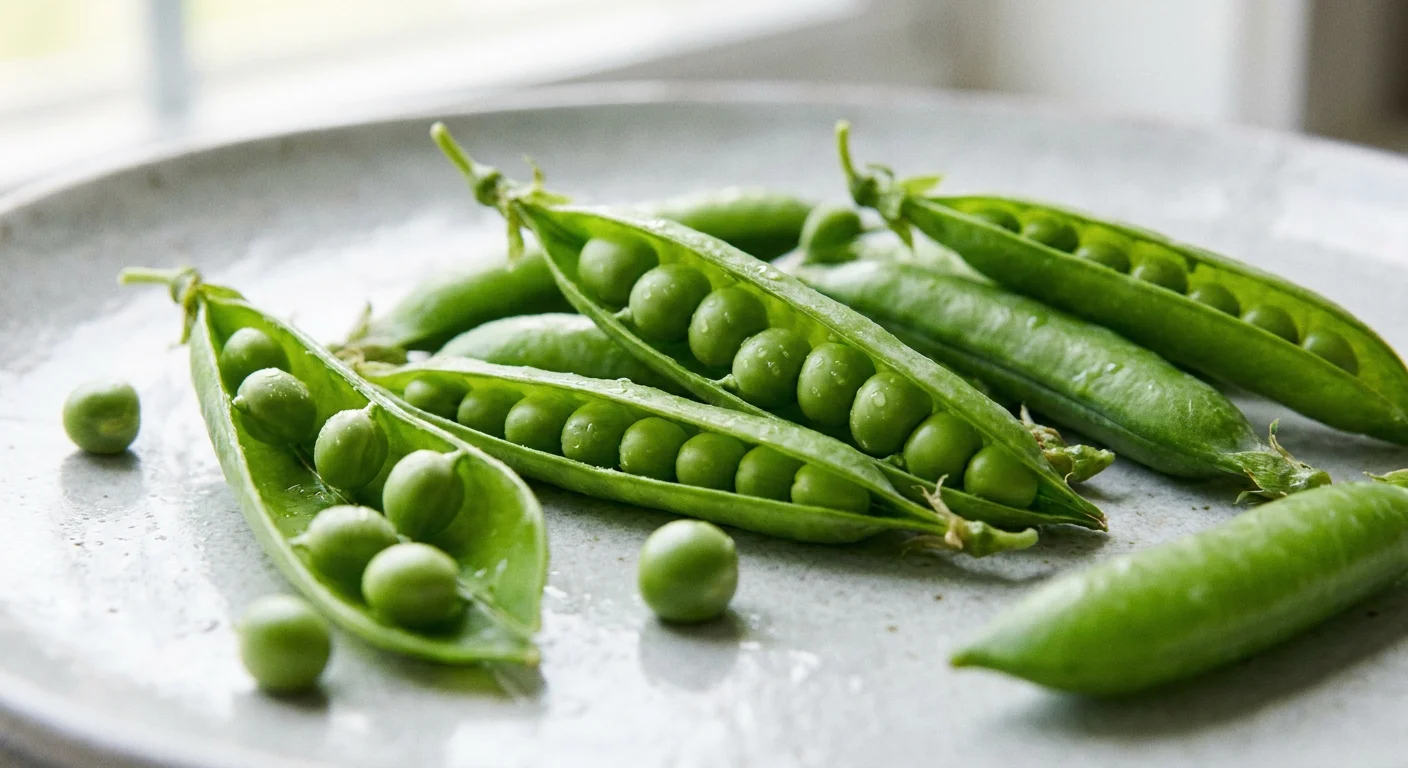
↑ Cannellini beans are a pantry workhorse, ready for soups, salads, and dips.
The creamy, quiet workhorse
Also known as white kidney beans, cannellini beans are popular in Italian cooking for a reason. They have a mild, nutty flavor and a texture that's firm enough to hold its shape in a soup, but soft enough to break down into a ridiculously creamy dip. You'll almost always find them pre-cooked in a can, which makes them one of the fastest, healthiest ingredients you can own.
Their superpower is their versatility. They don't shout for attention. Instead, they absorb the flavors of whatever you cook them with — garlic, rosemary, a good olive oil — while adding substance, protein, and a whole lot of fiber to the meal.
IN A NUTSHELL
Packed with plant protein and fiber, these low-fat beans are a smart, low-glycemic way to make any meal more filling and nutritious.
Cannellini bean nutrition facts
Here's the nutritional breakdown for a 100-gram serving of cooked cannellini beans, which is about half a can, drained.
The two numbers that really matter here are protein and fiber. Nearly 10 grams of protein and over 6 grams of fiber is a fantastic combination for fullness, blood sugar stability, and gut health. This is what makes beans so different from other carbohydrate sources like bread or pasta. You're getting the energy, but it comes with a built-in braking system.
The deal with carbs & glycemic index
Seeing '25 grams of carbs' can scare some people off, but it shouldn't. A quarter of that is fiber, which doesn't get digested and doesn't raise blood sugar. The remaining carbohydrate is absorbed slowly, precisely because of all that protein and fiber it's packaged with.
While there isn't a precise, universally agreed-upon glycemic index number for canned cannellini beans, all legumes consistently fall into the low-GI category. They simply don't cause the rapid blood sugar spikes you see with refined grains. They provide steady, sustained energy.
GLYCEMIC INDEX · BEANS vs COMMON FOODS
Cannellini beans have a low glycemic impact
Cannellini Beans
legume
LOW
Apple
whole fruit
LOW
Pineapple
whole fruit
MEDIUM
White bread
refined
HIGH
Cornflakes
refined
HIGH
SCALE 0–90
04590
How to use them right
Getting the most out of a can of cannellini beans is easy. Just a few simple steps make a world of difference.
01
Always rinse them.
Pour the can into a sieve and rinse under cold water. This washes away the starchy canning liquid and can reduce the sodium by up to 40%.
02
Mash them for creaminess.
For a creamy texture in soups without adding dairy, just mash some of the beans with a fork or a potato masher before adding them back to the pot.
03
Don't be shy with seasoning.
Their mild flavor is a blank canvas. They need salt, acid (like lemon juice or vinegar), and aromatics (like garlic, herbs, or spices) to really shine.
04
Pair with a grain.
Combining beans with a whole grain like brown rice or whole-wheat bread provides all the essential amino acids, forming a 'complete protein'.
05
Blend them into a dip.
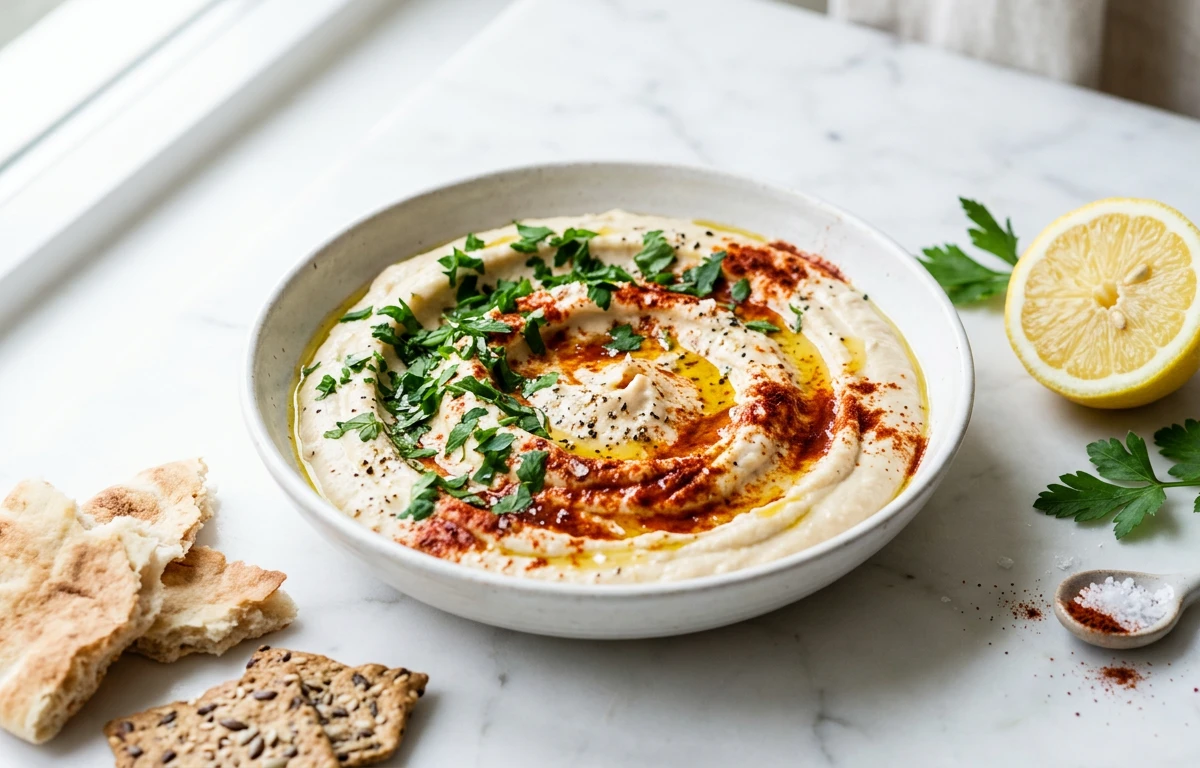
A can of beans, some olive oil, garlic, and lemon juice in a blender makes a fantastic, high-protein alternative to hummus.
What cannellini beans are good for
01
Serious plant-based protein
With nearly 10 grams of protein per 100g serving, cannellini beans are a powerful building block for muscle, and help keep you feeling full for hours.
9.7g
protein
02
A superstar for gut health
The 6.3 grams of fiber, much of it soluble, acts as a prebiotic to feed beneficial gut bacteria and support a healthy digestive system.
6.3g
fiber
03
Promotes steady blood sugar
The potent combination of fiber and protein slows down digestion, preventing the sharp spikes and crashes in blood sugar associated with refined carbs.
Low
glycemic
04
A heart-healthy choice
They are naturally very low in fat and contain no cholesterol. The soluble fiber also actively helps to lower LDL ('bad') cholesterol levels.
0.5g
fat
What to pair cannellini beans with
Their mildness is their strength. Cannellini beans happily take a backseat, letting their partners' flavors lead the way.
Who are they for?
Three easy ways to use them
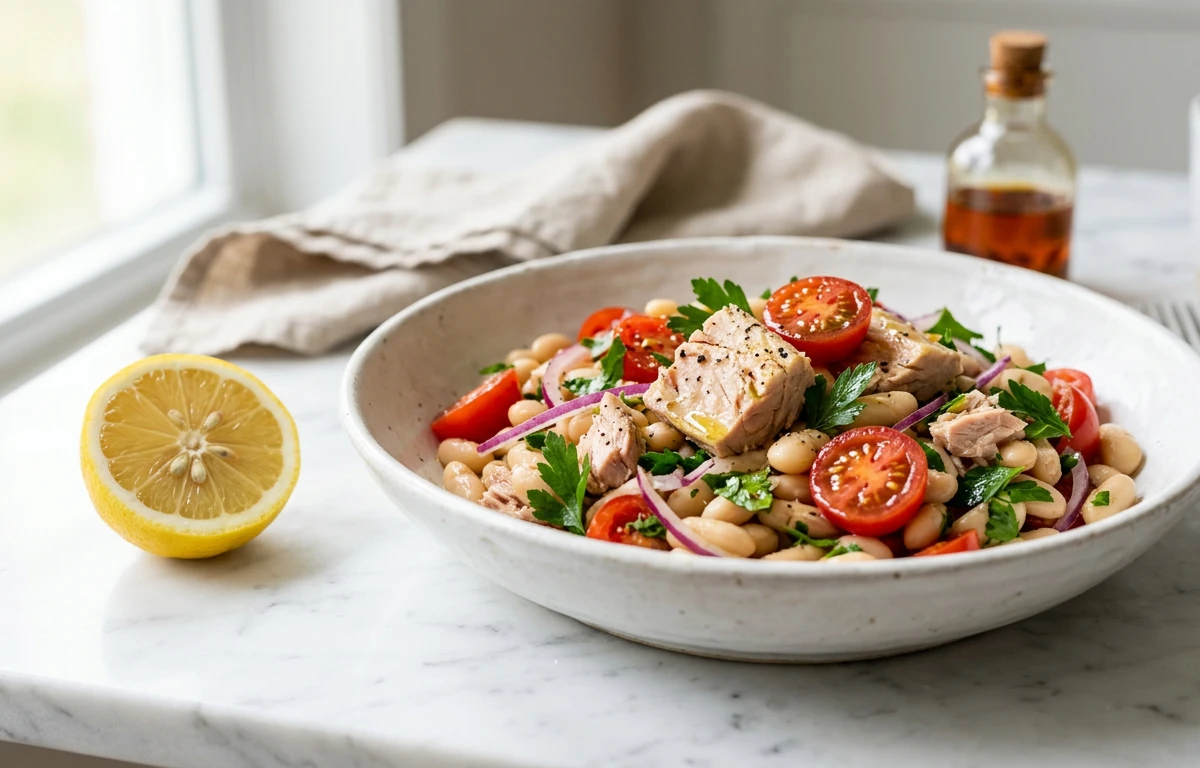
Go beyond just adding them to minestrone. These three recipes show how versatile cannellini beans can be.
Want more high-fiber, high-protein meals in your week?
Our meal planner makes it easy to build a balanced week with satisfying ingredients like cannellini beans. Get macros, smart pairings, and a single grocery list automatically.
Build my weekly plan →SOURCES & REFERENCES · 3
One more thing
Eating well is rarely about willpower. It’s about having a short list of dinners you actually want to eat. Pick two from this list. Make them next week. The rest will follow.
If you want these on autopilot, our weekly meal planner can drop the picks above into your calendar with one click and build a single grocery list from the merged ingredients.
FREQUENTLY ASKED QUESTIONS
Frequently asked questions
Are cannellini beans good for weight loss?
Yes, they are excellent for weight management. The combination of high protein (9.7g) and high fiber (6.3g) is very satiating, helping you feel full and stay full for longer on fewer calories.
Are cannellini beans high in carbs?
They contain 25 grams of carbs per 100g, but this isn't the whole story. Over 6 grams of that is fiber, which isn't digested. The carbs they do have are complex and digested slowly, making them a low-glycemic food that provides steady energy.
Do I need to soak canned cannellini beans?
No. Canned beans are already cooked and ready to eat. You only need to soak beans if you are buying them dried. However, you should always rinse canned beans to remove excess sodium and starch.
Are cannellini beans and white kidney beans the same thing?
Yes. Cannellini is the Italian name for white kidney beans. They are the largest of the white bean family and are prized for their creamy texture and ability to hold their shape when cooked.
METHODOLOGY
How this article was created
Built using verified nutrition databases, culinary research, and traditional cooking knowledge — every claim is cross-referenced against the sources listed in the article.
· USDA data· Culinary research· Quality reviewed
Read our methodology →TRANSPARENCY
About this content
Articles are curated using trusted food databases (USDA FoodData Central, IFCT), culinary literature, and dietary guidelines, then structured by our editorial team for clarity, accuracy, and usefulness.
· Verified data sources· Culinary research· Quality reviewed
Read our editorial policy →RELATED RECIPES
Cook from this article
EXPLORE OUR MEALS
Meals that fit this article

AMERICAN · 1677 CAL
Almonds with Sliced Apple + supplement + iron

MEDITERRANEAN · 809 CAL
Greek Yogurt with Berries Almonds and Granola + supplement + iron

GENERAL_HEALTHY · 705 CAL
Banana with Peanut Butter Pregnancy + supplement + iron

MODERN · 982 CAL
Hummus with Crudits and Pita with Fresh Orange Snack + supplement + iron
TAGGED
KEEP READING