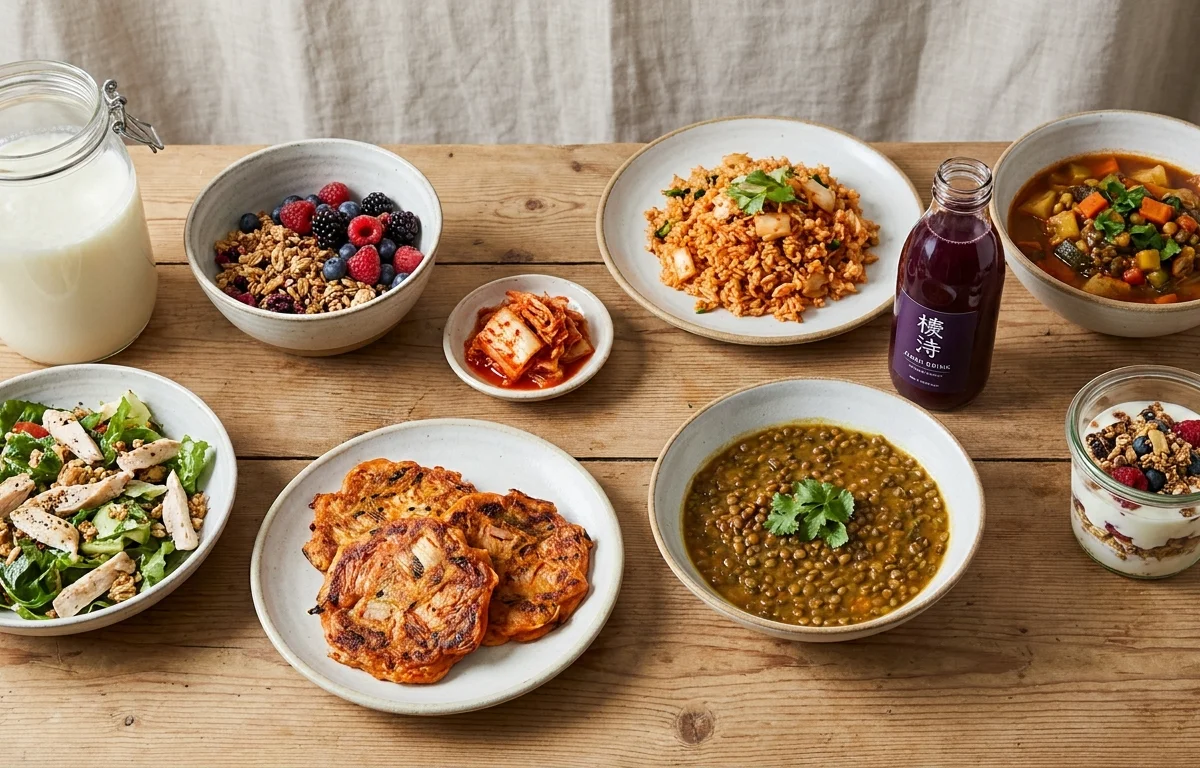
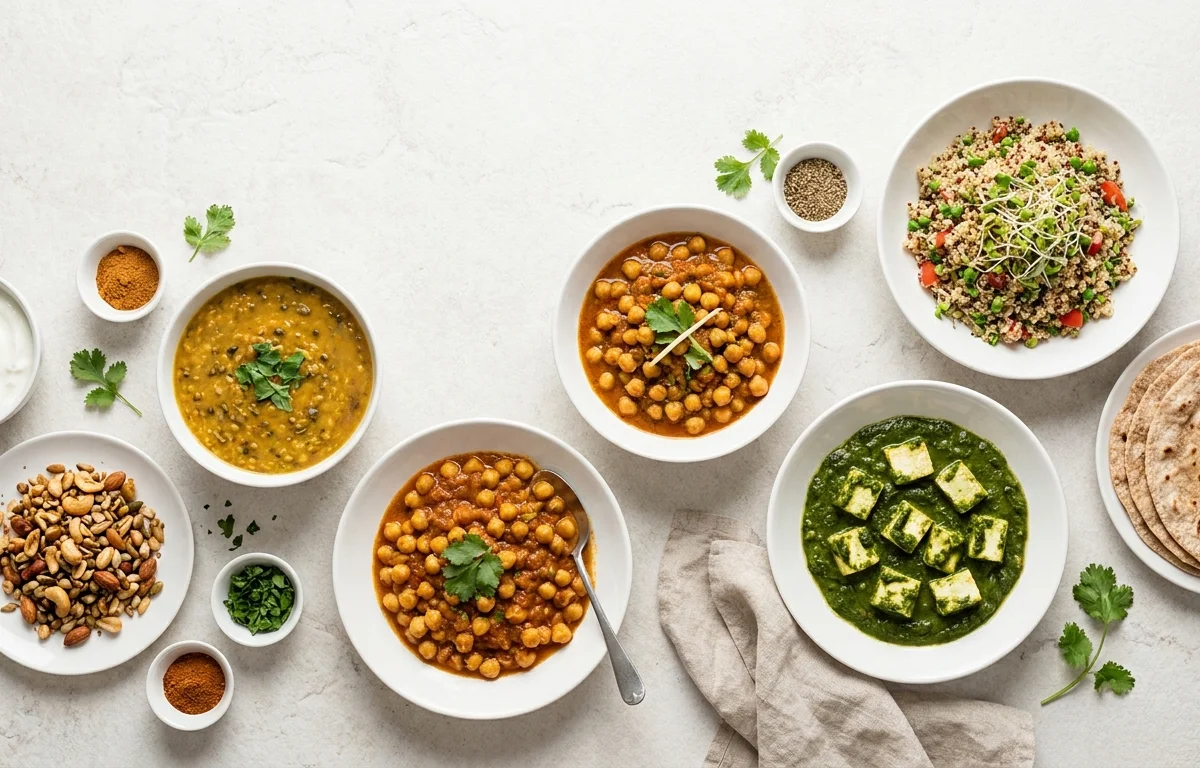
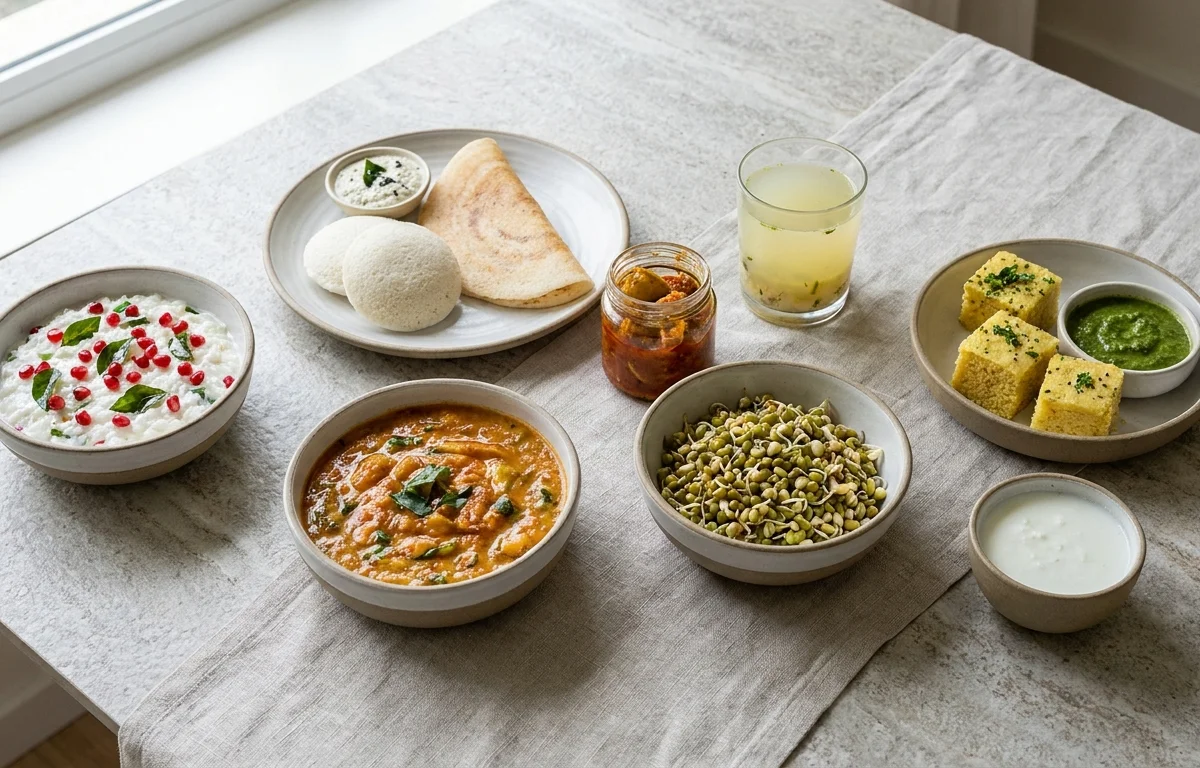
Calorie Deficit Indian Diet: How to Eat Less Without Giving Up Roti and Rice
You don't have to give up roti and rice to lose weight. The deficit plate rebuilt, seven practical levers, high-impact swaps, and a 7-day Indian plan.
Loading...
You don't have to give up roti and rice to lose weight. The deficit plate rebuilt, seven practical levers, high-impact swaps, and a 7-day Indian plan.

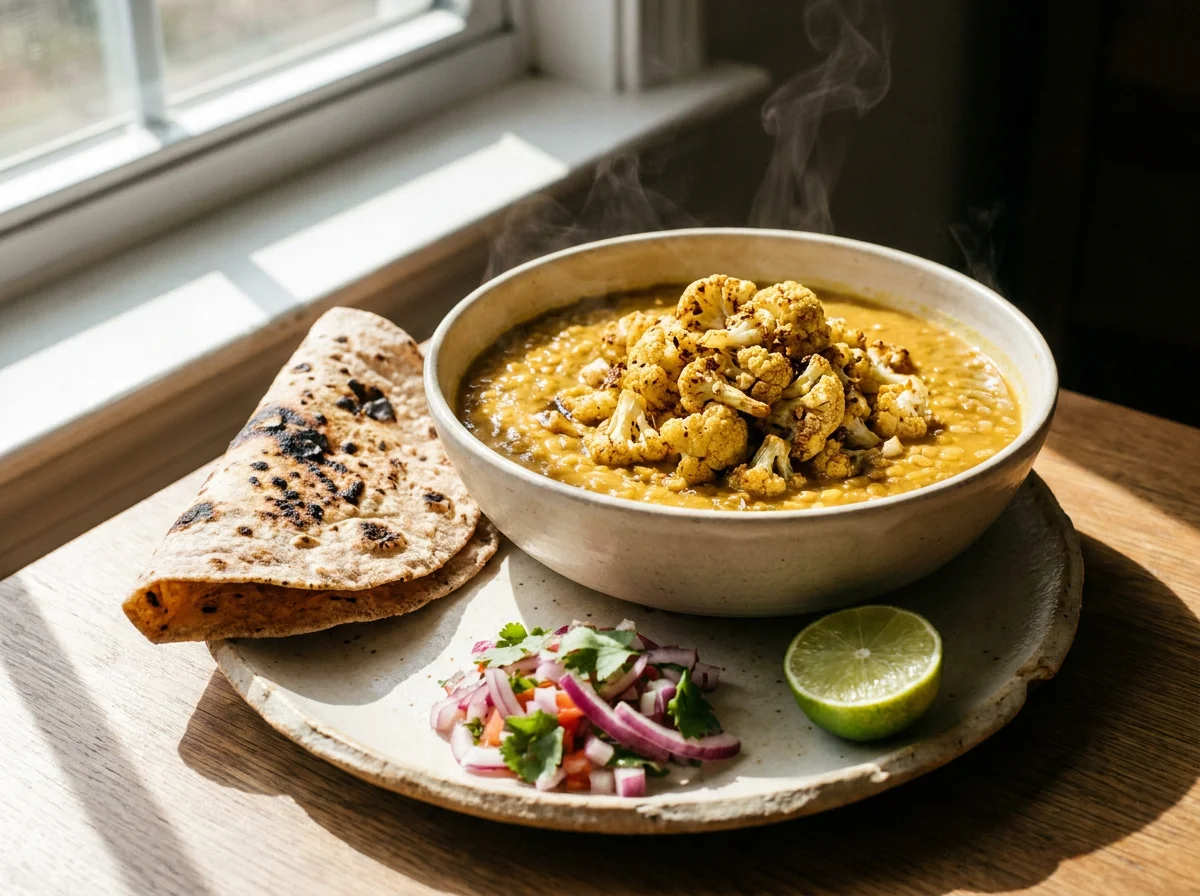
Somewhere along the way, “calorie deficit” got tangled up with “give up everything you love.” It doesn’t have to. A deficit simply means eating a bit less energy than you burn — and you can do that while keeping roti and rice on the table, eating dal and sabzi you actually enjoy, and never going hungry on sad salads. The trick is rebuilding the plate around protein and vegetables, trimming the invisible calories, and right-sizing your staples rather than banishing them. Here’s exactly how.
Weight loss comes down to one principle: a calorie deficit, where you consume slightly less energy than your body uses, so it draws on stored fat for the difference. That’s the whole mechanism. No specific food causes or prevents weight loss on its own — roti and rice included. What matters is your total intake over the day and week.
A sensible deficit is moderate, not brutal. Around 500 calories below your maintenance level per day produces roughly half a kilo of fat loss a week — fast enough to see progress, slow enough to keep your energy, muscle, and sanity. Crash deficits backfire: you lose muscle, feel miserable, and rebound. Slow and steady is the version that actually works.
Roti and rice aren’t fattening — eating more calories than you burn is. A controlled portion of either fits comfortably inside a calorie deficit. In fact, cutting your staples entirely is what derails most people: meals feel incomplete, cravings build, and the diet collapses. Keeping familiar, satisfying foods in sensible amounts is what makes a deficit sustainable.
The shift isn’t elimination — it’s proportion. Instead of a plate that’s mostly rice with a little dal, you build a plate that’s mostly vegetables and protein with a sensible serving of rice or roti alongside. Same foods, different ratios. You eat fewer calories, stay fuller, and never feel deprived.
Here’s the whole strategy in one image. Fill half your plate with vegetables, a quarter with protein, and a quarter with roti or rice. You’ll eat fewer calories without counting a thing, because the high-volume, high-fiber, high-protein foods fill you up while the calorie-dense staple is portioned sensibly.
These are the high-impact moves that create a deficit while keeping your meals familiar and filling. You don’t need all seven — even a few add up.
Small substitutions that cut calories while keeping meals satisfying and familiar.
A week of familiar Indian meals built around the deficit plate — roti and rice included, protein and vegetables leading. Portions are moderate; scale to your own target.
Almost nobody fails their diet because they ate rice. They fail because the diet told them to stop, so they white-knuckled it for two weeks and quit. Keep your staples, shrink the portion, build the plate around protein and veg — that’s a deficit you can actually live with.
— Priya Sharma, RD
Tell our planner your goal and your favourite foods, and it builds a calorie-deficit week of familiar Indian meals — roti and rice included, protein and vegetables leading, portions worked out — with a grocery list. A deficit you can actually live with.
Build my deficit week →You can lose weight on a normal Indian plate — roti and rice included. A deficit of about 500 calories a day is roughly half a kilo a week [1]; you reach it by watching the most calorie-dense thing in the kitchen, oil and ghee [2], leaning on fiber-rich whole grains like brown rice and millet over refined ones [3][4], and letting protein and fiber keep you full on smaller portions [5]. Lead with vegetables and protein, moderate the staples, and cut the sugary drinks [6]. Pick two or three swaps and start this week.
Built using verified nutrition databases, culinary research, and traditional cooking knowledge — every claim is cross-referenced against the sources listed in the article.
Articles are curated using trusted food databases (USDA FoodData Central, IFCT), culinary literature, and dietary guidelines, then structured by our editorial team for clarity, accuracy, and usefulness.