Let's be honest, macadamia nuts feel like an indulgence. That buttery, almost creamy crunch makes them seem more like a treat than a health food. And yes, they are incredibly rich in fat and calories. But here's the plot twist: the vast majority of that fat is the good kind, the monounsaturated type that your heart and brain love. They're a perfect example of why you can't judge a food by its calorie count alone. The trick isn't to avoid them, but to understand them — and a small handful is all you need.
↑ That buttery texture comes from a high concentration of healthy monounsaturated fats.
The buttery powerhouse
Macadamia nuts have a reputation for being luxurious, and their price tag often reflects that. But nutritionally, they're far from being just empty calories. They are one of the highest-fat nuts, which sounds like a bad thing until you look closer. Over 80% of the fat in macadamias is monounsaturated — the same heart-healthy type you find in olive oil.
They're also surprisingly low in carbohydrates and have a decent amount of fiber. So, instead of thinking of them as a 'fattening' nut, it's better to see them as a tiny, crunchy, satisfying dose of healthy fats and fiber that can actually support your health goals when eaten in the right amount.
IN ONE LINE
Macadamia nuts are a low-carb, high-fiber nut packed with monounsaturated fats. The key is portion control — a quarter-cup is a perfect, satisfying serving.
Macadamia nut nutrition facts
Here's the nutritional profile for a 100-gram serving (about 3/4 cup), which is quite a large portion. Most people would eat a smaller amount, like a quarter cup.
Are macadamia nuts too fatty?
It's the first thing everyone notices: 76 grams of fat per 100 grams. For decades, we were taught to fear fat, but that's an outdated idea. The type of fat matters more than the amount. Macadamias are packed with oleic acid, a monounsaturated fat that studies have linked to improved heart health and lower levels of inflammation. This is the same fat that makes olive oil so healthy. So, while they are high in fat and calories, it's a high-quality, functional fat that your body can use. The key, as always, is not to eat an entire bag in one sitting.
WATCH OUT
Watch out for macadamias that are heavily salted, honey-roasted, or covered in chocolate. These additions can quickly add unnecessary sugar and sodium, undermining the nuts' natural benefits.
Macadamia's glycemic index
While there isn't an official, universally cited glycemic index (GI) value for macadamia nuts, we don't really need one. With only about 14 grams of carbs and nearly 9 grams of fiber per 100g, their impact on blood sugar is tiny. The high fat and fiber content slows down digestion and the absorption of any carbohydrates present, leading to a very stable blood sugar response. For all practical purposes, they are a very low-GI food, making them an excellent choice for anyone managing blood sugar.
GLYCEMIC INDEX · CONTEXT FOR LOW-CARB FOODS
Macadamias have a minimal carb impact
Macadamia Nuts
very low carb
LOW
Cherries
whole fruit
LOW
Apple
whole fruit
LOW
Pineapple
whole fruit
MEDIUM
White Bread
refined
HIGH
SCALE 0–90
04590
The smart way to eat them
01
Stick to a handful.
A quarter-cup (about 1 ounce or 28g) is a perfect serving. It gives you all the benefits without overloading on calories.
02
Choose raw and unsalted.
This gives you the pure nutritional benefit without added sodium or oils from roasting.
03
Use them as a fat source.
Think of them less as a snack and more as a component of a meal. Sprinkle on a salad or yogurt to add healthy fats and crunch.
04
Make macadamia milk or butter.
Soak and blend them with water for a creamy, dairy-free milk, or process them into a rich, single-ingredient nut butter.
What macadamias are good for
01
Supporting heart health
They are one of the richest sources of monounsaturated fats (MUFAs), which are known to lower LDL (bad) cholesterol and support overall cardiovascular health.
~60g
MUFA per 100g
02
Excellent for blood sugar control
With very few carbs and a high fiber and fat content, macadamias have a minimal impact on blood sugar, making them ideal for diabetics and low-carb diets.
Low
Glycemic Load
03
Providing antioxidant power
Macadamias contain flavonoids and tocotrienols (a form of vitamin E), which act as antioxidants, fighting off cellular damage from free radicals.
Rich
Antioxidants
04
Boosting brain health
The healthy fats, particularly oleic acid and tocotrienols, are important for brain function and may help protect against neurodegenerative diseases.
High
Healthy Fats
What to pair them with
Their rich, buttery flavor pairs beautifully with both sweet and savory foods. Here are a few ideas to get you started.
Eat freely — or be mindful?
Three ways to use them
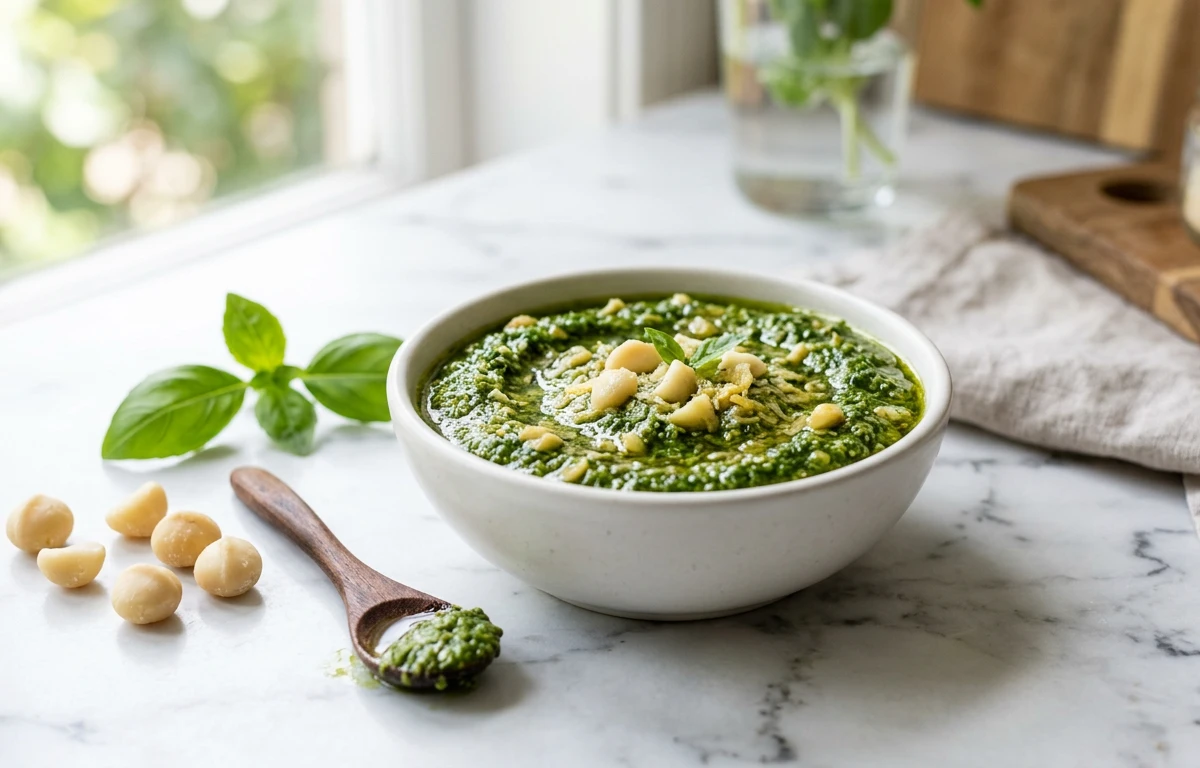
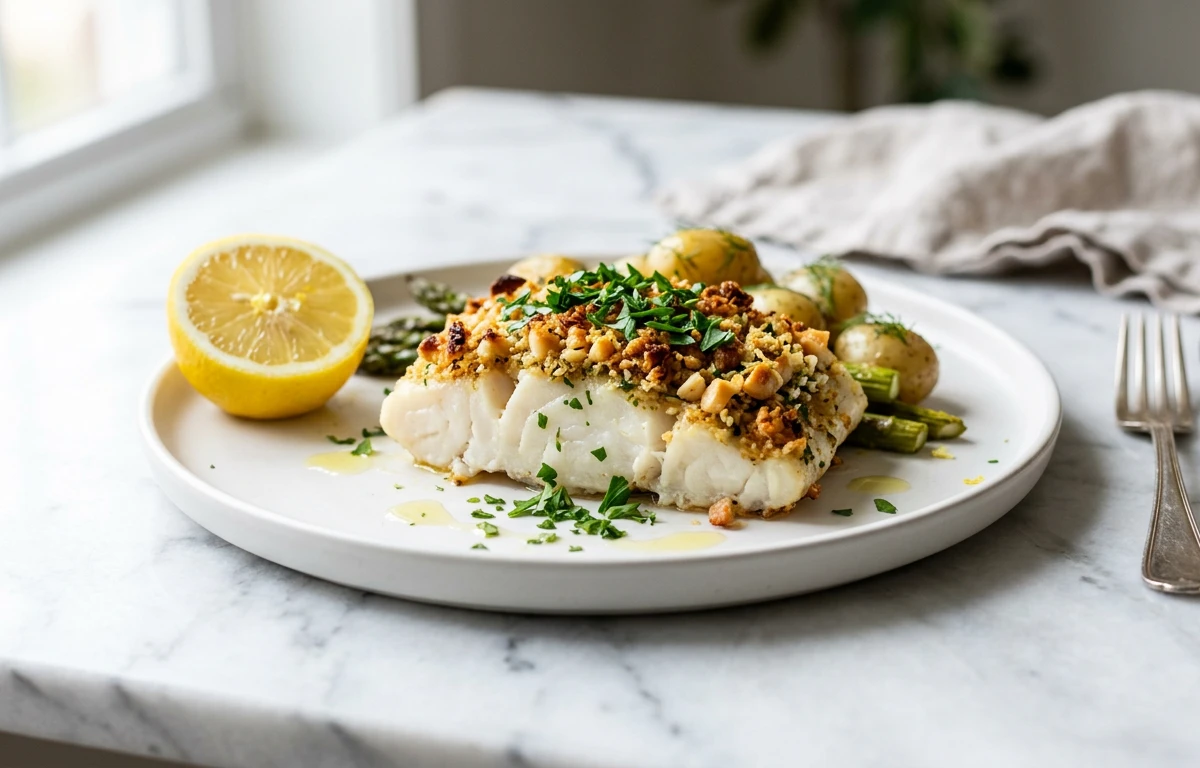
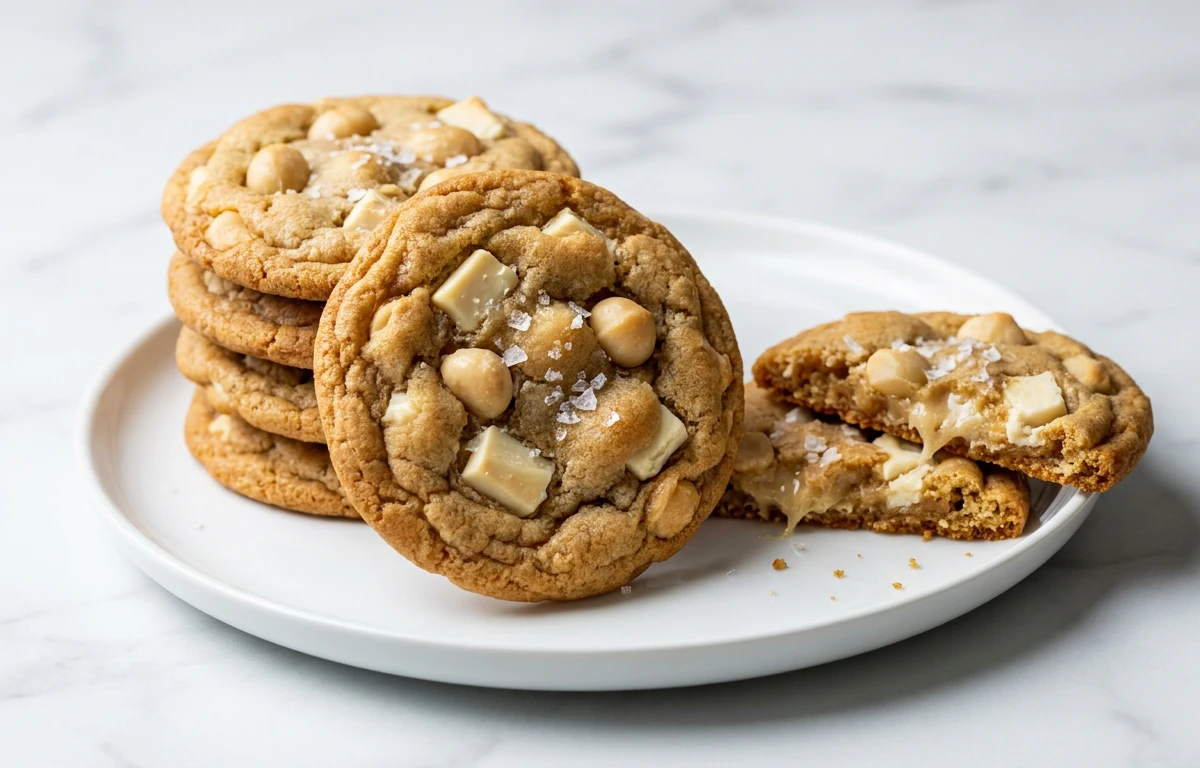
Beyond just snacking, macadamias are incredibly versatile in the kitchen.
Want healthy fats worked into a balanced week — without the planning?
Our meal planner incorporates foods like macadamia nuts in perfectly portioned ways, pairing them with fiber and protein for steady energy. We do the math so you don't have to.
Build my weekly plan →SOURCES & REFERENCES · 3
One more thing
Eating well is rarely about willpower. It’s about having a short list of dinners you actually want to eat. Pick two from this list. Make them next week. The rest will follow.
If you want these on autopilot, our weekly meal planner can drop the picks above into your calendar with one click and build a single grocery list from the merged ingredients.
FREQUENTLY ASKED QUESTIONS
Frequently asked questions
Are macadamia nuts good for weight loss?
They can be, but only if you're mindful of portions. They are very high in calories (around 215 per quarter cup). However, their fat, fiber, and protein can increase feelings of fullness, which might help you eat less overall. Stick to a small handful.
Can people with diabetes eat macadamia nuts?
Yes, they are an excellent choice. They are very low in carbohydrates and have a minimal effect on blood sugar levels. The healthy fats and fiber also contribute to better overall metabolic health.
Why are macadamia nuts so expensive?
Several factors contribute to their cost. The trees take many years to mature, the harvesting process is complex, and their hard shells are difficult to crack. Global demand, primarily from a few growing regions like Australia and Hawaii, also plays a role.
Is macadamia milk healthy?
Unsweetened macadamia milk can be a great dairy-free alternative. It's creamy and very low in carbs. Just be sure to check the label for added sugars, thickeners, or oils. Homemade is always a great option.
METHODOLOGY
How this article was created
Built using verified nutrition databases, culinary research, and traditional cooking knowledge — every claim is cross-referenced against the sources listed in the article.
· USDA data· Culinary research· Quality reviewed
Read our methodology →TRANSPARENCY
About this content
Articles are curated using trusted food databases (USDA FoodData Central, IFCT), culinary literature, and dietary guidelines, then structured by our editorial team for clarity, accuracy, and usefulness.
· Verified data sources· Culinary research· Quality reviewed
Read our editorial policy →RELATED RECIPES
Cook from this article
EXPLORE OUR MEALS
Meals that fit this article

AMERICAN · 1677 CAL
Almonds with Sliced Apple + supplement + iron

MEDITERRANEAN · 809 CAL
Greek Yogurt with Berries Almonds and Granola + supplement + iron

GENERAL_HEALTHY · 705 CAL
Banana with Peanut Butter Pregnancy + supplement + iron

MODERN · 982 CAL
Hummus with Crudits and Pita with Fresh Orange Snack + supplement + iron
TAGGED
KEEP READING