Pecans get stuck with a reputation for one thing: pie. And yes, they're magnificent baked with butter and sugar. But a raw pecan, straight out of the bag, is a completely different food. It's rich, buttery, and packed with the kind of healthy monounsaturated fat that dietitians get excited about. They're also surprisingly low in carbs and high in fibre. The trick isn't to see them as a dessert ingredient, but as a fatty, filling, everyday nut with some serious health credentials.
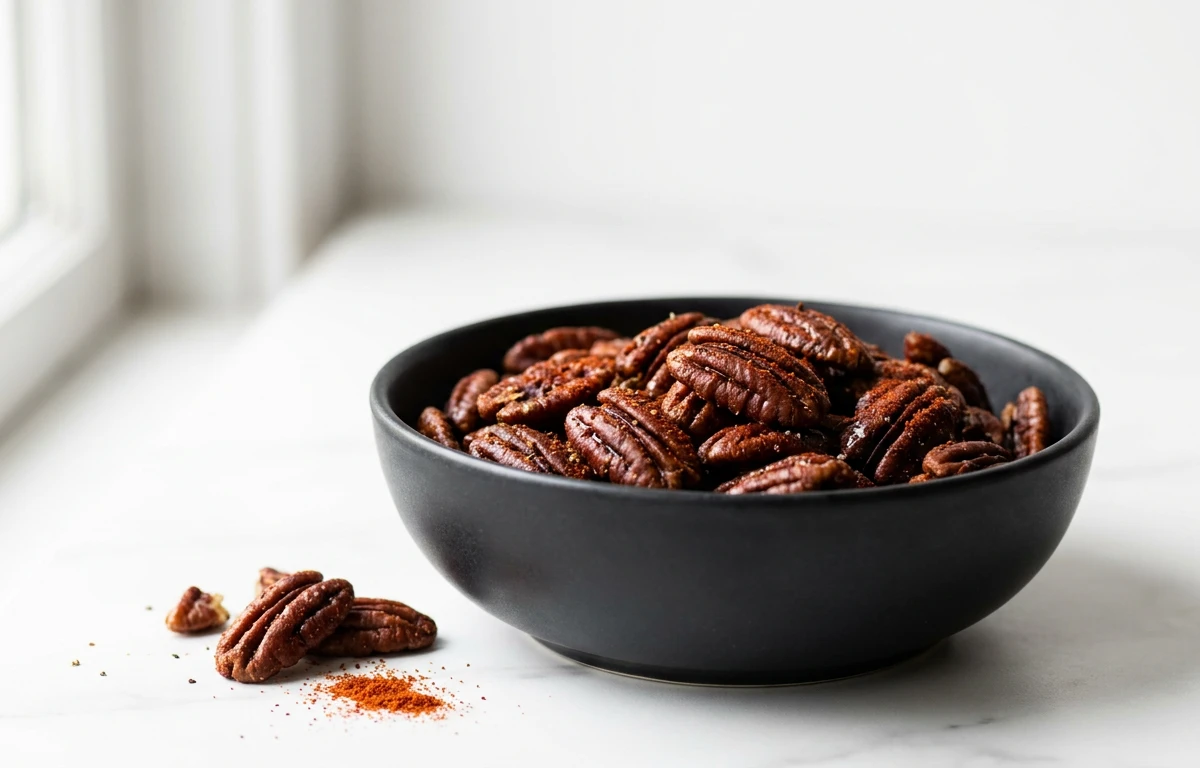
↑ A handful of pecans — mostly healthy fats, fiber, and very few carbs.
More than just pie-filling
Let's get this out of the way: pecans are mostly fat. And that's a good thing. The fat in pecans is overwhelmingly the monounsaturated kind, similar to what you find in olive oil. When you eat a handful of pecans, you're not just getting a buttery, satisfying snack; you're getting a dose of fibre, a little protein, and a combination of nutrients that's brilliant for keeping your blood sugar stable and your heart happy.
The theme of this profile is simple: forget the pie for a minute. A small handful of raw, unsalted pecans is one of the most nutritionally solid snacks you can reach for.
IN ONE LINE
A handful of pecans is a low-carb, high-fibre snack packed with heart-healthy monounsaturated fats. Just watch the portion size — they're calorie-dense.
Pecan nutrition facts
Here's what a 100-gram serving of raw pecans — a very large portion, about 3.5 ounces or a generous handful over three times — provides. Most of the time, you'll be eating a smaller 1-ounce (28g) serving.
The headline number is the fat: 72 grams. But look closer. The vast majority of that is the good stuff. Then there's the fiber — nearly 10 grams — which is huge. Subtract that fiber from the total carbs and you're left with just over 4 grams of net carbs, which is why pecans are a keto diet favorite.
Are pecans too fattening?
At nearly 700 calories per 100 grams, pecans are one of the most energy-dense foods around. So yes, if you eat them by the giant bowlful, you'll take in a lot of calories. But that's the wrong way to look at it. The combination of fat, fiber, and protein is incredibly satiating. A small handful (about an ounce, or 28 grams) is around 196 calories and is far more likely to keep you full until your next meal than a 200-calorie bag of pretzels. The fat isn't the enemy; the portion size is what matters.
Candied pecans are a different story. The added sugar and glossy coating turn a healthy nut into a confection. Enjoy them, but treat them like candy, not a health food.
Pecans' glycemic index
Glycemic index (GI) ranks how fast a food raises blood sugar. While many nuts don't have an official, tested GI value, we can say with confidence that pecans are a very low-GI food. Why? Because they have barely any digestible carbohydrate. They are mostly fat and fiber, two things that slow down digestion and have a minimal effect on blood sugar. For anyone managing blood sugar, pecans are a first-rate snack.
GLYCEMIC INDEX · PECANS vs COMMON FOODS
Pecans have a minimal effect on blood sugar
Pecans
very low carb
LOW
Cherries
whole fruit
LOW
Apple
whole fruit
LOW
White bread
refined
HIGH
Cornflakes
refined
HIGH
SCALE 0–90
04590
The smart way to eat them
Pecans are easy. But a few simple habits ensure you get the benefits without overdoing it on the calories.
01
Stick to a handful.
About 1/4 cup or 1 ounce (28g) is a standard serving. It's enough to be satisfying without packing in too many calories.
02
Choose raw or dry-roasted.
This gives you all the benefits without the added oils, salt, or sugar that often come with pre-packaged flavored nuts.
03
Use them as a condiment.
Sprinkle chopped pecans on oatmeal, salads, or yogurt. You get the crunch and flavor with a smaller calorie commitment.
04
Store them right.
The healthy fats in pecans can go rancid. Keep them in an airtight container in the fridge or freezer to keep them fresh.
What pecans are good for
01
Supporting heart health
Pecans are packed with monounsaturated fatty acids, a type of fat that's been shown to improve cholesterol levels and reduce the risk of heart disease.
72%
fat by weight
02
Excellent blood sugar control
With very few carbs and lots of fiber and fat, pecans have a minimal impact on blood sugar, making them an ideal snack for people with diabetes or insulin resistance.
~4g
net carbs / 100g
03
Aiding digestion and fullness
A 100g serving of pecans provides nearly 10 grams of dietary fiber, which helps promote regularity and keeps you feeling full and satisfied.
9.6g
fiber / 100g
04
Providing antioxidant compounds
Pecans contain vitamin E and other phenolic compounds that act as antioxidants, helping to protect your cells from damage caused by free radicals.
Rich in
polyphenols
What to pair pecans with
Pecans' buttery flavor makes them a versatile partner. They can go sweet or savory, and they add a satisfying crunch and richness to almost anything.
Eat freely — or be mindful?
Three ways to eat them
Three simple ways to work pecans into your week, moving them from a baking ingredient to a daily staple.
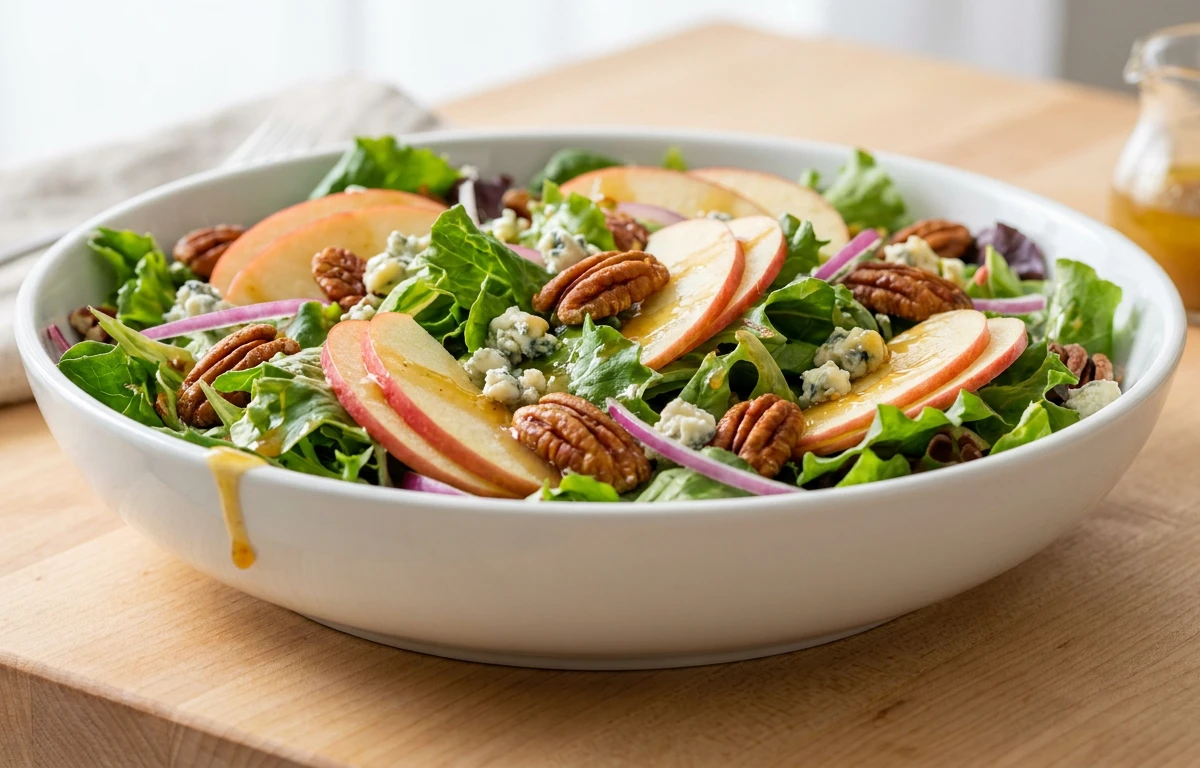
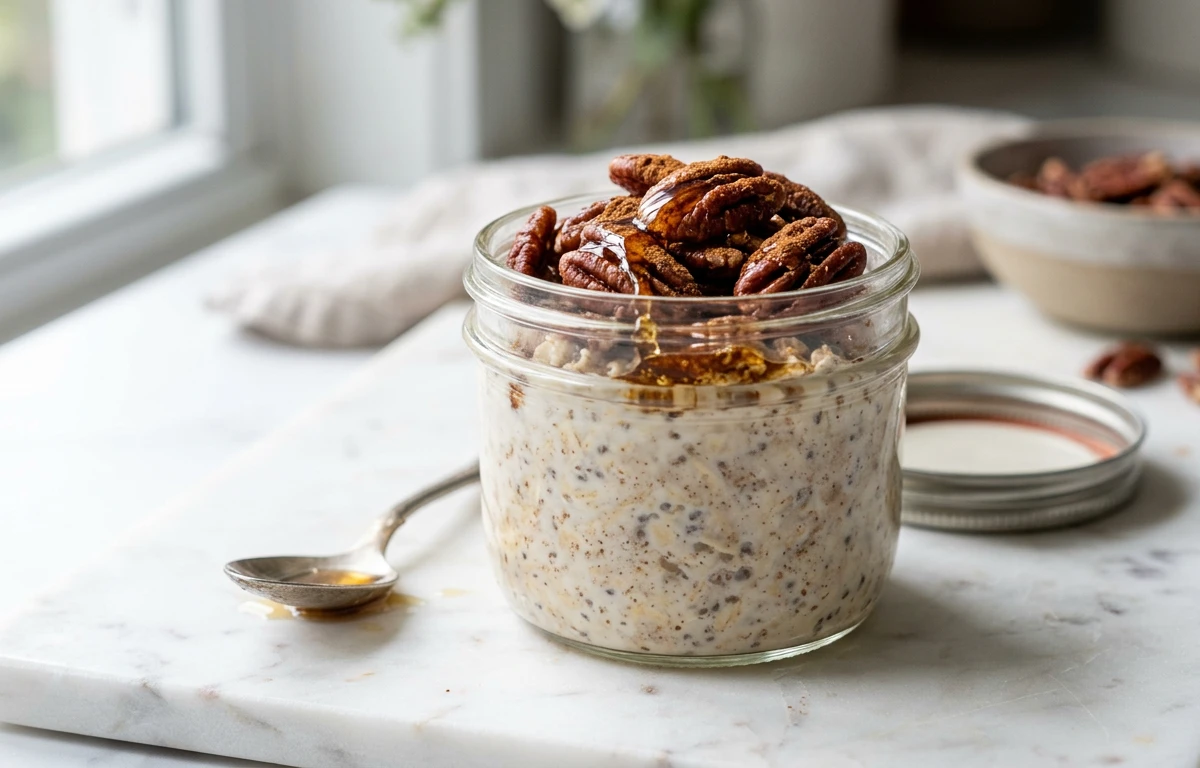
Want nuts and seeds worked into a balanced week — without the planning?
Our meal planner pairs high-fiber foods like pecans with protein and vegetables for steady energy, with portions and macros already calculated and a single grocery list at the end.
Build my weekly plan →SOURCES & REFERENCES · 3
One more thing
Eating well is rarely about willpower. It’s about having a short list of dinners you actually want to eat. Pick two from this list. Make them next week. The rest will follow.
If you want these on autopilot, our weekly meal planner can drop the picks above into your calendar with one click and build a single grocery list from the merged ingredients.
FREQUENTLY ASKED QUESTIONS
Frequently asked questions
Are pecans good for weight loss?
They can be, in moderation. While pecans are high in calories, their combination of fat, fiber, and protein is very filling, which can help prevent overeating later. The key is strict portion control—stick to a small handful (about 1 ounce or 28g).
Can people with diabetes eat pecans?
Yes, pecans are an excellent choice for people with diabetes. They are very low in carbohydrates and have a minimal effect on blood sugar levels. The healthy fats and fiber also help with overall blood sugar management.
How many pecans should I eat a day?
A standard serving is about 1 ounce, which is roughly 1/4 cup or a small handful (about 15-20 pecan halves). This portion provides the health benefits without adding excessive calories to your day.
Are raw or roasted pecans healthier?
Both are healthy. Raw pecans retain all their nutrients. Dry-roasting (roasting without oil) can enhance their flavor with minimal nutrient loss. The main thing to avoid is pecans roasted in unhealthy oils or coated in sugar and salt.
METHODOLOGY
How this article was created
Built using verified nutrition databases, culinary research, and traditional cooking knowledge — every claim is cross-referenced against the sources listed in the article.
· USDA data· Culinary research· Quality reviewed
Read our methodology →TRANSPARENCY
About this content
Articles are curated using trusted food databases (USDA FoodData Central, IFCT), culinary literature, and dietary guidelines, then structured by our editorial team for clarity, accuracy, and usefulness.
· Verified data sources· Culinary research· Quality reviewed
Read our editorial policy →EXPLORE OUR MEALS
Meals that fit this article

AMERICAN · 1677 CAL
Almonds with Sliced Apple + supplement + iron

MEDITERRANEAN · 809 CAL
Greek Yogurt with Berries Almonds and Granola + supplement + iron

GENERAL_HEALTHY · 705 CAL
Banana with Peanut Butter Pregnancy + supplement + iron

MODERN · 982 CAL
Hummus with Crudits and Pita with Fresh Orange Snack + supplement + iron
TAGGED
KEEP READING