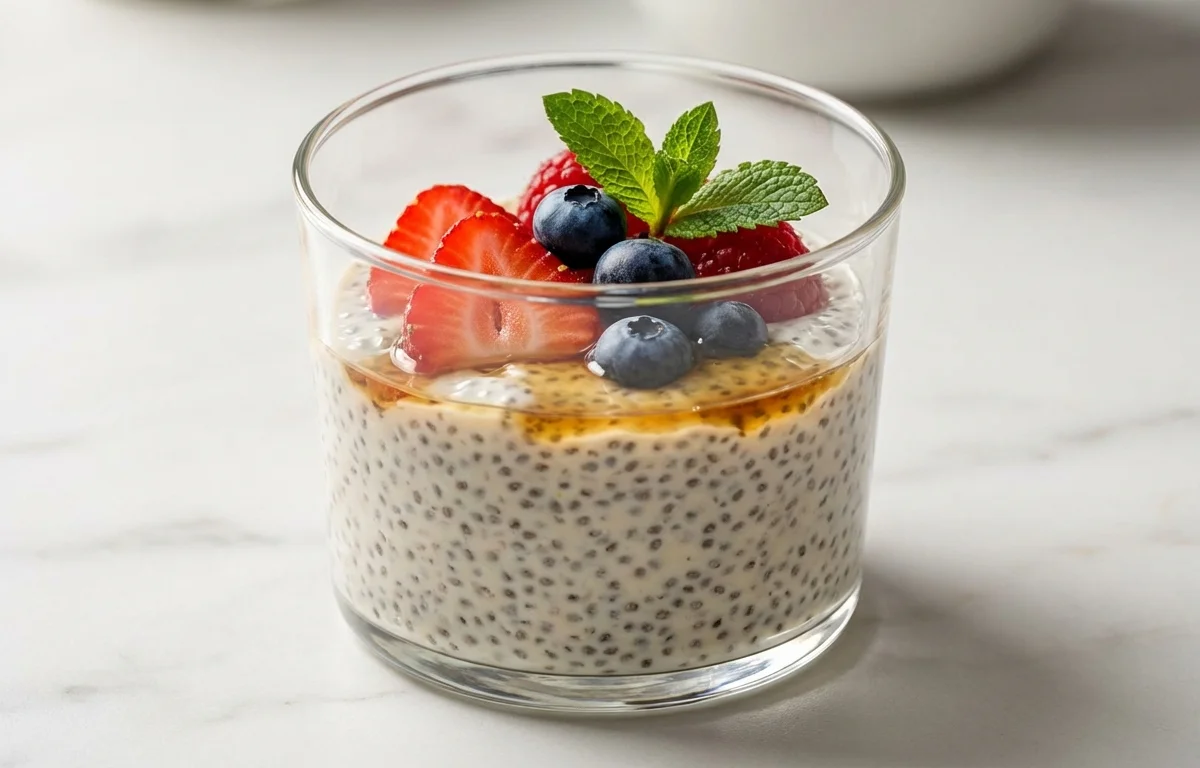
Let's be honest, the first time you saw chia pudding, you probably thought of frogspawn. It's okay, we all did. But get past the slightly weird, tapioca-like texture, and you find one of the most nutritionally dense foods on the planet. These tiny black and white specks are nutritional giants, packing in more fiber, omega-3s, and calcium than you'd ever expect. They're not just for pudding; they're a secret weapon for better digestion, steady energy, and making you feel full for hours.
↑ Tiny seeds, huge nutritional impact — a typical serving is just one or two tablespoons.
The tiny seed that gels
Chia seeds come from a desert plant, Salvia hispanica, and were a staple food for the Aztecs and Mayans. Their defining feature is a hydrophilic (water-loving) outer layer. When you mix them with liquid, they absorb up to 12 times their weight, forming a thick gel. This isn't just a kitchen trick; it's the key to many of their health benefits. That gel slows down digestion, keeps you hydrated, and makes you feel full. It's a tiny seed that punches way, way above its weight class.
IN ONE LINE
A two-tablespoon serving of chia seeds has almost 10 grams of fiber — about a third of your daily needs — and more omega-3s than salmon, gram for gram.
Chia seed nutrition facts
The numbers for chia are pretty staggering. While the official label data is for a large 100-gram portion (about 3/4 of a cup, which you'd never eat in one go), it shows just how concentrated the nutrients are. A more realistic daily serving is one or two tablespoons (about 14-28 grams).
The numbers that jump out are the fiber — a jaw-dropping 34.4 grams — and the fat. Most of that fat is the healthy, plant-based omega-3 alpha-linolenic acid (ALA), which is fantastic for heart and brain health. Also, notice the carbohydrates: of the 42.1 grams, 34.4 are fiber. This means the 'net carb' count is incredibly low, which is why chia has virtually no effect on blood sugar.
Chia's glycemic index
Glycemic index (GI) is often not even measured for chia seeds, because it's so low it's almost irrelevant. With the vast majority of its carbs being fiber, which isn't digested and doesn't raise blood sugar, its GI is functionally close to zero. This makes chia an absolute all-star for blood sugar management. The gelling action also slows the absorption of any other sugars you eat with it, like fruit in a smoothie, flattening the overall blood sugar curve of your meal.
GLYCEMIC INDEX · CHIA vs COMMON FOODS
Chia seeds have a negligible GI
Chia Seeds
soaked
LOW
Apple
whole fruit
LOW
Mango
whole fruit
LOW
White bread
refined
HIGH
Cornflakes
refined
HIGH
SCALE 0–90
04590
How to use chia seeds
Using chia seeds is easy, but there are a couple of ground rules to get the most out of them and avoid any, er, digestive surprises.
01
Soak them first.
The golden rule. Mix 1 part chia with 4 parts liquid (water, milk, juice) and let it sit for at least 15-20 minutes, or overnight. This 'blooms' the seeds, makes them easy to digest, and avoids any risk of them expanding in your throat.
02
Start small.
A standard serving is 1-2 tablespoons a day. If you're not used to this much fiber, start with one tablespoon and drink plenty of water to give your system time to adjust.
03
Use them as a thickener.
They're brilliant for thickening smoothies, making puddings, or creating a quick fruit jam without needing tons of sugar or pectin.
04
Sprinkle them on (almost) anything.
Once you're used to them, you can sprinkle chia seeds on yogurt, salads, oatmeal, or cottage cheese for a simple fiber and omega-3 boost.
What chia is good for
01
Spectacular source of fiber
With nearly 10g of fiber in two tablespoons, chia is a champion for digestive health, feeding good gut bacteria and promoting regularity.
9.6 g
fiber / 2 tbsp
02
Plant-based omega-3 powerhouse
Chia is one of the richest plant sources of ALA omega-3 fatty acids, which are crucial for fighting inflammation and supporting heart and brain health.
5 g
ALA / 2 tbsp
03
Supports bone health
They're surprisingly high in minerals essential for strong bones, including calcium, magnesium, and phosphorus — more calcium than milk, ounce for ounce.
48%
calcium DV / 100g
04
Excellent for blood sugar control
The combination of fiber, fat, and protein with virtually zero net carbs means chia seeds have a stabilizing effect on blood sugar levels.
<2 g
net carbs / 2 tbsp
05
Promotes fullness for weight management
The gelling fiber expands in your stomach, helping you feel full and satisfied for longer, which can help reduce overall calorie intake.
12x
water absorption
What to pair chia with
Chia's neutral taste means it plays well with almost everything. The key is to pair it with liquid and flavors you enjoy.
Eat freely — or be mindful?
Three ways to use them
Beyond just sprinkling them on things, here are three simple recipes that put chia seeds to work.
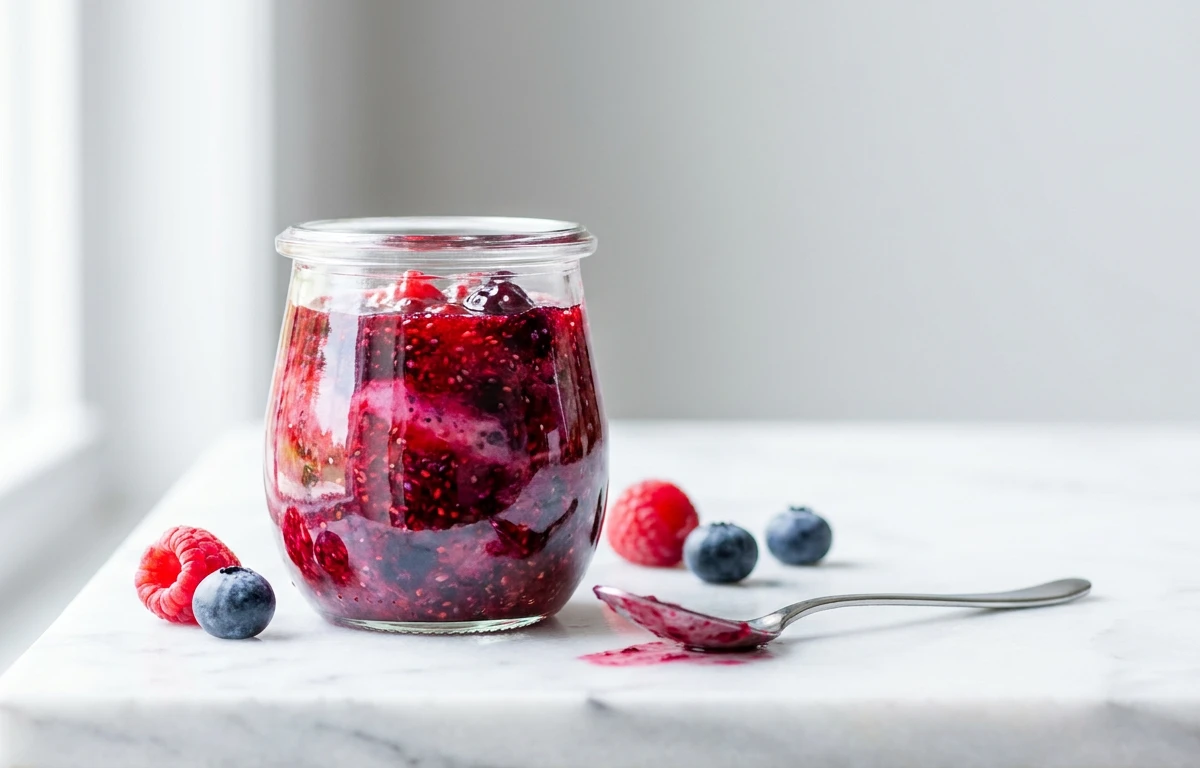
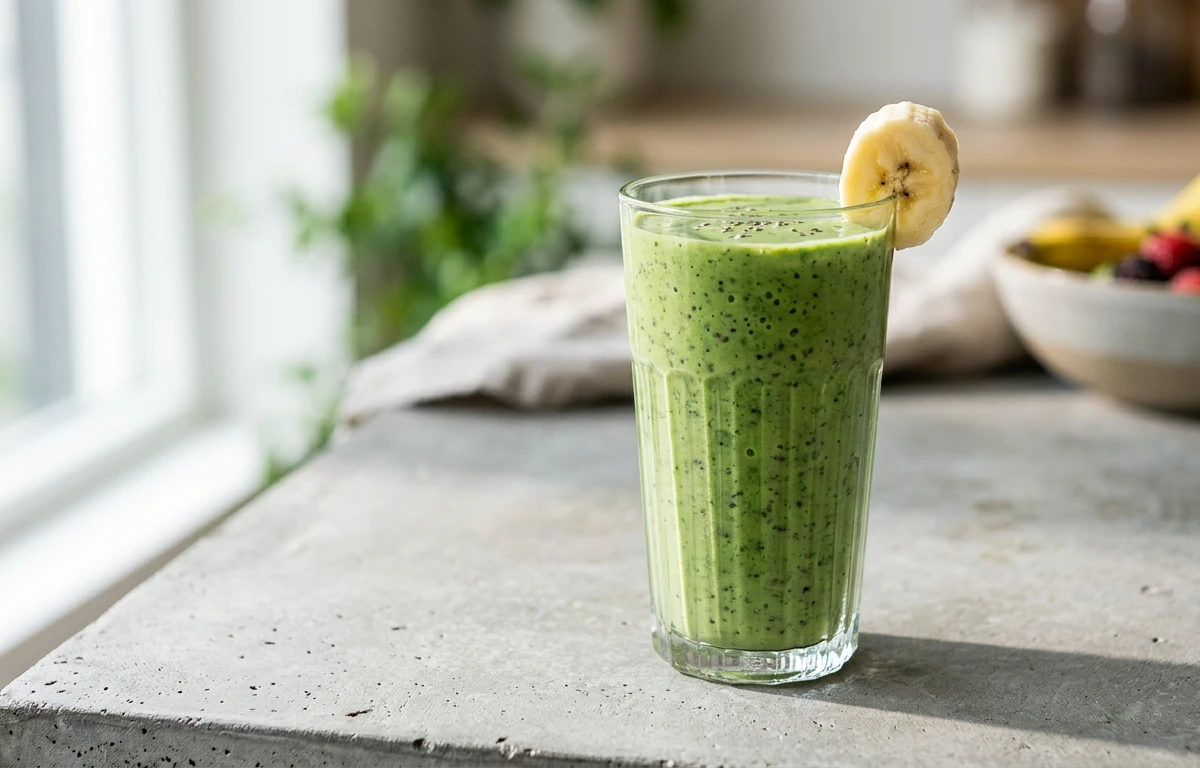
Want more high-fiber foods in your week — without the guesswork?
Our meal planner can build you a balanced week that incorporates fiber-rich foods like chia seeds, ensuring you hit your targets with meals that are satisfying and delicious.
Build my weekly plan →SOURCES & REFERENCES · 3
One more thing
Eating well is rarely about willpower. It’s about having a short list of dinners you actually want to eat. Pick two from this list. Make them next week. The rest will follow.
If you want these on autopilot, our weekly meal planner can drop the picks above into your calendar with one click and build a single grocery list from the merged ingredients.
FREQUENTLY ASKED QUESTIONS
Frequently asked questions
How much chia seed should you eat per day?
A typical daily serving is 1 to 2 tablespoons (about 14-28 grams). If you're new to high-fiber foods, it's best to start with a smaller amount and gradually increase it, making sure to drink plenty of water.
Do you have to soak chia seeds before eating?
It's highly recommended. Soaking them allows them to form their gel, which makes them easier to digest and eliminates the risk of them expanding in your esophagus, which can be a choking hazard. Even just stirring them into a wet food like yogurt or oatmeal is enough.
Are chia seeds better than flax seeds?
Neither is 'better' — they're both fantastic! Chia seeds are slightly higher in fiber and calcium and don't need to be ground to access their nutrients. Flax seeds are a bit higher in certain omega-3s but must be ground first. It's great to include both in your diet.
Can chia seeds help you lose weight?
They can be a useful tool for weight management. The soluble fiber forms a gel that expands in your stomach, which helps you feel full and satisfied for longer. This can lead to eating fewer calories overall. They are not a magic weight-loss pill, but a helpful addition to a balanced diet.
METHODOLOGY
How this article was created
Built using verified nutrition databases, culinary research, and traditional cooking knowledge — every claim is cross-referenced against the sources listed in the article.
· USDA data· Culinary research· Quality reviewed
Read our methodology →TRANSPARENCY
About this content
Articles are curated using trusted food databases (USDA FoodData Central, IFCT), culinary literature, and dietary guidelines, then structured by our editorial team for clarity, accuracy, and usefulness.
· Verified data sources· Culinary research· Quality reviewed
Read our editorial policy →RELATED RECIPES
Cook from this article
EXPLORE OUR MEALS
Meals that fit this article

AMERICAN · 1677 CAL
Almonds with Sliced Apple + supplement + iron

MEDITERRANEAN · 809 CAL
Greek Yogurt with Berries Almonds and Granola + supplement + iron

GENERAL_HEALTHY · 705 CAL
Banana with Peanut Butter Pregnancy + supplement + iron

MODERN · 982 CAL
Hummus with Crudits and Pita with Fresh Orange Snack + supplement + iron
TAGGED
KEEP READING