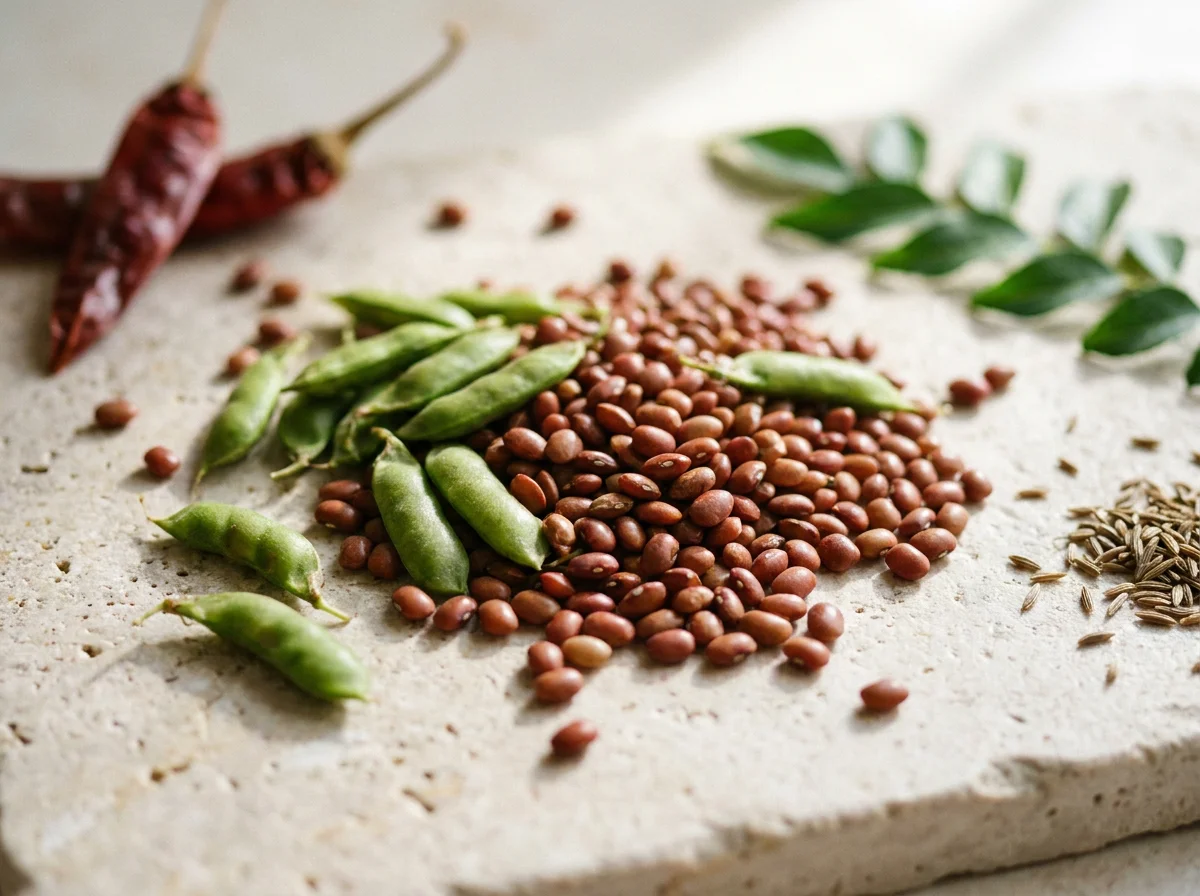
They're one of the most important crops on the planet, but in many Western kitchens, pigeon peas are still a bit of a mystery. Known as toor dal in India or gandules in the Caribbean, these small, creamy legumes are nutritional powerhouses hiding in plain sight. They're absolutely loaded with plant-based protein and gut-friendly fiber, making them incredibly filling and brilliant for blood sugar balance. Forget any notion of them being just another carb — these are smart, slow-release fuel.
↑ Pigeon peas, often sold split as toor dal, are a staple across Asia, Africa, and Latin America.
The ultimate pantry staple
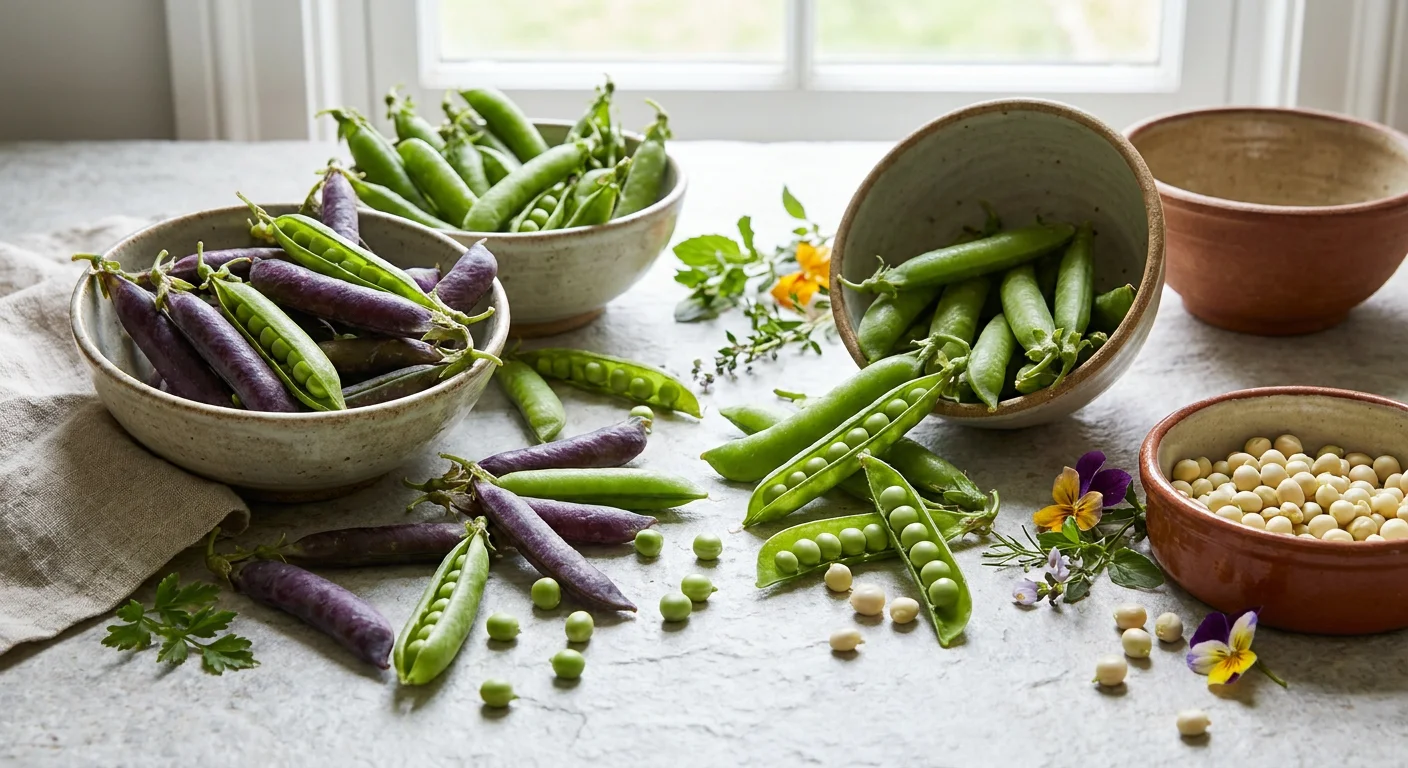
Whether you know them as pigeon peas, toor dal, arhar dal, or gandules, you're talking about the same thing: a small, oval-shaped legume with a creamy, nutty flavor when cooked. They're eaten fresh and green in some parts of the world, but most of us encounter them dried — either whole or, more commonly, split and hulled. Split pigeon peas (toor dal) are the foundation of dal, the essential lentil stew of India.
Don't let the word 'pea' fool you; nutritionally, they behave much more like a bean or lentil. They're dense, satisfying, and packed with slow-digesting carbohydrates, fiber, and an impressive amount of protein for a plant food.
IN ONE LINE
Pigeon peas are a true nutritional bargain: cheap, shelf-stable, and packed with protein, fiber, and minerals. They're one of the best foods for steady energy and fullness.
Pigeon pea nutrition facts
Here's the nutritional profile for 100 grams of dried pigeon peas (about ½ cup), which yields around 2.5 cups when cooked. The numbers are seriously impressive.
The numbers that jump out are the protein and fiber. At nearly 22 grams of protein and 15 grams of fiber, a 100g serving is a powerhouse for fullness, muscle maintenance, and gut health. It's also an incredible source of folate, a B-vitamin crucial for cell growth.
Pigeon pea glycemic index
While specific, verified numbers for pigeon peas can vary, all legumes are famously low on the glycemic index (GI) scale. The GI ranks foods from 0-100 based on how quickly they raise blood sugar. Anything under 55 is considered low. Thanks to their massive fiber and protein content, pigeon peas are digested very slowly, providing a gentle, sustained release of energy. They are a genuinely top-tier food for blood sugar management.
GLYCEMIC INDEX · PIGEON PEAS vs COMMON FOODS
Pigeon peas sit firmly in the low-GI band
Pigeon Peas
cooked
LOW
Apple
whole fruit
LOW
Mango
whole fruit
LOW
White bread
refined
HIGH
Cornflakes
refined
HIGH
SCALE 0–90
04590
How to cook and eat them
Dried pigeon peas need a little prep, but it's simple. Split pigeon peas (toor dal) cook much faster than the whole kind.
01
Rinse them well.
Always rinse dried legumes under cold water to remove any dust or debris.
02
Soak if they're whole.
Whole dried pigeon peas benefit from soaking for a few hours (or overnight) to shorten cooking time. Split toor dal doesn't need soaking.
03
Simmer until tender.
Cover with plenty of water or broth (about a 3:1 ratio of liquid to peas) and simmer. Split peas take 30-45 minutes; whole, unsoaked peas can take over an hour.
04
Don't add salt early.
Adding salt or acidic ingredients like tomatoes at the beginning of cooking can make legumes tough. Add them in the last 10-15 minutes.
What pigeon peas are good for
01
A huge hit of plant protein
With nearly 22g of protein per 100g, pigeon peas are a fantastic foundation for vegetarian and vegan meals, supporting muscle and keeping you full.
21.7 g
protein
02
Incredible for gut health
The 15g of fiber acts as a prebiotic, feeding beneficial gut bacteria. It also promotes regularity and contributes to profound feelings of fullness.
15 g
fiber
03
Excellent for blood sugar control
The combination of very high fiber, high protein, and a low glycemic index makes them one of the best foods for preventing sugar spikes.
Low
GI
04
Packed with essential minerals
They're an outstanding source of folate (over 100% DV!), magnesium, and potassium, which are vital for heart health, blood pressure regulation, and energy.
114%
folate DV
What to pair them with
Pigeon peas have a mild, nutty flavor that makes them a great canvas for other ingredients. Pairing them with a grain creates a complete protein.
Eat freely — or be mindful?
Three ways to eat them
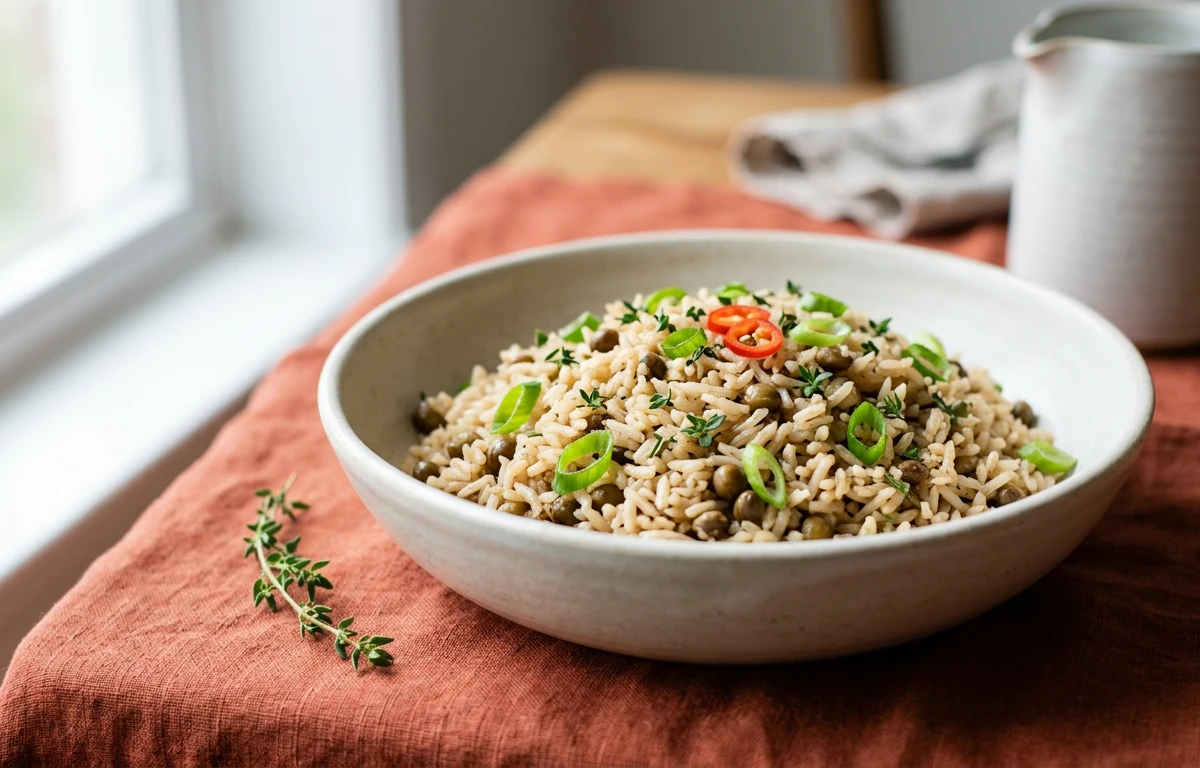
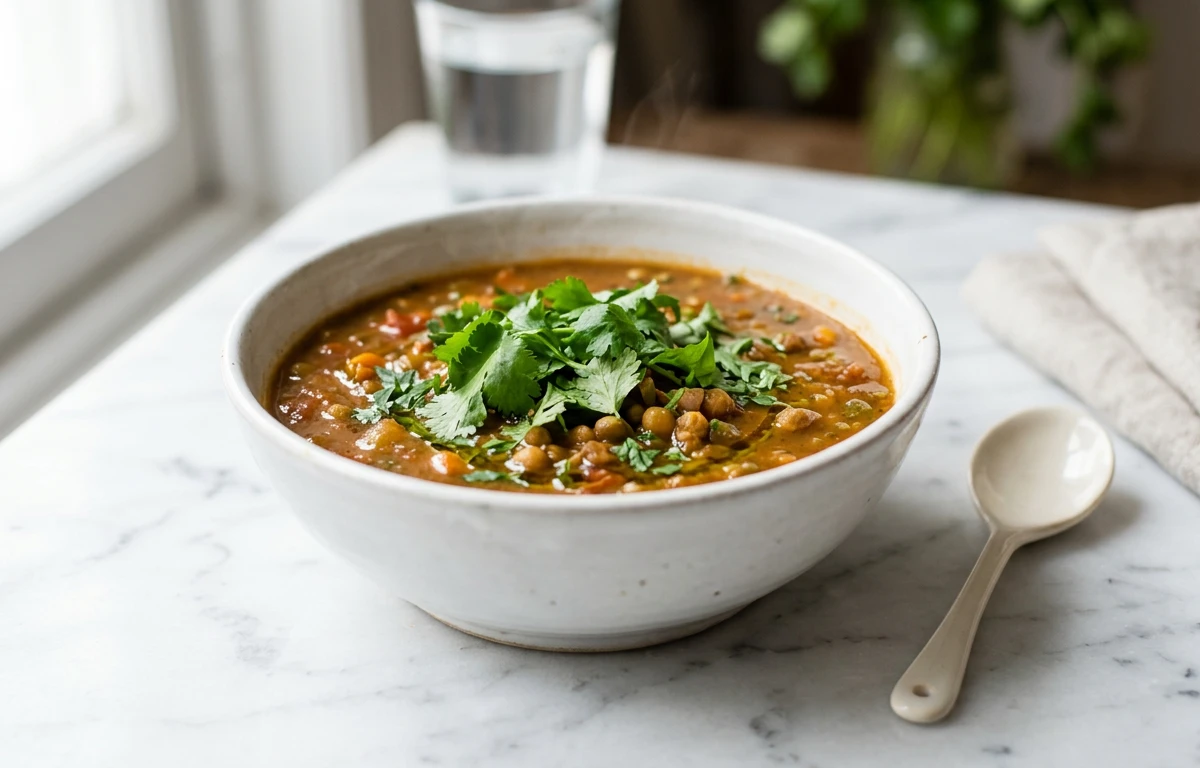
These are incredibly versatile. Here are three simple ways to get started, from a classic dal to a hearty soup.
.webp)
Want more high-protein, high-fiber meals planned for you?
Our meal planner can build a week of balanced meals rich in plant-based foods like pigeon peas, with all the portions and macros calculated and a single grocery list at the end.
Build my weekly plan →SOURCES & REFERENCES · 3
One more thing
Eating well is rarely about willpower. It’s about having a short list of dinners you actually want to eat. Pick two from this list. Make them next week. The rest will follow.
If you want these on autopilot, our weekly meal planner can drop the picks above into your calendar with one click and build a single grocery list from the merged ingredients.
FREQUENTLY ASKED QUESTIONS
Frequently asked questions
Are pigeon peas good for people with diabetes?
Yes, they are an excellent food for diabetes management. Their high fiber and protein content, combined with a low glycemic index, helps prevent sharp spikes in blood sugar.
Are pigeon peas a complete protein?
By themselves, they are not quite a complete protein, as they are slightly low in the amino acid methionine. However, when paired with a grain like rice or wheat, they form a complete protein, providing all the essential amino acids your body needs.
Are pigeon peas the same as lentils or chickpeas?
No, they are all distinct legumes. Pigeon peas are smaller than chickpeas and have a creamier texture when cooked. They are more similar in use to lentils, especially split red lentils, but have their own unique nutty flavor.
Do I have to soak pigeon peas before cooking?
If you are using whole dried pigeon peas, soaking them for a few hours or overnight is highly recommended to reduce cooking time. If you are using split pigeon peas (toor dal), soaking is not necessary.

ABOUT THE AUTHOR
Shreya Chatterjee
NUTRITION WRITER
Shreya is a nutrition writer and the voice behind The Nutrition Pen, where she turns evidence-based nutrition into simple, repeatable eating habits. Her writing focuses on practical food guidance — what to actually put on the plate — for readers who want to eat well without the noise.
Meet the editorial team →METHODOLOGY
How this article was created
Built using verified nutrition databases, culinary research, and traditional cooking knowledge — every claim is cross-referenced against the sources listed in the article.
· USDA data· Culinary research· Quality reviewed
Read our methodology →TRANSPARENCY
About this content
Articles are curated using trusted food databases (USDA FoodData Central, IFCT), culinary literature, and dietary guidelines, then structured by our editorial team for clarity, accuracy, and usefulness.
· Verified data sources· Culinary research· Quality reviewed
Read our editorial policy →RELATED RECIPES
Cook from this article
EXPLORE OUR MEALS
Meals that fit this article

AMERICAN · 1677 CAL
Almonds with Sliced Apple + supplement + iron

MEDITERRANEAN · 809 CAL
Greek Yogurt with Berries Almonds and Granola + supplement + iron

GENERAL_HEALTHY · 705 CAL
Banana with Peanut Butter Pregnancy + supplement + iron
MODERN · 982 CAL
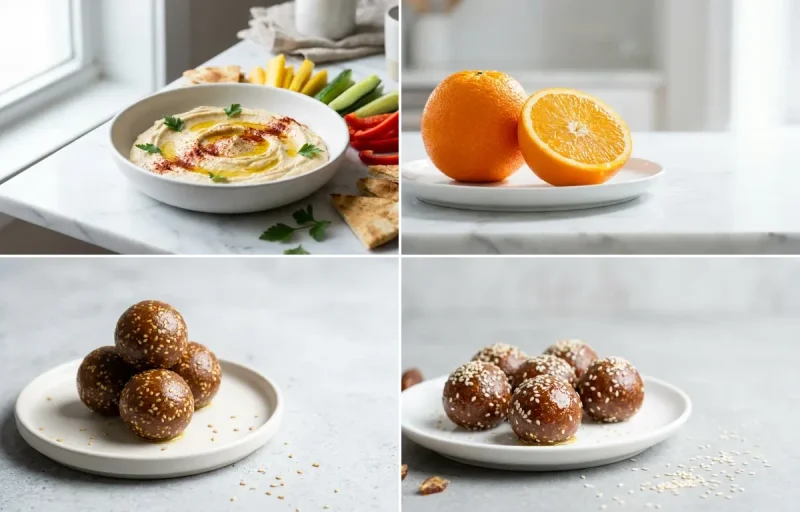
Hummus with Crudits and Pita with Fresh Orange Snack + supplement + iron
TAGGED
KEEP READING