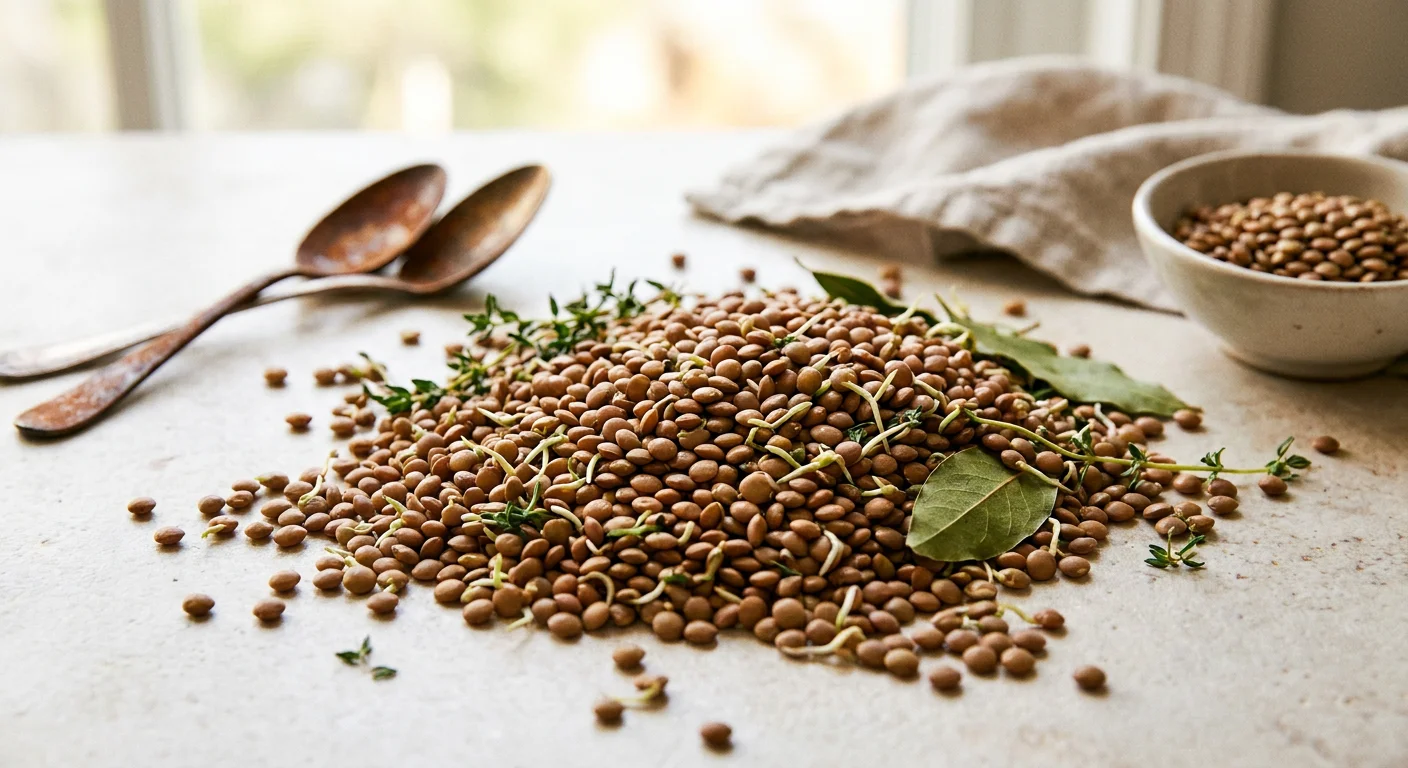
Let's be honest, horse gram doesn't have the glamour of quinoa or the fame of chickpeas. It's a humble, hardy little legume, mostly known in South India and, well, for feeding horses. But overlooking it is a huge mistake. This is one of the most protein-dense lentils you can eat, packed with fiber, and it provides a slow, steady energy that few foods can match. It just needs a little know-how to unlock its earthy, satisfying flavor.
↑ Horse gram is a small, resilient legume with an earthy, robust flavor.
The quiet superstar of the pantry
Horse gram is a food with a serious branding problem. Yes, it was traditionally used as a high-energy feed for livestock, but that's a testament to its incredible nutrient density, not a reason for us to avoid it. In reality, this is a nutritional heavyweight. We're talking about a legume that delivers a steak-like 22 grams of protein per 100-gram serving, alongside slow-burning carbs and a decent dose of fiber.
It has a robust, earthy flavor that's deeper than a lentil and less starchy than a chickpea. Think of it as the espresso of the bean world: intense, powerful, and deeply satisfying once you get to know it.
IN ONE LINE
Horse gram is an incredibly high-protein, low-fat legume that offers slow-release energy. The key is to soak it well and cook it thoroughly.
Horse gram nutrition facts
Here's the nutritional breakdown for a 100-gram serving of raw horse gram. Keep in mind that cooking will increase the volume and water content, so a typical cooked portion of about 1/2 to 1 cup will be much lower in calories.
The numbers speak for themselves. The protein content is exceptional for a plant source, making it a fantastic food for vegetarians, vegans, and anyone looking to build or maintain muscle. The carbohydrate is high, but it's the complex, slow-digesting kind, which is exactly what you want for sustained energy without a sugar crash.
Horse gram's glycemic index
While there isn't a universally agreed-upon GI number for horse gram, we know a lot from its composition. As a legume packed with protein and fiber, it digests slowly. This means it has a low-to-medium glycemic index, providing a much gentler blood sugar response than refined grains like white bread or even other whole grains. For people with diabetes, this makes it a good choice, as long as portions are managed as part of a balanced meal.
GLYCEMIC INDEX · HORSE GRAM vs COMMON FOODS
Horse gram has a gentle glycemic impact
Apple
whole fruit
LOW
Horse Gram (est.)
cooked legume
LOW
Mango
whole fruit
LOW
White bread
refined
HIGH
Cornflakes
refined
HIGH
SCALE 0–90
04590
How to cook it right
You can't just toss horse gram into a pot. It's a tough legume that demands a little prep, but the payoff is huge. Get this right and you'll have a tender, flavorful bean; get it wrong and you'll be chewing for days.
01
Soak, soak, soak.
This is non-negotiable. Cover the raw grams with plenty of water and let them soak for at least 8 hours, or overnight. This softens them and makes them more digestible.
02
Use a pressure cooker.
This is the easiest method. After soaking, drain the water, add fresh water, and pressure cook for 6-8 whistles (about 25-30 minutes). They should be completely soft.
03
Simmer if you don't have one.
If boiling on the stovetop, it can take 1.5 to 2 hours. Keep an eye on the water level and be patient.
04
Don't throw out the water.
The water used for cooking is full of nutrients. It forms the perfect base for a soup (rasam) or can be used as a stock for curries.
05
Start with soups or curries.
Its robust flavor shines in liquid-based dishes where it can simmer with spices. It's less suited to being eaten plain.
What horse gram is good for
01
A plant-protein powerhouse
At 22 grams of protein per 100g, it's one of the best plant-based sources available, essential for muscle repair, satiety, and overall health.
22 g
protein
02
Excellent for weight management
The combination of high protein and fiber is incredibly filling, helping to curb your appetite and reduce overall calorie intake.
High
satiety
03
Provides steady, slow-release energy
As a complex carbohydrate with a low glycemic profile, it prevents energy spikes and crashes, making it ideal for sustained activity.
57 g
complex carbs
04
Supports a healthy heart
Being almost fat-free and providing high-quality plant protein and fiber, it's a perfect fit for a heart-healthy diet.
0.5 g
fat
What to pair horse gram with
Horse gram's earthy flavor needs bold partners. Acidity, aromatics, and a little fat help to balance its intensity and make it shine.
Is horse gram right for you?
Three ways to eat it
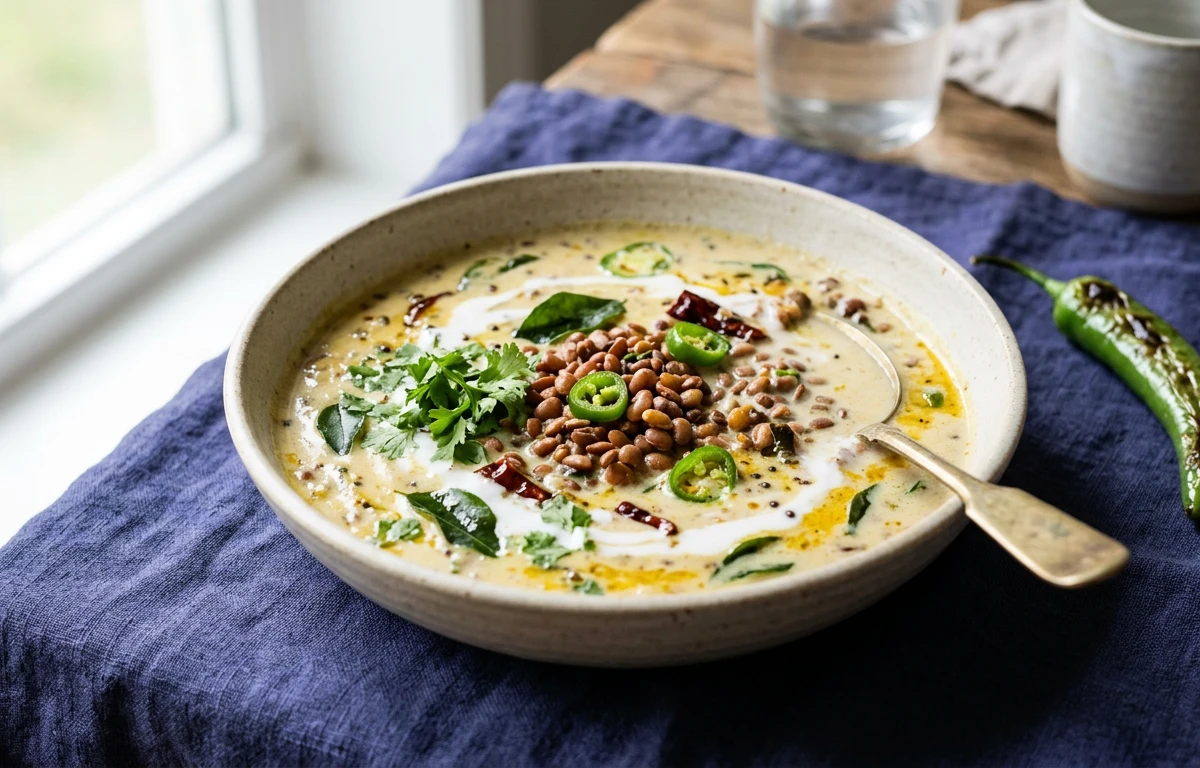
Ready to try it? These three recipes are a great introduction to the unique flavor and texture of horse gram.
.webp)

Want powerful foods like horse gram in your weekly plan?
Our meal planner can build a high-protein, high-fiber week for you, balancing powerful ingredients like horse gram with everything else you need for a healthy diet. Get a plan with a single grocery list.
Build my weekly plan →SOURCES & REFERENCES · 3
One more thing
Eating well is rarely about willpower. It’s about having a short list of dinners you actually want to eat. Pick two from this list. Make them next week. The rest will follow.
If you want these on autopilot, our weekly meal planner can drop the picks above into your calendar with one click and build a single grocery list from the merged ingredients.
FREQUENTLY ASKED QUESTIONS
Frequently asked questions
Is horse gram really fed to horses?
Yes, and that's where its name comes from. It's an excellent source of protein and energy, which is why it's valued as feed for livestock and as a powerful food for humans.
Is horse gram good for weight loss?
Yes, it's excellent for weight management. The very high protein and fiber content make it incredibly satiating, meaning it keeps you feeling full for longer and helps reduce overall calorie consumption.
How do I cook horse gram? It seems very hard.
The key is a long soak (at least 8 hours or overnight) followed by pressure cooking for about 25-30 minutes. This two-step process is essential to make it tender and easy to digest.
Can people with diabetes eat horse gram?
Yes, in moderation. Its high protein and fiber content, combined with its complex carbohydrates, lead to a slow release of sugar. This makes it a good choice, but portion control is still important to manage total carbohydrate intake.

ABOUT THE AUTHOR
Shreya Chatterjee
NUTRITION WRITER
Shreya is a nutrition writer and the voice behind The Nutrition Pen, where she turns evidence-based nutrition into simple, repeatable eating habits. Her writing focuses on practical food guidance — what to actually put on the plate — for readers who want to eat well without the noise.
Meet the editorial team →METHODOLOGY
How this article was created
Built using verified nutrition databases, culinary research, and traditional cooking knowledge — every claim is cross-referenced against the sources listed in the article.
· USDA data· Culinary research· Quality reviewed
Read our methodology →TRANSPARENCY
About this content
Articles are curated using trusted food databases (USDA FoodData Central, IFCT), culinary literature, and dietary guidelines, then structured by our editorial team for clarity, accuracy, and usefulness.
· Verified data sources· Culinary research· Quality reviewed
Read our editorial policy →EXPLORE OUR MEALS
Meals that fit this article

AMERICAN · 1677 CAL
Almonds with Sliced Apple + supplement + iron

MEDITERRANEAN · 809 CAL
Greek Yogurt with Berries Almonds and Granola + supplement + iron

GENERAL_HEALTHY · 705 CAL
Banana with Peanut Butter Pregnancy + supplement + iron

MODERN · 982 CAL
Hummus with Crudits and Pita with Fresh Orange Snack + supplement + iron
TAGGED
KEEP READING