Turmeric: Anti-inflammatory, Glycemic Index & How to Use It: verified nutrition facts, glycemic context, serving guidance, and practical cooking ideas.
↑ Fresh turmeric root and its familiar golden powder. The magic is in the regular, consistent use.
The golden spice, beyond the hype
Let's get one thing straight: turmeric is a spice, not a drug. Its active ingredient, curcumin, has powerful anti-inflammatory and antioxidant effects, but the amount of curcumin in the turmeric you cook with is modest — around 3% by weight.
This doesn't mean it's useless. Far from it. Think of it less like a one-off pill and more like a healthy habit. Consistently including turmeric in your cooking, especially with a few key pairings, contributes to an overall anti-inflammatory way of eating. It's the slow, steady accumulation that counts.
IN ONE LINE
Turmeric is a brilliant anti-inflammatory spice, not a magic pill. Use it often, in small amounts, and always with a pinch of black pepper to boost absorption.
Turmeric nutrition facts
Looking at the nutrition for 100 grams of turmeric is interesting, but not very practical — nobody eats that much! It's about 14 tablespoons. Still, for comparison, here's the official data. A more realistic serving is one teaspoon (~3g), which has about 9 calories and minimal nutrients besides the active curcumin.
The big story here isn't the macros or vitamins. It's the phytochemicals — specifically curcumin — that don't appear on a standard nutrition label. That's where all the health benefits come from.
Turmeric's glycemic index
Glycemic index (GI) ranks how fast a food raises blood sugar. But here's the thing: you'll never see an official GI value for turmeric. Why? Because it's a spice used in such tiny quantities that its effect on your blood sugar is practically zero. It adds a world of flavor and color without moving the needle on your glucose levels, which makes it a fantastic tool for anyone managing their blood sugar.
GLYCEMIC INDEX · TURMERIC vs COMMON FOODS
Turmeric's glycemic impact is negligible
Apple
whole fruit
LOW
Mango
whole fruit
LOW
Pineapple
whole fruit
MEDIUM
White bread
refined
HIGH
SCALE 0–90
04590
How to use it right
Getting the benefits of turmeric isn't as simple as just sprinkling it on food. Your body struggles to absorb curcumin on its own. A few simple kitchen tricks can increase its bioavailability by up to 2,000%.
01
Always add black pepper.
A compound in pepper called piperine is curcumin's best friend. It dramatically boosts absorption. It's a non-negotiable pairing.
02
Pair it with fat.
Curcumin is fat-soluble. Add turmeric to dishes with oil, coconut milk, ghee, or avocado to help your body absorb it.
03
Use it in your cooking.
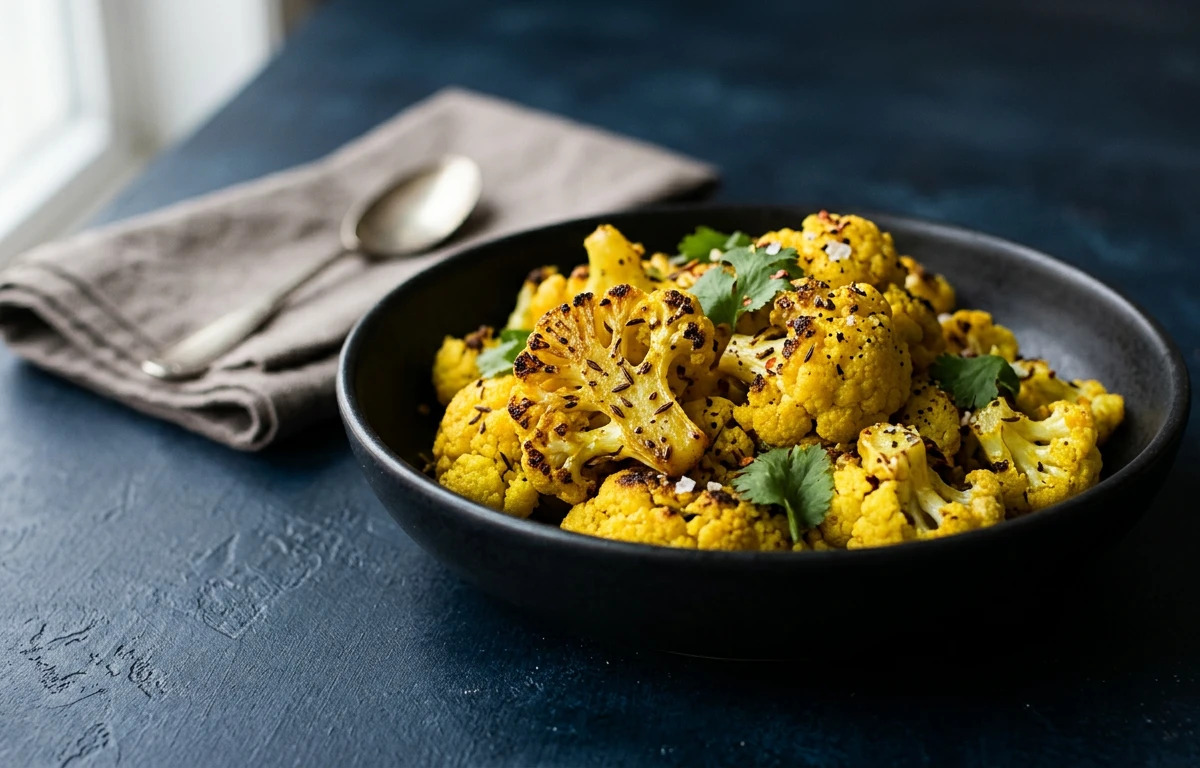
Add it to curries, soups, lentil dals, roasted vegetables, and scrambles. The gentle heat and combination with other ingredients helps.
04
Don't go overboard.
It has a strong, earthy, slightly bitter flavor. A teaspoon is often plenty for a dish serving four people. Too much can make food taste medicinal.
05
Watch out for stains!
This is a practical one. Curcumin is a potent dye. It will stain clothes, wooden spoons, and plastic containers. Be careful!
What turmeric is good for
01
A potent anti-inflammatory
Curcumin is a bioactive substance that fights inflammation at the molecular level. It's thought to be so effective it matches some anti-inflammatory drugs, without the side effects.
3%
curcumin
02
Increases antioxidant capacity
Curcumin is a powerful antioxidant that can neutralize free radicals. It also boosts the activity of your body's own antioxidant enzymes.
High
antioxidant
03
May support brain health
Curcumin boosts levels of the brain hormone BDNF, which increases the growth of new neurons and may help fight various degenerative processes in your brain.
BDNF
boost
04
Traditionally aids digestion
In traditional medicine, turmeric has long been used to settle the stomach, reduce gas, and ease bloating. It's thought to stimulate bile production.
Aids
digestion
What to pair turmeric with
Turmeric's earthy flavor works in countless savory dishes. For health benefits, these pairings are the most important.
Use freely — or be mindful?
Three ways to use it
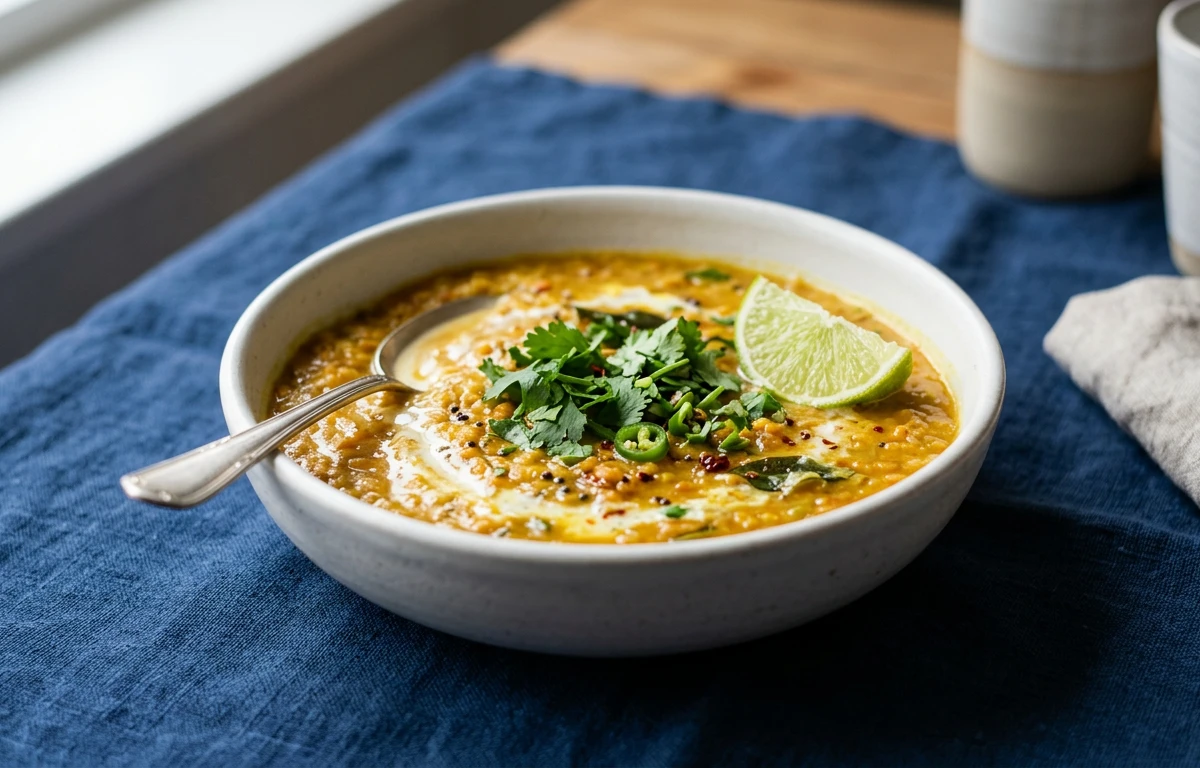
Here are three simple recipes that put turmeric to work the right way — paired with fat and black pepper for maximum benefit.

Want anti-inflammatory foods worked into your week — without the planning?
Our meal planner builds balanced weeks using ingredients like turmeric, ginger, and leafy greens, with portions and macros already calculated and a single grocery list at the end.
Build my weekly plan →SOURCES & REFERENCES · 3
One more thing
Eating well is rarely about willpower. It’s about having a short list of dinners you actually want to eat. Pick two from this list. Make them next week. The rest will follow.
If you want these on autopilot, our weekly meal planner can drop the picks above into your calendar with one click and build a single grocery list from the merged ingredients.
FREQUENTLY ASKED QUESTIONS
Frequently asked questions
How much turmeric should I have a day?
For general wellness, incorporating 1-2 teaspoons of turmeric powder into your daily cooking is a great goal. High-dose curcumin supplements are different and should be discussed with a doctor, as they deliver a much more concentrated dose.
Does turmeric really work for inflammation?
Yes, the evidence for curcumin's anti-inflammatory effects is strong. However, consistency is key. Using it regularly as a spice contributes to an overall anti-inflammatory diet. For therapeutic doses for conditions like arthritis, a concentrated supplement is often required.
Do I really have to eat it with black pepper?
You really should! The piperine in black pepper can increase the bioavailability of curcumin by up to 2,000%. Without it, your body absorbs very little of the good stuff. Pairing with a healthy fat also helps significantly.
Is fresh turmeric root better than powder?
Fresh root is great and has a brighter, more lively flavor, but dried powder is more concentrated and often contains more curcumin by weight. Both are excellent choices. The most important thing is that you use it regularly.

ABOUT THE AUTHOR
Shreya Chatterjee
NUTRITION WRITER
Shreya is a nutrition writer and the voice behind The Nutrition Pen, where she turns evidence-based nutrition into simple, repeatable eating habits. Her writing focuses on practical food guidance — what to actually put on the plate — for readers who want to eat well without the noise.
Meet the editorial team →METHODOLOGY
How this article was created
Built using verified nutrition databases, culinary research, and traditional cooking knowledge — every claim is cross-referenced against the sources listed in the article.
· USDA data· Culinary research· Quality reviewed
Read our methodology →TRANSPARENCY
About this content
Articles are curated using trusted food databases (USDA FoodData Central, IFCT), culinary literature, and dietary guidelines, then structured by our editorial team for clarity, accuracy, and usefulness.
· Verified data sources· Culinary research· Quality reviewed
Read our editorial policy →RELATED RECIPES
Cook from this article
EXPLORE OUR MEALS
Meals that fit this article

AMERICAN · 1677 CAL
Almonds with Sliced Apple + supplement + iron

MEDITERRANEAN · 809 CAL
Greek Yogurt with Berries Almonds and Granola + supplement + iron

GENERAL_HEALTHY · 705 CAL
Banana with Peanut Butter Pregnancy + supplement + iron

MODERN · 982 CAL
Hummus with Crudits and Pita with Fresh Orange Snack + supplement + iron
TAGGED
KEEP READING