Grain10 recipes
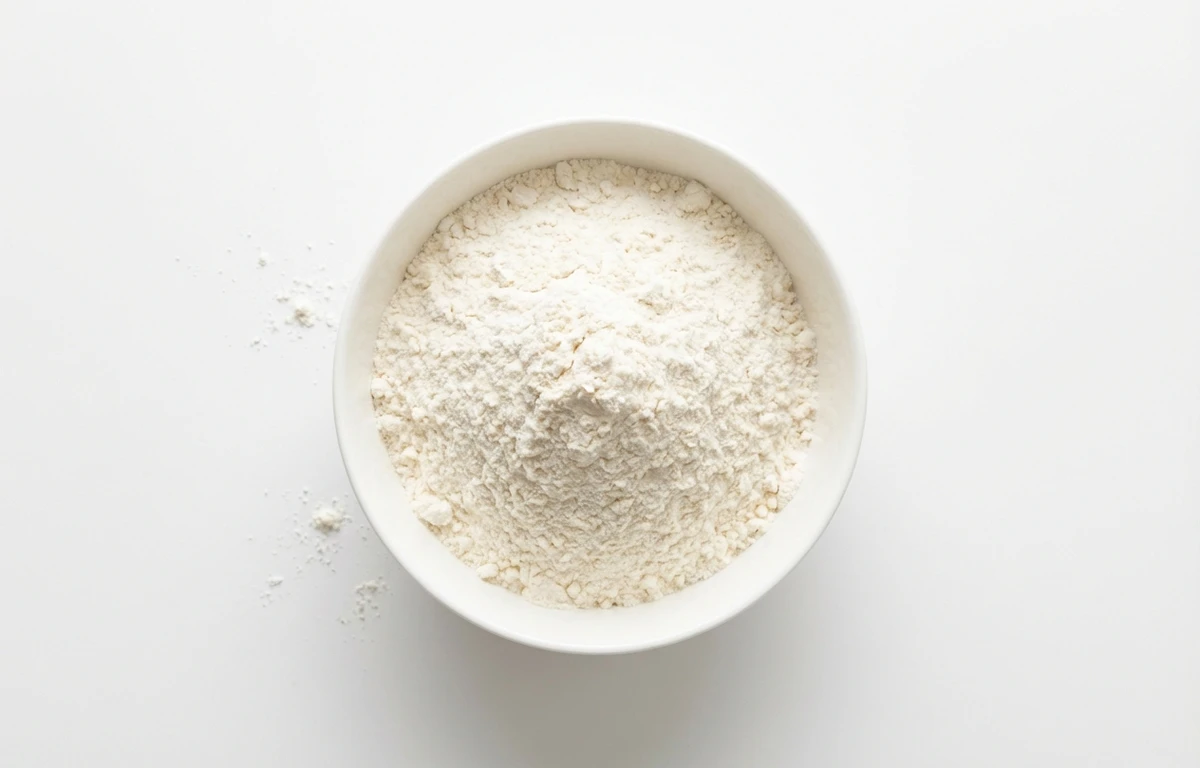
all-purpose flour.
VegetarianVeganGluten-freeDairy-freeNut-freePeanut-freeSoy-freeEgg-freeShellfish-freeHoney-freeAlcohol-free
ALSO KNOWN AS
all-purpose flourAP flourall purpose flourplain flourmaidawhite flour
SERVING
CALORIES
364
PROTEIN
10.3g
CARBS
76.3g
FAT
1.0g
FIBER
2.7g
NUTRITION PROFILE · per 100 g
Everything in this ingredient.
MACRONUTRIENTS
Calories364kcal—
Protein10.3g21%
Carbohydrates76.3g28%
Fiber2.7g10%
Sugar0.30g1%
Total fat1.0g1%
Saturated fat0.15g1%
Trans fat0g—
Cholesterol0mg0%
Water11.9g—
MINERALS
Sodium2.0mg0%
Potassium107mg2%
Calcium15mg1%
Iron4.6mg26%
Magnesium22mg5%
Phosphorus108mg9%
Zinc0.70mg6%
Copper0.14mg16%
Manganese0.68mg30%
Selenium33.9µg62%
VITAMINS
Vitamin A0µg0%
Vitamin C0mg0%
Vitamin D0µg0%
Vitamin E0.06mg0%
Vitamin K0.30µg0%
Thiamin (B1)0.70mg58%
Riboflavin (B2)0.40mg31%
Niacin (B3)5.9mg37%
Pantothenic acid (B5)0.40mg8%
Vitamin B60.04mg2%
Folate (B9)154µg39%
Vitamin B120µg0%
%DV based on a 2,000 cal diet. Source: USDA FoodData Central. A dash in the %DV column means there’s no established Daily Value for that nutrient.
MEASUREMENT CONVERSIONS
How much is what.
1 cup125g
1 tablespoon7.8g
1 teaspoon2.6g
1 oz28.4g
1 lb453.6g
1 ml0.5g
1 liter530g
HEALTH BENEFITS
Why eat it.
- ✓Provides quick energy from carbohydrates
- ✓Enriched versions provide essential B-vitamins
- ✓Contains iron for blood health
- ✓Versatile base for many foods
- ✓Low in fat
COOKING TIPS
In the kitchen.
- 1Sift before measuring for more accurate volume and lighter texture
- 2Do not overmix batters to avoid tough results from gluten development
- 3Always cook or bake thoroughly; raw flour can contain bacteria
STORAGE
Keep it fresh.
- Store in a cool, dry place in an airtight container
- Can be frozen to extend shelf life and prevent pests
- Keep away from strong-smelling foods as it absorbs odors
FAQ
Frequently asked questions.
How long does all-purpose flour last?
It typically lasts 6-12 months in a cool, dry pantry, or up to 2 years if stored in the freezer.
What is the difference between bleached and unbleached flour?
Bleached flour is treated with chemicals to speed up aging, resulting in a whiter, finer texture; unbleached flour ages naturally and has a slightly denser structure.
Can I substitute all-purpose flour for bread flour?
Yes, but bread flour has more protein, so all-purpose flour will result in a softer, less chewy texture in breads.
How do I make self-rising flour from all-purpose flour?
For every cup of all-purpose flour, add 1.5 teaspoons of baking powder and 1/4 teaspoon of salt.
Is all-purpose flour gluten-free?
No, all-purpose flour is made from wheat and contains gluten, which provides structure to baked goods.
Why should I sift flour?
Sifting removes lumps, aerates the flour for lighter cakes, and ensures more accurate measurement by volume.
Can I use all-purpose flour to thicken sauces?
Yes, it is commonly used to make a roux (mixed with fat) or a slurry (mixed with water) to thicken gravies and sauces.
How can I tell if flour has gone bad?
Spoiled flour may have a sour or musty smell, change in color, or contain small insects called weevils.
RECIPES
Cook with all-purpose flour.
10 recipes · sorted by what’s quick