Other4 recipes
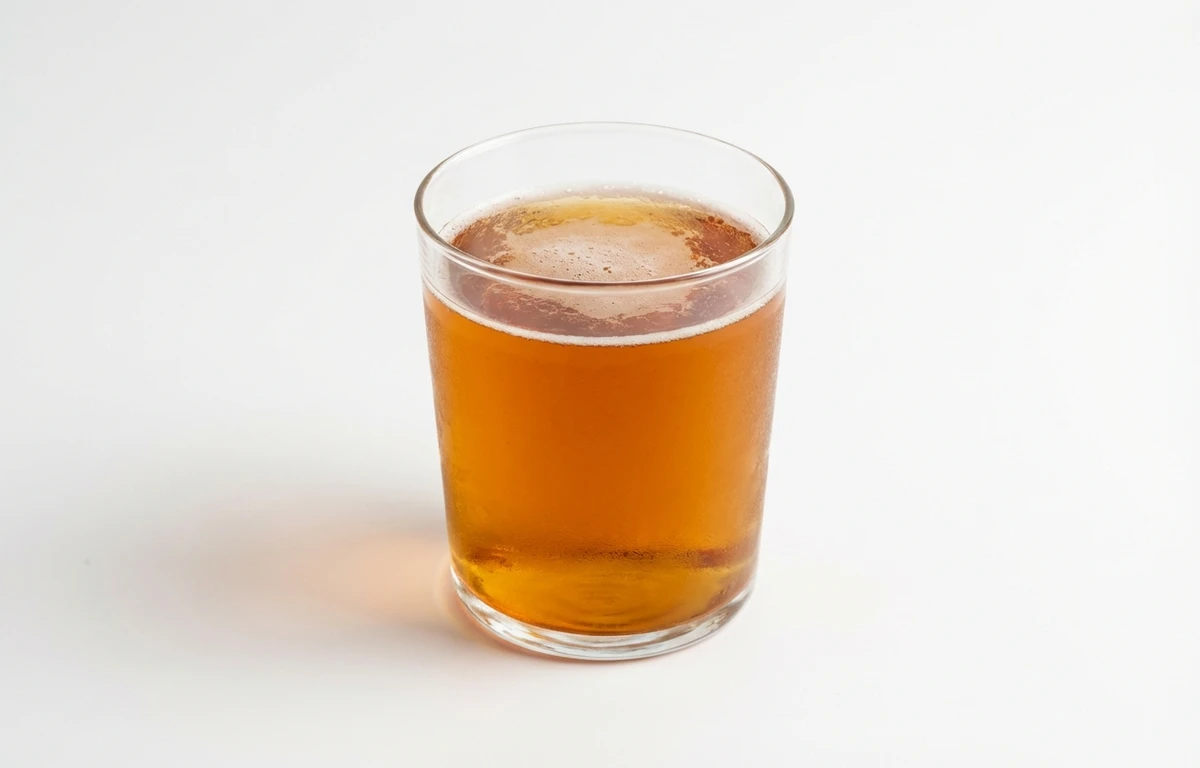
apple cider.
VegetarianVeganGluten-freeDairy-freeNut-freePeanut-freeSoy-freeEgg-freeShellfish-freeHoney-freeAlcohol-free
SERVING
CALORIES
46
PROTEIN
0.10g
CARBS
11.3g
FAT
0.10g
FIBER
0.10g
NUTRITION PROFILE · per 100 g
Everything in this ingredient.
MACRONUTRIENTS
Calories46kcal—
Protein0.10g0%
Carbohydrates11.3g4%
Fiber0.10g0%
Sugar9.6g19%
Total fat0.10g0%
Saturated fat0.01g0%
Cholesterol0mg0%
Water88.3g—
MINERALS
Sodium2.0mg0%
Potassium101mg2%
Calcium6.0mg0%
Iron0.09mg1%
Magnesium1.6mg0%
Phosphorus2.2mg0%
Zinc0.01mg0%
Copper0mg0%
Selenium0.03µg0%
VITAMINS
Vitamin A0µg0%
Vitamin C0.90mg1%
Vitamin D0µg0%
Vitamin E0mg0%
Vitamin K1.0µg1%
Thiamin (B1)0.01mg1%
Riboflavin (B2)0.01mg1%
Niacin (B3)0.02mg0%
Vitamin B60.01mg1%
Folate (B9)0µg0%
Vitamin B120µg0%
%DV based on a 2,000 cal diet. Source: USDA FoodData Central. A dash in the %DV column means there’s no established Daily Value for that nutrient.
MEASUREMENT CONVERSIONS
How much is what.
1 cup250g
1 tablespoon15.4g
1 teaspoon5.1g
1 ml1g
1 liter1040g
HEALTH BENEFITS
Why eat it.
- ✓Rich in polyphenols, plant-based antioxidants that may help protect cells from damage.
- ✓Contains pectin, a type of soluble fiber that can aid in digestion and support gut health, especially in unfiltered versions.
- ✓Provides hydration along with small amounts of minerals like potassium, which is important for heart and muscle function.
- ✓May support heart health by contributing to lower blood pressure and cholesterol levels due to its flavonoid content.
COOKING TIPS
In the kitchen.
- 1Gently heat with spices like cinnamon sticks, cloves, and star anise to create a classic mulled cider beverage.
- 2Use as a braising liquid for pork, chicken, or brisket to add moisture, acidity, and a subtle sweetness.
- 3Reduce apple cider in a saucepan to create a thick, flavorful syrup or glaze for roasted vegetables, meats, or desserts.
- 4In baking, substitute it for water or milk in recipes for cakes, muffins, and donuts to add a distinct apple flavor and moistness.
STORAGE
Keep it fresh.
- Refrigerate fresh, unpasteurized cider immediately and consume within 7-10 days.
- Store shelf-stable, pasteurized cider in a cool, dark pantry until opened, then refrigerate and use within two weeks.
- For long-term storage, freeze apple cider in a container with at least an inch of headspace, where it will keep for up to one year.
FAQ
Frequently asked questions.
Is apple cider healthy?
Yes, apple cider is a nutritious beverage rich in polyphenols, which are plant-based antioxidants that protect cells from damage. Unfiltered versions also contain pectin, a soluble fiber that supports gut health and aids digestion.
How many calories and carbs are in apple cider?
Per 100g, apple cider contains approximately 46 calories and 11.3 grams of carbohydrates. It is very low in protein and fat, with both measuring at about 0.1g per 100g.
Is apple cider good for weight loss?
While it offers health benefits, apple cider is relatively high in natural sugars and should be consumed in moderation. Because it lacks significant fiber (unless unfiltered) and protein, it may not be as satiating as whole fruit.
Is apple cider vegan and gluten-free?
Yes, apple cider is naturally vegan and gluten-free. It is made by pressing fresh apples and does not contain animal products or wheat-based ingredients, making it safe for those with celiac disease.
Is apple cider keto-friendly?
No, apple cider is not keto-friendly. With over 11g of carbs per 100g, a standard serving contains too much sugar to fit within the strict carbohydrate limits of a ketogenic diet.
What is the difference between apple cider and apple juice?
Apple cider is typically raw, unfiltered, and contains the pulp and sediment from the apples, giving it a cloudy appearance. Apple juice is filtered to remove solids and is usually pasteurized to create a clearer, shelf-stable product.
How should I store apple cider and how long does it last?
Fresh, unpasteurized apple cider must be refrigerated and usually lasts 7 to 10 days. If it is pasteurized and sealed, it can last longer on the shelf, but once opened, it should be refrigerated and consumed within a week.
How can I tell if apple cider has gone bad?
Signs of spoilage include a sour or vinegary smell, a fizzy or carbonated texture (indicating fermentation), or the presence of mold. If the plastic jug is bulging, the cider has likely begun to ferment and should be discarded.
Can I use apple cider in cooking and baking?
Apple cider is excellent for cooking; it can be used to braise meats like pork, whisked into vinaigrettes, or used as a liquid in muffins and donuts. You can also simmer it to create a concentrated syrup for glazing.
Does apple cider provide any specific minerals?
Yes, apple cider provides small amounts of essential minerals like potassium. Potassium is vital for maintaining healthy heart function, supporting muscle contractions, and regulating fluid balance in the body.
RECIPES
Cook with apple cider.
4 recipes · sorted by what’s quick