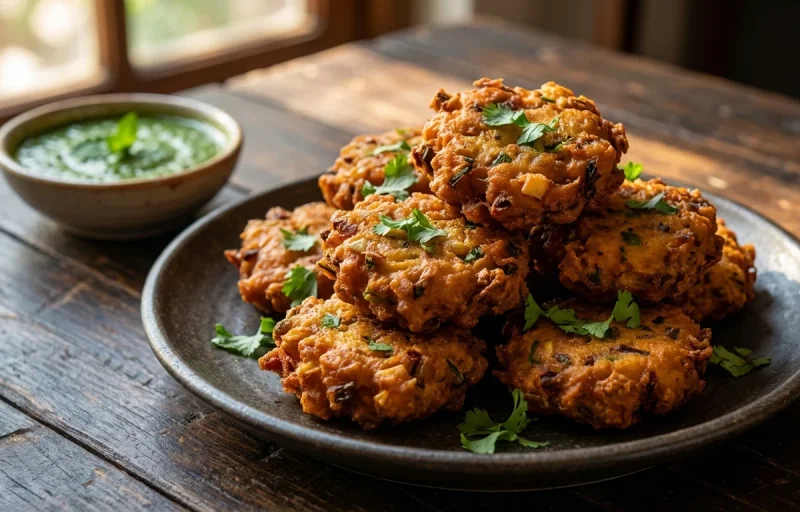
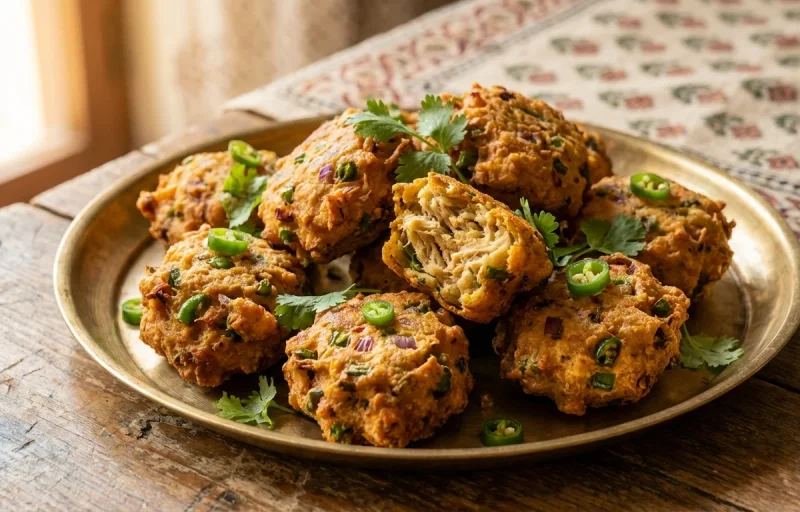
Other10 recipes
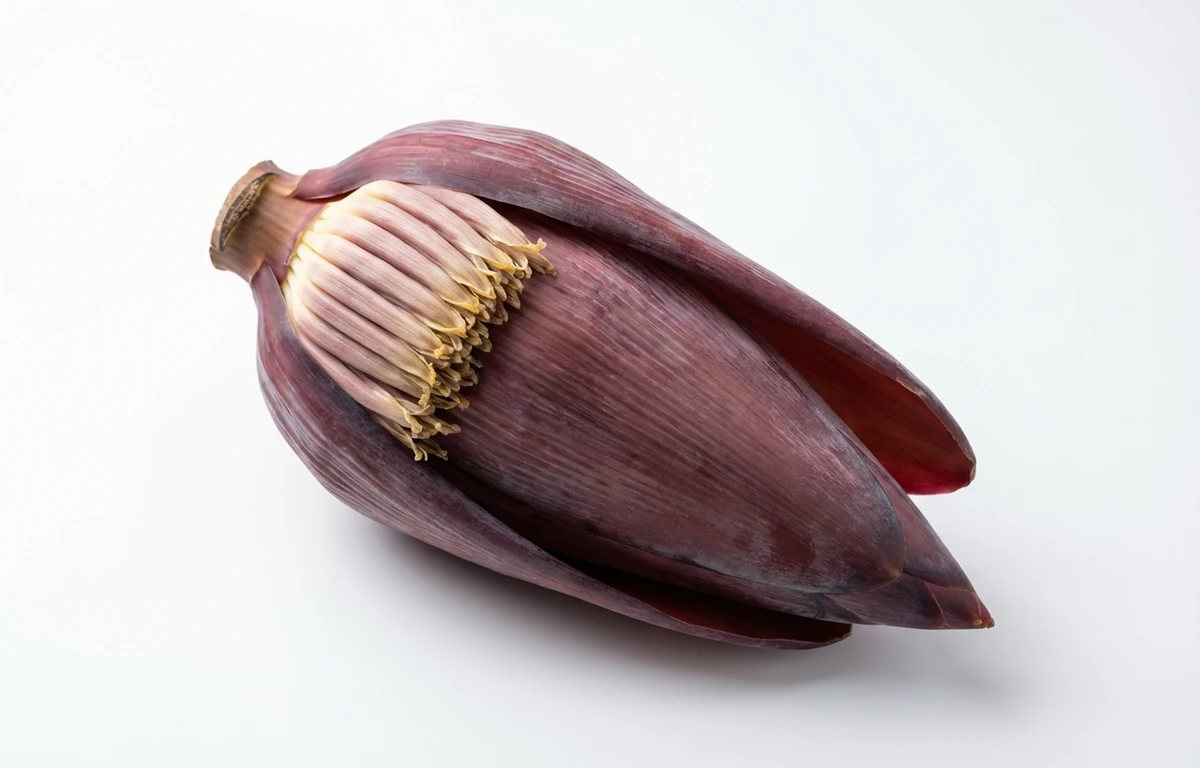
banana blossom.
VegetarianVeganGluten-freeDairy-freeNut-freePeanut-freeSoy-freeEgg-freeShellfish-freeHoney-freeAlcohol-free
ALSO KNOWN AS
banana flowerbanana heartkele ka phoolkele ka mochabanana blossomvazhaipoomochakelat pisangjantung pisangkodappan
SERVING
CALORIES
29
PROTEIN
1.5g
CARBS
4.5g
FAT
0.60g
FIBER
2.5g
NUTRITION PROFILE · per 100 g
Everything in this ingredient.
MACRONUTRIENTS
Calories29.4kcal—
Protein1.5g3%
Carbohydrates4.5g2%
Fiber2.5g9%
Sugar1.8g4%
Total fat0.60g1%
Saturated fat0.10g1%
Trans fat0g—
Cholesterol0mg0%
Water91g—
MINERALS
Sodium15mg1%
Potassium250mg5%
Calcium60mg5%
Iron1.0mg6%
Magnesium25mg6%
Phosphorus115mg9%
Zinc1.1mg10%
Copper0.10mg11%
Manganese0.40mg17%
Selenium2.5µg5%
VITAMINS
Vitamin A3.0µg0%
Vitamin C12mg13%
Vitamin D0µg0%
Vitamin E0.10mg1%
Vitamin K1.9µg2%
Thiamin (B1)0.10mg8%
Riboflavin (B2)0.10mg8%
Niacin (B3)1.6mg10%
Pantothenic acid (B5)0.60mg12%
Vitamin B60.20mg12%
Folate (B9)20µg5%
Vitamin B120µg0%
%DV based on a 2,000 cal diet. Source: USDA FoodData Central. A dash in the %DV column means there’s no established Daily Value for that nutrient.
MEASUREMENT CONVERSIONS
How much is what.
1 piece200g
HEALTH BENEFITS
Why eat it.
- ✓Rich in dietary fiber, which supports digestive health and promotes satiety.
- ✓Contains antioxidants like flavonoids and phenolic acids that help protect the body from oxidative stress.
- ✓Good source of essential minerals including potassium, magnesium, and iron.
- ✓Traditionally used to help manage blood sugar levels due to its low glycemic index and fiber content.
COOKING TIPS
In the kitchen.
- 1To prepare, discard the tough outer layers (bracts) and use the tender, pale inner heart. The small florets can be used after removing the bitter stamen.
- 2The flaky, tender texture when cooked makes it an excellent plant-based substitute for fish in recipes like vegan 'fish' tacos or curries.
- 3Blanching the chopped blossom in boiling water for a few minutes can help reduce its natural bitterness before adding it to other dishes.
- 4Banana blossom absorbs flavors well, making it ideal for use in flavorful stir-fries, soups, salads, and curries.
STORAGE
Keep it fresh.
- Store fresh banana blossoms in the refrigerator, tightly wrapped, and use within a few days as they discolor quickly.
- After cutting, immediately place pieces in acidulated water (water with lemon juice or vinegar) to prevent browning.
- Canned banana blossoms should be stored in a cool, dry place. Once opened, refrigerate in their brine in a non-metallic container and use within a week.
FAQ
Frequently asked questions.
Is banana blossom healthy?
Yes, banana blossom is highly nutritious and low in calories, containing only 23 calories per 100g. It is a great source of dietary fiber, which aids digestion, and provides essential minerals like potassium, magnesium, and iron. Additionally, it contains antioxidants that help protect cells from oxidative damage.
Is banana blossom good for weight loss?
Banana blossom is an excellent food for weight loss because it is very low in calories and fat while being high in fiber. The fiber content promotes a feeling of fullness, which can help reduce overall calorie intake throughout the day. It is often used as a bulky, low-calorie meat substitute in various dishes.
Is banana blossom vegan and gluten-free?
Yes, banana blossom is naturally vegan and gluten-free. Its unique, flaky texture has made it a popular plant-based alternative for fish or pulled meat in vegan cooking. It is a whole-food ingredient that fits perfectly into most restrictive diets.
Is banana blossom keto-friendly?
Banana blossom is very keto-friendly, containing only 4.5g of carbohydrates per 100g. Since a significant portion of these carbs comes from dietary fiber, the net carb count is even lower. It is a great way to add volume and nutrients to low-carb meals without spiking blood sugar.
How do you prepare and cook banana blossom?
To prepare fresh banana blossom, peel away the tough outer purple bracts until you reach the pale, tender heart. Slice the heart and immediately soak it in water with lemon juice or vinegar for 20-30 minutes to remove bitterness and prevent browning. Once soaked, it can be sautéed, added to curries, or battered and fried.
What does banana blossom taste like?
Banana blossom has a mild, slightly nutty, and earthy flavor, similar to artichokes or hearts of palm. Its most notable feature is its texture, which is chunky and flaky, allowing it to absorb the flavors of sauces and spices very effectively. This makes it a versatile ingredient in savory dishes.
Can you eat banana blossom raw?
Yes, the tender inner heart of the banana blossom can be eaten raw, commonly featured in Southeast Asian salads. However, it must be properly cleaned and soaked in acidic water first to neutralize the sticky sap and bitter tannins. When eaten raw, it provides a crisp, refreshing texture.
How do you store banana blossom and how long does it last?
Fresh banana blossom should be wrapped tightly in plastic wrap or stored in a sealed bag in the refrigerator crisper drawer, where it will last for 3 to 5 days. If you have already sliced it, it must be kept submerged in acidic water in the fridge and used within a day. Canned versions can be stored in the pantry for years until opened.
How do you know if a banana blossom is fresh?
A fresh banana blossom should feel firm, heavy for its size, and have tightly packed outer leaves (bracts). Avoid blossoms that have soft spots, visible mold, or outer leaves that look shriveled and dry. The purple color should be deep and uniform without significant bruising.
Can banana blossom help manage blood sugar?
Banana blossom is considered beneficial for blood sugar management due to its low glycemic index and high fiber content. Fiber slows the absorption of sugar into the bloodstream, preventing rapid spikes. Some traditional medicine practices also use it specifically to support diabetic health.
RECIPES
Cook with banana blossom.
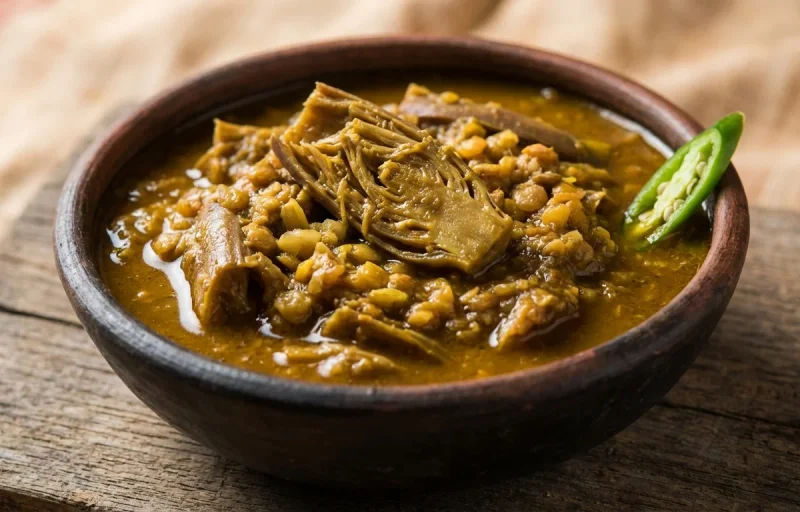
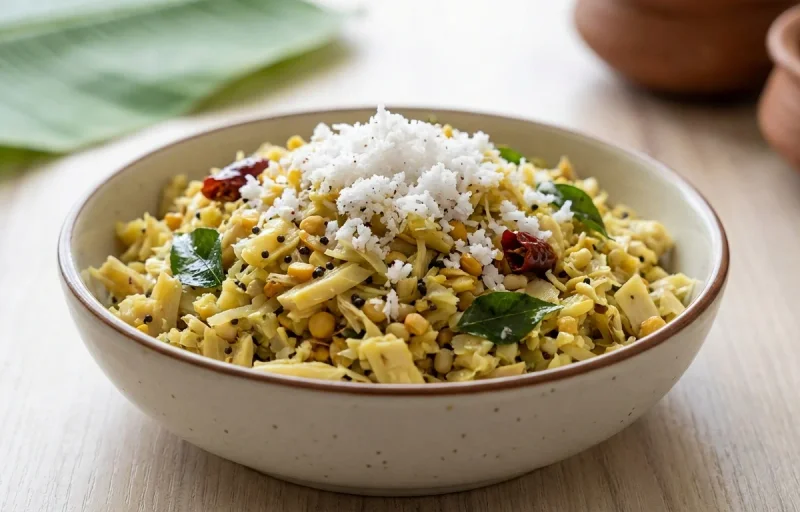
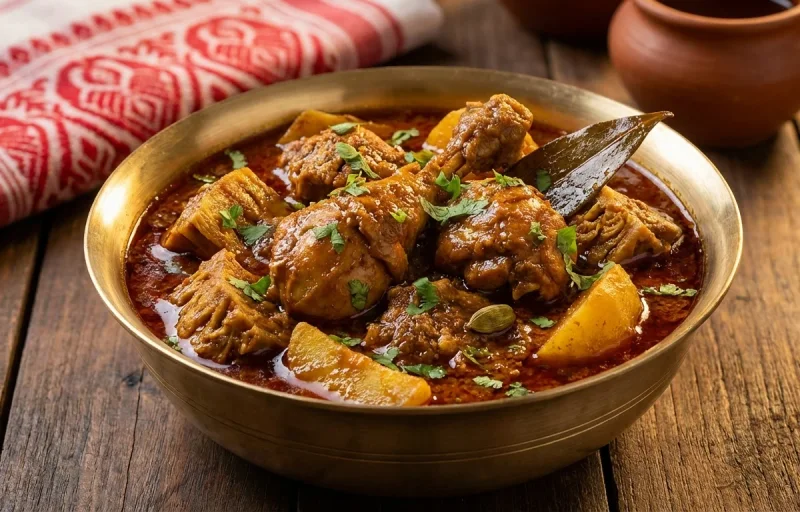
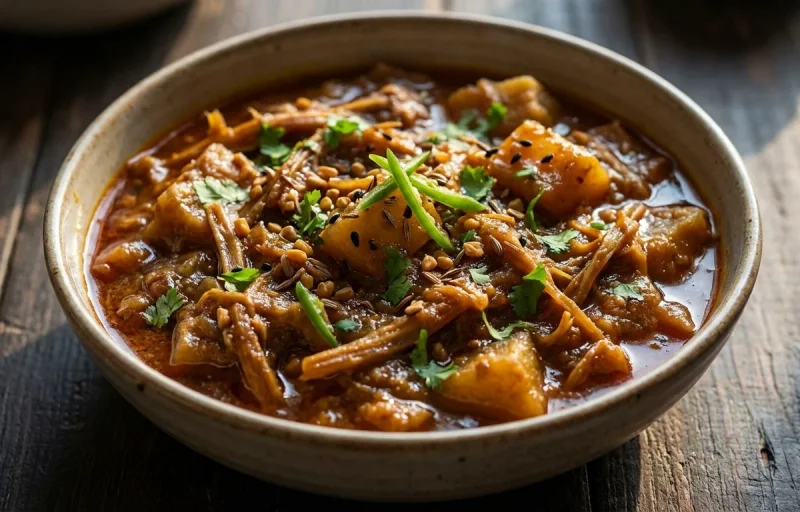
10 recipes · sorted by what’s quick