Grain2 recipes
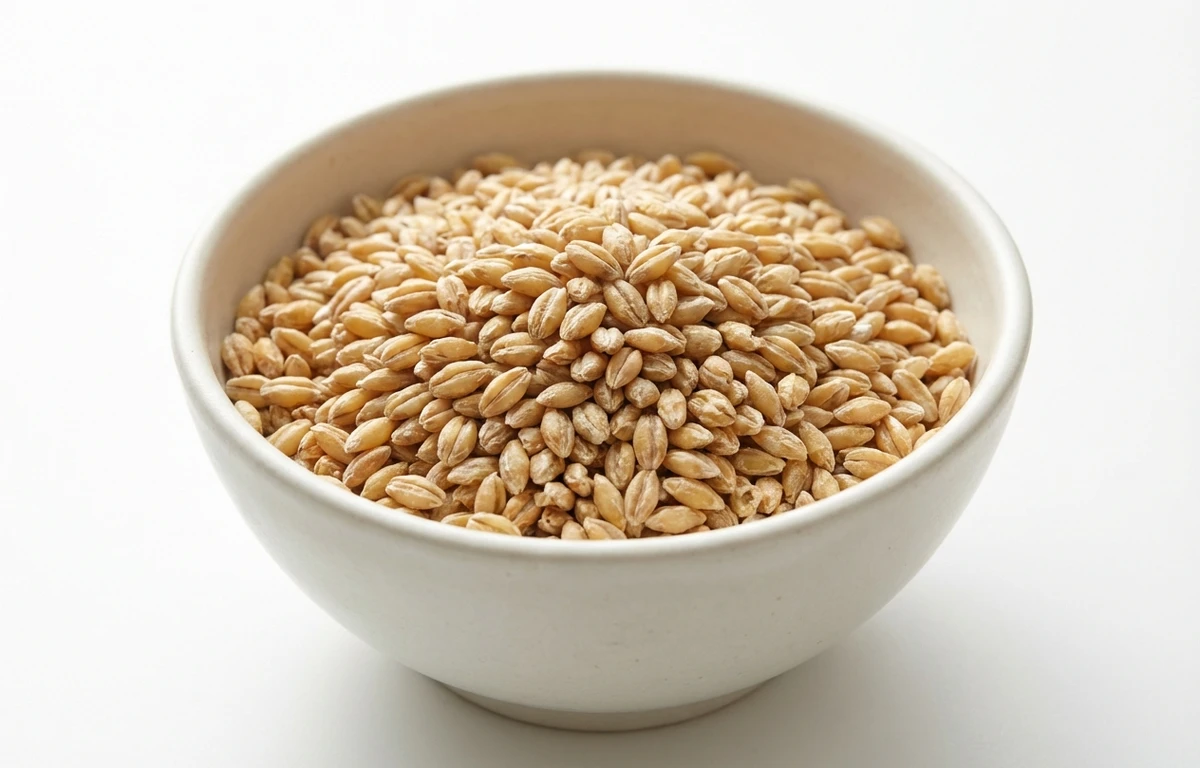
barley.
VegetarianVeganGluten-freeDairy-freeNut-freePeanut-freeSoy-freeEgg-freeShellfish-freeHoney-freeAlcohol-free
ALSO KNOWN AS
jau
SERVING
CALORIES
316
PROTEIN
10.9g
CARBS
61.3g
FAT
1.3g
FIBER
15.6g
NUTRITION PROFILE · per 100 g
Everything in this ingredient.
MACRONUTRIENTS
Calories316kcal—
Protein10.9g22%
Carbohydrates61.3g22%
Fiber15.6g56%
Sugar0.06g0%
Total fat1.3g2%
Saturated fat0.23g1%
Trans fat0g—
Cholesterol0mg0%
Water9.8g—
MINERALS
Sodium7.6mg0%
Potassium268mg6%
Calcium28.6mg2%
Iron1.6mg9%
Magnesium49mg12%
Phosphorus178mg14%
Zinc1.5mg14%
Copper0.43mg48%
Manganese1.2mg54%
Selenium18.6µg34%
VITAMINS
Vitamin A0µg0%
Vitamin C0mg0%
Vitamin D0µg0%
Vitamin E0.01mg0%
Vitamin K1.9µg2%
Thiamin (B1)0.36mg30%
Riboflavin (B2)0.18mg14%
Niacin (B3)2.8mg18%
Pantothenic acid (B5)0.14mg3%
Vitamin B60.31mg18%
Biotin (B7)2.4µg8%
Folate (B9)31.6µg8%
Vitamin B120µg0%
%DV based on a 2,000 cal diet. Source: USDA FoodData Central. A dash in the %DV column means there’s no established Daily Value for that nutrient.
MEASUREMENT CONVERSIONS
How much is what.
1 cup184g
1 tablespoon9g
1 teaspoon3g
1 ml0.6g
1 liter600g
HEALTH BENEFITS
Why eat it.
- ✓Rich in soluble fiber, particularly beta-glucan, which helps lower cholesterol and reduce the risk of heart disease.
- ✓Has a low glycemic index, which aids in stabilizing blood sugar levels, making it beneficial for diabetes management.
- ✓Promotes digestive health and satiety due to its high fiber content, supporting regular bowel movements and weight management.
- ✓A good source of essential minerals like selenium, manganese, and phosphorus, which support immune function, bone health, and cellular repair.
COOKING TIPS
In the kitchen.
- 1For a nuttier flavor, toast the dry barley in the pot for a few minutes before adding liquid.
- 2Use a ratio of 1 part pearled barley to 2.5-3 parts liquid (water or broth). Bring to a boil, then simmer for about 30-40 minutes until tender.
- 3Hulled barley is chewier and requires more liquid (1 part barley to 3-4 parts liquid) and a longer cooking time, typically 50-60 minutes.
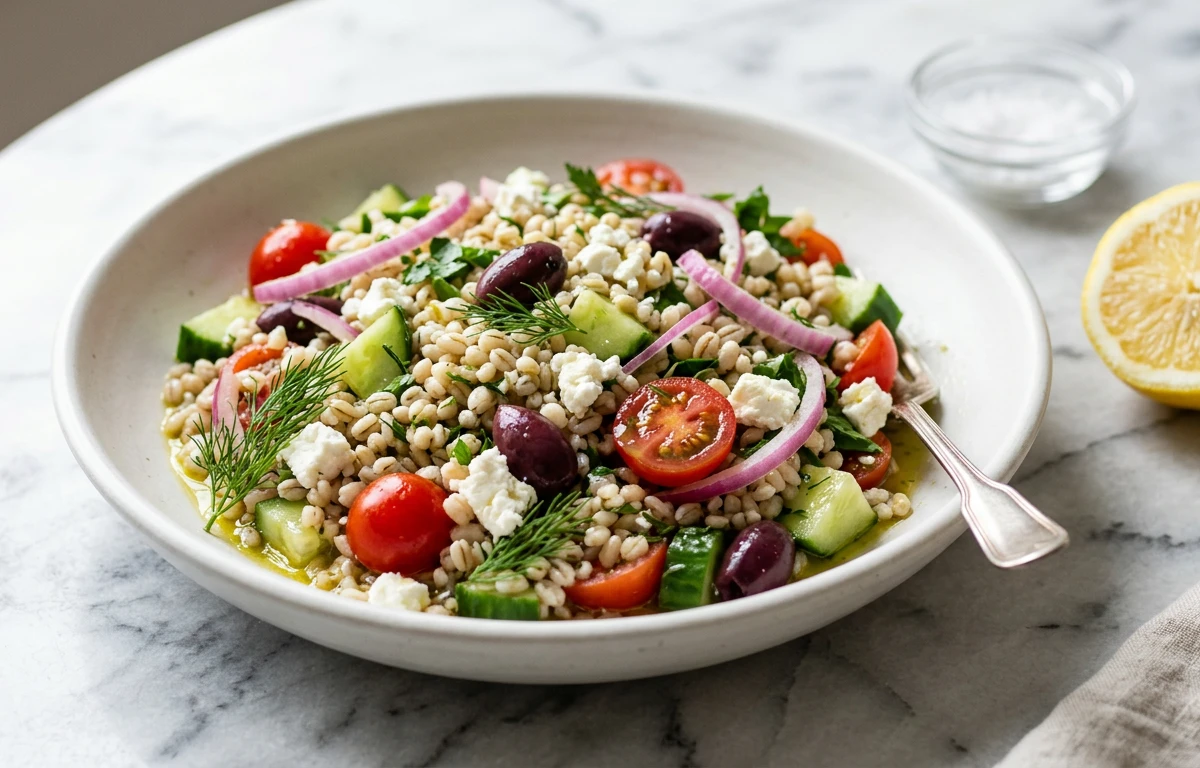
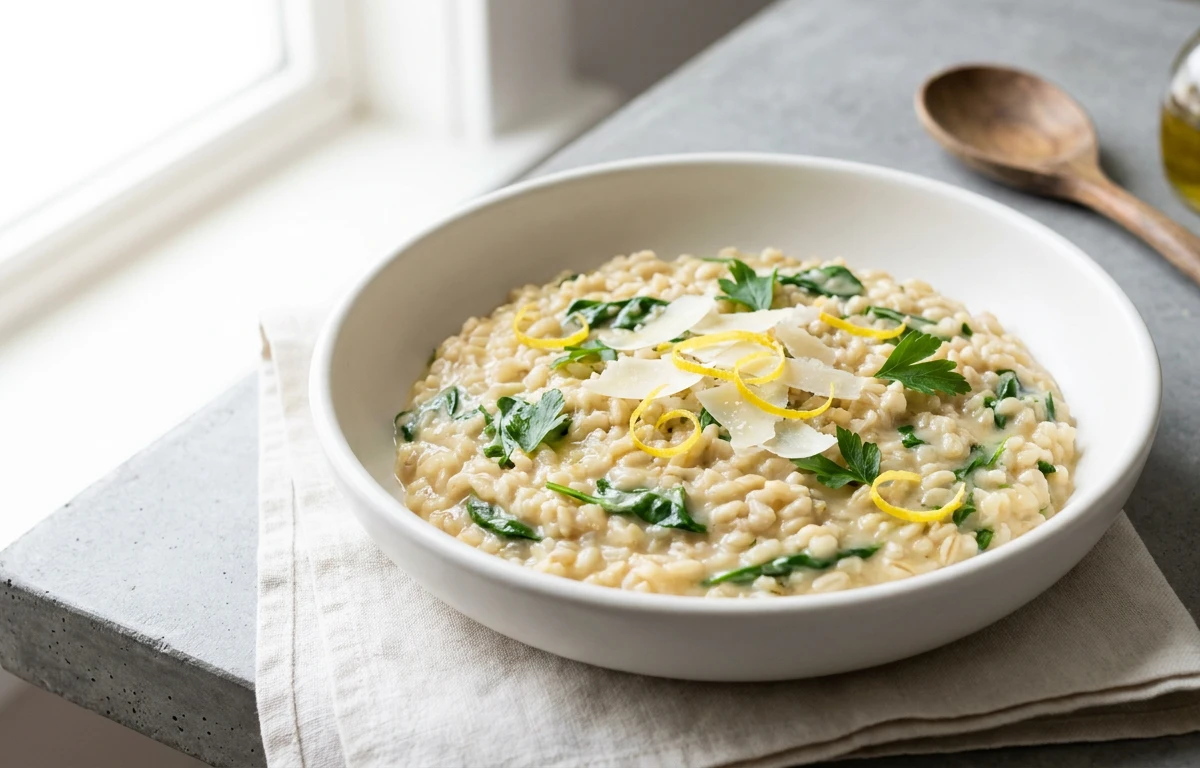
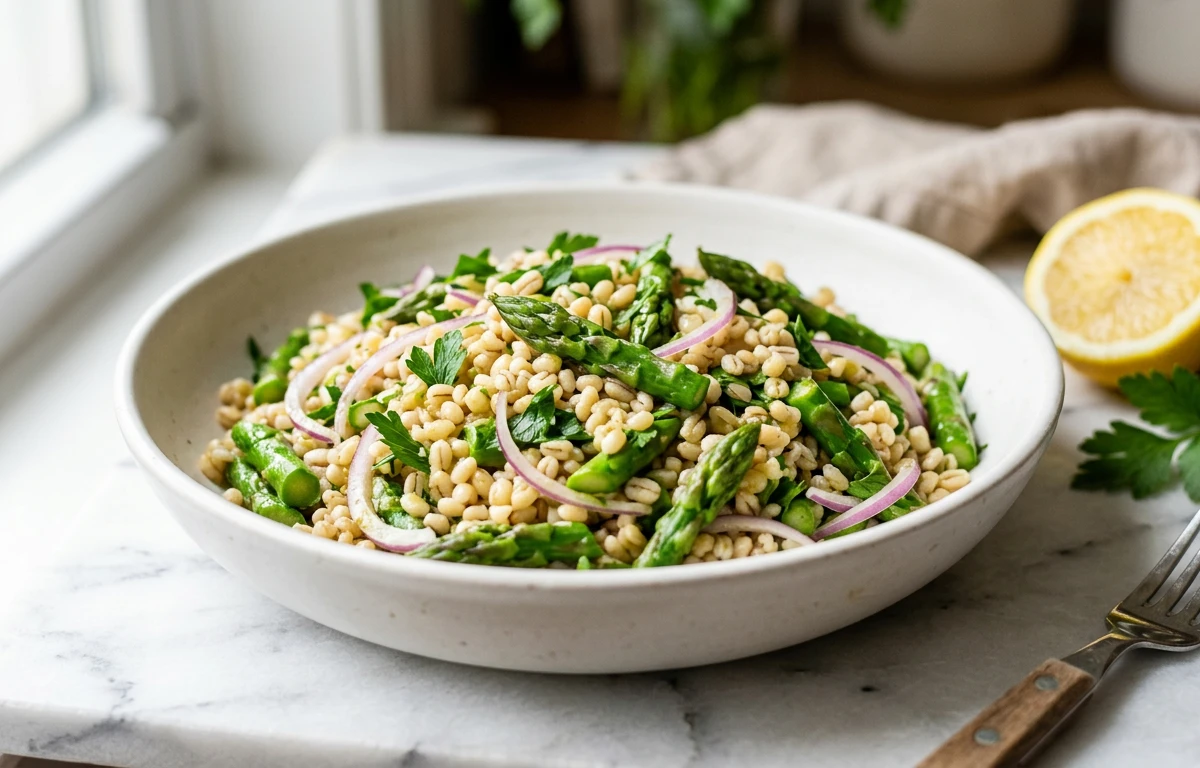
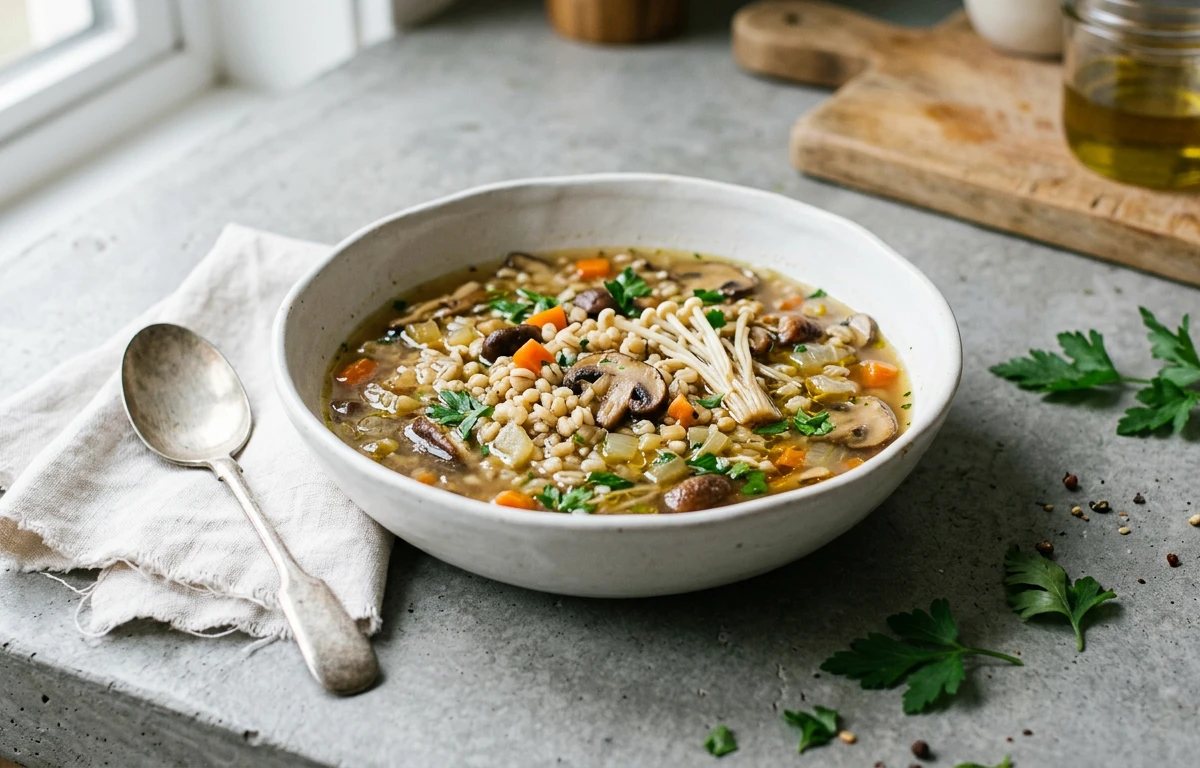
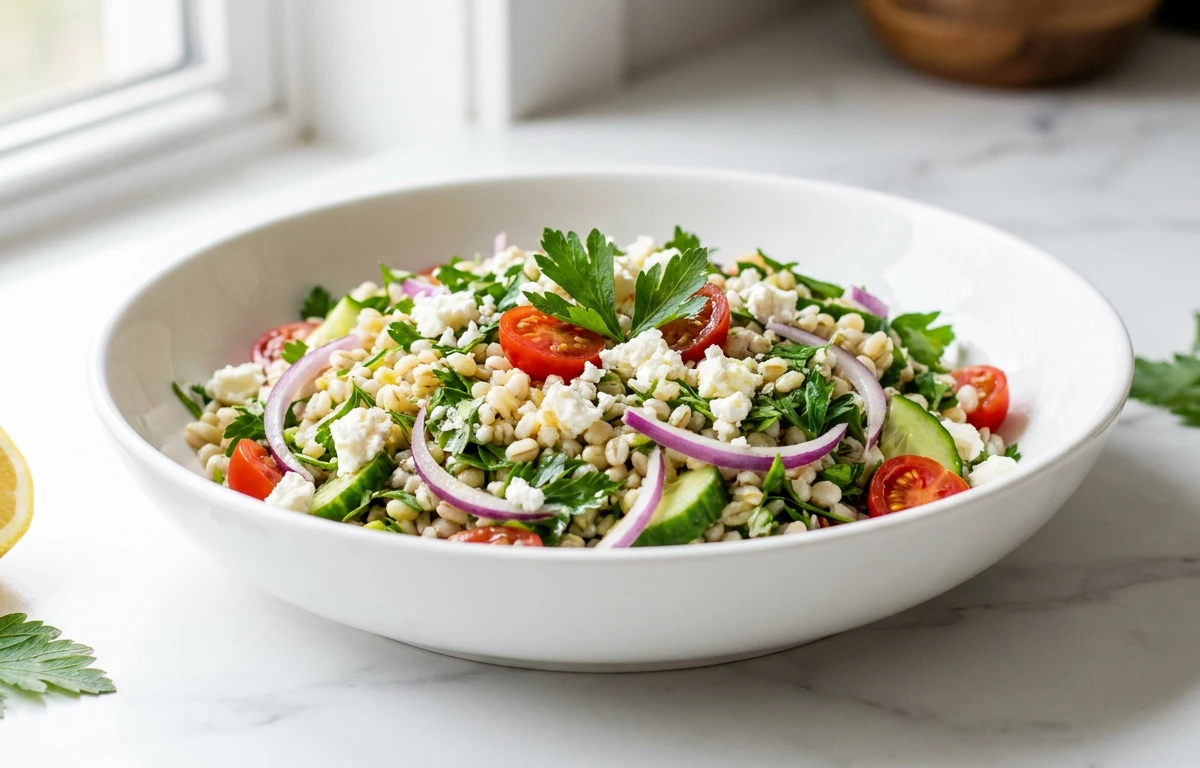
- 4Barley is a versatile grain for soups, stews, salads, and as a substitute for rice in dishes like pilaf or risotto (often called 'orzotto').
STORAGE
Keep it fresh.
- Store dry, uncooked barley in an airtight container in a cool, dark place like a pantry for up to one year.
- Cooked barley should be refrigerated in a sealed container and consumed within 3-5 days.
FAQ
Frequently asked questions.
Is barley healthy?
Yes, barley is a highly nutritious whole grain. It is exceptionally rich in soluble fiber, particularly beta-glucan, which is proven to lower cholesterol and improve heart health. It also provides essential minerals like selenium, manganese, and phosphorus.
How much protein and carbs are in barley?
A 100g serving of uncooked barley contains approximately 10.94g of protein and 61.29g of carbohydrates. While it is high in carbs, a significant portion of that is dietary fiber, which helps regulate digestion and energy release.
Is barley gluten-free?
No, barley is not gluten-free. It contains gluten proteins and must be avoided by individuals with celiac disease or gluten sensitivity. It is often used to make malt, which also contains gluten.
Can diabetics eat barley?
Yes, barley is beneficial for diabetes management because it has a low glycemic index. Its high fiber content slows down the absorption of sugar, helping to stabilize blood glucose levels after meals.
Is barley good for weight loss?
Barley can be an excellent aid for weight management due to its high fiber content, which promotes a feeling of fullness and satiety. This can help reduce overall calorie intake by preventing overeating and mid-day snacking.
What is the difference between hulled and pearled barley?
Hulled barley is a whole grain with only the outermost shell removed, making it more nutritious but slower to cook. Pearled barley has been processed to remove the bran layer, resulting in a softer texture and faster cooking time, though it contains slightly less fiber.
How do you cook barley?
For pearled barley, use a 1:3 ratio of grain to water or broth, simmer for about 25-30 minutes until tender. Hulled barley requires more water and a longer cooking time of 45-60 minutes, and it often benefits from being soaked overnight.
What does barley taste like?
Barley has a mild, nutty flavor and a distinctively chewy, pasta-like texture. Because its flavor is subtle, it is excellent at absorbing the seasonings and savory notes of soups, stews, and sauces.
How should I store barley and how long does it last?
Dry barley should be stored in an airtight container in a cool, dark place for up to 12 months. Once cooked, it can be refrigerated for 3-5 days or frozen for up to 3 months.
Is barley keto-friendly?
No, barley is not keto-friendly. With over 60g of carbohydrates per 100g, it exceeds the daily carb limit for a standard ketogenic diet, which typically focuses on high fats and very low carbohydrate intake.
RECIPES
Cook with barley.
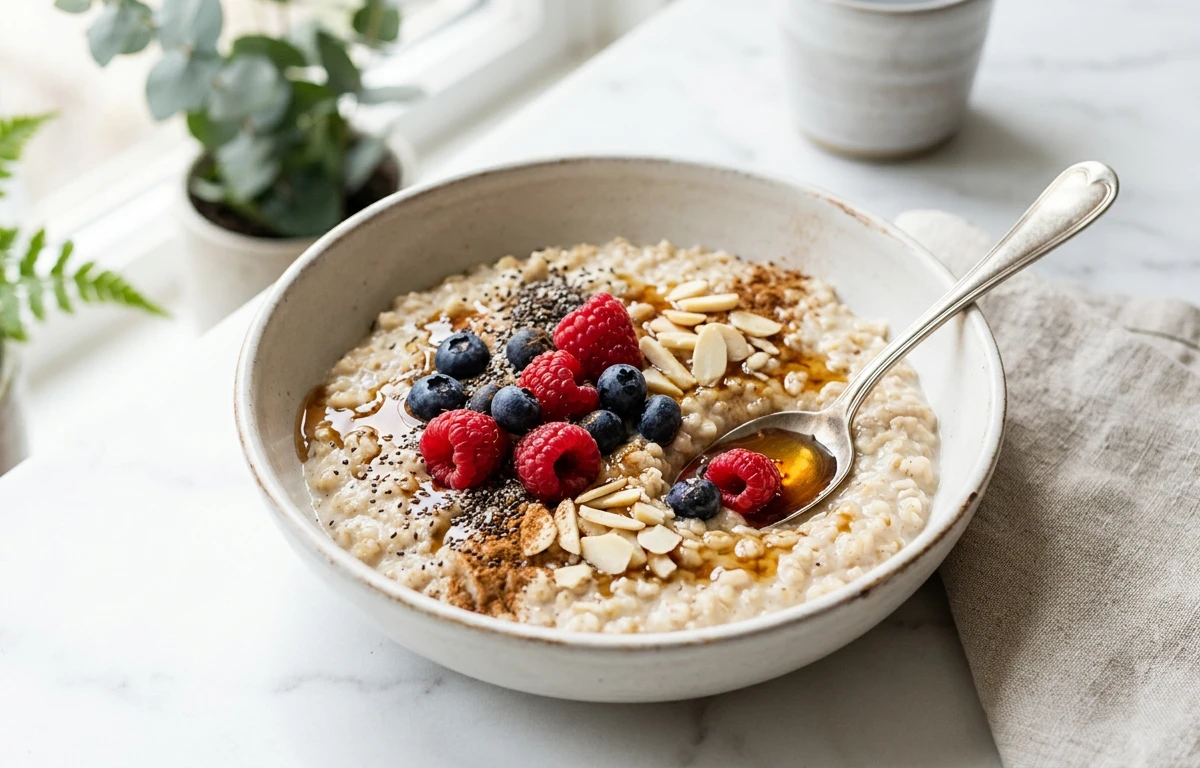
2 recipes · sorted by what’s quick