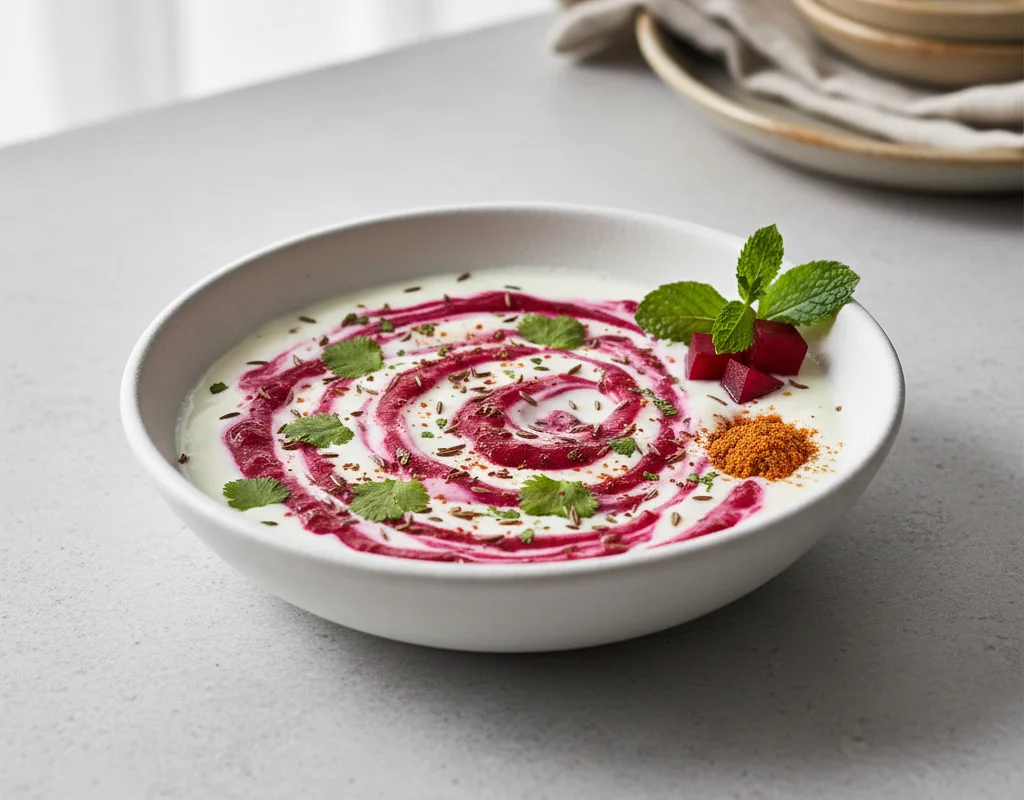
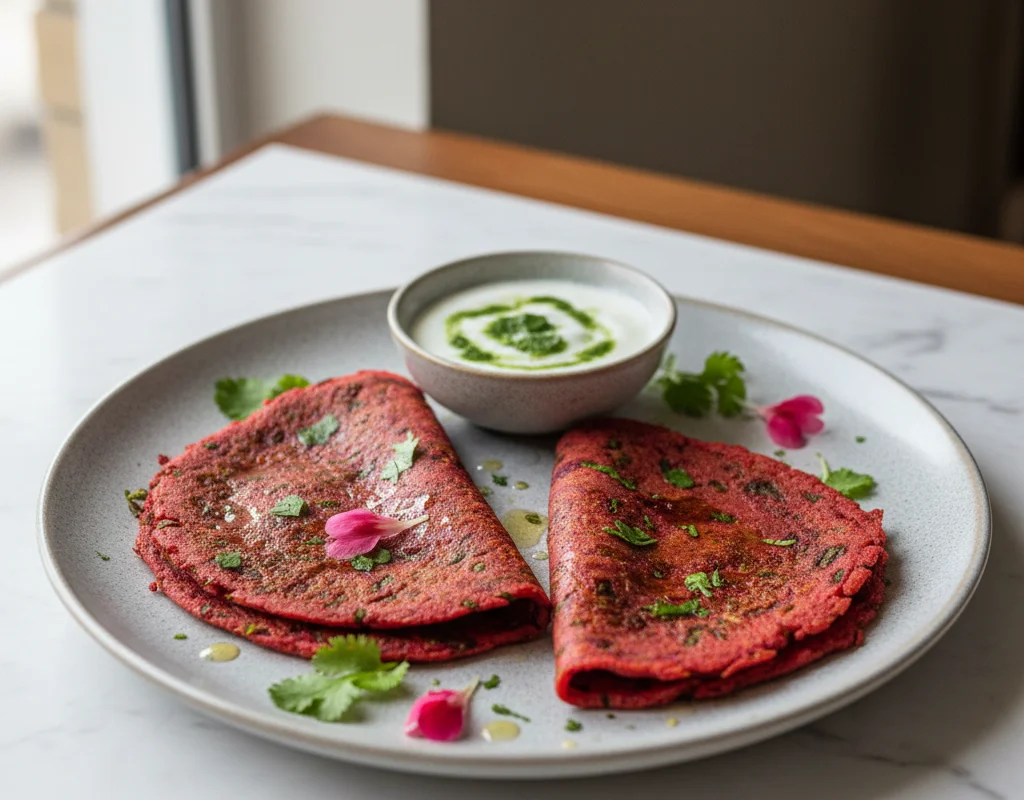
Other10 recipes
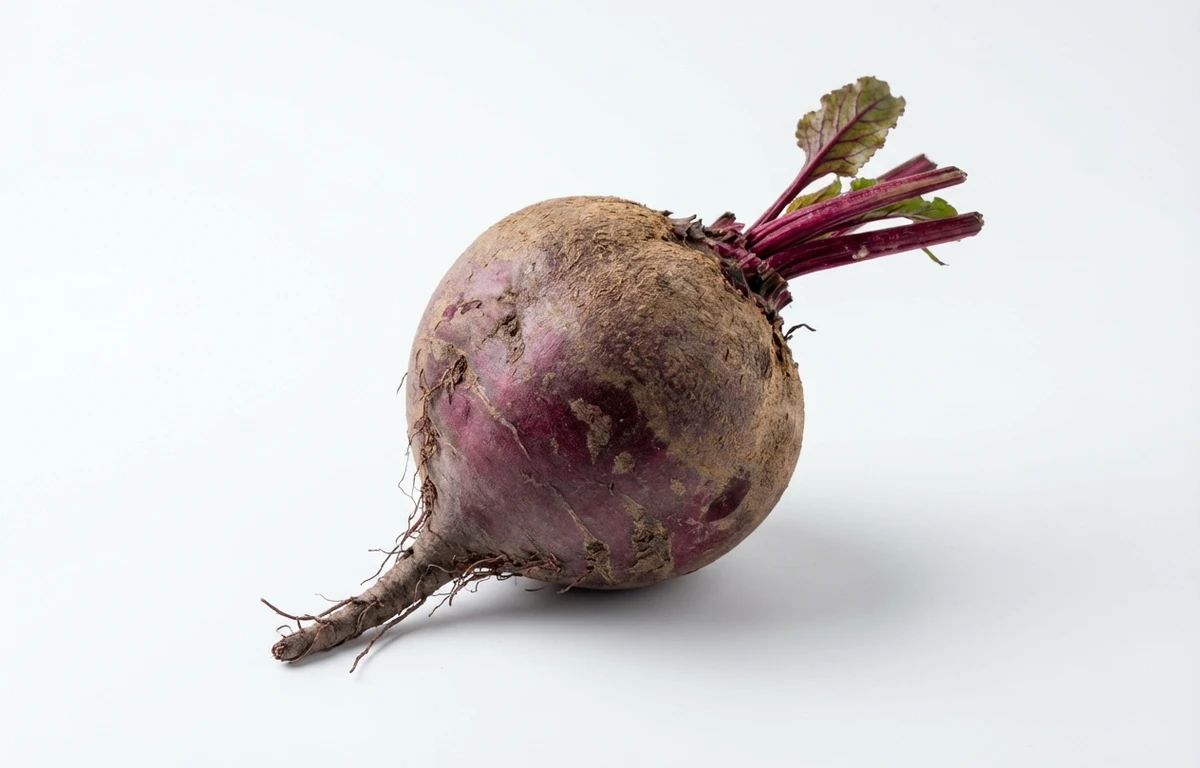
beetroot.
VegetarianVeganGluten-freeDairy-freeNut-freePeanut-freeSoy-freeEgg-freeShellfish-freeHoney-freeAlcohol-freeHalalKosher
ALSO KNOWN AS
Beetrootsbeetrootbeetsbeetgarden beettable beetred beetchukandarremolachabeterraba
SERVING
CALORIES
43
PROTEIN
1.6g
CARBS
9.6g
FAT
0.20g
FIBER
2.8g
NUTRITION PROFILE · per 100 g
Everything in this ingredient.
MACRONUTRIENTS
Calories43kcal—
Protein1.6g3%
Carbohydrates9.6g3%
Fiber2.8g10%
Sugar6.8g14%
Total fat0.20g0%
Saturated fat0.03g0%
Trans fat0g—
Cholesterol0mg0%
Water87.6g—
MINERALS
Sodium78mg3%
Potassium325mg7%
Calcium16mg1%
Iron0.80mg4%
Magnesium23mg5%
Phosphorus40mg3%
Zinc0.35mg3%
Copper0.08mg9%
Manganese0.33mg14%
Selenium0.70µg1%
VITAMINS
Vitamin A2.0µg0%
Vitamin C4.9mg5%
Vitamin D0µg0%
Vitamin E0.04mg0%
Vitamin K0.20µg0%
Thiamin (B1)0.03mg3%
Riboflavin (B2)0.04mg3%
Niacin (B3)0.33mg2%
Pantothenic acid (B5)0.16mg3%
Vitamin B60.07mg4%
Folate (B9)109µg27%
Vitamin B120µg0%
%DV based on a 2,000 cal diet. Source: USDA FoodData Central. A dash in the %DV column means there’s no established Daily Value for that nutrient.
MEASUREMENT CONVERSIONS
How much is what.
1 cup225g
1 tablespoon15g
1 teaspoon5g
1 oz28.4g
1 lb453.6g
1 ml1g
1 liter1000g
1 piece150g
HEALTH BENEFITS
Why eat it.
- ✓Helps lower blood pressure due to high nitrate content
- ✓Improves athletic performance and oxygen use
- ✓Supports liver health and detoxification
- ✓Rich in folate (B9) which is essential for cell growth
- ✓High fiber content supports digestive health
COOKING TIPS
In the kitchen.
- 1Roast whole with skins on to concentrate sugars and make peeling easier
- 2Add a splash of lemon juice or vinegar to the cooking water to maintain the vibrant red color
- 3Wear gloves when handling to prevent the betanin pigment from staining your hands
STORAGE
Keep it fresh.
- Remove green leaves immediately to prevent them from drawing moisture from the root
- Store unwashed roots in a perforated plastic bag in the refrigerator crisper drawer
- Can last 2-3 weeks in the fridge when stored properly
FAQ
Frequently asked questions.
How long does beetroot last in the fridge?
Fresh beetroot typically lasts 2 to 3 weeks in the refrigerator if the greens are removed and it is stored in a plastic bag.
Can you freeze raw beetroot?
It is best to blanch or fully cook beetroot before freezing; raw beetroot can become grainy and lose texture when thawed.
How do I pick the best beetroot at the store?
Look for firm, smooth-skinned roots with no soft spots or bruising. If the greens are attached, they should be bright and not wilted.
What can I use as a substitute for beetroot?
Carrots or parsnips provide a similar earthy sweetness and texture, while radishes can substitute for the crunch in raw applications.
How do I prepare beetroot for cooking?
Scrub the root gently under cold water. Do not peel before boiling or roasting to prevent the color from 'bleeding' out.
Is it safe to eat beetroot raw?
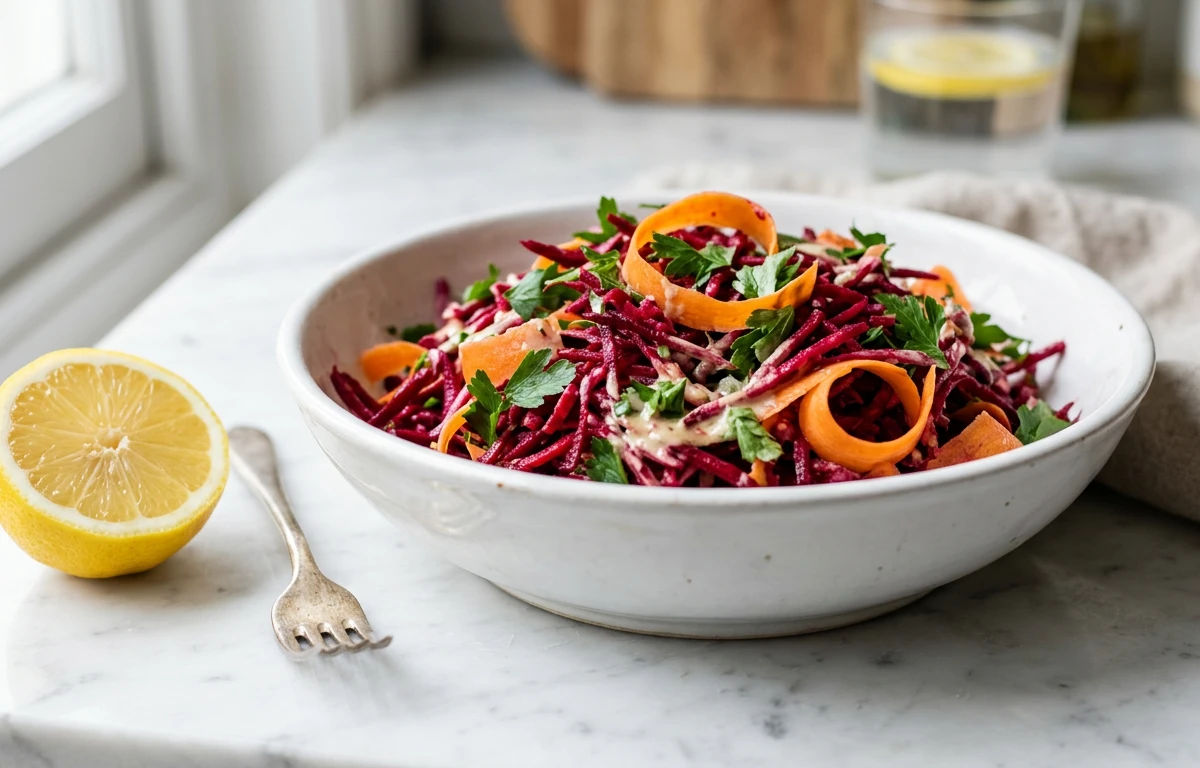
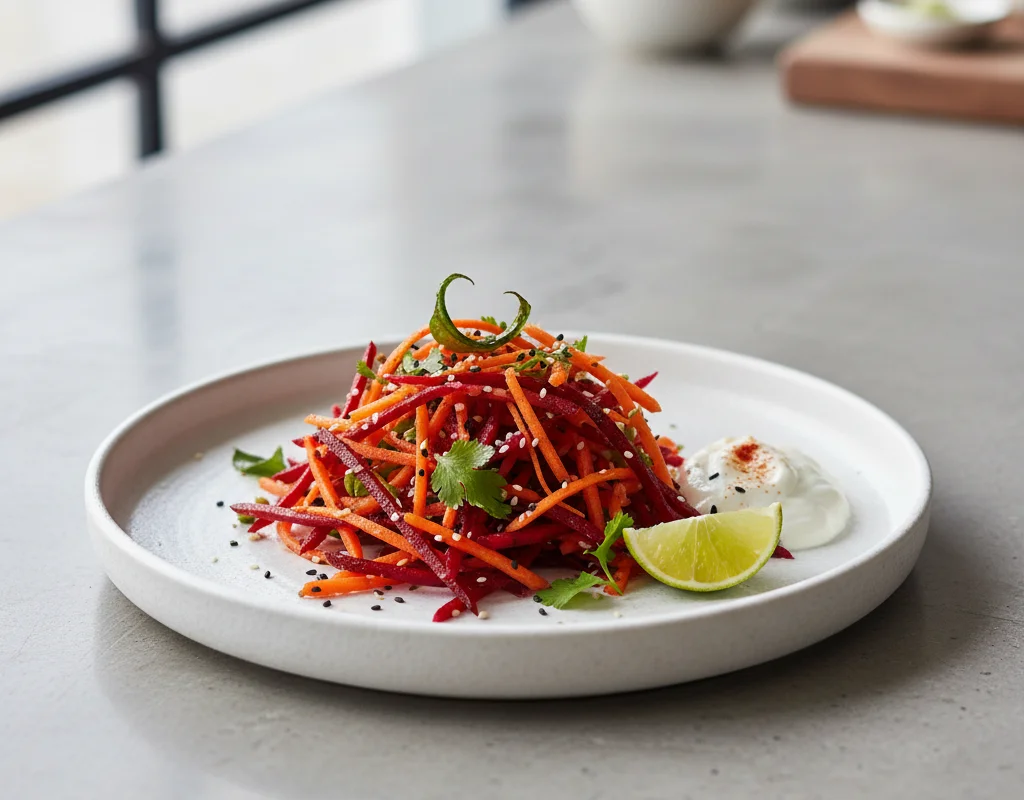
Yes, beetroot is delicious raw. It is commonly grated into salads or thinly sliced for carpaccio.
Why does eating beetroot change the color of urine?
This is a harmless condition called beeturia, caused by the excretion of betanin pigments found in the vegetable.
Are beetroot leaves edible?
Yes, beetroot greens are highly nutritious and can be cooked similarly to spinach or Swiss chard.
What are the main vitamins in beetroot?
Beetroot is particularly high in Folate (Vitamin B9), Manganese, Potassium, and Vitamin C.
Does cooking beetroot reduce its health benefits?
While some Vitamin C is lost during heating, the nitrates and fiber remain largely intact. Roasting is the best method to preserve flavor.
RECIPES
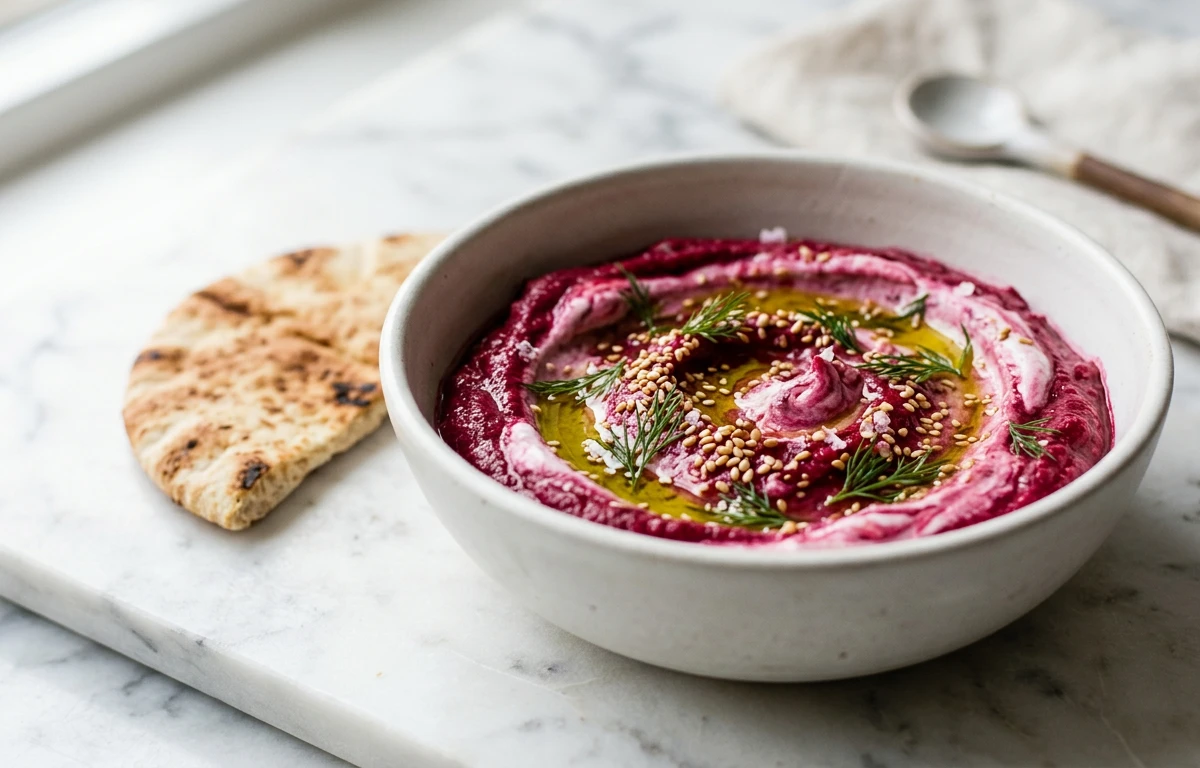
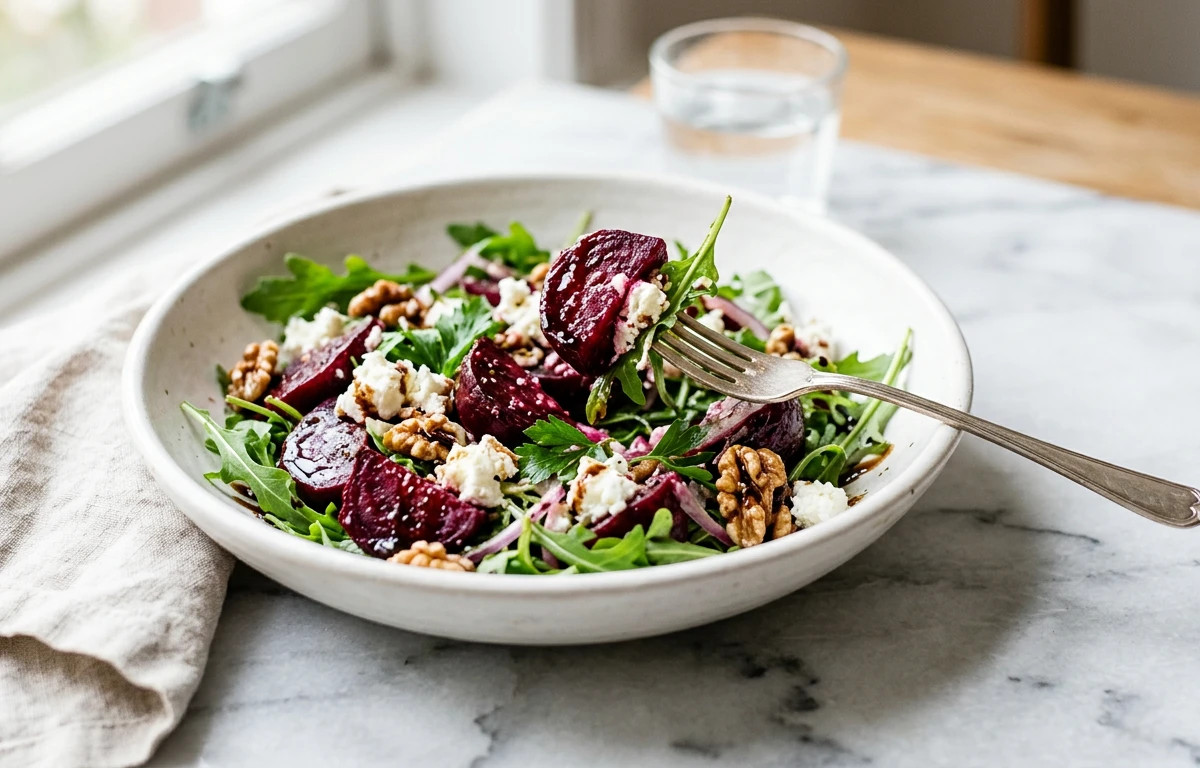
Cook with beetroot.
10 recipes · sorted by what’s quick