Other10 recipes
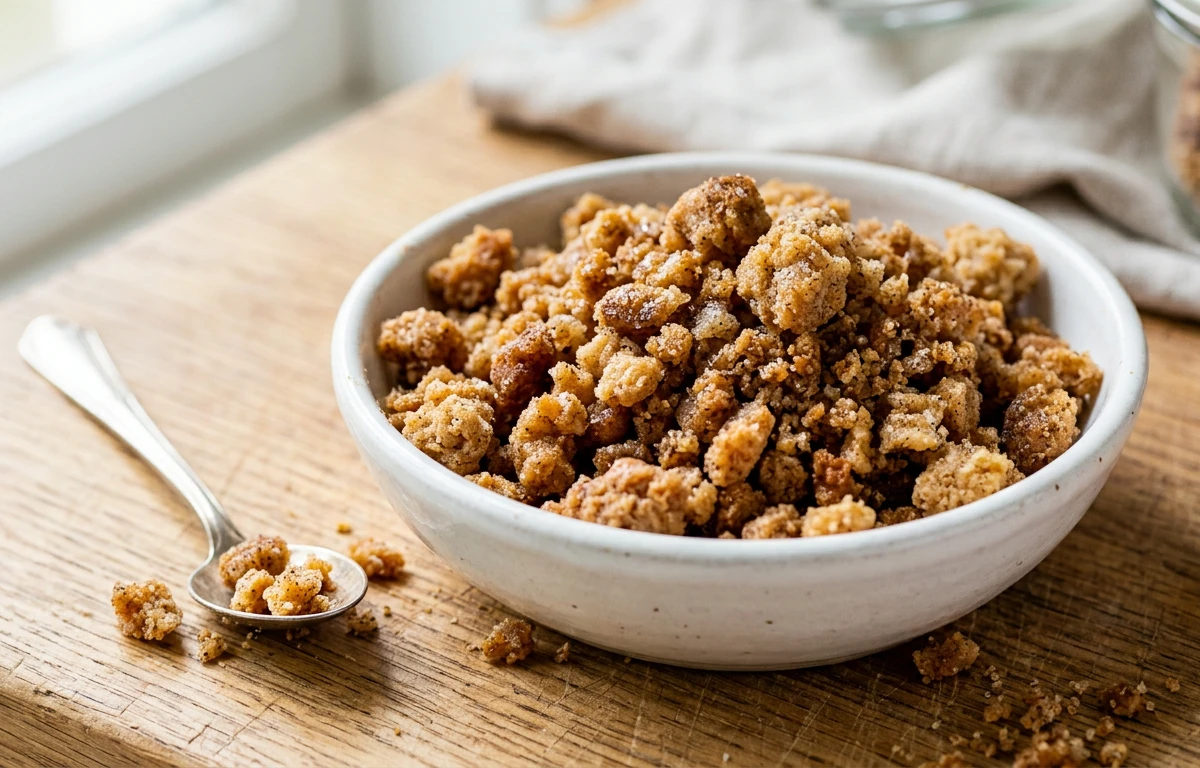
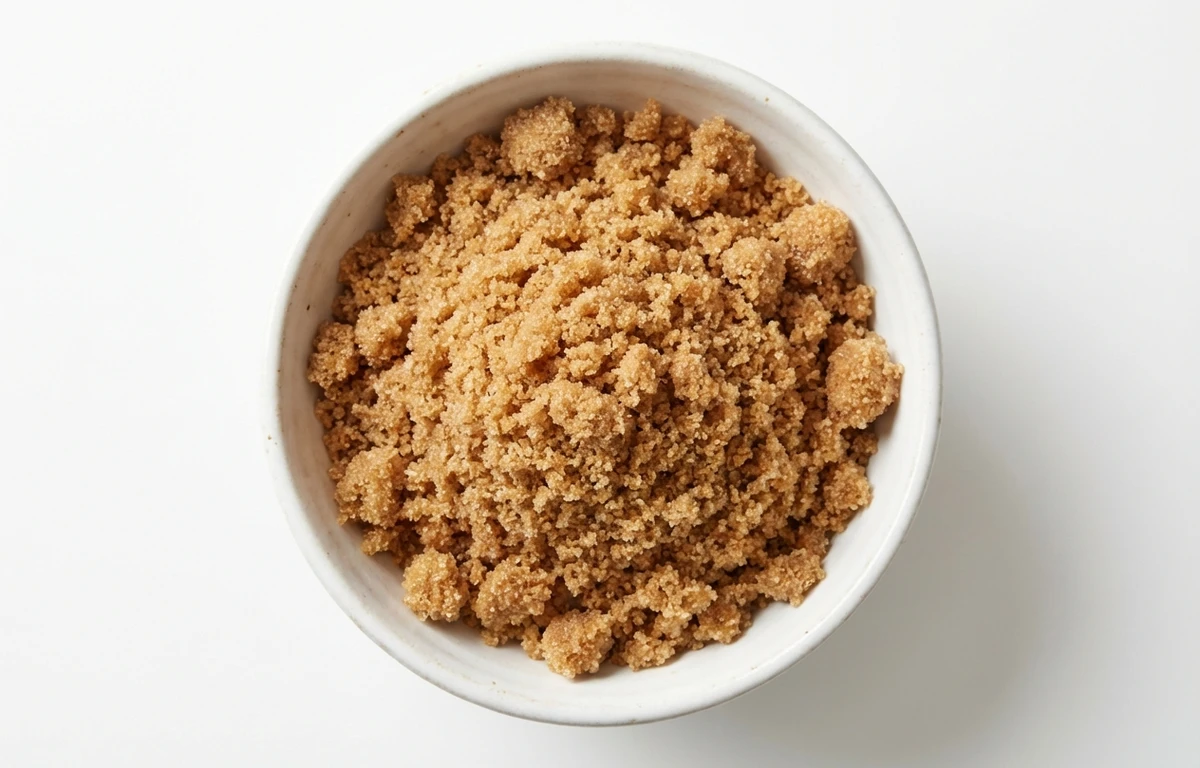
brown sugar.
VegetarianVeganGluten-freeDairy-freeNut-freePeanut-freeSoy-freeEgg-freeShellfish-freeHoney-freeAlcohol-free
ALSO KNOWN AS
Bhoora Cheeni
SERVING
CALORIES
380
PROTEIN
0.12g
CARBS
98.1g
FAT
0g
FIBER
0g
NUTRITION PROFILE · per 100 g
Everything in this ingredient.
MACRONUTRIENTS
Calories380kcal—
Protein0.12g0%
Carbohydrates98.1g36%
Fiber0g0%
Sugar97g194%
Total fat0g0%
Saturated fat0g0%
Cholesterol0mg0%
Water1.3g—
MINERALS
Sodium28mg1%
Potassium133mg3%
Calcium83mg6%
Iron0.71mg4%
Magnesium9.0mg2%
Phosphorus4.0mg0%
Zinc0.03mg0%
Copper0.05mg6%
Manganese0.06mg3%
Selenium1.2µg2%
VITAMINS
Vitamin A0µg0%
Vitamin C0mg0%
Vitamin D0µg0%
Vitamin E0mg0%
Vitamin K0µg0%
Thiamin (B1)0mg0%
Riboflavin (B2)0mg0%
Niacin (B3)0.11mg1%
Pantothenic acid (B5)0.13mg3%
Vitamin B60.04mg2%
Folate (B9)1.0µg0%
Vitamin B120µg0%
%DV based on a 2,000 cal diet. Source: USDA FoodData Central. A dash in the %DV column means there’s no established Daily Value for that nutrient.
MEASUREMENT CONVERSIONS
How much is what.
1 cup220g
1 tablespoon15g
1 teaspoon4g
1 ml0.8g
1 liter800g
HEALTH BENEFITS
Why eat it.
- ✓Provides a quick source of energy from simple carbohydrates.
- ✓Contains trace amounts of minerals like potassium, calcium, and iron from its molasses content.
- ✓Can be used as a gentle exfoliant in homemade skin care treatments.
COOKING TIPS
In the kitchen.
- 1Pack firmly into measuring cups for accurate measurement due to its moist, clumpy texture.
- 2Use in baked goods like cookies and cakes to add moisture, a chewy texture, and a rich caramel or toffee flavor.
- 3Dissolves easily, making it ideal for creating glazes for meats like ham or salmon, and for sweetening sauces and marinades.
- 4When substituting for white sugar, it will impart a darker color and a more complex flavor to the final dish.
STORAGE
Keep it fresh.
- Store in an airtight container at room temperature to prevent it from drying out and hardening.
- To soften hardened brown sugar, place a slice of bread, an apple wedge, or a terracotta brown sugar saver in the container for 24-48 hours.
FAQ
Frequently asked questions.
Is brown sugar healthier than white sugar?
While brown sugar contains trace minerals like calcium, potassium, and iron from its molasses content, the amounts are too small to provide significant health benefits. Nutritionally, it is very similar to white sugar and should be consumed in moderation as part of a balanced diet.
How many calories and carbs are in brown sugar?
Brown sugar contains approximately 380 calories and 98 grams of carbohydrates per 100 grams. It is almost entirely composed of simple carbohydrates, providing a quick source of energy but offering no significant protein or fat.
Is brown sugar vegan?
Most brown sugar is considered vegan, but some brands use bone char to refine the base white sugar before adding molasses. If you follow a strict vegan diet, look for brands labeled 'certified organic' or 'unrefined,' as these do not use animal-derived processing agents.
Is brown sugar gluten-free?
Yes, brown sugar is naturally gluten-free as it is derived from sugar cane or sugar beets and molasses. It is safe for individuals with celiac disease or gluten sensitivities, provided it hasn't been cross-contaminated during packaging.
What is the difference between light and dark brown sugar?
The difference lies in the molasses content. Light brown sugar typically contains about 3.5% molasses, while dark brown sugar contains about 6.5%, resulting in a deeper color, a stronger caramel flavor, and slightly more moisture.
Can I substitute white sugar for brown sugar in baking?
You can substitute them, but it will affect the final product. Brown sugar adds moisture and a chewy texture; using white sugar instead will result in a crispier, lighter-colored bake with a less complex flavor profile.
How do you keep brown sugar from getting hard?
To prevent hardening, store brown sugar in an airtight container in a cool, dry place. You can also include a 'sugar saver' (a piece of food-grade terracotta), a few marshmallows, or a slice of bread in the container to maintain the necessary moisture levels.
How do you soften brown sugar that has already hardened?
You can quickly soften it by placing the sugar in a microwave-safe bowl covered with a damp paper towel and microwaving it in 20-second bursts. Alternatively, place a slice of fresh bread in the airtight container with the sugar for 24 hours to restore its moisture.
Is brown sugar keto-friendly?
No, brown sugar is not keto-friendly. It is extremely high in carbohydrates and has a high glycemic index, which will cause a spike in blood sugar and prevent the body from staying in ketosis.
Can brown sugar be used for skincare?
Yes, brown sugar is an excellent natural exfoliant for DIY skincare. Its granules are softer than white sugar or salt, making it gentle enough for sensitive skin when used in body or lip scrubs to remove dead skin cells.
RECIPES
Cook with brown sugar.
10 recipes · sorted by what’s quick