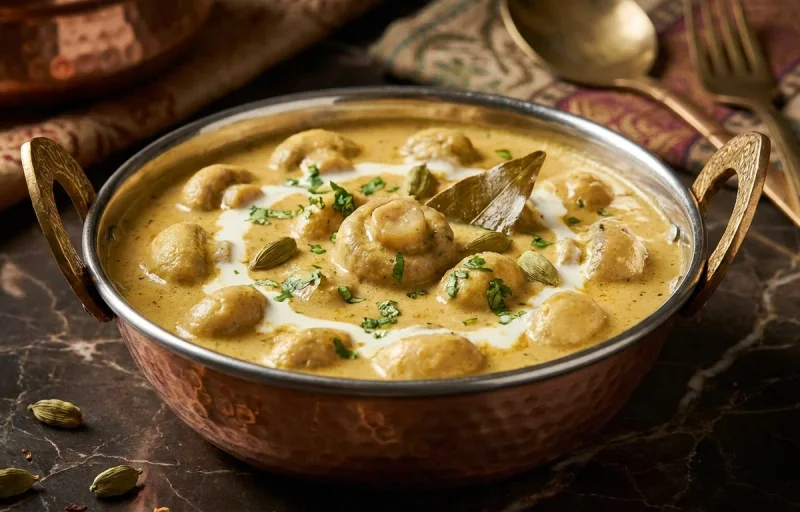
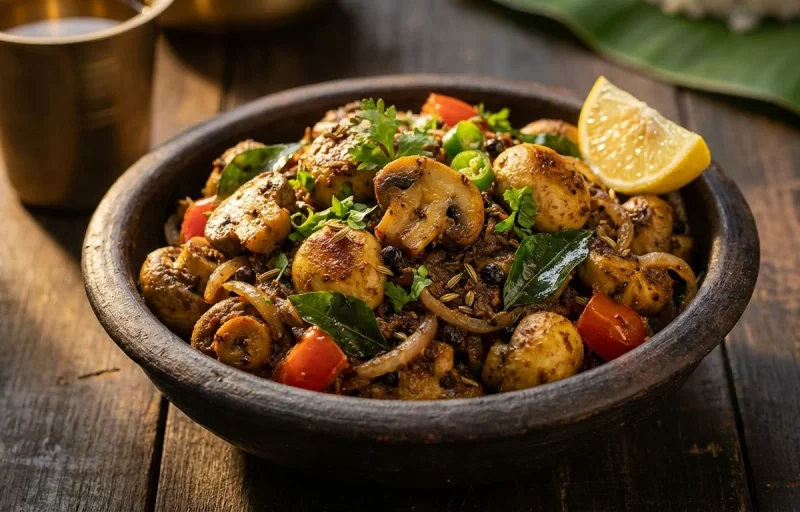
Other10 recipes
button mushrooms.
VegetarianVeganGluten-freeDairy-freeNut-freePeanut-freeSoy-freeEgg-freeShellfish-freeHoney-freeAlcohol-free
ALSO KNOWN AS
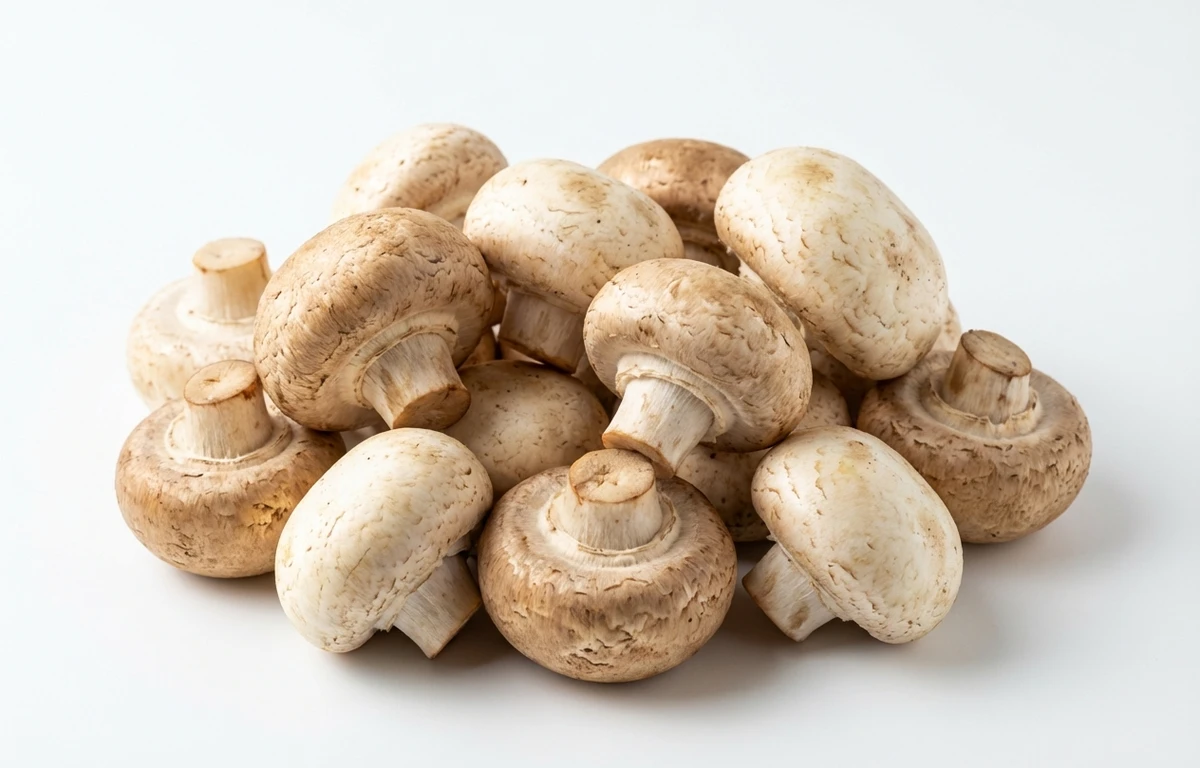
white button mushroombutton mushroomagaricus bisporuskhumbkalanchampignon de paristable mushroomraw white mushroomfresh button mushroommushrooms sauteedwhite mushroomschampignon mushroomstable mushroomscultivated mushroomsbutton mushroomschampignonsmushrooms
SERVING
CALORIES
22
PROTEIN
2.2g
CARBS
2.8g
FAT
0.20g
FIBER
1.0g
NUTRITION PROFILE · per 100 g
Everything in this ingredient.
MACRONUTRIENTS
Calories22kcal—
Protein2.2g4%
Carbohydrates2.8g1%
Fiber1.0g4%
Sugar1.5g3%
Total fat0.20g0%
Saturated fat0.05g0%
Trans fat0g—
Cholesterol0mg0%
Water92.5g—
MINERALS
Sodium5.0mg0%
Potassium318mg7%
Calcium3.0mg0%
Iron0.50mg3%
Magnesium9.0mg2%
Phosphorus86mg7%
Zinc0.50mg5%
Copper0.30mg33%
Manganese0.05mg2%
Selenium9.3µg17%
VITAMINS
Vitamin A0µg0%
Vitamin C2.1mg2%
Vitamin D0.20µg1%
Vitamin E0.01mg0%
Vitamin K0µg0%
Thiamin (B1)0.08mg7%
Riboflavin (B2)0.40mg31%
Niacin (B3)3.6mg23%
Pantothenic acid (B5)1.5mg30%
Vitamin B60.10mg6%
Folate (B9)16µg4%
Vitamin B120.04µg2%
%DV based on a 2,000 cal diet. Source: USDA FoodData Central. A dash in the %DV column means there’s no established Daily Value for that nutrient.
MEASUREMENT CONVERSIONS
How much is what.
1 cup70g
1 oz28.4g
1 lb453.6g
1 piece18g
HEALTH BENEFITS
Why eat it.
- ✓Rich in B vitamins for energy metabolism
- ✓Contains selenium which acts as a powerful antioxidant
- ✓Low calorie and high water content supports weight management
- ✓Source of beta-glucans which may support heart health
- ✓Provides a plant-based source of Vitamin D when exposed to sunlight
COOKING TIPS
In the kitchen.
- 1Avoid overcrowding the pan to ensure they brown rather than steam
- 2Sauté on medium-high heat to quickly evaporate their high water content
- 3Wipe with a damp paper towel instead of soaking to prevent water absorption
STORAGE
Keep it fresh.
- Store in a breathable paper bag rather than plastic to prevent sliminess
- Keep in the main compartment of the refrigerator for up to 7 days
- Do not wash or trim until immediately before you are ready to cook
FAQ
Frequently asked questions.
How long do button mushrooms last in the fridge?
Fresh button mushrooms typically last 4 to 7 days when stored in a paper bag in the refrigerator.
Can you freeze raw button mushrooms?
It is not recommended to freeze them raw as they become mushy. It is best to sauté or blanch them before freezing.
Should I wash mushrooms before cooking?
Mushrooms are like sponges; soaking them makes them soggy. Wipe them with a damp cloth or give them a very brief rinse and pat dry immediately.
What is the best substitute for button mushrooms?
Cremini (baby bella) mushrooms are the best substitute as they are the same species but slightly more mature with a deeper flavor.
How can I tell if button mushrooms have gone bad?
Look for a slimy texture, dark brown or black spots, or a sour/ammonia-like smell. If they feel soft and spongy, they are past their prime.
Can button mushrooms be eaten raw?
Yes, they are safe to eat raw and are commonly used in salads, though cooking them releases more of their nutrients and improves digestibility.
Why do mushrooms turn brown after cutting?
This is due to oxidation. Tossing them in a little lemon juice or cooking them immediately can prevent this discoloration.
Are button mushrooms good for weight loss?
Yes, they are very low in calories (22 per 100g) and have a high water content, making them a great high-volume, low-calorie food.
RECIPES
Cook with button mushrooms.
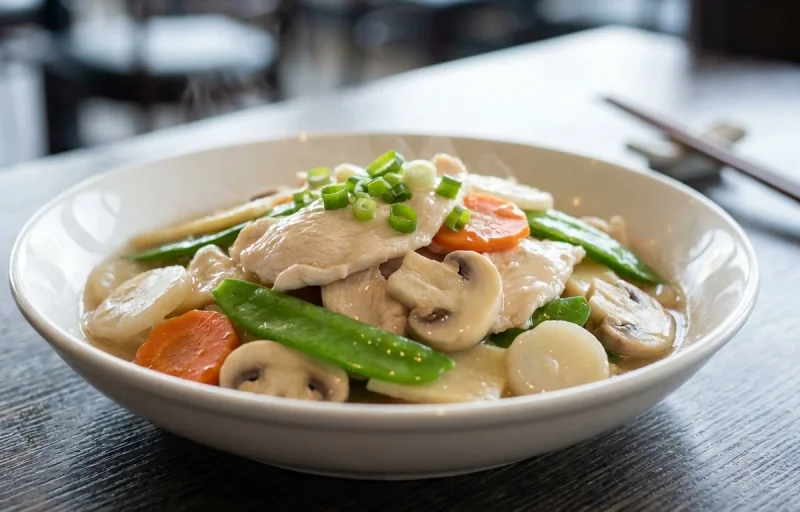
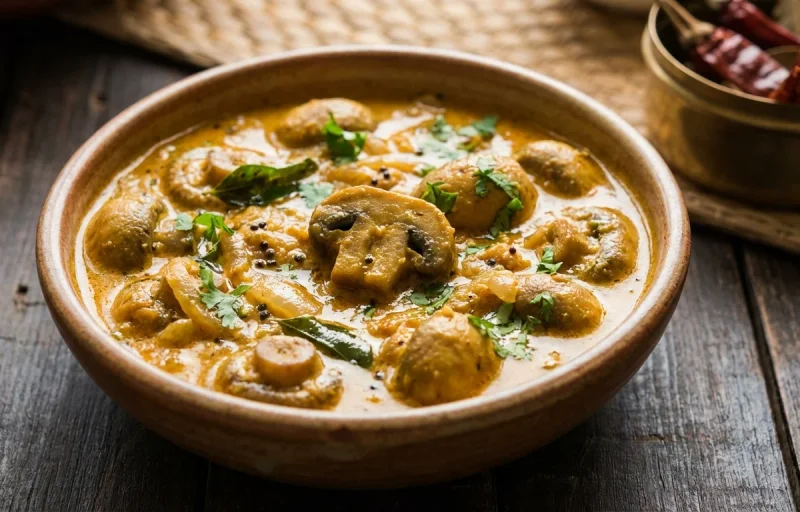
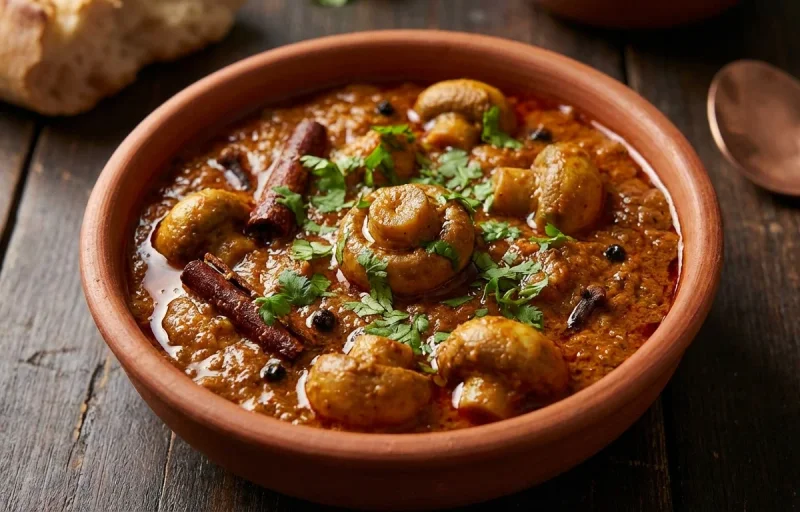
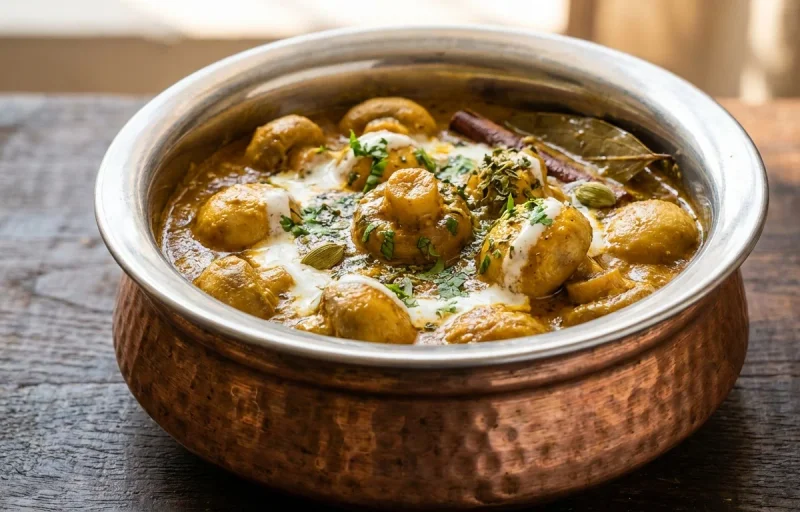
10 recipes · sorted by what’s quick