grain2 recipes
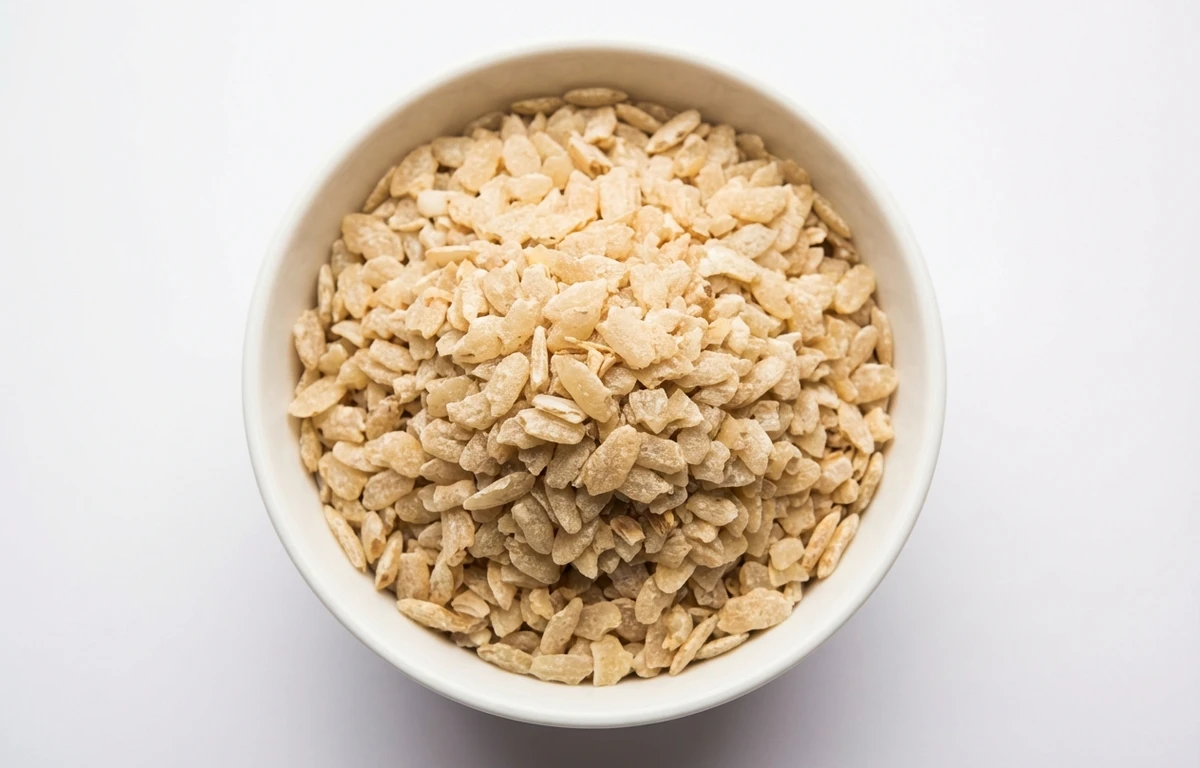
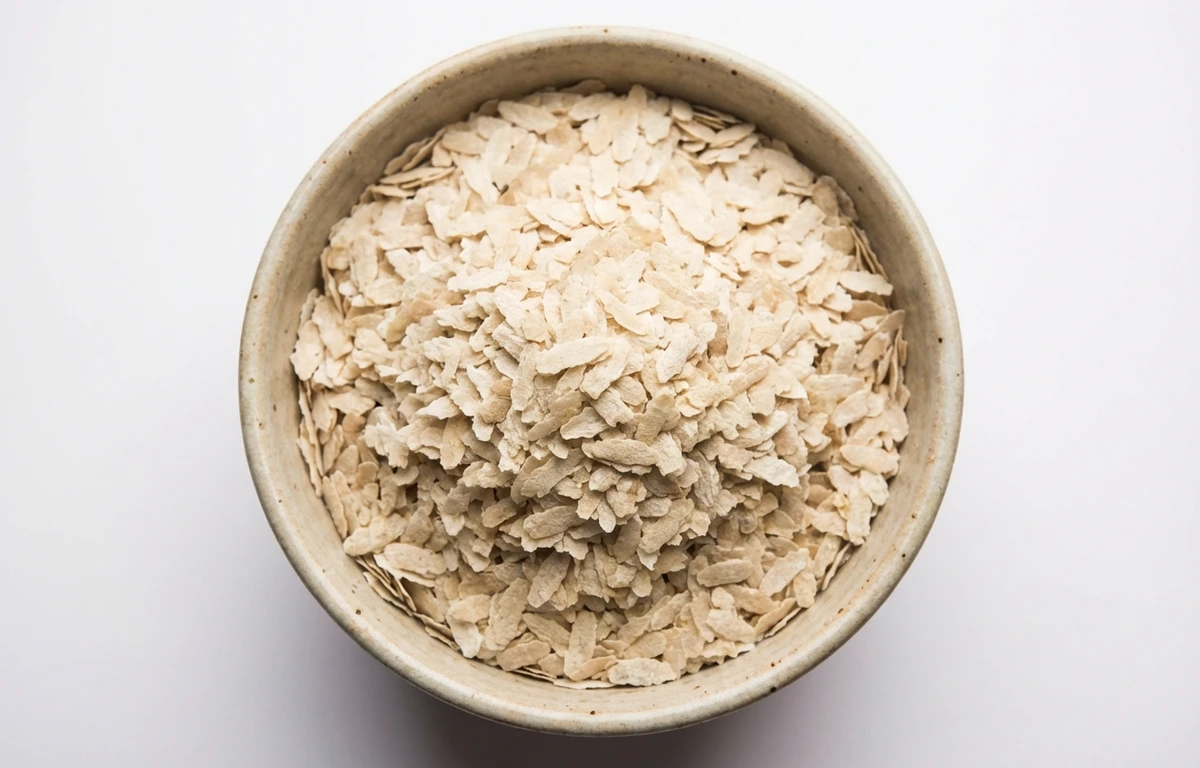
chuda.
VegetarianVeganGluten-freeDairy-freeNut-freePeanut-freeSoy-freeEgg-freeShellfish-freeHoney-freeAlcohol-free
SERVING
CALORIES
346
PROTEIN
6.7g
CARBS
77.3g
FAT
1.8g
FIBER
1.0g
NUTRITION PROFILE · per 100 g
Everything in this ingredient.
MACRONUTRIENTS
Calories346kcal—
Protein6.7g13%
Carbohydrates77.3g28%
Fiber1.0g4%
Sugar0g0%
Total fat1.8g2%
Saturated fat0.30g2%
Trans fat0g—
Cholesterol0mg0%
Water13.2g—
MINERALS
Sodium6.0mg0%
Potassium164mg3%
Calcium20mg2%
Iron4.5mg25%
Magnesium35mg8%
Phosphorus238mg19%
Zinc1.2mg11%
Copper0.15mg17%
Manganese1.0mg43%
Selenium12µg22%
VITAMINS
Vitamin A0µg0%
Vitamin C0mg0%
Vitamin D0µg0%
Vitamin E0.10mg1%
Vitamin K1.5µg1%
Thiamin (B1)0.25mg21%
Riboflavin (B2)0.05mg4%
Niacin (B3)4.1mg26%
Pantothenic acid (B5)0.70mg14%
Vitamin B60.15mg9%
Folate (B9)15µg4%
Vitamin B120µg0%
%DV based on a 2,000 cal diet. Source: USDA FoodData Central. A dash in the %DV column means there’s no established Daily Value for that nutrient.
MEASUREMENT CONVERSIONS
How much is what.
1 cup50g
HEALTH BENEFITS
Why eat it.
- ✓Provides a quick source of energy from healthy carbohydrates.
- ✓Easily digestible and light on the stomach, making it a suitable breakfast food.
- ✓A good source of iron, which can help in preventing iron deficiency anemia.
- ✓Low in calories and fat, making it a good option for weight management.
COOKING TIPS
In the kitchen.
- 1Rinse the flattened rice in a colander under running water just until it softens. Avoid over-soaking, as it can become mushy.
- 2The thickness of the flakes (thin, medium, or thick) determines its use; thin flakes are great for no-cook snacks, while thick flakes hold up better in cooked savory dishes like Poha.
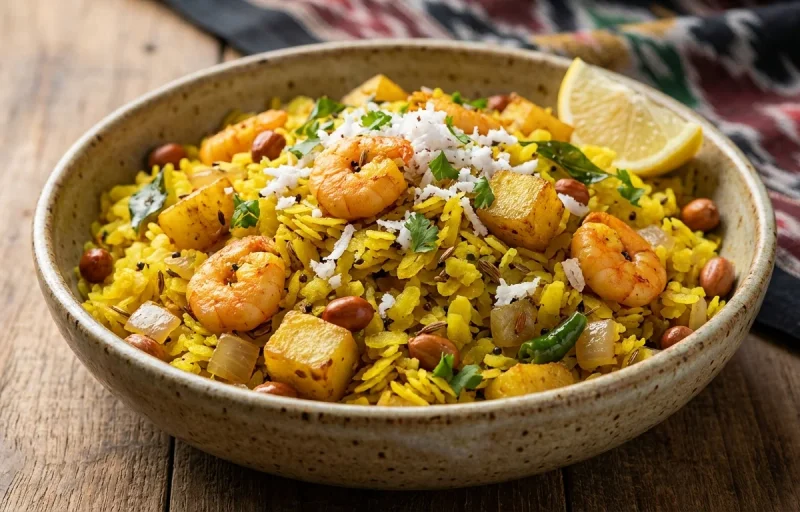
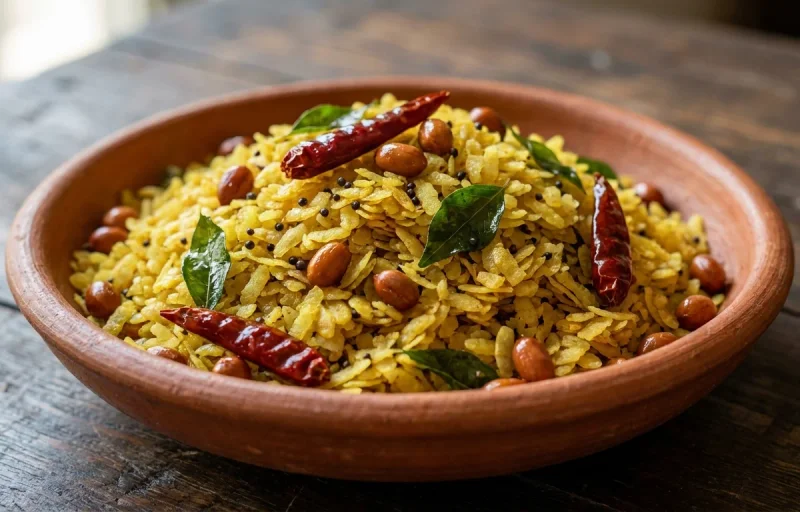
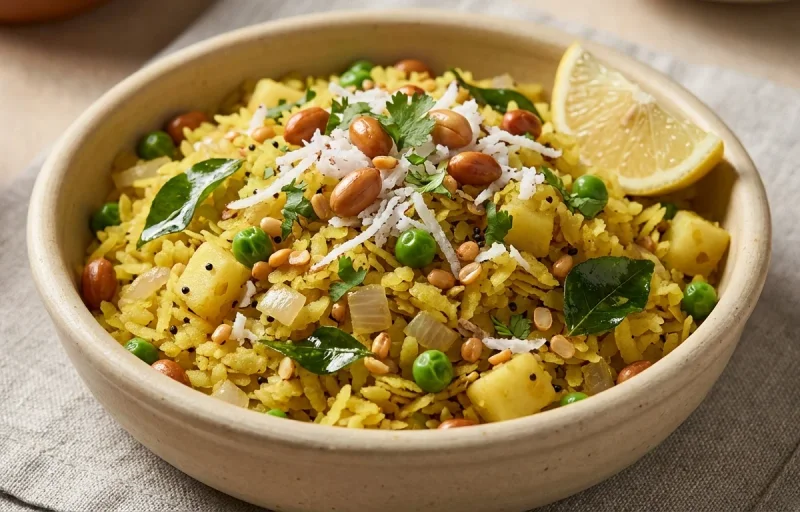
- 3For a classic savory dish, sauté the rehydrated chuda with mustard seeds, turmeric, onions, and vegetables.
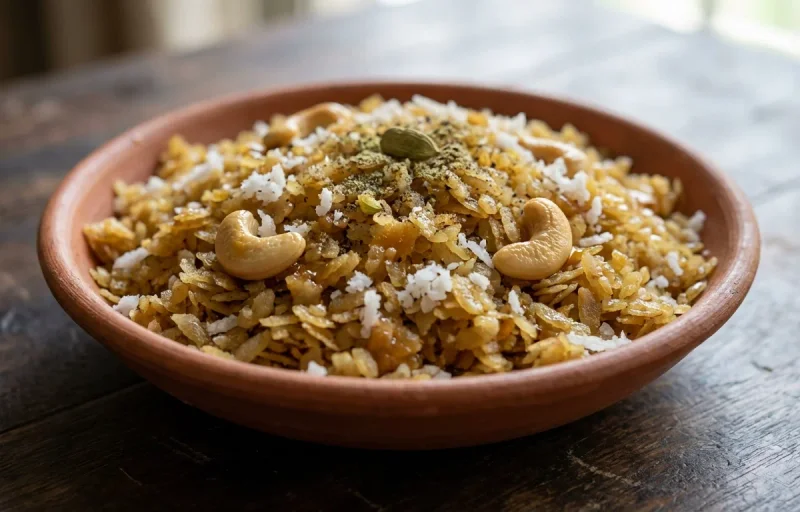
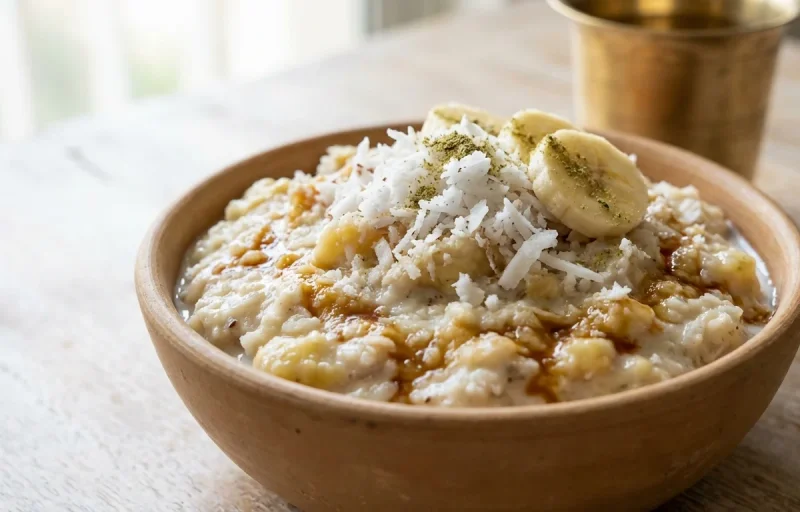
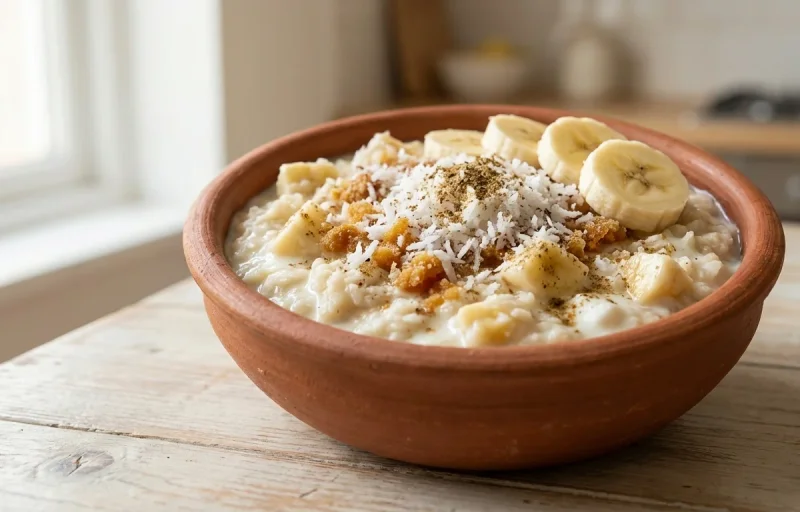
- 4For a sweet preparation, mix soaked chuda with jaggery, grated coconut, and a pinch of cardamom.
STORAGE
Keep it fresh.
- Store in a cool, dry place in an airtight container to protect it from moisture and pests.
- When stored properly, it can last for up to 6-12 months without losing its texture or flavor.
FAQ
Frequently asked questions.
Is chuda healthy?
Yes, chuda is a healthy and nutritious grain option. It is a rich source of iron, low in fat, and provides quick energy through healthy carbohydrates, making it an excellent choice for a light breakfast or snack.
Is chuda good for weight loss?
Chuda can be beneficial for weight loss because it is low in calories and fat. It expands when soaked, allowing you to feel full with a smaller portion, and its high digestibility prevents bloating.
How much protein and carbs are in chuda?
Per 100g serving, chuda contains approximately 77.3g of carbohydrates and 6.7g of protein. While it is primarily a carbohydrate source for energy, it provides a modest amount of plant-based protein.
Is chuda gluten-free?
Yes, chuda is naturally gluten-free as it is made entirely from rice. This makes it a safe and popular alternative for individuals with celiac disease or those following a gluten-restricted diet.
Is chuda keto-friendly?
No, chuda is not keto-friendly. It contains about 77.3g of carbohydrates per 100g, which exceeds the low-carb requirements of a typical ketogenic diet.
How do you prepare chuda for cooking?
To prepare chuda, place it in a colander and rinse it under running water for about 30-60 seconds until softened, then drain thoroughly. Avoid over-soaking, as it can become mushy; it should be moist but firm before sautéing.
What does chuda taste like?
Chuda has a very mild, neutral, and slightly nutty flavor. Because of its bland profile, it is excellent at absorbing the flavors of spices, vegetables, or sweeteners it is cooked with.
How should chuda be stored and how long does it last?
Store chuda in an airtight container in a cool, dry place to prevent it from absorbing moisture. When kept away from humidity and pests, it typically remains fresh for 6 to 12 months.
Can diabetics eat chuda?
Diabetics can eat chuda in moderation, but should be mindful of portion sizes due to its high carbohydrate content. Pairing it with fiber-rich vegetables and protein can help manage blood sugar spikes.
Is chuda better than white rice?
Chuda is often considered a lighter alternative to white rice because it is parboiled and flattened, making it easier to digest. It also typically contains more iron than polished white rice due to the production process.
RECIPES
Cook with chuda.
2 recipes · sorted by what’s quick