Chuda Ghasa
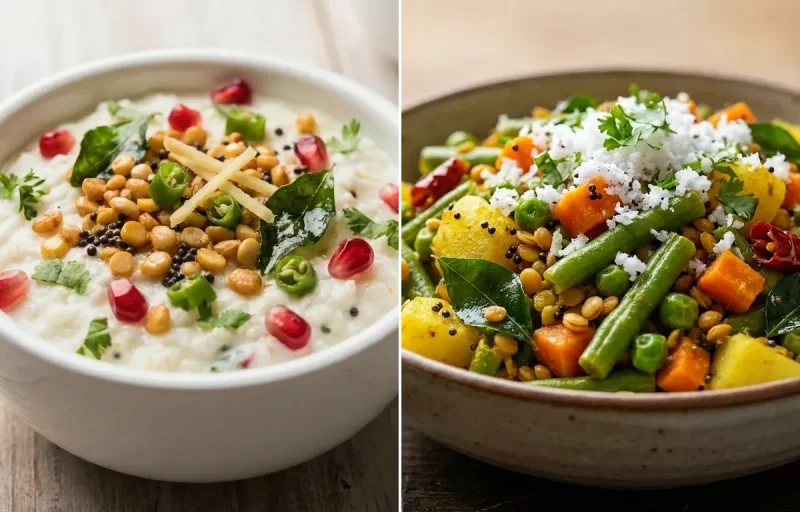
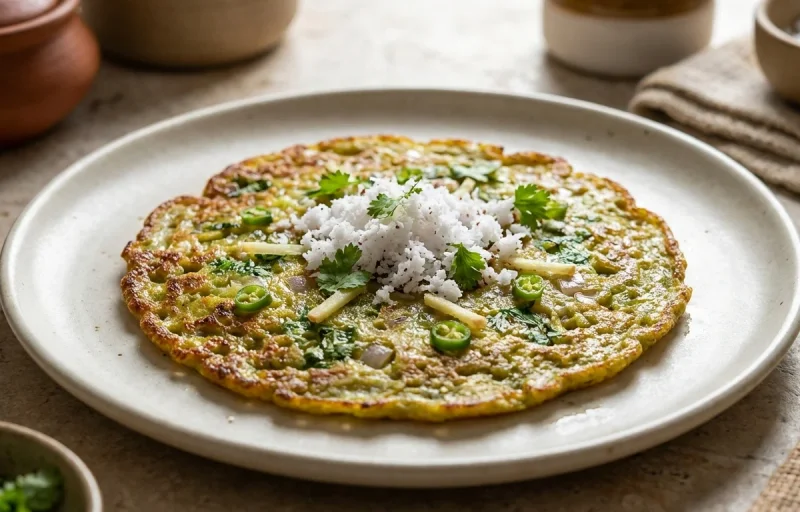
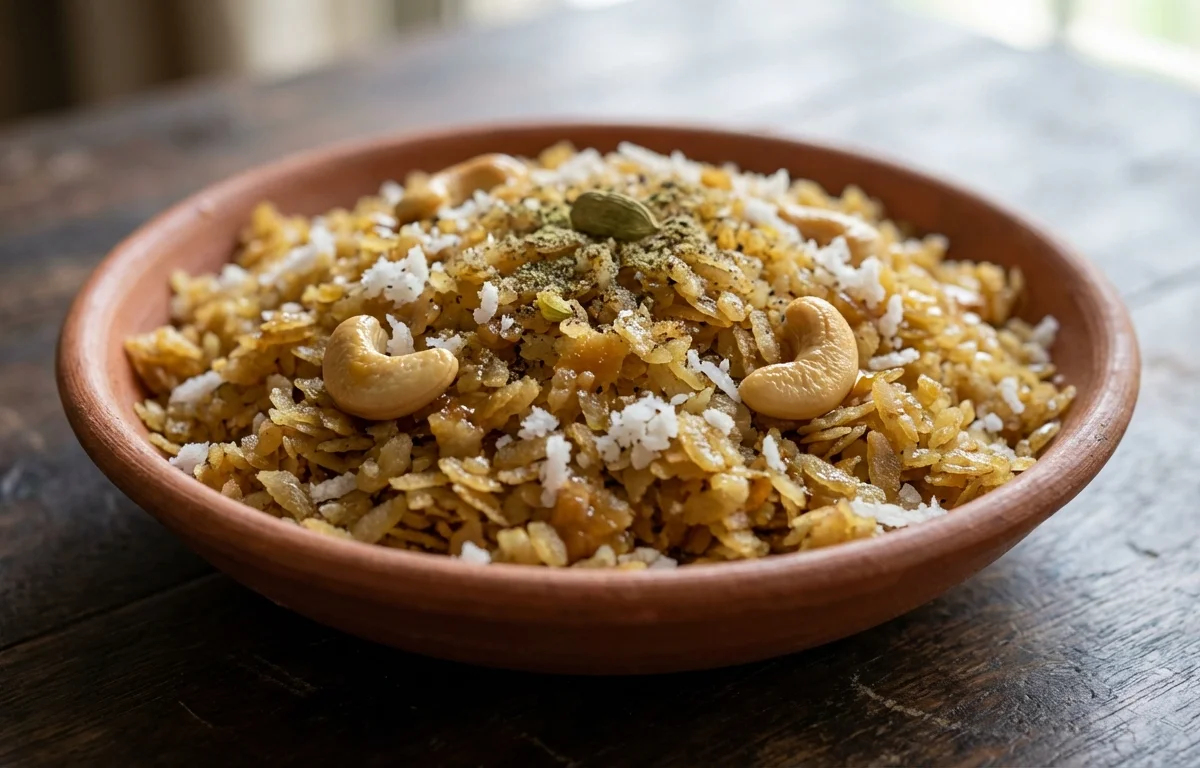
A fragrant Odia-style flattened rice dish where soft, moist poha meets the rustic crunch of freshly ground coconut-mustard paste. Grated coconut, green chilies, and a gentle hand with spices make this a comforting breakfast or evening snack that comes together in minutes without any cooking beyond a quick tempering.
For 4 servings
- prep · ~5 min
Wash and drain the poha.
Place poha in a colander and rinse under running water for 30 seconds. Drain completely and let it sit for 5 minutes to soften. The grains should be moist but not mushy — they should separate easily when fluffed with a fork.
- prep · ~2 min
Make the coconut-chili-ginger paste.
In a mortar and pestle, coarsely crush the grated coconut, green chilies, and ginger together. You want a rough, rustic paste — not a fine grind. This releases the oils and melds the flavors.
TIPDon't use a high-speed blender; a coarse grind keeps the texture interesting and prevents the coconut from becoming watery. - mix · ~1 min
Combine poha with the paste.
Transfer the softened poha to a large mixing bowl. Add the coconut-chili-ginger paste, salt, and sugar. Gently mix everything with your fingertips until the paste coats the poha evenly without breaking the grains.
- temper · ~2 min
Make the tempering.
1.Heat mustard oil in a small pan over medium heat until just smoking.2.Add mustard seeds and let them splutter completely (30 seconds).3.Toss in curry leaves and fry until fragrant and crisp (10 seconds).4.Immediately pour the hot tempering over the poha mixture.TIPMustard oil develops a sweet, nutty flavor when heated to its smoking point — don't skip this step. - mix · ~1 min
Toss and finish with lemon juice.
Drizzle lemon juice over the poha and toss gently to combine. Check seasoning and adjust salt if needed.
- garnish
Garnish with coriander and serve.
Scatter fresh coriander leaves on top. Serve immediately at room temperature — no reheating needed.
TIPChuda Ghasa tastes best within an hour of making. If resting, cover with a damp cloth so it doesn't dry out.
What to keep in mind.
7 tips from the recipe — small details that make a real difference to the final dish.
- 1Wash poha in a colander under gentle running water for exactly 30 seconds — over-washing makes it mushy.
- 2Let the rinsed poha rest for 5 minutes so the grains absorb moisture and soften evenly.
- 3Coarsely crush the coconut-chili-ginger paste in a mortar; a fine blender grind makes the paste watery.
- 4Heat mustard oil until it just begins to smoke — this tames its pungency and brings out a nutty aroma.
- 5Pour the hot tempering immediately over the poha so the sizzling oil coats every grain.
- 6Mix the poha with your fingertips, not a spoon, to avoid crushing the delicate flakes.
- 7Serve within an hour; if storing, cover the bowl with a damp cloth to prevent drying out.
Adapt it for your goals.
Low-oil
Skip the tempering and simply stir raw mustard oil (1 tsp) into the poha mixture along with crushed mustard seeds and curry leaf powder for a no-heat, lower-fat version.
high proteinHigh-protein
Add 1/2 cup of roasted peanuts or crumbled paneer after the tempering for extra protein and crunch, making it a more filling meal.
veganVegan
This recipe is already vegan as written — just ensure your sugar is plant-based.
spicySpicy
Add 1-2 more slit green chilies and a pinch of red chili powder to the tempering for a fiery kick.
Why this is on our healthy list.
Quick Energy from Poha
Flattened rice (poha) is a light carbohydrate that provides rapid, easily digestible energy, making this dish ideal for breakfast or a pre-workout snack.
Healthy Fats from Coconut
Fresh grated coconut supplies medium-chain triglycerides (MCTs) that support metabolism and provide sustained energy.
Digestive Aid from Mustard Seeds
Mustard seeds contain enzymes that stimulate digestion, and their antimicrobial properties can support gut health.
Antioxidant Rich from Curry Leaves
Curry leaves are packed with antioxidants like carbazole alkaloids that help combat oxidative stress and inflammation.
Frequently asked questions
Thin poha becomes too mushy when washed; thick poha holds its shape and gives the right chewy-soft texture.