Grain10 recipes
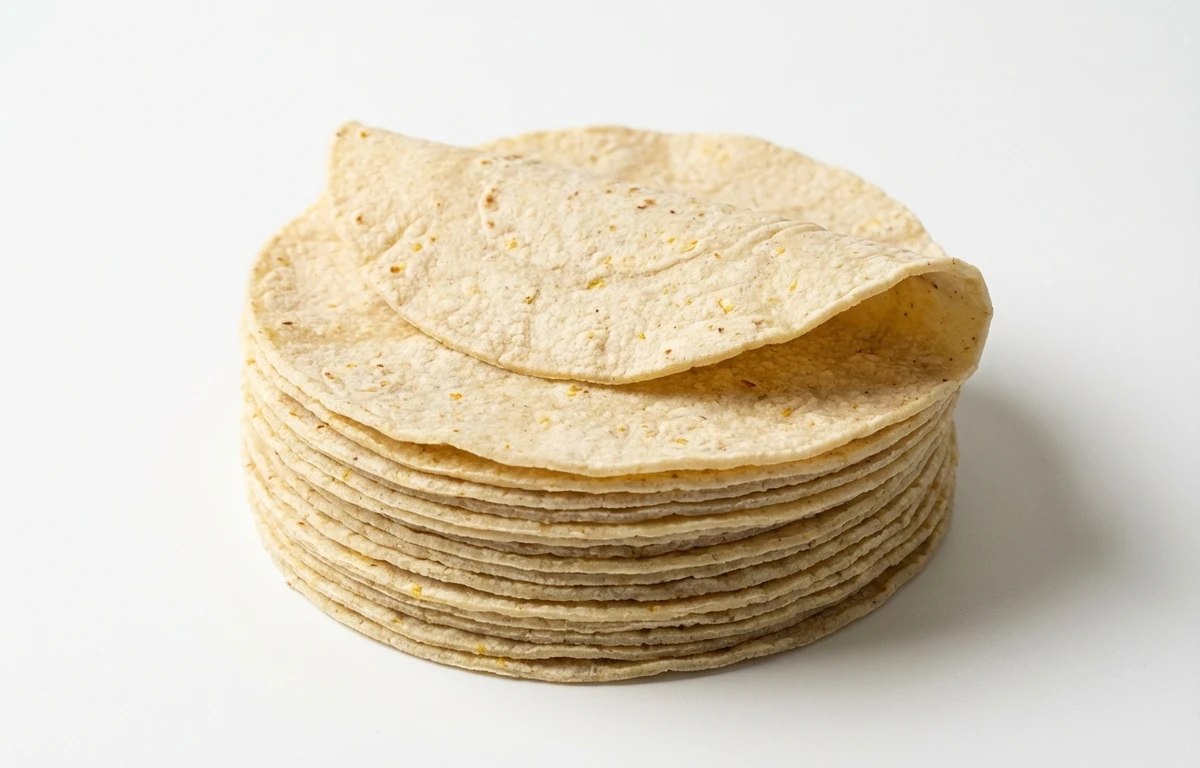
corn tortillas.
VegetarianVeganGluten-freeDairy-freeNut-freePeanut-freeSoy-freeEgg-freeShellfish-freeHoney-freeAlcohol-freeWhole grain
ALSO KNOWN AS
tortilla de maizcorn tortillaSmall Corn Tortillas
SERVING
CALORIES
218
PROTEIN
5.7g
CARBS
45g
FAT
2.8g
FIBER
6.3g
NUTRITION PROFILE · per 100 g
Everything in this ingredient.
MACRONUTRIENTS
Calories218kcal—
Protein5.7g11%
Carbohydrates45g16%
Fiber6.3g23%
Sugar0.90g2%
Total fat2.8g4%
Saturated fat0.40g2%
Trans fat0g—
Cholesterol0mg0%
Water45g—
MINERALS
Sodium45mg2%
Potassium185mg4%
Calcium180mg14%
Iron1.3mg7%
Magnesium75mg18%
Phosphorus220mg18%
Zinc1.2mg11%
Copper0.10mg11%
Manganese0.40mg17%
Selenium12µg22%
VITAMINS
Vitamin A0µg0%
Vitamin C0mg0%
Vitamin D0µg0%
Vitamin E0.20mg1%
Vitamin K0.30µg0%
Thiamin (B1)0.10mg8%
Riboflavin (B2)0.10mg8%
Niacin (B3)1.8mg11%
Pantothenic acid (B5)0.40mg8%
Vitamin B60.20mg12%
Folate (B9)10µg3%
Vitamin B120µg0%
%DV based on a 2,000 cal diet. Source: USDA FoodData Central. A dash in the %DV column means there’s no established Daily Value for that nutrient.
MEASUREMENT CONVERSIONS
How much is what.
1 oz28.4g
1 lb453.6g
1 piece26g
HEALTH BENEFITS
Why eat it.
- ✓Naturally gluten-free alternative to wheat bread
- ✓High in dietary fiber for digestive health
- ✓Good source of calcium due to the nixtamalization process
- ✓Provides complex carbohydrates for sustained energy
- ✓Lower in calories and fat compared to flour tortillas
COOKING TIPS
In the kitchen.
- 1Always heat before using to make them pliable and prevent cracking
- 2Heat on a dry skillet or comal for 30 seconds per side until slightly charred
- 3Keep heated tortillas wrapped in a clean cloth or tortilla warmer to maintain softness
STORAGE
Keep it fresh.
- Store in an airtight bag in the refrigerator for up to 10 days
- Can be frozen for up to 6 months; place parchment paper between them to prevent sticking
- Keep away from moisture to prevent mold growth
FAQ
Frequently asked questions.
How long do corn tortillas last?
In the refrigerator, they typically last 7 to 10 days if kept in an airtight container. At room temperature, they may only last 2-3 days.
Can you freeze corn tortillas?
Yes, they freeze very well. Wrap them tightly in plastic wrap or a freezer bag. Thaw in the refrigerator before reheating.
Are corn tortillas gluten-free?
Yes, traditional corn tortillas made from 100% corn masa are naturally gluten-free. Always check labels for cross-contamination if you have Celiac disease.
Why do my corn tortillas break when I fold them?
This usually happens because they are cold or dry. Heating them on a skillet or in a microwave with a damp paper towel makes them flexible.
What is the best way to reheat them?
The best method is on a hot, dry cast-iron skillet for about 30-60 seconds per side until they puff slightly and soften.
What can I use as a substitute for corn tortillas?
Flour tortillas are the closest substitute, though they contain gluten. For a low-carb option, large lettuce leaves or cabbage leaves can be used.
How can I tell if they have gone bad?
Look for spots of mold (often green, white, or black), a sour or off smell, or a slimy texture.
Are corn tortillas healthier than flour tortillas?
Generally yes, as they are usually lower in calories, higher in fiber, and made from whole grains without the lard or vegetable shortening found in flour tortillas.
RECIPES
Cook with corn tortillas.
10 recipes · sorted by what’s quick