Other10 recipes
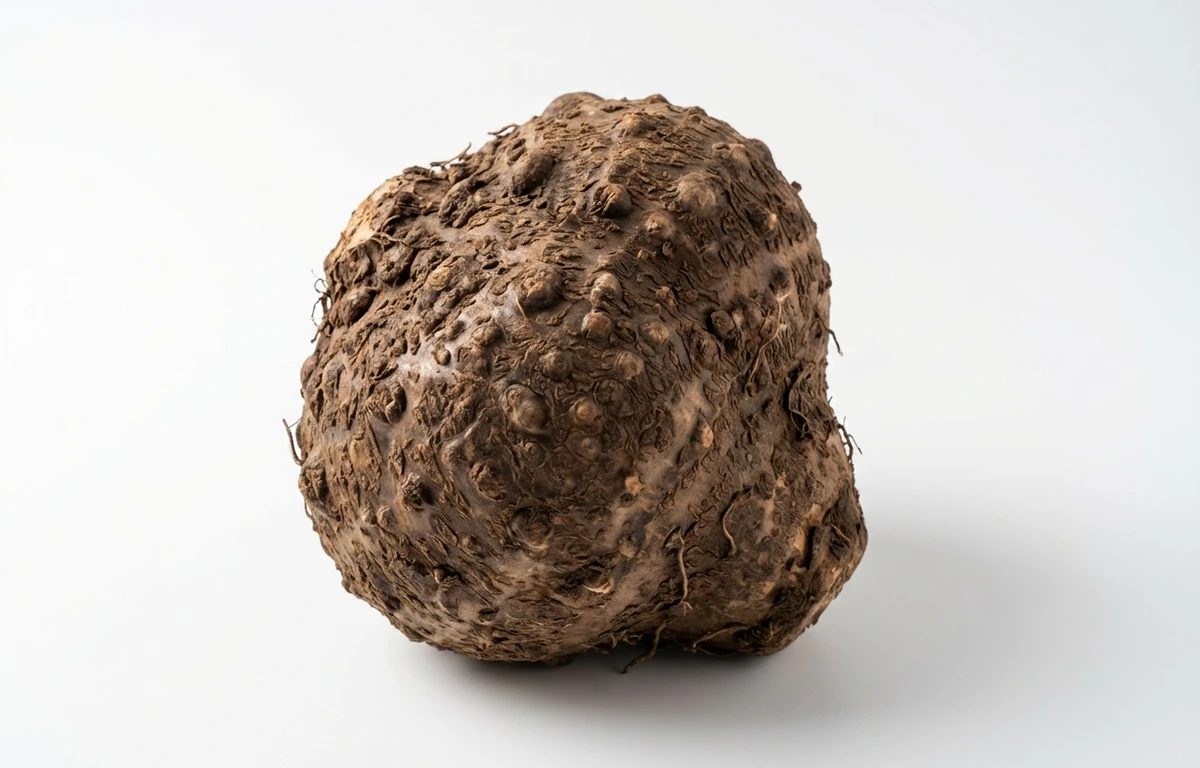
elephant foot yam.
VegetarianVeganGluten-freeDairy-freeNut-freePeanut-freeSoy-freeEgg-freeShellfish-freeHoney-freeAlcohol-freeHalalKosher
ALSO KNOWN AS
suranjimikandchenai kizhanguolsuvarna gaddekanda gaddasenai kizhanguamorphophallus paeoniifolius
SERVING
CALORIES
118
PROTEIN
1.5g
CARBS
25g
FAT
0.10g
FIBER
3.9g
This ingredient is flagged as naturally gluten-free. Per 100 g, it provides 2.3 µg of vitamin K.
NUTRITION PROFILE · per 100 g
Everything in this ingredient.
MACRONUTRIENTS
Calories118kcal—
Protein1.5g3%
Carbohydrates25g9%
Fiber3.9g14%
Sugar0.50g1%
Total fat0.10g0%
Saturated fat0.03g0%
Trans fat0g—
Cholesterol0mg0%
Water70g—
MINERALS
Sodium9.0mg0%
Potassium450mg10%
Calcium20mg2%
Iron0.60mg3%
Magnesium21mg5%
Phosphorus35mg3%
Zinc0.20mg2%
Copper0.15mg17%
Manganese0.10mg4%
Selenium0.70µg1%
VITAMINS
Vitamin A0µg0%
Vitamin C12mg13%
Vitamin D0µg0%
Vitamin E0.30mg2%
Vitamin K2.3µg2%
Thiamin (B1)0.10mg8%
Riboflavin (B2)0.03mg2%
Niacin (B3)0.50mg3%
Pantothenic acid (B5)0.30mg6%
Vitamin B60.20mg12%
Folate (B9)16µg4%
Vitamin B120µg0%
%DV based on a 2,000 cal diet. Source: USDA FoodData Central. A dash in the %DV column means there’s no established Daily Value for that nutrient.
MEASUREMENT CONVERSIONS
How much is what.
1 cup240g
1 tablespoon15.3g
1 teaspoon5.1g
1 oz28.4g
1 lb453.6g
1 ml1g
1 liter1020g
1 piece500g
HEALTH BENEFITS
Why eat it.
- ✓Contains omega-3 fatty acids which help in increasing good cholesterol
- ✓Rich in minerals like potassium and magnesium for heart health
COOKING TIPS
In the kitchen.
- 1Always boil with an acidic agent like tamarind, lemon juice, or vinegar to neutralize calcium oxalate crystals that cause itching
- 2Wear gloves or apply oil to your hands when peeling and cutting to prevent skin irritation
- 3Peel the thick, bark-like skin deeply to ensure all gritty outer layers are removed
STORAGE
Keep it fresh.
- Store whole, unpeeled yams in a cool, dry, and dark place with good ventilation
- Do not refrigerate raw whole yams as it can change their texture and flavor
- Once cut, wrap the exposed surface in paper or plastic and use within 2-3 days
FAQ
Frequently asked questions.
Why does elephant foot yam cause itching in the throat?
It contains high levels of calcium oxalate crystals. These are needle-like structures that cause physical irritation. Boiling with tamarind or lemon juice neutralizes them.
How do I select a good quality elephant foot yam?
Look for yams that are firm, heavy for their size, and free from soft spots, mold, or deep cracks. The skin should be dry and intact.
Can I eat elephant foot yam raw?
No, it should never be eaten raw due to the high concentration of irritating calcium oxalate crystals and its tough texture.
What is a good substitute for elephant foot yam?
Taro root (arbi) is the closest substitute. Sweet potatoes or regular potatoes can also work in some recipes, though the texture and flavor differ.
How long does it stay fresh?
A whole, unpeeled yam can last for 1 to 2 months if stored in a cool, dry, and dark place.
Can I freeze elephant foot yam?
Yes, but it is best to peel, cube, and blanch it in acidic water first. Once cooled and dried, it can be frozen for up to 6 months.
What are the common ways to cook it?
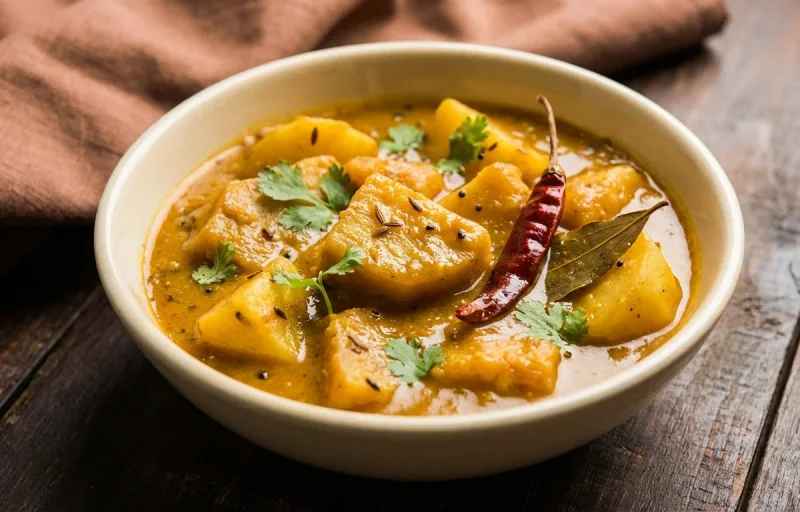
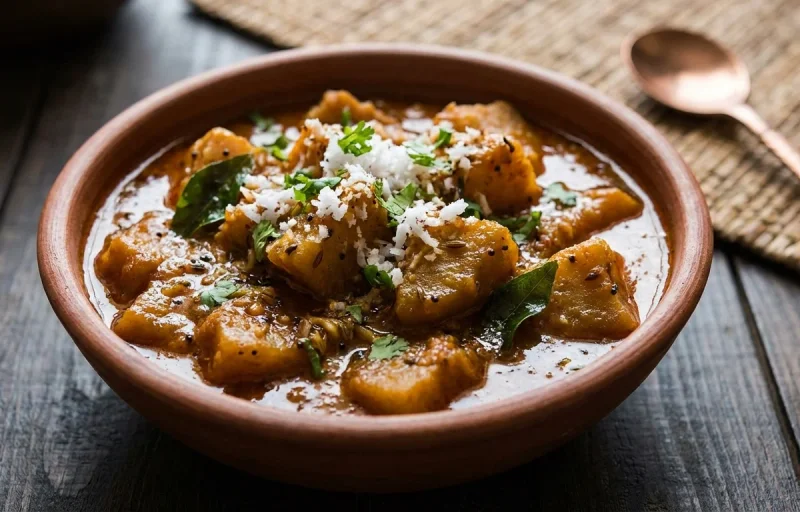
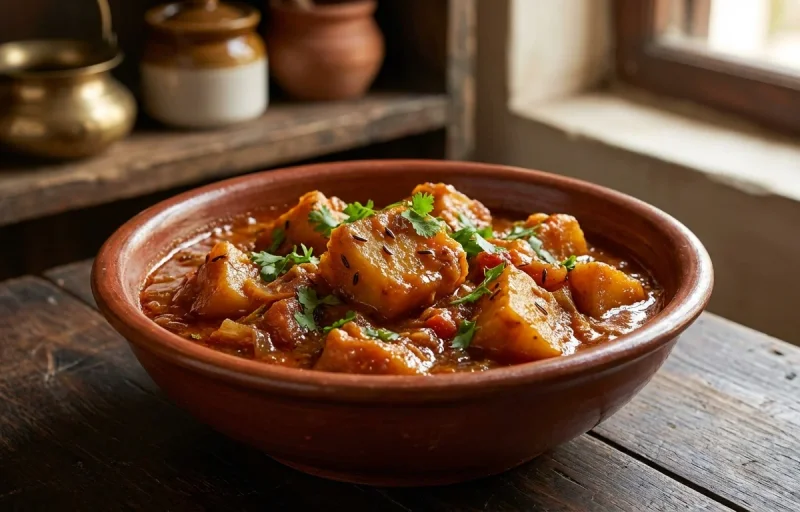
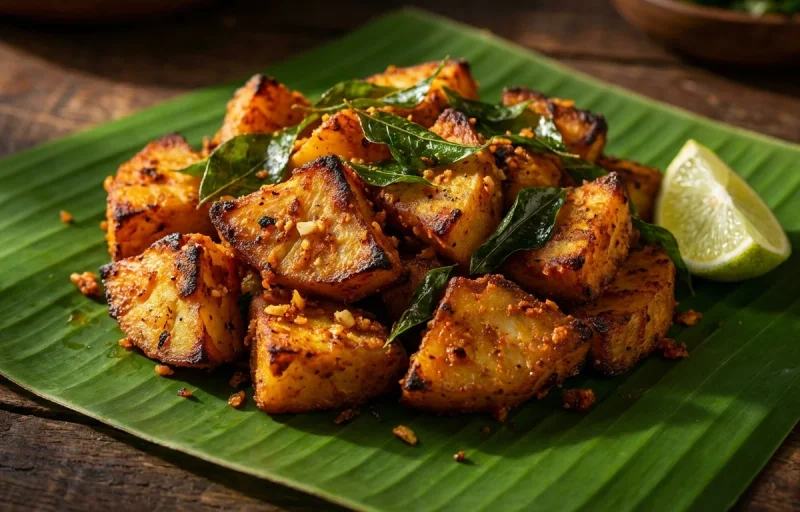
It is commonly used in curries (sabzi), fried as chips, mashed with spices, or used in traditional stews like Avial.
Is it safe for pregnant women?
Yes, it is generally safe and nutritious, but it should be thoroughly cooked and consumed in moderation.
RECIPES
Cook with elephant foot yam.
10 recipes · sorted by what’s quick