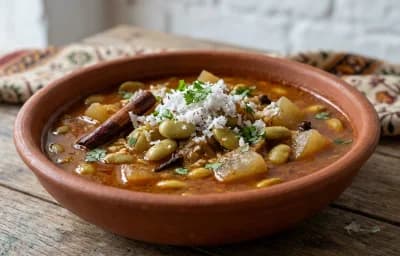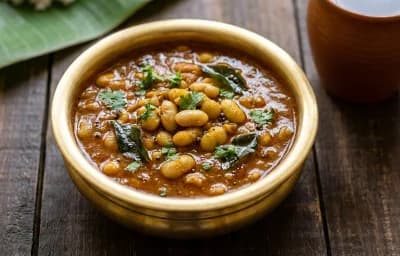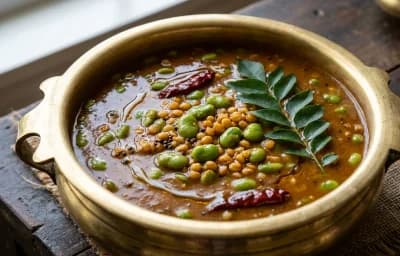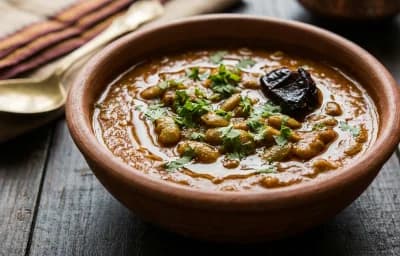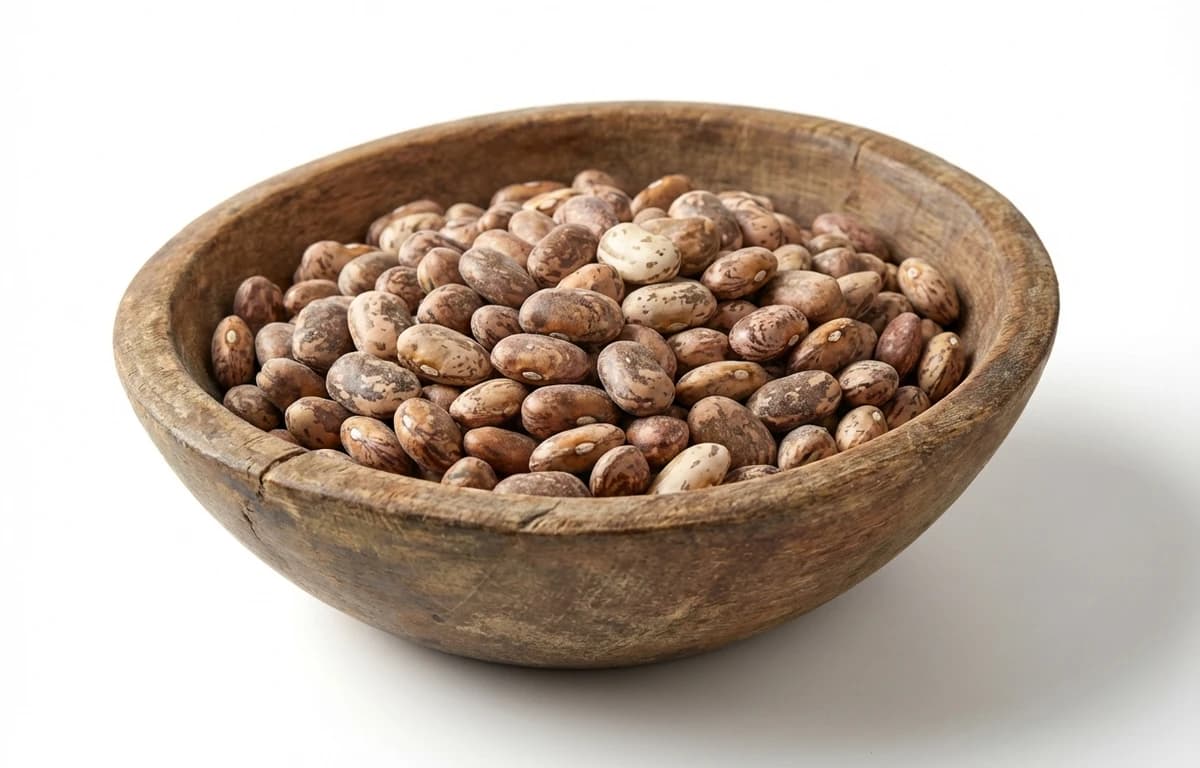
field beans
Also known as: vaal, सेम फली
Loading...
Also known as: vaal, सेम फली
Per 100g
Nutrition data source: USDA FoodData Central
Common measurement equivalents in grams

A crispy, savory fritter from Maharashtra made with ground field beans (val), ginger, garlic, and green chilies. A perfect tea-time snack that's crunchy outside and soft inside.

A traditional Maharashtrian stir-fry featuring tender Malabar spinach and field beans. This wholesome dish has a unique sweet, sour, and savory flavor from coconut, jaggery, and tamarind.
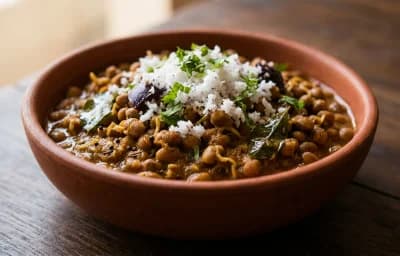
A classic Maharashtrian curry made with sprouted field beans (vaal). This wholesome dish has a unique blend of tangy, sweet, and savory flavors from kokum, jaggery, and Goda masala, making it a perfect meal with bhakri or rice.
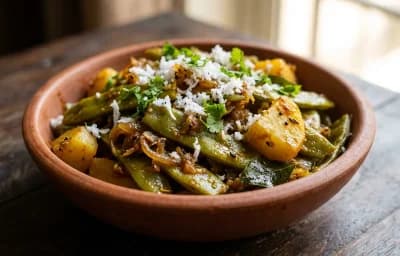
A classic Maharashtrian stir-fry featuring tender valpapdi (field beans) and potatoes, cooked in a fragrant blend of spices, coconut, and a hint of jaggery. This comforting sabzi is a staple in Marathi households and pairs perfectly with chapati or bhakri.
Yes, field beans (also known as fava or broad beans) are very healthy. They are rich in plant-based protein and dietary fiber, which aids digestion and promotes satiety. They also provide essential nutrients like folate, manganese, copper, and iron, supporting overall health, including brain function and red blood cell formation.
Per 100g, field beans contain approximately 110 calories, 7.6g of protein, 19.6g of carbohydrates, and a very low 0.4g of fat. They are also an excellent source of dietary fiber and various vitamins and minerals, including folate.
Yes, field beans can be beneficial for weight loss. Their high fiber and protein content help you feel full and satisfied, reducing overall calorie intake. They are also low in fat and provide sustained energy, making them a great addition to a balanced diet.
Yes, field beans are naturally vegan as they are a plant-based legume. They are also naturally gluten-free, making them a suitable food choice for individuals following a vegan diet or those with celiac disease or gluten sensitivity.
Yes, field beans can be a good choice for people with diabetes. Their high fiber content helps regulate blood sugar levels by slowing down glucose absorption. However, like all carbohydrate-containing foods, portion control is important, and they should be incorporated as part of a balanced meal plan.
To prepare fresh field beans, first shell them from their large pods. Then, blanch the beans in boiling salted water for 1-2 minutes, followed by an ice bath to stop cooking. This makes it easier to remove the tough outer skin from each individual bean, revealing the tender, bright green interior. They can then be sautéed, boiled, or added to salads.
field beans is a versatile ingredient found in cuisines around the world. With 110 calories per 100g and 7.6 grams of protein, it's a nutritious addition to many dishes.
Explore more ingredients in the protein category with complete nutrition information.
View all protein →Discover 1 recipes featuring field beans with step-by-step instructions.
Browse recipes →While not strictly necessary, many people prefer to peel field beans after blanching and before final cooking. The outer skin can be tough and slightly bitter, especially on larger, more mature beans. Peeling reveals the tender, sweeter inner bean, enhancing their texture and flavor in dishes.
Fresh, unshelled field beans can be stored in the refrigerator in a plastic bag for up to a week. Once shelled, they should be used within 2-3 days or blanched and frozen for longer storage. Frozen blanched beans can last for several months.
Field beans have a distinct, slightly sweet, earthy, and nutty flavor. They are often described as having a creamy texture when cooked, with a fresh, green taste that is more pronounced than other beans, sometimes with a hint of bitterness if the outer skin is not removed.
While generally safe, field beans can cause a condition called favism in individuals with a genetic enzyme deficiency (G6PD deficiency), leading to hemolytic anemia. They also contain compounds that can trigger allergic reactions in some people. Always cook field beans thoroughly, as raw consumption can be problematic for some.