Vegetable10 recipes
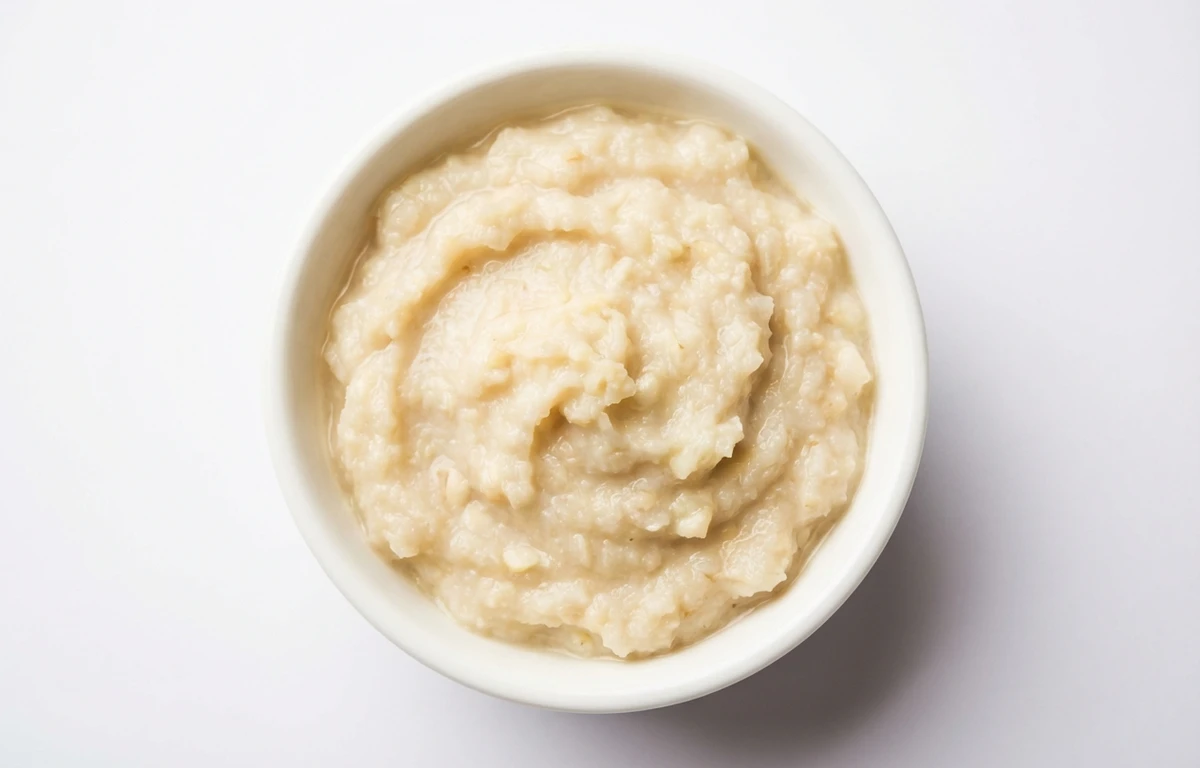
garlic paste.
VegetarianVeganGluten-freeDairy-freeNut-freePeanut-freeSoy-freeEgg-freeShellfish-freeHoney-freeAlcohol-free
ALSO KNOWN AS
lahsun pastegarlic pastelahsun ka pasterosun bata
SERVING
CALORIES
149
PROTEIN
6.4g
CARBS
33.1g
FAT
0.50g
FIBER
2.1g
NUTRITION PROFILE · per 100 g
Everything in this ingredient.
MACRONUTRIENTS
Calories149kcal—
Protein6.4g13%
Carbohydrates33.1g12%
Fiber2.1g8%
Sugar1.0g2%
Total fat0.50g1%
Saturated fat0.09g0%
Trans fat0g—
Cholesterol0mg0%
Water58.6g—
MINERALS
Sodium250mg11%
Potassium401mg9%
Calcium181mg14%
Iron1.7mg9%
Magnesium25mg6%
Phosphorus153mg12%
Zinc1.2mg11%
Copper0.30mg33%
Manganese1.7mg73%
Selenium14.2µg26%
VITAMINS
Vitamin A0µg0%
Vitamin C31.2mg35%
Vitamin D0µg0%
Vitamin E0.08mg1%
Vitamin K1.7µg1%
Thiamin (B1)0.20mg17%
Riboflavin (B2)0.11mg8%
Niacin (B3)0.70mg4%
Pantothenic acid (B5)0.60mg12%
Vitamin B61.2mg73%
Folate (B9)3.0µg1%
Vitamin B120µg0%
%DV based on a 2,000 cal diet. Source: USDA FoodData Central. A dash in the %DV column means there’s no established Daily Value for that nutrient.
MEASUREMENT CONVERSIONS
How much is what.
1 cup252g
1 tablespoon18g
1 teaspoon5g
1 ml1.1g
1 liter1050g
HEALTH BENEFITS
Why eat it.
- ✓Contains allicin, a compound known for its potent antioxidant and antibacterial properties.
- ✓May contribute to cardiovascular health by helping to lower blood pressure and improve cholesterol levels.
- ✓Can help boost the immune system, potentially reducing the severity and frequency of common illnesses like the cold.
COOKING TIPS
In the kitchen.
- 1Use as a convenient substitute for fresh garlic; approximately 1 teaspoon of paste is equivalent to one medium garlic clove.
- 2Add garlic paste near the end of sautéing to prevent it from burning, as its fine texture cooks faster than minced garlic.
- 3It dissolves easily, making it ideal for marinades, dressings, soups, and sauces where a smooth texture is desired.
- 4Combine with softened butter and herbs to create a quick and flavorful garlic butter for bread or finishing steaks.
STORAGE
Keep it fresh.
- Store unopened jars in a cool, dark pantry away from heat and sunlight.
- Once opened, refrigerate the paste in a tightly sealed container. It can last for several weeks to months.
FAQ
Frequently asked questions.
Is garlic paste healthy?
Yes, garlic paste retains many of the health benefits of fresh garlic. It contains allicin, a compound known for its potent antioxidant and antibacterial properties. Regular consumption may contribute to cardiovascular health by helping to lower blood pressure and improve cholesterol levels, and it can also help boost the immune system.
What are the nutritional values of garlic paste?
Per 100g, garlic paste contains approximately 149 calories, 6.36g of protein, 33.06g of carbohydrates, and 0.5g of fat. It's also a source of various vitamins and minerals, though specific amounts can vary by brand and preparation.
Is garlic paste good for weight loss?
Garlic paste is very low in fat and can add significant flavor to dishes without adding many calories, which can be beneficial for weight loss. While it contains moderate carbohydrates, using it in small quantities as a flavor enhancer can help reduce the need for higher-calorie ingredients, supporting a balanced diet.
Is garlic paste vegan and gluten-free?
Typically, yes, garlic paste is both vegan and gluten-free as it's made solely from garlic and sometimes a little oil or water. However, it's always best to check the ingredient list on packaged products to ensure no non-vegan or gluten-containing additives have been included.
Is garlic paste keto-friendly?
Due to its carbohydrate content (around 33g per 100g), garlic paste is generally not considered keto-friendly in larger quantities. However, small amounts used for flavoring in keto dishes might be acceptable for some, depending on their daily carb limits.
How do I use garlic paste in cooking?
Garlic paste is incredibly versatile and can be used in almost any dish that calls for fresh garlic. It's excellent in marinades, stir-fries, curries, sauces, soups, and stews. Its smooth consistency blends easily, making it perfect for quick cooking or when you want a uniform garlic flavor without chunks.
What's the difference between garlic paste and fresh garlic in terms of flavor and potency?
Garlic paste offers convenience and a slightly milder, less pungent flavor compared to freshly minced garlic. The processing can mellow some of the sharper notes, resulting in a smoother, more integrated garlic taste in dishes. It also lacks the textural bite of fresh garlic.
How should I store garlic paste and how long does it last?
Store commercially prepared garlic paste in an airtight container in the refrigerator after opening, where it can last for several weeks to a few months, depending on the brand and preservatives. Homemade garlic paste should also be refrigerated and typically lasts about 1-2 weeks. You can also freeze garlic paste in ice cube trays for longer storage.
Does garlic paste offer the same health benefits as fresh garlic?
While garlic paste retains many of the beneficial compounds like allicin, the processing involved in making the paste can slightly reduce the concentration or bioavailability of some volatile compounds compared to freshly crushed garlic. However, it still provides significant antioxidant, antibacterial, and cardiovascular benefits.
Can I make garlic paste at home?
Yes, making garlic paste at home is simple. Peel fresh garlic cloves and blend them in a food processor with a small amount of water or neutral oil until a smooth paste forms. You can adjust the consistency by adding more liquid as needed. Store it in an airtight container in the refrigerator.
RECIPES
Cook with garlic paste.
10 recipes · sorted by what’s quick