Other1 recipes
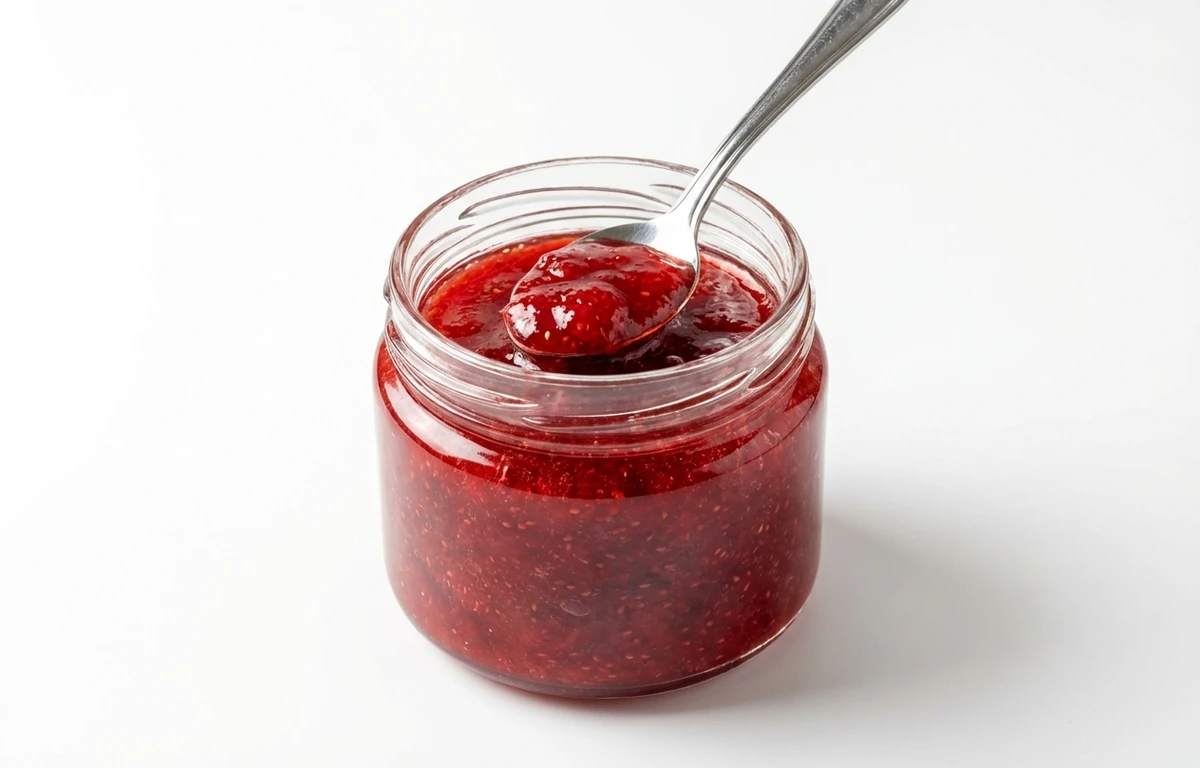
jam.
VegetarianVeganGluten-freeDairy-freeNut-freePeanut-freeSoy-freeEgg-freeShellfish-freeHoney-freeAlcohol-free
SERVING
CALORIES
278
PROTEIN
0.40g
CARBS
69g
FAT
0.10g
FIBER
1.1g
This ingredient is flagged as naturally gluten-free. Per 100 g, it provides 0.40 µg of vitamin K.
NUTRITION PROFILE · per 100 g
Everything in this ingredient.
MACRONUTRIENTS
Calories278kcal—
Protein0.40g1%
Carbohydrates69g25%
Fiber1.1g4%
Sugar49g98%
Total fat0.10g0%
Saturated fat0g0%
Trans fat0g—
Cholesterol0mg0%
Water30g—
MINERALS
Sodium12mg1%
Potassium77mg2%
Calcium20mg2%
Iron0.10mg1%
Magnesium4.0mg1%
Phosphorus8.0mg1%
Zinc0.05mg0%
Copper0.04mg4%
Manganese0.07mg3%
Selenium0.10µg0%
VITAMINS
Vitamin A2.0µg0%
Vitamin C8.8mg10%
Vitamin D0µg0%
Vitamin E0.02mg0%
Vitamin K0.40µg0%
Thiamin (B1)0.01mg1%
Riboflavin (B2)0.02mg2%
Niacin (B3)0.20mg1%
Pantothenic acid (B5)0.06mg1%
Vitamin B60.01mg1%
Folate (B9)2.0µg1%
Vitamin B120µg0%
%DV based on a 2,000 cal diet. Source: USDA FoodData Central. A dash in the %DV column means there’s no established Daily Value for that nutrient.
MEASUREMENT CONVERSIONS
How much is what.
1 cup320g
1 tablespoon20g
1 teaspoon6.7g
1 oz28.4g
1 lb453.6g
1 ml1.3g
1 liter1330g
HEALTH BENEFITS
Why eat it.
- ✓Provides a quick source of energy from carbohydrates
- ✓Fat-free and cholesterol-free condiment option
- ✓Low in sodium compared to savory spreads
- ✓Can help encourage fruit consumption in picky eaters
COOKING TIPS
In the kitchen.
- 1Warm slightly to use as a glaze for roasted meats or poultry
- 2Whisk into vinaigrettes for a fruity, sweet salad dressing
- 3Use as a filling for thumbprint cookies, tarts, or layered cakes
STORAGE
Keep it fresh.
- Refrigerate immediately after opening to maintain freshness
- Always use a clean, dry spoon to prevent cross-contamination and mold
- Store unopened jars in a cool, dark, and dry pantry
FAQ
Frequently asked questions.
How long does jam last after opening?
Once opened, jam typically lasts for 6 to 12 months in the refrigerator if handled with clean utensils.
What is the difference between jam and jelly?
Jam is made from crushed or chopped fruit, while jelly is made only from the fruit juice, resulting in a clearer, firmer consistency.
Can jam be frozen?
Yes, jam can be frozen for up to a year, though the texture may become slightly more watery upon thawing.
How can I tell if jam has gone bad?
Look for signs of mold on the surface, an off-smell (fermented or sour), or significant changes in color and texture.
What can I use as a substitute for jam in baking?
Fruit preserves, fruit butter, honey, or a thick fruit compote are the best alternatives.
Is jam vegan?
Most commercial jams are vegan as they use pectin (a plant-based fiber) as a thickener, but always check labels for honey or gelatin.
Why does my jam have crystals in it?
Sugar crystals can form if the jam is stored for a long time or if the sugar-to-fruit ratio was slightly off during cooking; it is still safe to eat.
How do I choose a high-quality jam?
Look for brands where fruit is listed as the first ingredient and that contain minimal additives or high-fructose corn syrup.
RECIPES
Cook with jam.
1 recipes · sorted by what’s quick