kadali
Also known as: Banana, Kela
Loading...
Also known as: Banana, Kela
Per 100g
Nutrition data source: USDA FoodData Central
Common measurement equivalents in grams
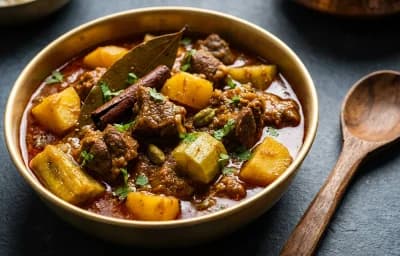
A rustic and hearty mutton curry from Odisha, where tender meat is slow-cooked with raw bananas and potatoes in a light, flavorful gravy. It's a unique combination that's both comforting and delicious.

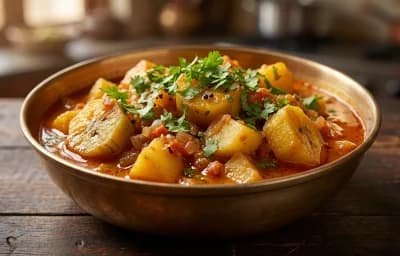
A unique Odia delicacy made from tender banana blossoms cooked in a pungent and savory mustard-garlic paste. This traditional dish offers a delightful blend of textures and a distinct, slightly bitter flavor that pairs perfectly with steamed rice.
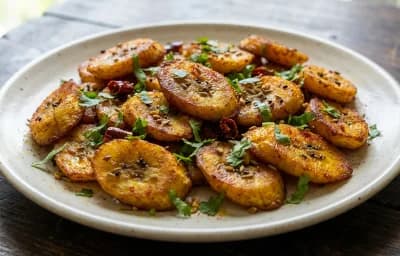
Crispy, pan-fried raw banana slices seasoned with classic Odia spices. A simple and delightful side dish that comes together in minutes, perfect with dal and rice.
Yes, kadali, commonly known as banana, is very healthy. It's rich in potassium, which supports heart health and helps regulate blood pressure, and a good source of dietary fiber, aiding digestion. Bananas also provide essential vitamins like B6 and C, and antioxidants like catechins and dopamine.
Per 100g, kadali (banana) contains approximately 89 calories, 1.09g of protein, 22.84g of carbohydrates, and 0.33g of fat. It is also packed with essential nutrients including potassium, dietary fiber, Vitamin B6, Vitamin C, and manganese.
Kadali (banana) can be part of a weight loss diet due to its fiber content, which promotes satiety and aids digestion, potentially reducing overall calorie intake. While it provides natural sugars and calories, its nutritional density and ability to provide sustained energy can help prevent overeating when consumed in moderation.
Yes, kadali (banana) is naturally vegan as it is a fruit and contains no animal products. It is also naturally gluten-free, making it a safe and suitable food choice for individuals with celiac disease or gluten sensitivity.
Diabetics can eat kadali (banana) in moderation, but it's important to consider ripeness and portion size. While bananas contain natural sugars, their fiber content can help moderate blood sugar spikes. Slightly unripe bananas have a lower glycemic index, which may be a better choice for managing blood sugar.
Kadali (banana) has a sweet, creamy, and slightly starchy taste, which becomes sweeter and softer as it ripens. It's commonly eaten raw as a convenient snack, added to smoothies, fruit salads, or cereals, and is a popular ingredient in desserts like banana bread and puddings.
kadali is a versatile ingredient found in cuisines around the world. With 89 calories per 100g and 1.09 grams of protein, it's a nutritious addition to many dishes.
Explore more ingredients in the other category with complete nutrition information.
View all other →Absolutely! Kadali (banana) is versatile in cooking. Ripe bananas are excellent for baking into breads, muffins, and pancakes, or for making sweet sauces. Unripe green bananas can be cooked as a savory vegetable in curries, stews, or fried as chips.
Store unripe kadali (bananas) at room temperature to allow them to ripen naturally. Once ripe, you can place them in the refrigerator for a few extra days to slow down further ripening, though the skin may turn black. For longer storage, peeled bananas can be sliced and frozen.
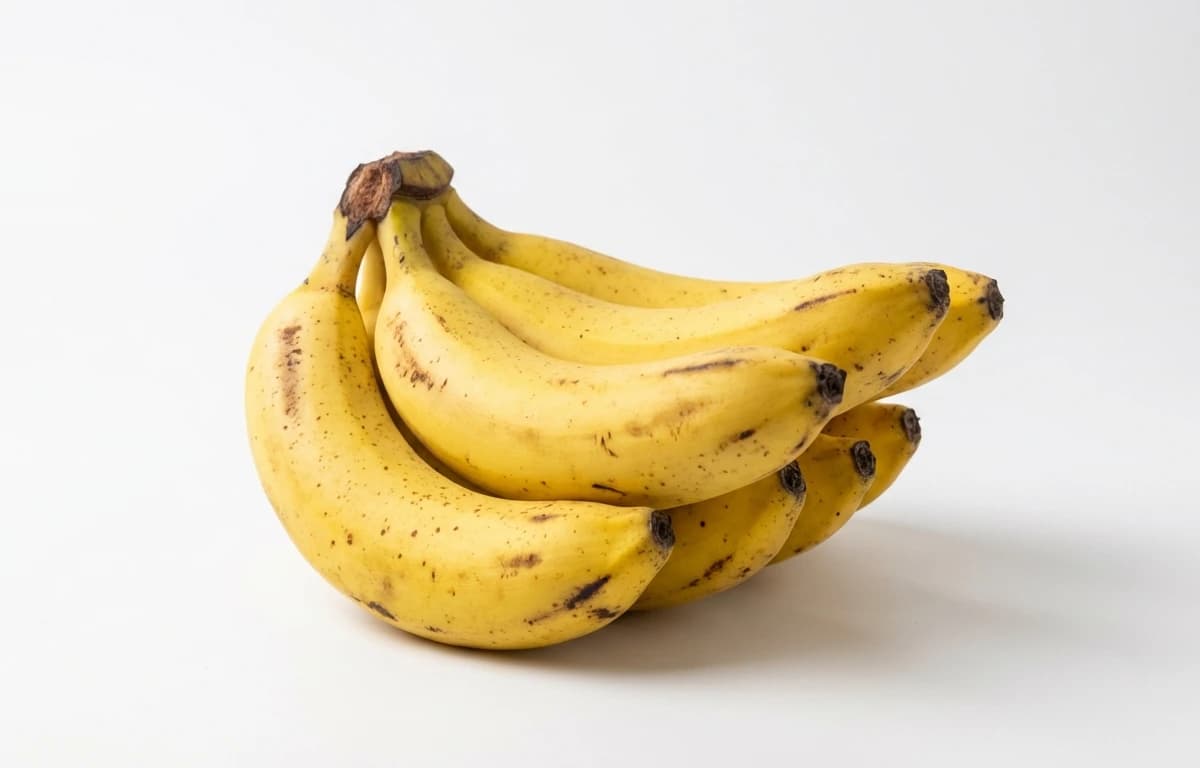
Fresh, ripe kadali (bananas) typically have a firm texture and yellow skin, often with small brown spots. Spoiled bananas will exhibit very soft, mushy flesh, a strong fermented or alcoholic odor, and extensive dark brown or black discoloration on the skin.
Yes, ripeness affects kadali's (banana's) nutritional profile. As bananas ripen, their starch converts to sugar, increasing sweetness and glycemic index. Unripe bananas contain more resistant starch, which is beneficial for gut health, while ripe bananas offer more readily available antioxidants.