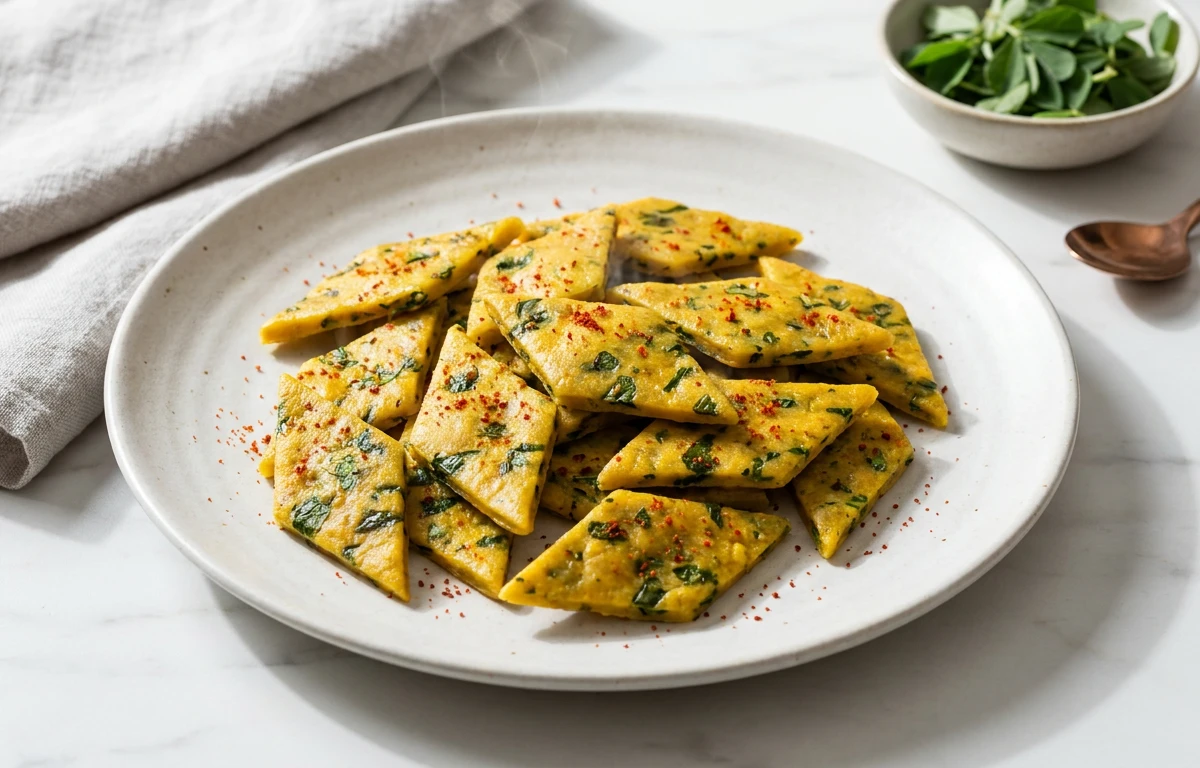
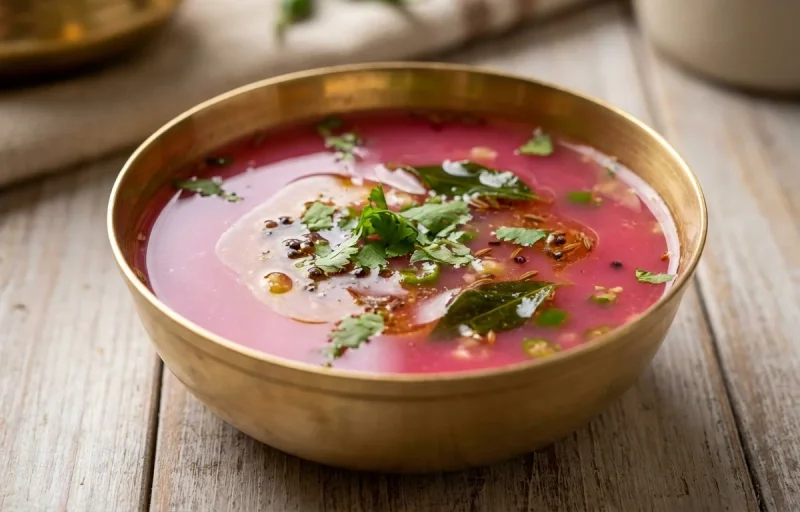
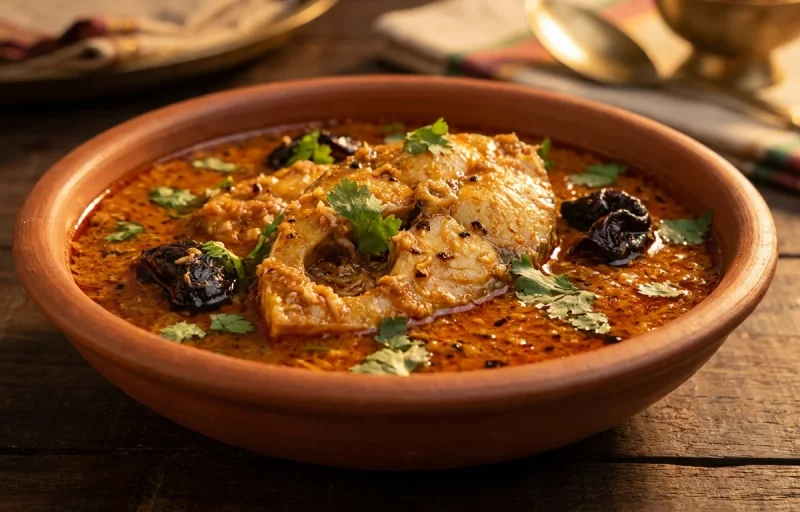
Other10 recipes
kokum.
VegetarianVeganGluten-freeDairy-freeNut-freePeanut-freeSoy-freeEgg-freeShellfish-freeHoney-freeAlcohol-free
ALSO KNOWN AS
AmsulGarcinia indicabindakokumdried garciniacocum
SERVING
CALORIES
79
PROTEIN
0.50g
CARBS
18g
FAT
0.50g
FIBER
15g
This ingredient is flagged as naturally gluten-free. Per 100 g, it provides 1.0 µg of vitamin K.
NUTRITION PROFILE · per 100 g
Everything in this ingredient.
MACRONUTRIENTS
Calories78.5kcal—
Protein0.50g1%
Carbohydrates18g7%
Fiber15g54%
Sugar3.0g6%
Total fat0.50g1%
Saturated fat0.10g1%
Cholesterol0mg0%
Water12g—
MINERALS
Sodium10mg0%
Potassium100mg2%
Calcium50mg4%
Iron1.0mg6%
Magnesium18mg4%
Phosphorus15mg1%
Zinc0.10mg1%
VITAMINS
Vitamin A0µg0%
Vitamin C5.0mg6%
Vitamin D0µg0%
Vitamin K1.0µg1%
Thiamin (B1)2.0mg167%
Riboflavin (B2)0.03mg2%
Niacin (B3)0.40mg3%
Vitamin B60.08mg5%
%DV based on a 2,000 cal diet. Source: USDA FoodData Central. A dash in the %DV column means there’s no established Daily Value for that nutrient.
MEASUREMENT CONVERSIONS
How much is what.
1 piece5g
HEALTH BENEFITS
Why eat it.
- ✓Traditionally used as a digestive aid to relieve acidity and indigestion.
COOKING TIPS
In the kitchen.
- 1Soak dried kokum in warm water for 10-15 minutes to soften and extract its flavor; use both the fruit and the infused water in your dish.
- 2Use as a souring agent in dals, curries, and fish dishes as an alternative to tamarind, providing a unique tangy flavor and a pinkish hue.
- 3Create a traditional cooling beverage called 'solkadhi' by combining kokum extract with coconut milk, ginger, and spices.
- 4Add kokum towards the end of cooking in lentil or vegetable dishes to prevent them from becoming too tough.
STORAGE
Keep it fresh.
- Store dried kokum (amsul) in an airtight container in a cool, dark, and dry place for up to a year.
- Refrigerate fresh kokum fruit and use within a week.
- Kokum concentrate or syrup should be refrigerated after opening and used by the expiration date.
FAQ
Frequently asked questions.
How is kokum used in cooking?
Kokum is primarily used in Western Indian cuisine, particularly in Konkan and Goan dishes, to impart a sour, slightly sweet, and tangy flavor. It's often added to curries, dals, and seafood preparations, and is also used to make refreshing beverages like Sol Kadhi.
What does kokum taste like?
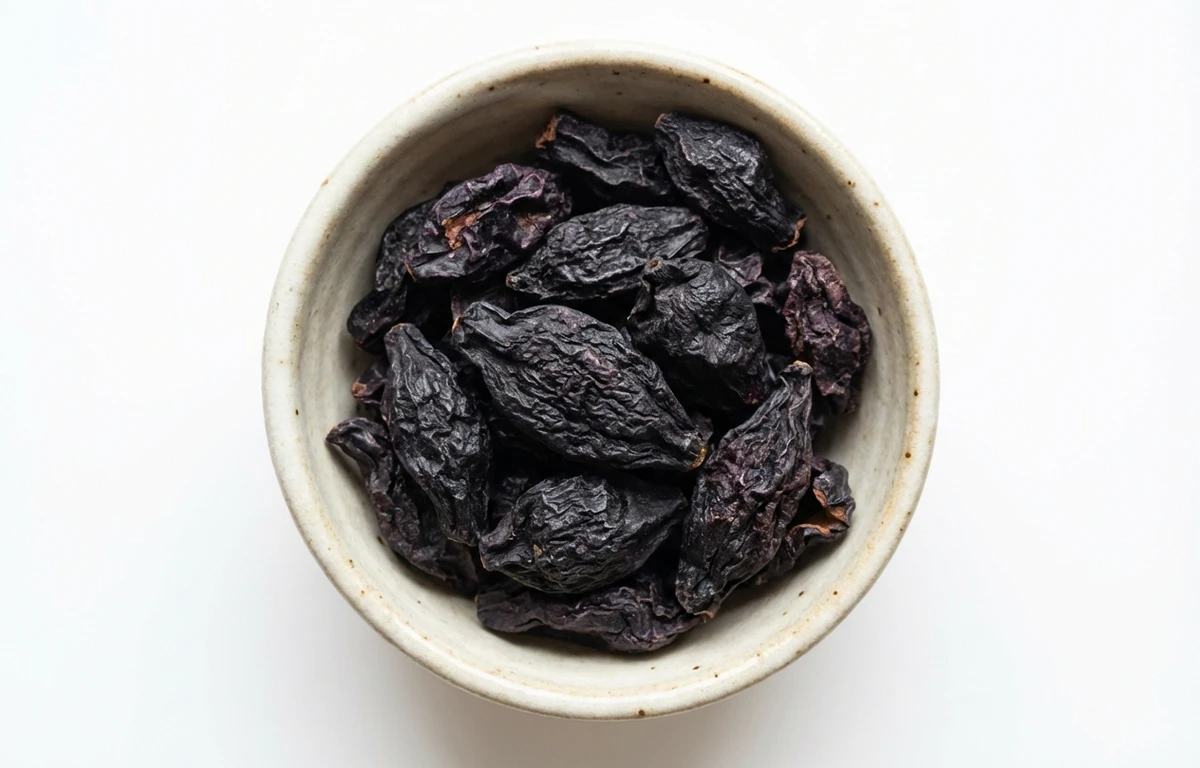
Kokum has a distinctive sour and tangy taste with a subtle sweet and fruity undertone, often described as less pungent than tamarind. It also imparts a beautiful reddish-purple color to dishes and beverages.
How should I store kokum?
Dried kokum should be stored in an airtight container in a cool, dry, and dark place, away from direct sunlight and moisture. Proper storage helps maintain its flavor and extends its shelf life for several months to a year.
How do I know if kokum is fresh or spoiled?
Fresh dried kokum should be dark purple to black, pliable, and have a distinct sour aroma. If it appears moldy, has an off-smell, or feels excessively hard and brittle, it may be spoiled and should not be used.
Does kokum have any side effects?
When consumed in typical culinary amounts, kokum is generally considered safe. However, excessive consumption, especially of concentrated extracts, might lead to mild digestive upset in some individuals. Always consult a healthcare professional if you have concerns or are on medication.
RECIPES
Cook with kokum.
10 recipes · sorted by what’s quick
.webp)