
Other10 recipes
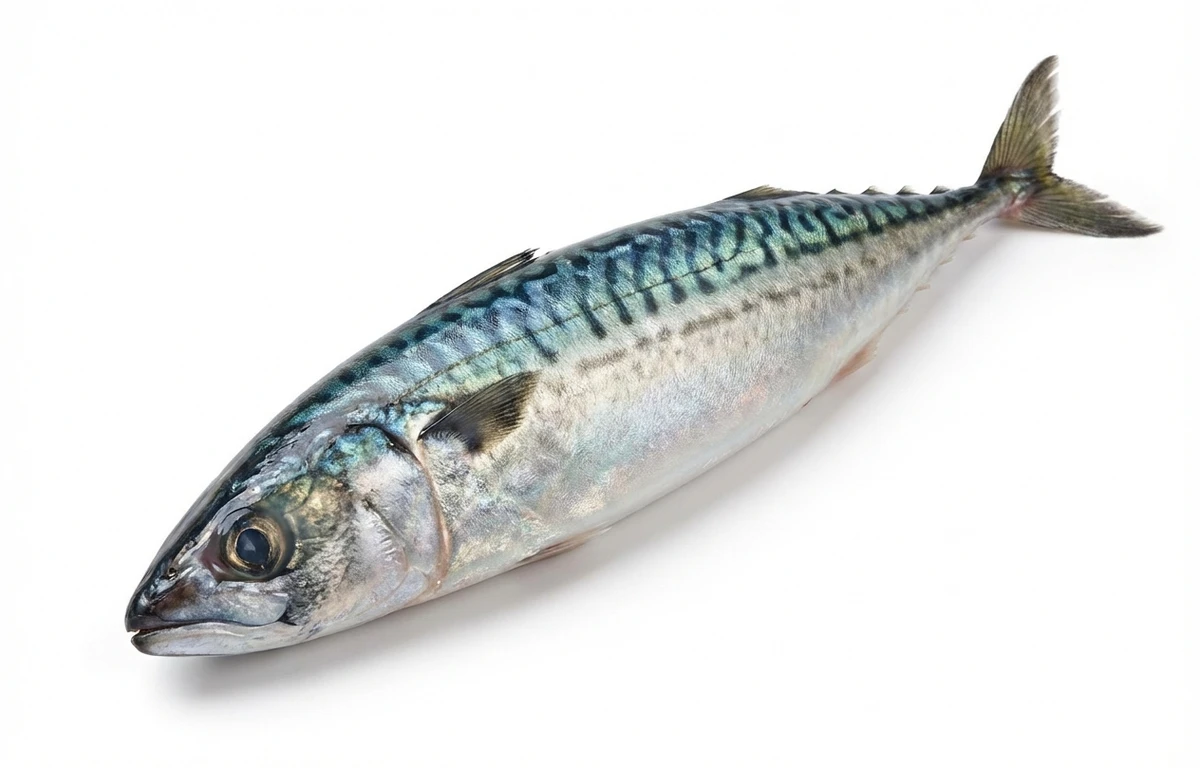
mackerel.
VegetarianVeganGluten-freeDairy-freeNut-freePeanut-freeSoy-freeEgg-freeShellfish-freeHoney-freeAlcohol-free
ALSO KNOWN AS
Atlantic mackerelScomber scombrusWhole Mackerelmackerelraw pacific jack mackerelcooked dry heat spanish mackerelraw spanish mackerel
SERVING
CALORIES
205
PROTEIN
18.6g
CARBS
0g
FAT
13.9g
FIBER
0g
This ingredient is flagged as naturally gluten-free. Per 100 g, it provides 5.3 µg of vitamin K.
NUTRITION PROFILE · per 100 g
Everything in this ingredient.
MACRONUTRIENTS
Calories205kcal—
Protein18.6g37%
Carbohydrates0g0%
Fiber0g0%
Sugar0g0%
Total fat13.9g18%
Saturated fat3.3g17%
Trans fat0g—
Cholesterol70mg23%
Water66.8g—
MINERALS
Sodium90mg4%
Potassium360mg8%
Calcium15mg1%
Iron1.1mg6%
Magnesium37.5mg9%
Phosphorus231mg18%
Zinc0.67mg6%
Copper0.12mg13%
Manganese0.02mg1%
Selenium64.1µg117%
VITAMINS
Vitamin A25µg3%
Vitamin C0mg0%
Vitamin D13.8µg69%
Vitamin E0.71mg5%
Vitamin K5.3µg4%
Thiamin (B1)0.07mg6%
Riboflavin (B2)0.10mg8%
Niacin (B3)2.7mg17%
Pantothenic acid (B5)1.4mg27%
Vitamin B6100mg5882%
Biotin (B7)713µg2377%
Folate (B9)0µg0%
Vitamin B128.7µg363%
%DV based on a 2,000 cal diet. Source: USDA FoodData Central. A dash in the %DV column means there’s no established Daily Value for that nutrient.
MEASUREMENT CONVERSIONS
How much is what.
1 cup140g
1 tablespoon8.8g
1 teaspoon2.9g
1 ml0.6g
1 liter583.3g
1 piece120g
HEALTH BENEFITS
Why eat it.
- ✓High in Vitamin B12, which is crucial for red blood cell formation, DNA synthesis, and proper neurological function.
COOKING TIPS
In the kitchen.
- 1Mackerel's strong, rich flavor pairs well with acidic and sharp ingredients like lemon, lime, vinegar, mustard, or horseradish to cut through its natural oiliness.
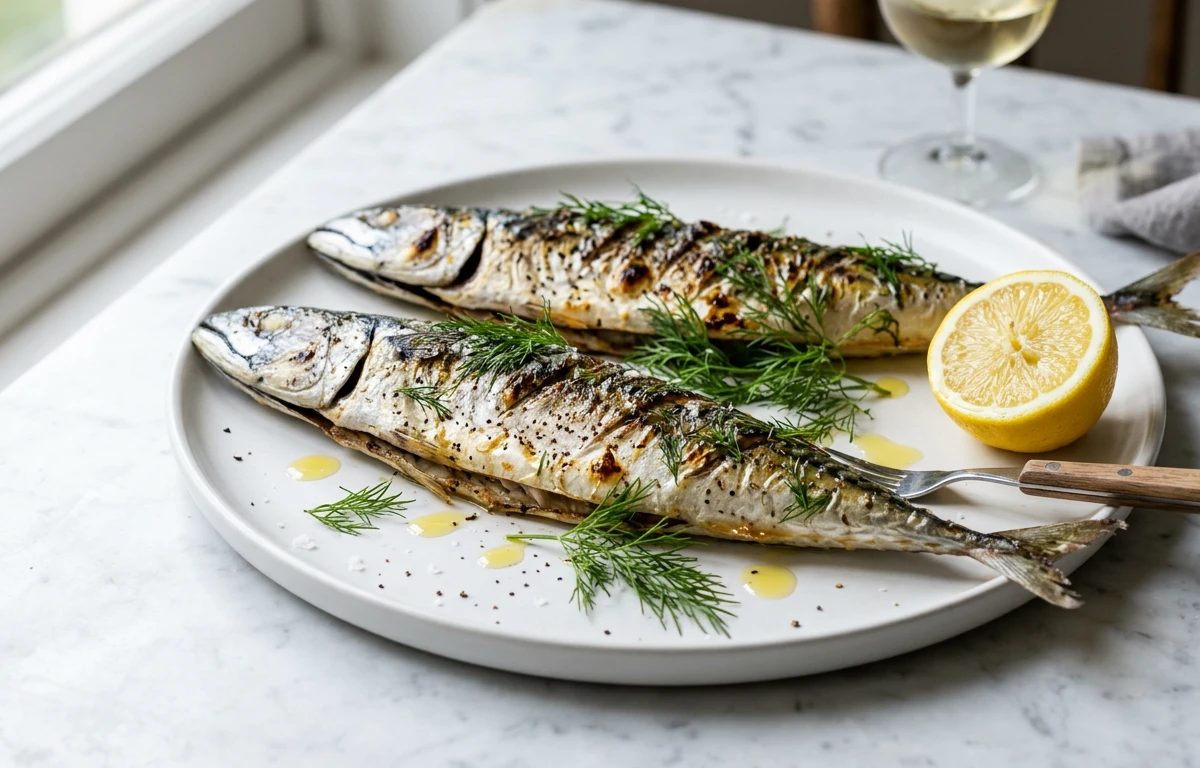
- 2Due to its high oil content, mackerel is excellent for grilling, broiling, and smoking, as it remains moist and flavorful without much added fat.
- 3Cook mackerel until the flesh is opaque and flakes easily with a fork. Be careful not to overcook, as it can become dry despite its oiliness.
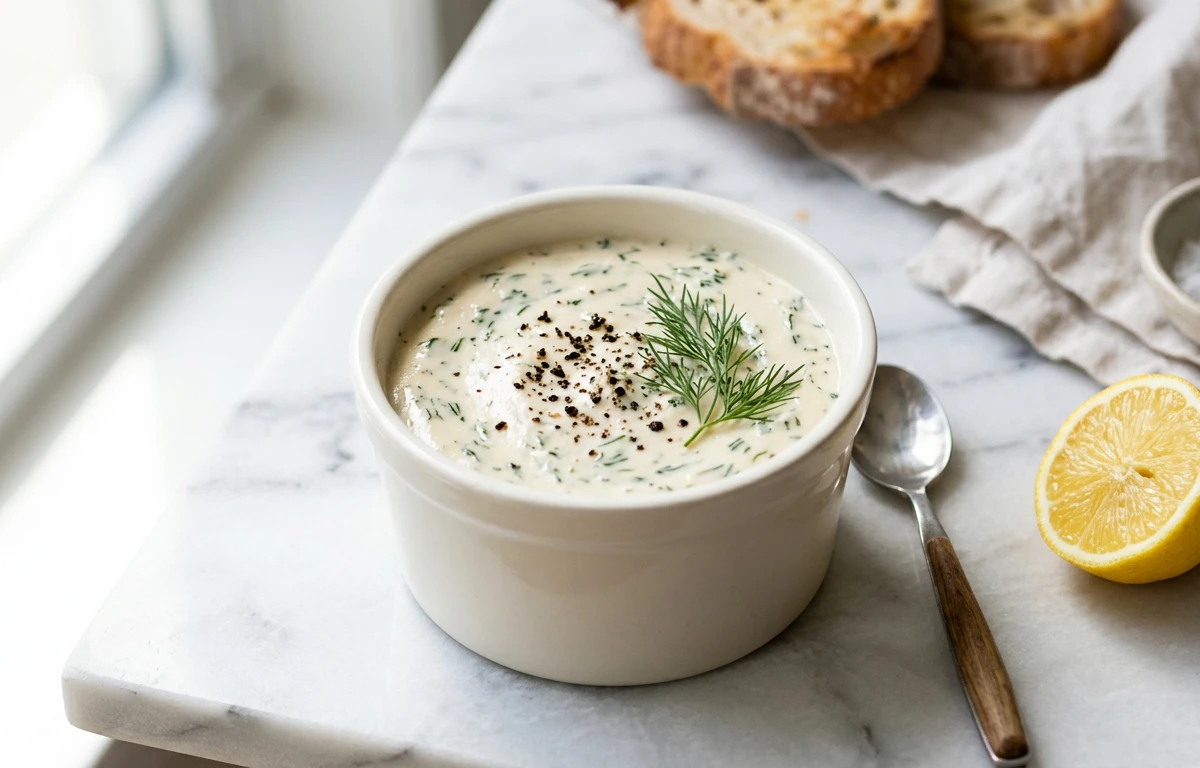
- 4Smoked mackerel is a versatile prepared product that can be flaked into salads, blended into pâtés, or served on toast with a squeeze of lemon.
STORAGE
Keep it fresh.
- Store fresh mackerel in the coldest part of the refrigerator (below 40°F / 4°C) on a bed of ice and use within 1-2 days for optimal freshness.
- For longer storage, freeze mackerel by wrapping it tightly in plastic wrap and aluminum foil or using a vacuum sealer. It can be frozen for up to 3 months at 0°F / -18°C.
FAQ
Frequently asked questions.
How many calories and how much protein are in mackerel?
A 100g serving of mackerel contains approximately 205 calories and 18.6g of high-quality protein. It also has 13.9g of healthy fats, primarily beneficial unsaturated fats, and 0g of carbohydrates.
Is mackerel gluten-free?
Yes, fresh, plain mackerel is naturally gluten-free. When purchasing canned or smoked mackerel, always check the ingredient label to ensure no gluten-containing additives or marinades have been used.
What are the best ways to cook mackerel?
Mackerel is versatile and can be grilled, baked, pan-fried, or smoked. Grilling or baking with a simple seasoning like lemon, herbs, and olive oil highlights its rich flavor. Its firm texture also holds up well to pan-searing.
What does mackerel taste like?
Mackerel has a rich, distinct, and somewhat oily flavor with a firm, flaky texture. It's often described as having a stronger, more pronounced taste compared to milder white fish, but less 'fishy' than some other oily fish like sardines. Its richness pairs well with acidic or pungent flavors.
Is mackerel high in mercury?
No, mackerel is generally considered a low-mercury fish, especially smaller varieties like Atlantic mackerel. Larger king mackerel can have higher levels, but common varieties are safe for regular consumption, even for pregnant women and children, due to their beneficial Omega-3 content outweighing potential mercury risks.
RECIPES
Cook with mackerel.
10 recipes · sorted by what’s quick
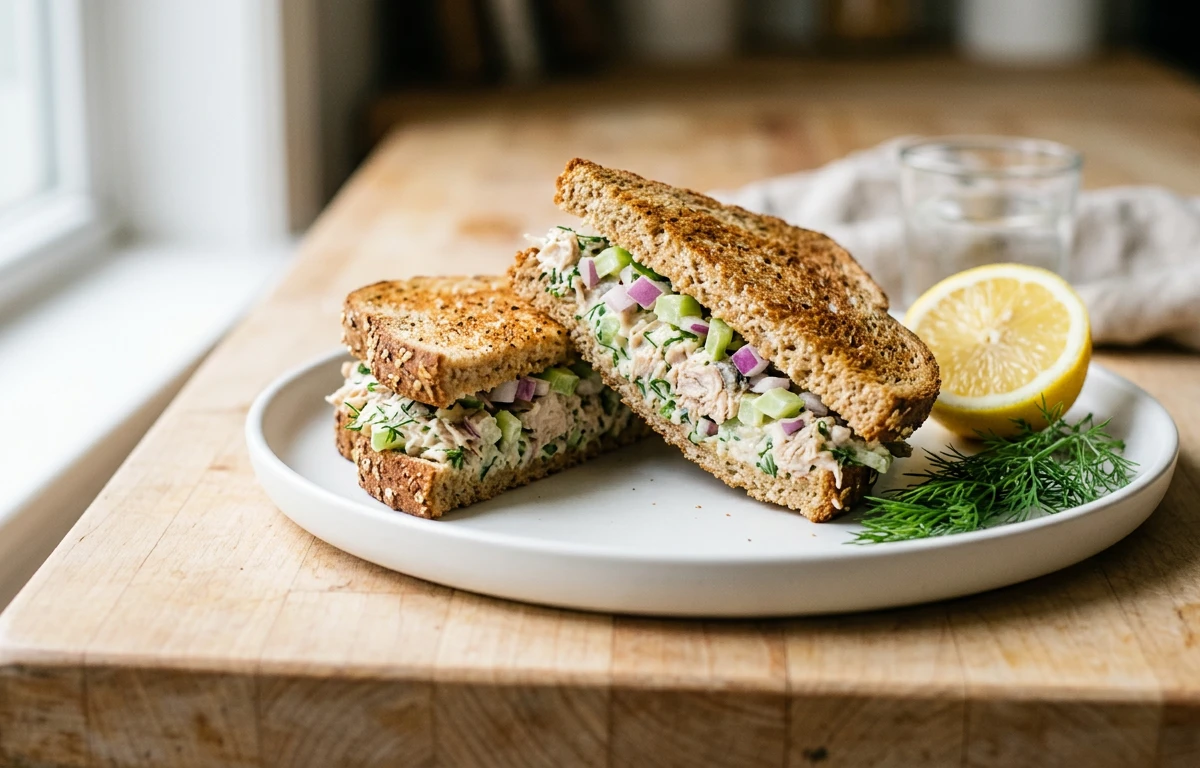
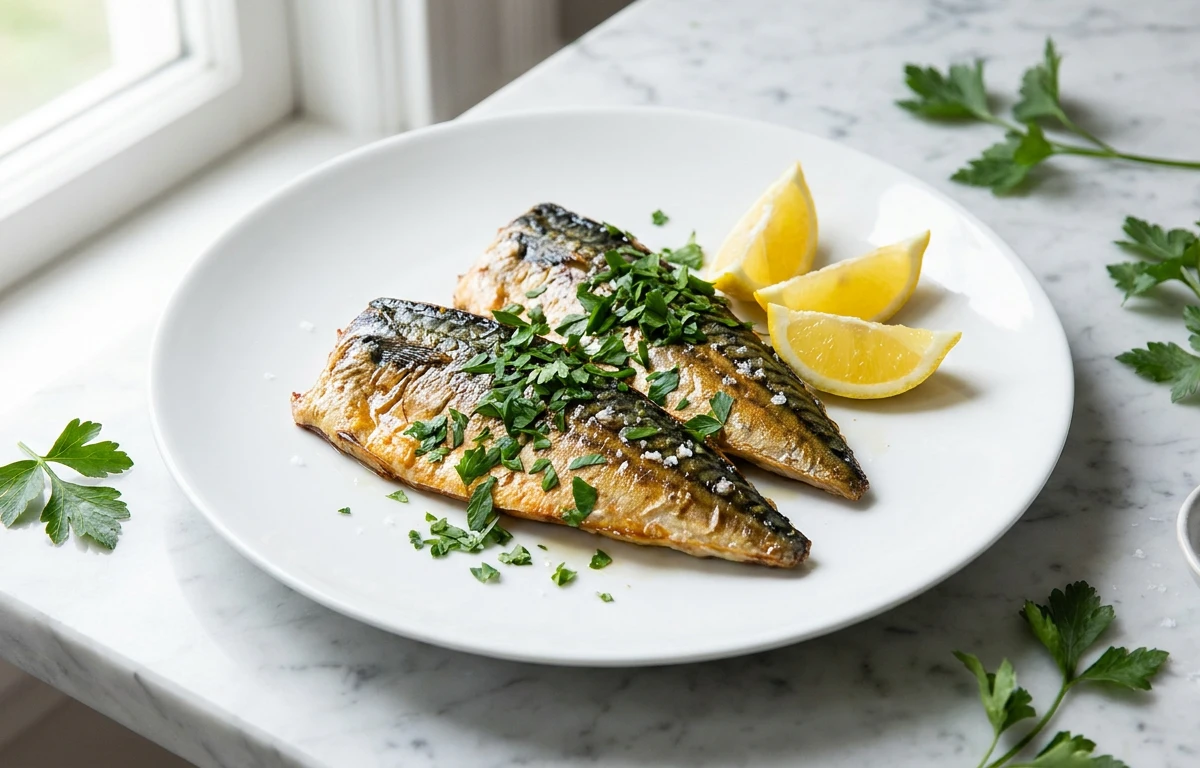
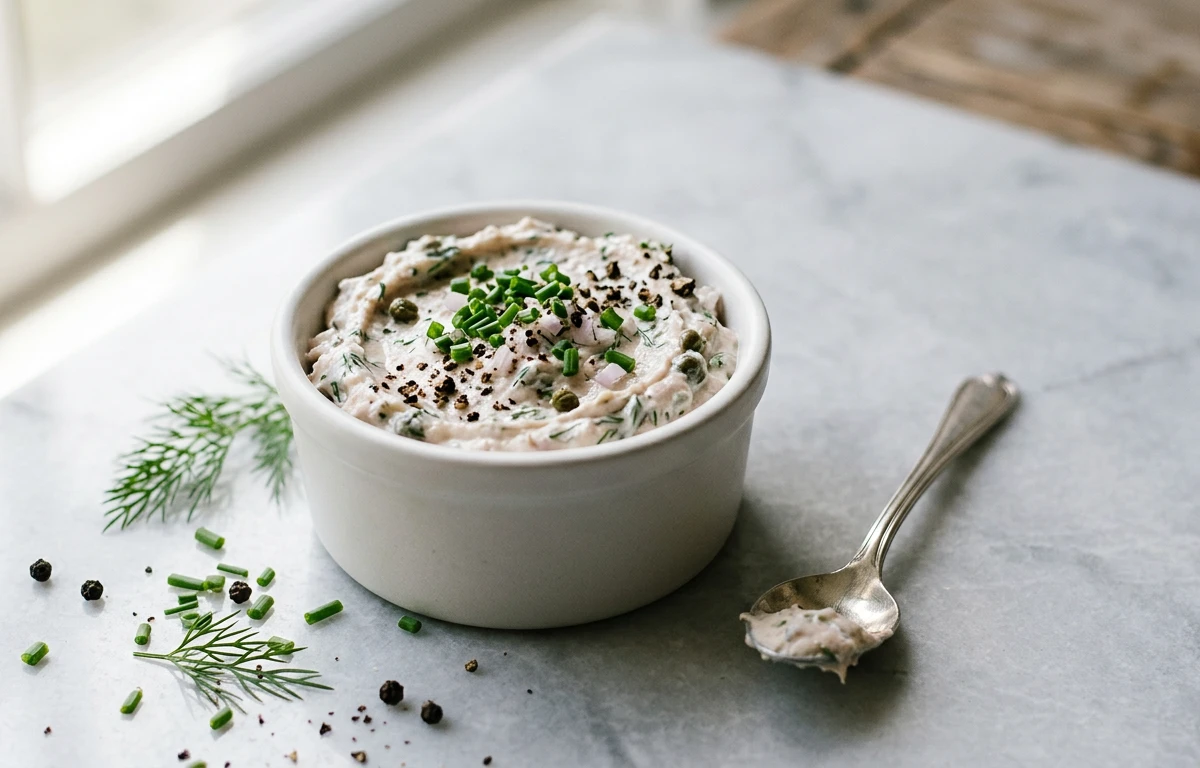
.webp)
RELATED GUIDES



















