Dairy
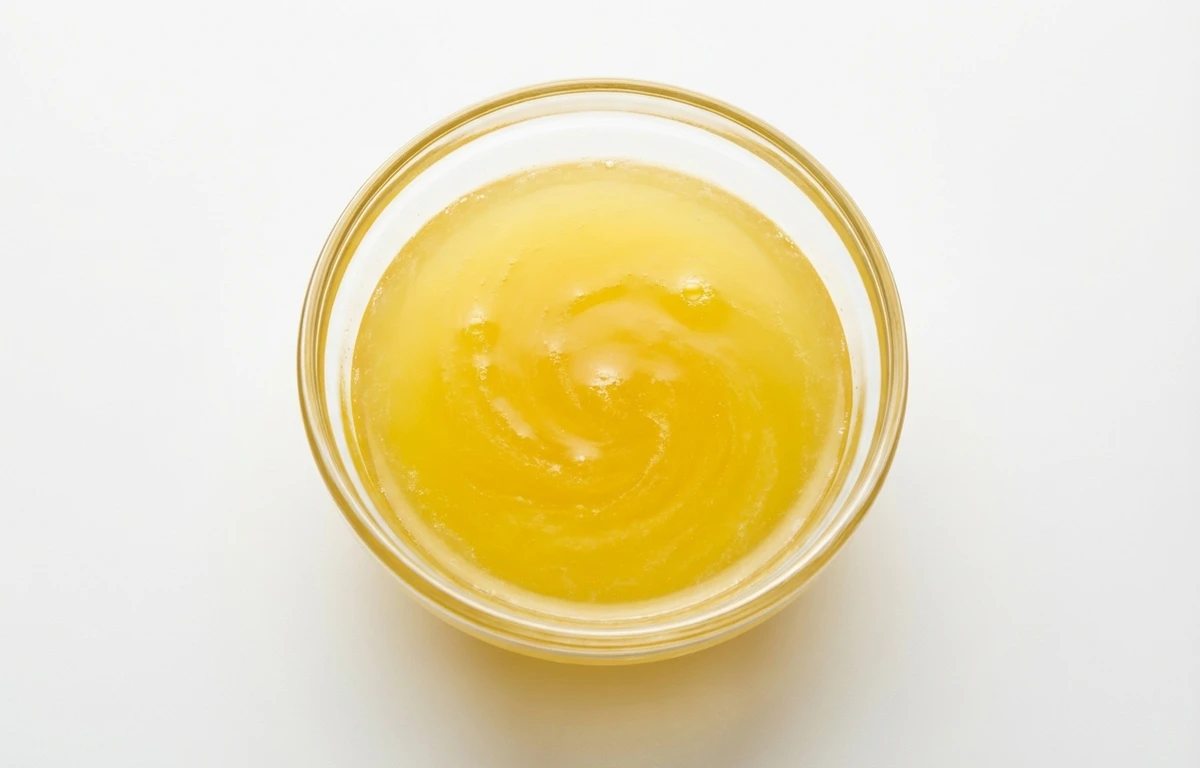
melted butter.
VegetarianVeganGluten-freeDairy-freeNut-freePeanut-freeSoy-freeEgg-freeShellfish-freeHoney-freeAlcohol-free
ALSO KNOWN AS
liquid butter
SERVING
CALORIES
717
PROTEIN
0.85g
CARBS
0.06g
FAT
81.1g
FIBER
0g
NUTRITION PROFILE · per 100 g
Everything in this ingredient.
MACRONUTRIENTS
Calories717kcal—
Protein0.85g2%
Carbohydrates0.06g0%
Fiber0g0%
Sugar0.06g0%
Total fat81.1g104%
Saturated fat51.4g257%
Cholesterol215mg72%
MINERALS
Sodium643mg28%
Potassium24mg1%
Calcium24mg2%
Iron0.02mg0%
Magnesium2.0mg0%
Phosphorus24mg2%
Zinc0.09mg1%
VITAMINS
Vitamin A684µg76%
Riboflavin (B2)0.03mg2%
%DV based on a 2,000 cal diet. Source: USDA FoodData Central. A dash in the %DV column means there’s no established Daily Value for that nutrient.
MEASUREMENT CONVERSIONS
How much is what.
1 cup224g
1 tablespoon14g
1 teaspoon4.7g
1 ml0.9g
1 liter933.3g
HEALTH BENEFITS
Why eat it.
- ✓Rich source of fat-soluble vitamins such as Vitamin A, E, and K2.
- ✓Contains butyrate, a short-chain fatty acid that can support gut health and reduce inflammation.
- ✓Provides Conjugated Linoleic Acid (CLA), which has been linked in some studies to reduced body fat and potential anti-cancer properties.
- ✓A concentrated source of energy due to its high saturated fat content.
COOKING TIPS
In the kitchen.
- 1To make clarified butter or ghee, melt butter slowly and skim off the milk solids from the surface. This raises the smoke point, making it ideal for high-heat cooking.
- 2When using in baking, allow melted butter to cool to lukewarm before mixing with eggs to prevent the eggs from scrambling.
- 3Melted butter is a key component for creating rich sauces like hollandaise or beurre blanc, and for brushing onto pastries for a golden-brown finish.
- 4For a nutty flavor, continue to heat melted butter until the milk solids brown, creating 'brown butter' or 'beurre noisette', which is excellent for sauces and baked goods.
STORAGE
Keep it fresh.
- Store leftover melted butter in an airtight container in the refrigerator for up to one week.
- For longer storage, freeze melted butter in an ice cube tray, then transfer the frozen cubes to a freezer-safe bag for up to 3 months.
FAQ
Frequently asked questions.
Is melted butter healthy?
Melted butter, like solid butter, offers some health benefits due to its fat-soluble vitamins (A, E, K2), butyrate for gut health, and CLA. However, it is very high in calories and saturated fat, so it should be consumed in moderation as part of a balanced diet.
What are the nutritional facts for melted butter?
Per 100g, melted butter contains approximately 717 calories, 0.85g protein, 0.06g carbohydrates, and 81.1g fat. It is a concentrated source of energy primarily from fat, with minimal protein or carbs.
Is melted butter good for weight loss?
Due to its high calorie and fat content, melted butter is not typically considered good for weight loss when consumed in large quantities. While it can provide satiety, its energy density means even small amounts contribute significantly to daily calorie intake, which can hinder weight loss efforts.
Is melted butter vegan?
No, melted butter is not vegan. It is a dairy product made from cow's milk, which comes from animals. Vegans avoid all animal products, including dairy.
Is melted butter lactose-free?
Butter contains very little lactose, as most of it is removed during the churning process. While not entirely lactose-free, many individuals with lactose intolerance can tolerate small amounts of butter, including melted butter, without adverse effects.
Is melted butter keto-friendly?
Yes, melted butter is highly keto-friendly. It is almost entirely fat with negligible carbohydrates and protein, making it an excellent source of healthy fats for those following a ketogenic diet to achieve ketosis.
What are common uses for melted butter in cooking?
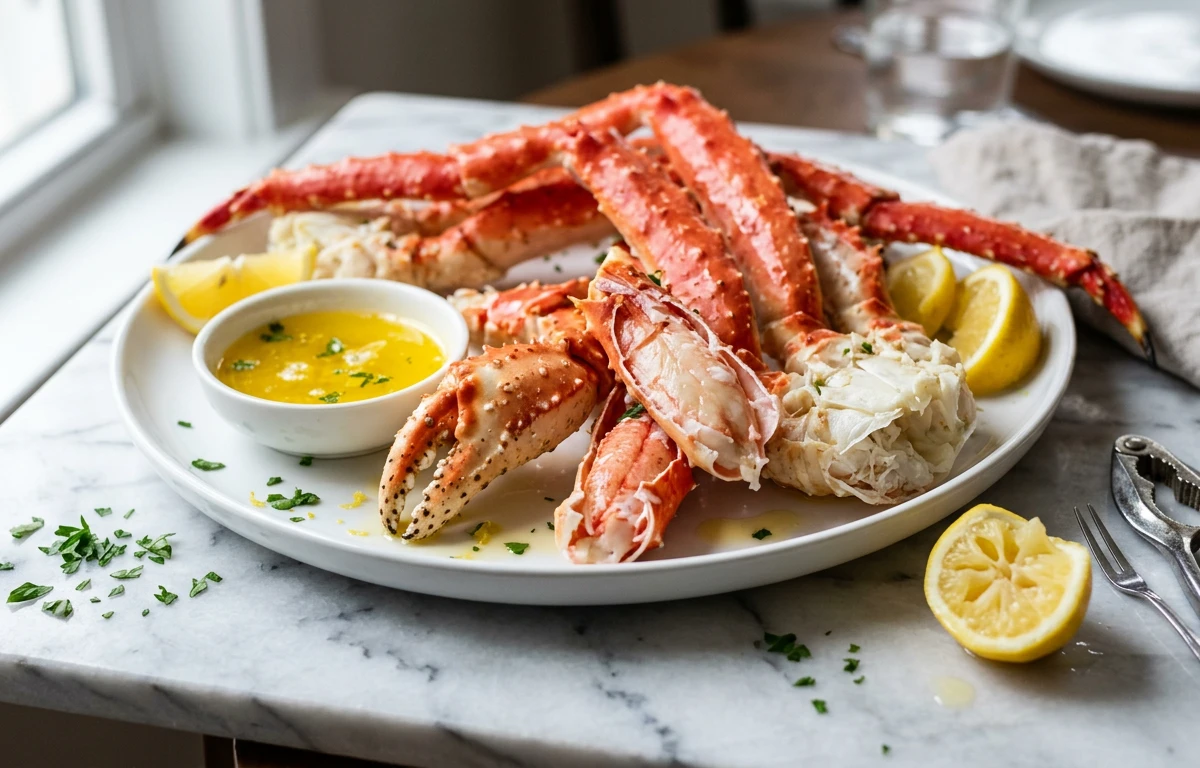
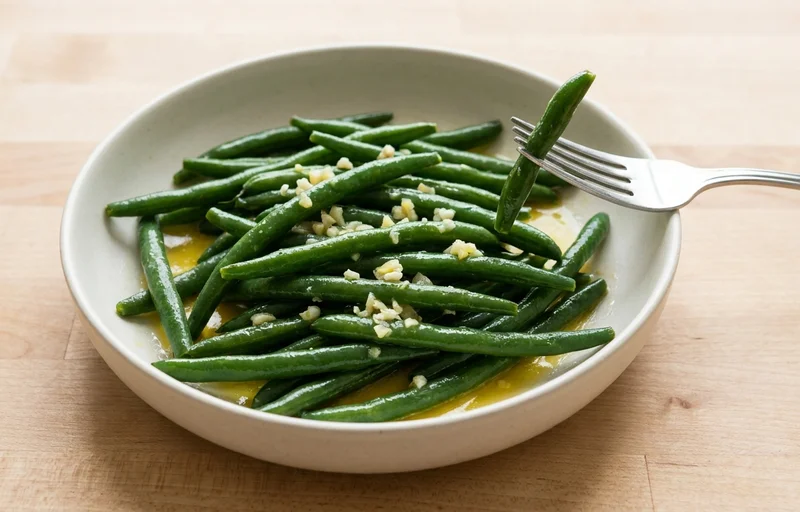
Melted butter is incredibly versatile. It's often used for sautéing, basting, making sauces like hollandaise, greasing baking pans, brushing onto pastries, or drizzling over popcorn, vegetables, and seafood.
Can I substitute melted butter with other ingredients?
Yes, depending on the recipe, you can substitute melted butter with various alternatives. Ghee (clarified butter) is a good option for a similar flavor profile, while olive oil, coconut oil, or other vegetable oils can be used for different tastes and dietary needs. Margarine is another common substitute.
How should I store melted butter?
If you've melted butter for immediate use, it's best to use it right away. If you have leftover melted butter, it will re-solidify at room temperature. For longer storage, transfer it to an airtight container and refrigerate, where it will solidify again.
How long does melted butter last?
Once melted, butter's shelf life is similar to that of solid butter. If refrigerated in an airtight container, it can last for several weeks, though it's best to use it within a few days for optimal freshness and flavor. Repeated melting and re-solidifying can slightly affect its quality over time.
RECIPES
Cook with melted butter.
0 recipes · sorted by what’s quick