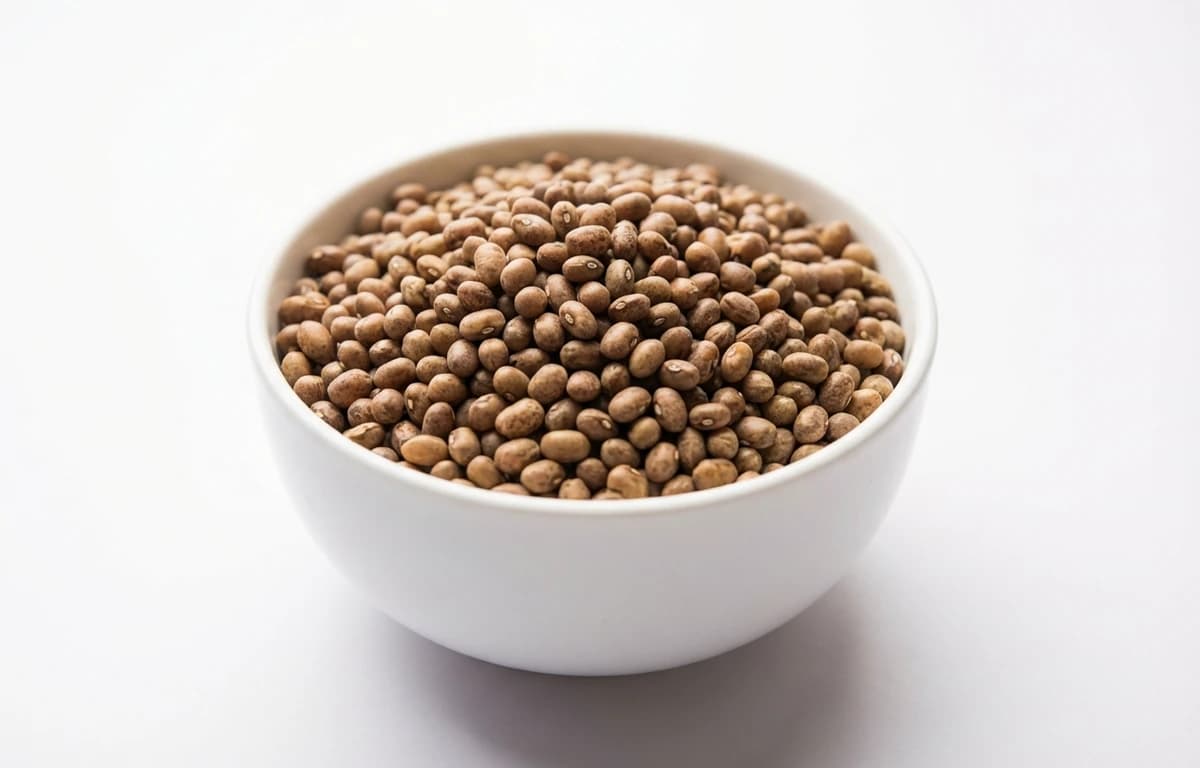
moth bean
Also known as:
Loading...
Also known as:
Per 100g
Nutrition data source: USDA FoodData Central
Common measurement equivalents in grams
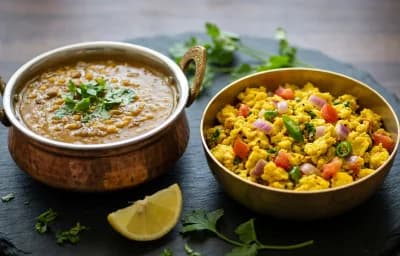
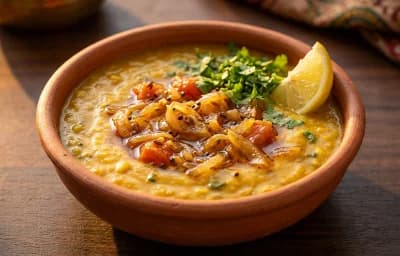
A hearty and protein-packed curry featuring creamy moth bean dal topped with spicy, flavorful Indian scrambled eggs (bhurji). This unique dish is a wholesome meal, perfect with hot rotis or rice.
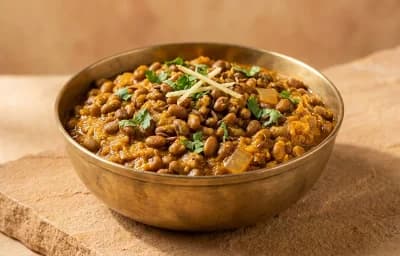
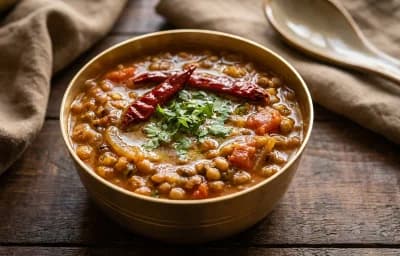
A wholesome and rustic Rajasthani curry made with nutritious moth beans. This simple, protein-packed dish has a tangy and mildly spicy flavor, perfect with hot rotis or rice. A true taste of desert cuisine.
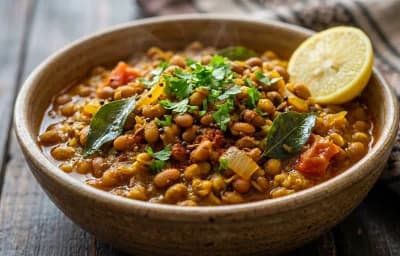
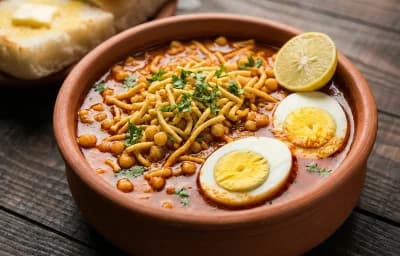
A classic Maharashtrian comfort food, this flavorful curry features tender sprouted moth beans simmered in a tangy tomato-onion gravy. The unique warmth of goda masala makes it truly special. Perfect with pav or bhakri.
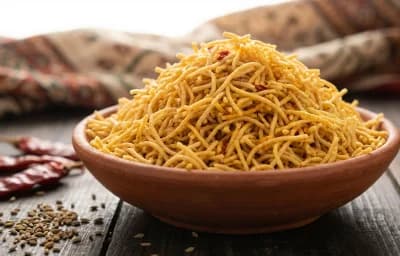
The iconic crispy, savory snack from Bikaner, Rajasthan. Made with moth bean and chickpea flour, this deep-fried treat is perfectly spiced and addictive. An essential for tea time or as a crunchy topping.
Yes, moth bean is very healthy. It's a nutrient-dense legume rich in protein and dietary fiber, which are crucial for satiety and digestive health. It also provides essential minerals like iron, magnesium, and phosphorus, supporting overall bodily functions.
Per 100g, moth beans contain approximately 308.56 calories, 19.75g of protein, 52.09g of carbohydrates, and 1.76g of fat. They are also a good source of fiber and various micronutrients, making them a nutritious addition to your diet.
Yes, moth beans can be beneficial for weight management. Their high protein and fiber content promote satiety, helping you feel full longer and potentially reducing overall calorie intake. This can aid in controlling appetite and supporting weight loss efforts.
Absolutely, moth bean is an excellent choice for both vegan and vegetarian diets. As a legume, it is entirely plant-based and serves as a significant source of plant protein, making it a valuable component for those avoiding animal products.
Yes, moth beans are naturally gluten-free. They are a legume and do not contain wheat, barley, or rye, making them a safe and healthy option for individuals with celiac disease or gluten sensitivity.
Yes, moth beans are generally suitable for people with diabetes. They have a low glycemic index, meaning they cause a slower and more gradual rise in blood sugar levels compared to high-GI foods. Their fiber content also helps in managing blood glucose.
Moth beans typically require soaking for 6-8 hours or overnight to reduce cooking time and improve digestibility. After soaking, drain and rinse them, then boil in fresh water for about 20-30 minutes until tender. They can then be used in curries, salads, or stews.
moth bean is a versatile ingredient found in cuisines around the world. With 308.56 calories per 100g and 19.75 grams of protein, it's a nutritious addition to many dishes.
Explore more ingredients in the legume category with complete nutrition information.
View all legume →Moth beans have a mild, earthy, and slightly nutty flavor. They are commonly used in Indian cuisine, particularly in dishes like 'matki usal' (a spicy curry), sprouts salads, and various snacks. Their versatility allows them to be incorporated into many savory preparations.
Dried moth beans should be stored in an airtight container in a cool, dry, and dark place, away from direct sunlight and moisture. This helps prevent spoilage and maintains their quality for an extended period. Cooked moth beans can be refrigerated for 3-4 days.
Yes, moth beans are excellent for sprouting. Sprouting enhances their nutritional value by increasing vitamin content, making proteins more digestible, and reducing anti-nutrients. Sprouted moth beans are often used in salads, stir-fries, and light curries for added crunch and nutrition.