Spice10 recipes
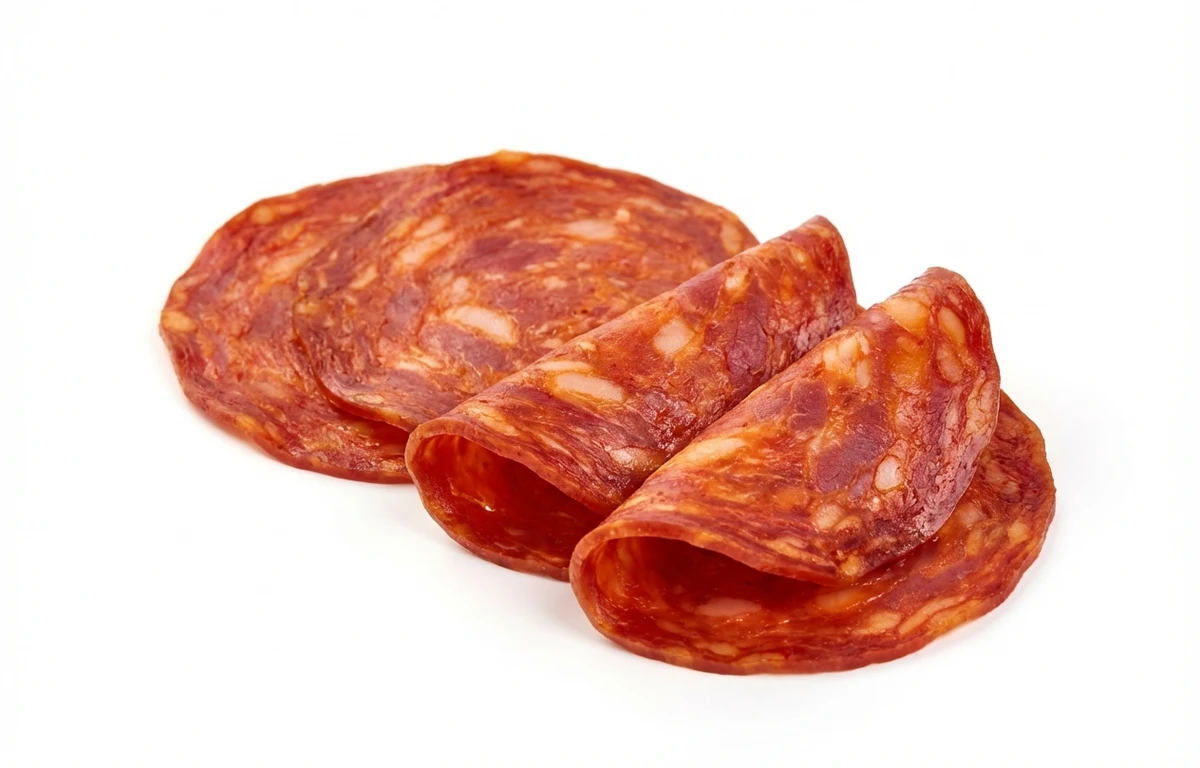
pepperoni.
VegetarianVeganGluten-freeDairy-freeNut-freePeanut-freeSoy-freeEgg-freeShellfish-freeHoney-freeAlcohol-freeHalalKosherFermented
ALSO KNOWN AS
pepperoni slicespepperoni sausagepizza pepperonipepperonisliced pepperonicured pepperoni slices
SERVING
CALORIES
494
PROTEIN
22.7g
CARBS
1.2g
FAT
44.1g
FIBER
0g
NUTRITION PROFILE · per 100 g
Everything in this ingredient.
MACRONUTRIENTS
Calories494kcal—
Protein22.7g45%
Carbohydrates1.2g0%
Fiber0g0%
Sugar0g0%
Total fat44.1g57%
Saturated fat17.7g89%
Trans fat0g—
Cholesterol97mg32%
Water26.4g—
MINERALS
Sodium1582mg69%
Potassium279mg6%
Calcium10mg1%
Iron1.5mg8%
Magnesium15mg4%
Phosphorus180mg14%
Zinc2.8mg25%
Copper0.10mg11%
Manganese0.03mg1%
Selenium18.5µg34%
VITAMINS
Vitamin A0µg0%
Vitamin C0mg0%
Vitamin D0.50µg3%
Vitamin E0.40mg3%
Vitamin K0µg0%
Thiamin (B1)0.30mg25%
Riboflavin (B2)0.20mg15%
Niacin (B3)4.5mg28%
Pantothenic acid (B5)0.70mg14%
Vitamin B60.40mg24%
Folate (B9)2.0µg1%
Vitamin B121.5µg63%
%DV based on a 2,000 cal diet. Source: USDA FoodData Central. A dash in the %DV column means there’s no established Daily Value for that nutrient.
MEASUREMENT CONVERSIONS
How much is what.
1 cup140g
1 oz28.4g
1 lb453.6g
1 piece6g
HEALTH BENEFITS
Why eat it.
- ✓High protein content for muscle maintenance
- ✓Good source of Vitamin B12 for nerve health
- ✓Contains Selenium, a powerful antioxidant
- ✓Provides Zinc for immune system support
- ✓Energy-dense food source
COOKING TIPS
In the kitchen.
- 1Pan-fry slices briefly to render fat and create a crispy texture
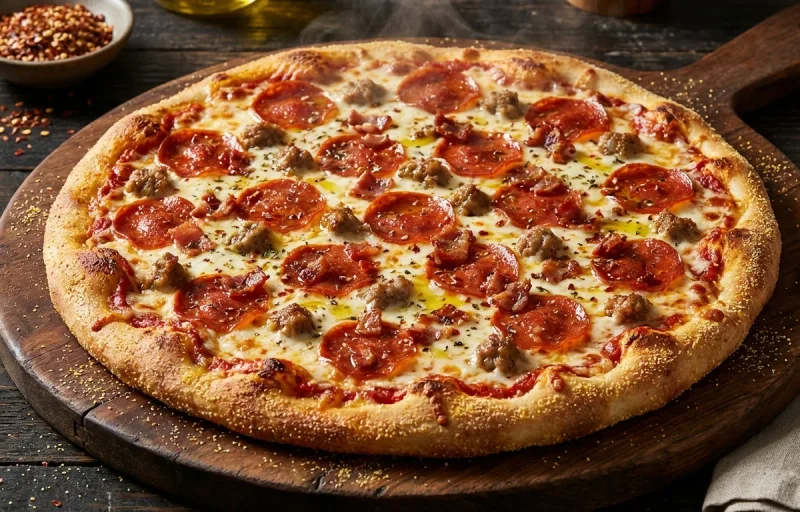
- 2Add to pizzas before baking so the edges curl and crisp up
- 3Dice and sauté with aromatics to add a smoky, spicy base to pasta sauces
STORAGE
Keep it fresh.
- Store in the refrigerator in an airtight container for up to 3 weeks after opening
- Can be frozen for up to 6 months if wrapped tightly to prevent freezer burn
- Unopened dry-cured pepperoni can often be stored at room temperature in a cool, dark place
FAQ
Frequently asked questions.
How long does pepperoni last in the fridge?
Once opened, sliced pepperoni typically lasts about 2 to 3 weeks in the refrigerator when kept in a sealed bag or container.
Can you freeze pepperoni?
Yes, pepperoni freezes very well. Wrap it tightly in plastic wrap or foil and place it in a freezer bag; it will maintain quality for about 6 months.
Is pepperoni pork or beef?
Traditional American pepperoni is a cured sausage made from a mixture of both pork and beef, seasoned with paprika and chili pepper.
What is a good substitute for pepperoni?
Salami is the closest substitute. For a lighter version, turkey pepperoni is common, and for vegetarians, plant-based pepperoni alternatives are available.
Does pepperoni need to be cooked?
No, pepperoni is a cured and fermented sausage, meaning it is technically 'cooked' by the curing process and is safe to eat cold.
Why does pepperoni turn red?
The distinct red color comes from the use of paprika and the chemical reaction of sodium nitrite used in the curing process.
Is pepperoni gluten-free?
Most standard pepperoni is gluten-free, but some brands may use grain-based fillers, so always check the label if you have a sensitivity.
How can I tell if pepperoni has gone bad?
Look for a slimy texture, a dull or greyish color, or a sour, off-putting smell. If any mold is present, discard the entire package.
Is pepperoni high in sodium?
Yes, pepperoni is very high in sodium due to the salt used in the curing process, containing over 1500mg per 100g.
What gives pepperoni its spicy flavor?
The spice primarily comes from a combination of paprika, garlic powder, black pepper, and sometimes cayenne or crushed red pepper flakes.
RECIPES
Cook with pepperoni.
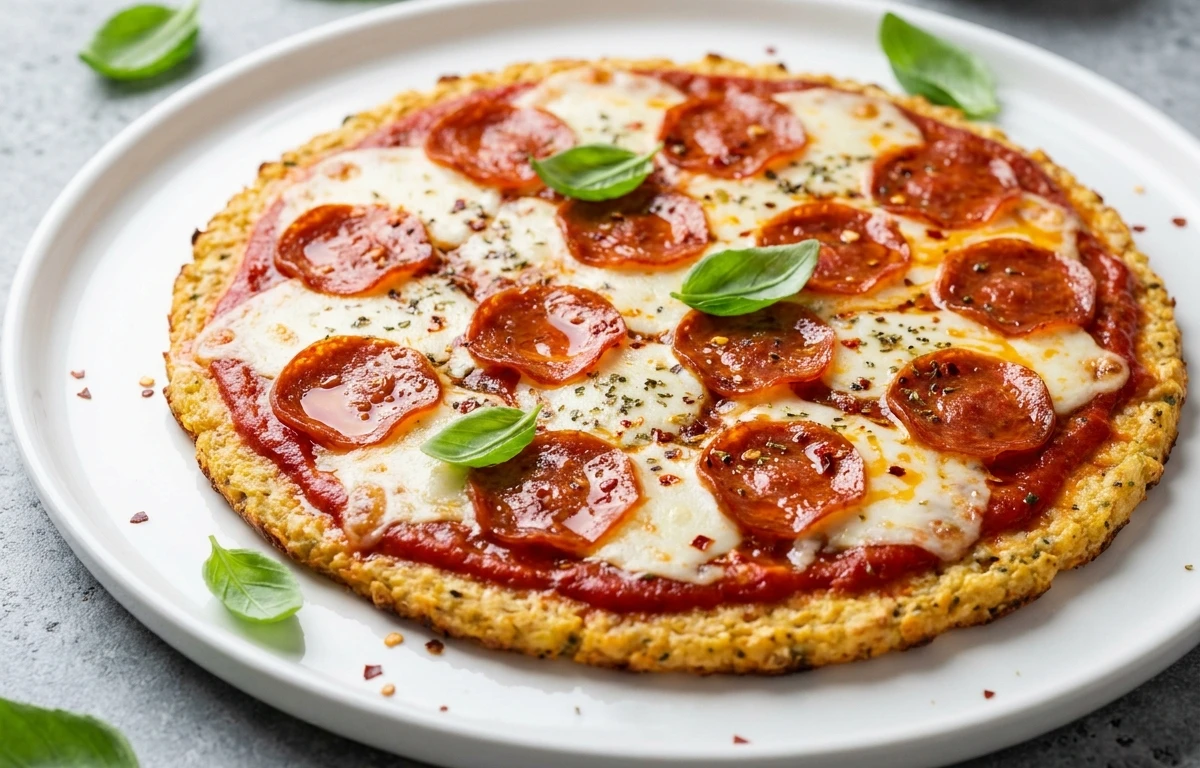
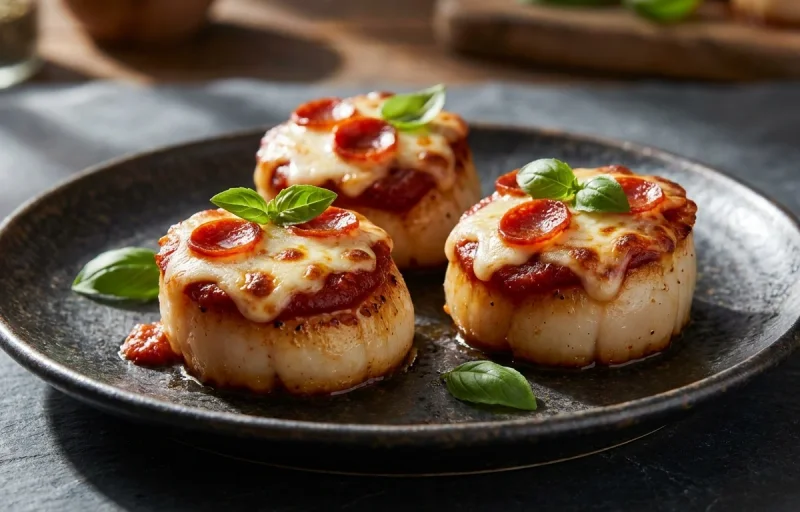
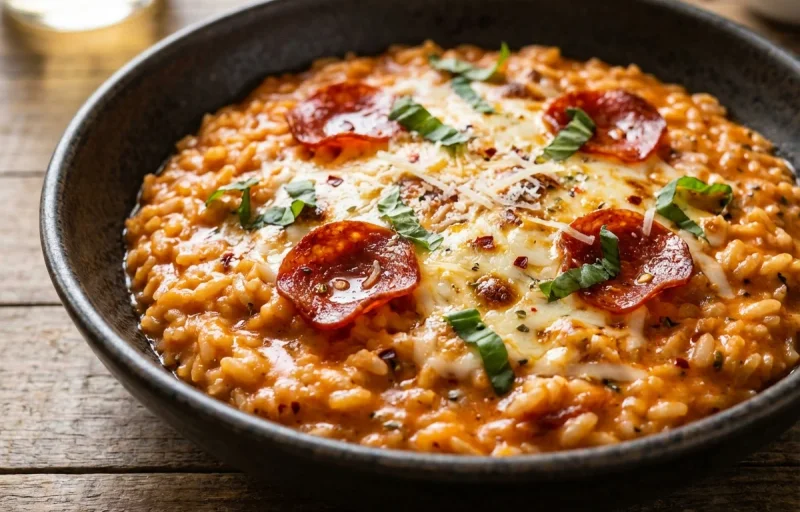
10 recipes · sorted by what’s quick