Spice10 recipes
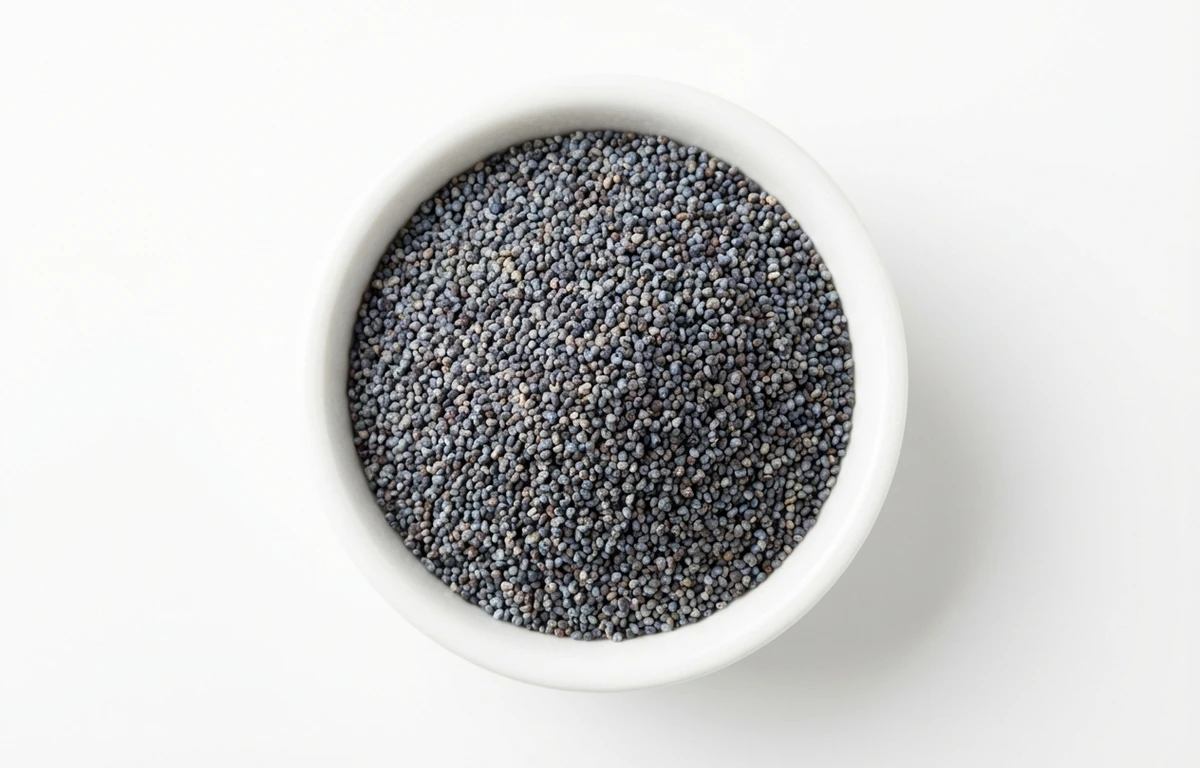
poppy seed.
VegetarianVeganGluten-freeDairy-freeNut-freePeanut-freeSoy-freeEgg-freeShellfish-freeHoney-freeAlcohol-free
ALSO KNOWN AS
khus khuskhas khaspostopapaver somniferummohnopium poppy seeds
SERVING
CALORIES
525
PROTEIN
18g
CARBS
28.1g
FAT
41.6g
FIBER
19.5g
NUTRITION PROFILE · per 100 g
Everything in this ingredient.
MACRONUTRIENTS
Calories525kcal—
Protein18g36%
Carbohydrates28.1g10%
Fiber19.5g70%
Sugar3.0g6%
Total fat41.6g53%
Saturated fat4.5g23%
Trans fat0g—
Cholesterol0mg0%
Water5.9g—
MINERALS
Sodium26mg1%
Potassium719mg15%
Calcium1438mg111%
Iron9.8mg54%
Magnesium347mg83%
Phosphorus870mg70%
Zinc7.9mg72%
Copper1.6mg178%
Manganese6.7mg291%
Selenium13.5µg25%
VITAMINS
Vitamin A0µg0%
Vitamin C1.0mg1%
Vitamin D0µg0%
Vitamin E1.8mg12%
Vitamin K0µg0%
Thiamin (B1)0.85mg71%
Riboflavin (B2)0.10mg8%
Niacin (B3)0.90mg6%
Pantothenic acid (B5)0.32mg6%
Vitamin B60.25mg15%
Folate (B9)82µg21%
Vitamin B120µg0%
%DV based on a 2,000 cal diet. Source: USDA FoodData Central. A dash in the %DV column means there’s no established Daily Value for that nutrient.
MEASUREMENT CONVERSIONS
How much is what.
1 cup145g
1 tablespoon8.5g
1 teaspoon2.8g
1 oz28.4g
1 lb453.6g
1 ml0.6g
1 liter600g
HEALTH BENEFITS
Why eat it.
- ✓Excellent source of manganese for bone health and blood clotting
- ✓High calcium content supports bone density and nerve function
- ✓Rich in dietary fiber which aids in digestive regularity
- ✓Contains essential omega-6 fatty acids for heart health
- ✓Provides significant amounts of magnesium and phosphorus
COOKING TIPS
In the kitchen.
- 1Toast seeds lightly in a dry skillet to enhance their nutty flavor and aroma
- 2Soak seeds in warm water or milk for 2-3 hours before grinding into a paste for curries
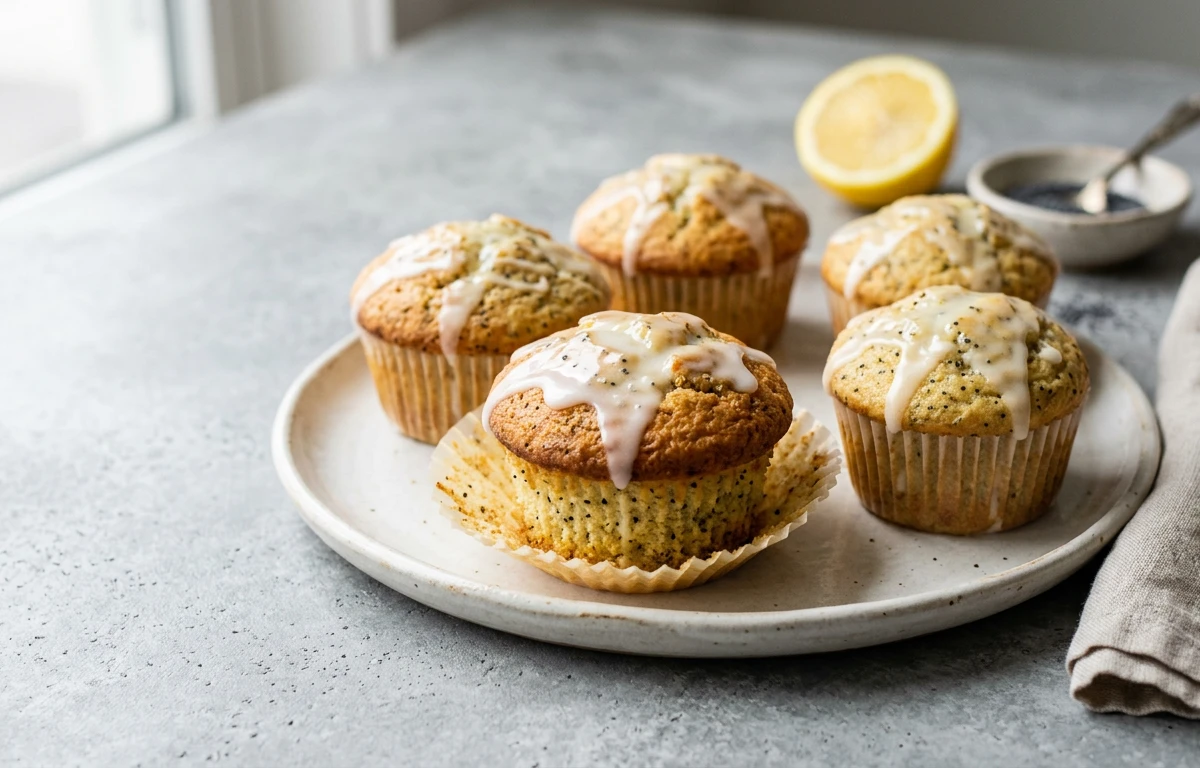
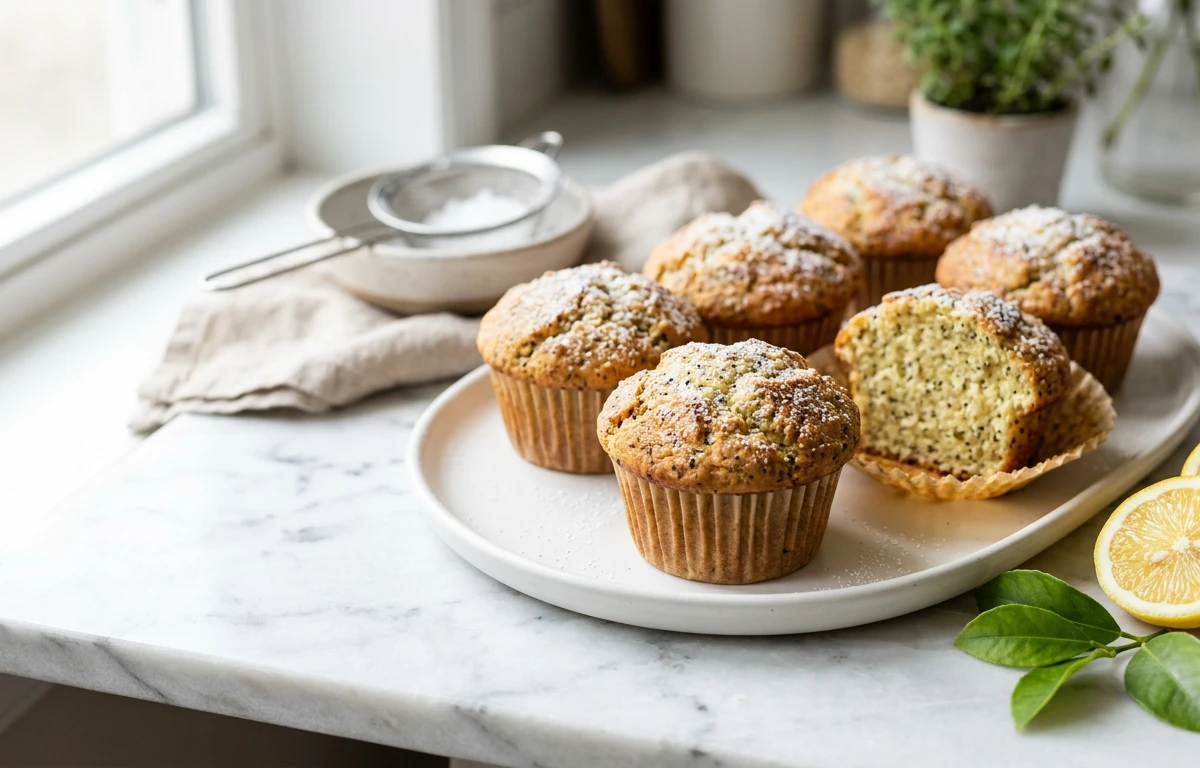
- 3Use as a garnish for baked goods like bagels, muffins, and breads for added texture
STORAGE
Keep it fresh.
- Store in an airtight container in a cool, dark, and dry pantry
- Refrigerate or freeze for long-term storage to prevent the high oil content from turning rancid
- Keep away from direct sunlight and heat sources
FAQ
Frequently asked questions.
How long do poppy seeds last?
When stored in a cool, dark place, they last about 6 months. In the refrigerator or freezer, they can stay fresh for up to 1 year.
Can poppy seeds go bad?
Yes, due to their high oil content, they can become rancid. If they smell musty or bitter, they should be discarded.
Do poppy seeds cause a positive drug test?
Yes, consuming poppy seeds can occasionally result in a false positive for opiates on a drug test, though most modern tests have higher thresholds to account for this.
What is a good substitute for poppy seeds?
Black sesame seeds or chia seeds are the best substitutes for texture and appearance, though the flavor profile will differ slightly.
How do I grind poppy seeds?
Use a dedicated poppy seed grinder, a clean coffee/spice grinder, or a mortar and pestle after soaking the seeds to release their oils.
Are poppy seeds safe for everyone?
Generally yes, but they should be consumed in culinary amounts. Pregnant women and those with specific sensitivities should consult a doctor regarding large quantities.
Why are poppy seeds used in Indian curries?
In Indian cuisine (often called Khus Khus), they are ground into a paste to act as a thickener and to provide a creamy, nutty base for gravies.
How can I tell if poppy seeds are high quality?
Look for seeds that are uniform in color (slate blue or creamy white depending on variety) and have a clean, nutty scent without any chemical or oily odor.
RECIPES
Cook with poppy seed.
10 recipes · sorted by what’s quick
-curry.webp)
.webp)