
Grain
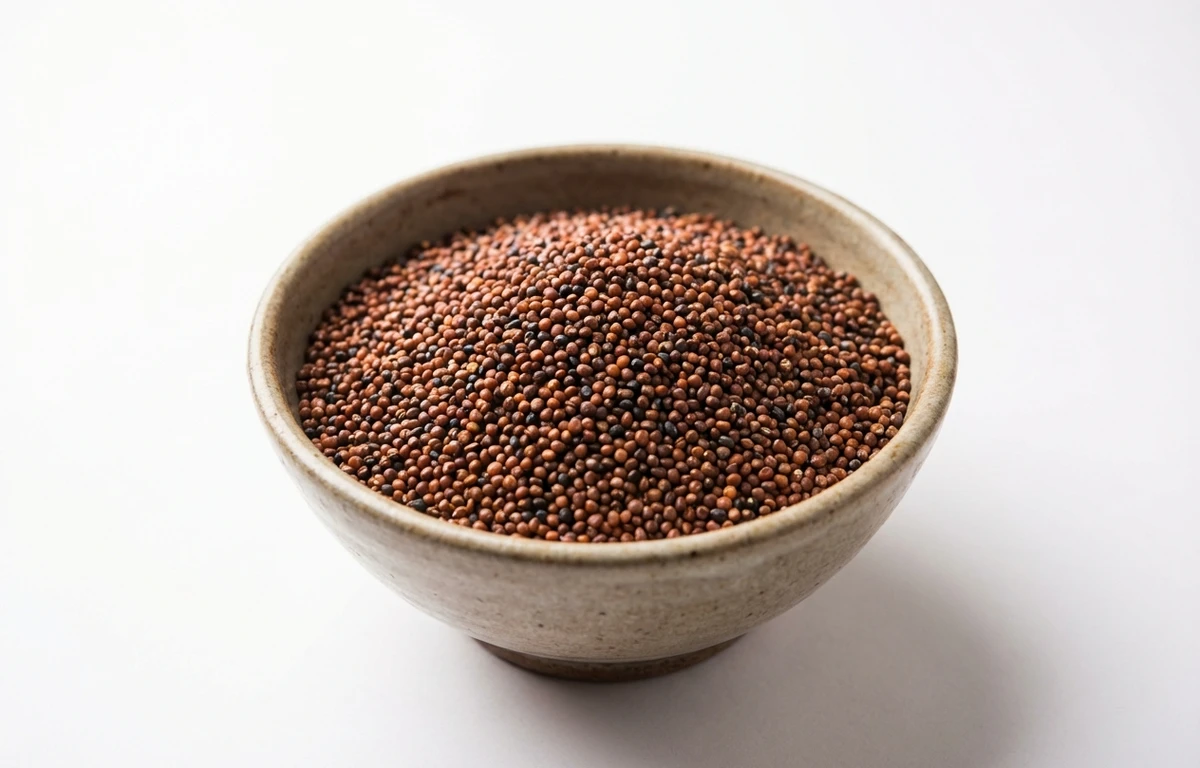
ragi.
VegetarianVeganGluten-freeDairy-freeNut-freePeanut-freeSoy-freeEgg-freeShellfish-freeHoney-freeAlcohol-freeWhole grain
SERVING
CALORIES
321
PROTEIN
7.2g
CARBS
66.8g
FAT
1.9g
FIBER
11.2g
NUTRITION PROFILE · per 100 g
Everything in this ingredient.
MACRONUTRIENTS
Calories321kcal—
Protein7.2g14%
Carbohydrates66.8g24%
Fiber11.2g40%
Sugar0.34g1%
Total fat1.9g2%
Saturated fat0.32g2%
Trans fat0g—
Cholesterol0mg0%
Water10.9g—
MINERALS
Sodium4.8mg0%
Potassium443mg9%
Calcium364mg28%
Iron4.6mg26%
Magnesium146mg35%
Phosphorus210mg17%
Zinc2.5mg23%
Copper0.67mg74%
Manganese3.2mg139%
Selenium15.3µg28%
VITAMINS
Vitamin A1.5µg0%
Vitamin C0mg0%
Vitamin D41.5µg207%
Vitamin E0.16mg1%
Vitamin K3.0µg3%
Thiamin (B1)0.37mg31%
Riboflavin (B2)0.17mg13%
Niacin (B3)1.3mg8%
Pantothenic acid (B5)0.29mg6%
Vitamin B60.05mg3%
Biotin (B7)0.88µg3%
Folate (B9)34.7µg9%
%DV based on a 2,000 cal diet. Source: USDA FoodData Central. A dash in the %DV column means there’s no established Daily Value for that nutrient.
MEASUREMENT CONVERSIONS
How much is what.
1 cup110g
1 tablespoon6.8g
1 teaspoon2.3g
1 oz28.4g
1 lb453.6g
1 ml0.5g
1 liter458.3g
HEALTH BENEFITS
Why eat it.
- ✓Exceptionally rich in calcium, promoting strong bones and teeth.
- ✓High in dietary fiber, which aids in digestion, weight management, and helps regulate blood sugar levels.
- ✓A good source of iron, which is crucial for preventing anemia and maintaining healthy blood.
- ✓Naturally gluten-free, making it an excellent grain for individuals with celiac disease or gluten intolerance.
COOKING TIPS
In the kitchen.
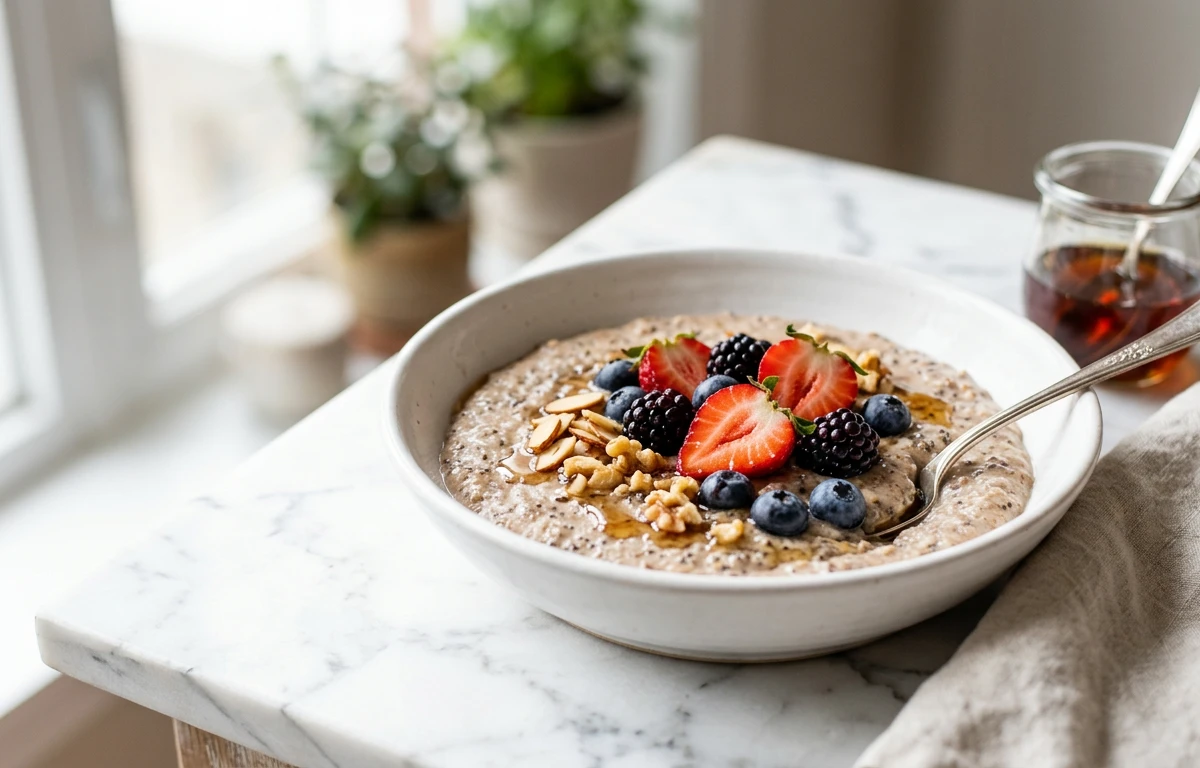
- 1To make a nutritious porridge (ragi malt), mix ragi flour with cold water to form a lump-free paste before adding it to boiling water or milk.
- 2When making flatbreads (roti or bhakri), use warm water to knead the dough, as this helps to make the gluten-free dough more pliable.
- 3Sprouting whole ragi grains before cooking or grinding them into flour can enhance their nutritional value and improve digestibility.
- 4Ragi's earthy flavor pairs well with jaggery, cardamom, and coconut in sweet preparations, and with buttermilk and spices in savory dishes.
STORAGE
Keep it fresh.
- Store whole ragi grains in an airtight container in a cool, dark, and dry place for up to one year.
- Ragi flour should be stored in an airtight container in the refrigerator for up to 3 months or the freezer for up to 6 months to prevent it from turning rancid.
FAQ
Frequently asked questions.
Is ragi healthy? What are its main benefits?
Yes, ragi is exceptionally healthy and a nutritional powerhouse. It is particularly known for its high calcium content, which supports bone health, and is rich in dietary fiber, aiding digestion and blood sugar control. Ragi also provides a good source of iron, crucial for preventing anemia.
How much calcium is in ragi, and why is it important?
Ragi is one of the richest plant sources of calcium, containing significantly more than many other grains. This high calcium content is crucial for maintaining strong bones and teeth, preventing osteoporosis, and supporting vital nerve and muscle functions throughout the body.
Is ragi good for weight loss or managing blood sugar?
Yes, ragi is beneficial for both. Its high dietary fiber content promotes satiety, helping to reduce overall calorie intake for weight management. The fiber also helps slow down the absorption of carbohydrates, leading to a more gradual rise in blood sugar levels, which is excellent for managing diabetes.
Is ragi gluten-free?
Yes, ragi is naturally gluten-free, making it an excellent and safe grain choice for individuals with celiac disease, gluten sensitivity, or those following a gluten-free diet. It offers a nutritious alternative to wheat and other gluten-containing grains.
Can diabetics eat ragi?
Absolutely. Ragi has a low glycemic index due to its high fiber content, which helps in regulating blood sugar levels and preventing rapid spikes. It's a much better alternative to refined grains for diabetics, contributing to better glucose management.
How do you cook ragi? What are common ways to use it?
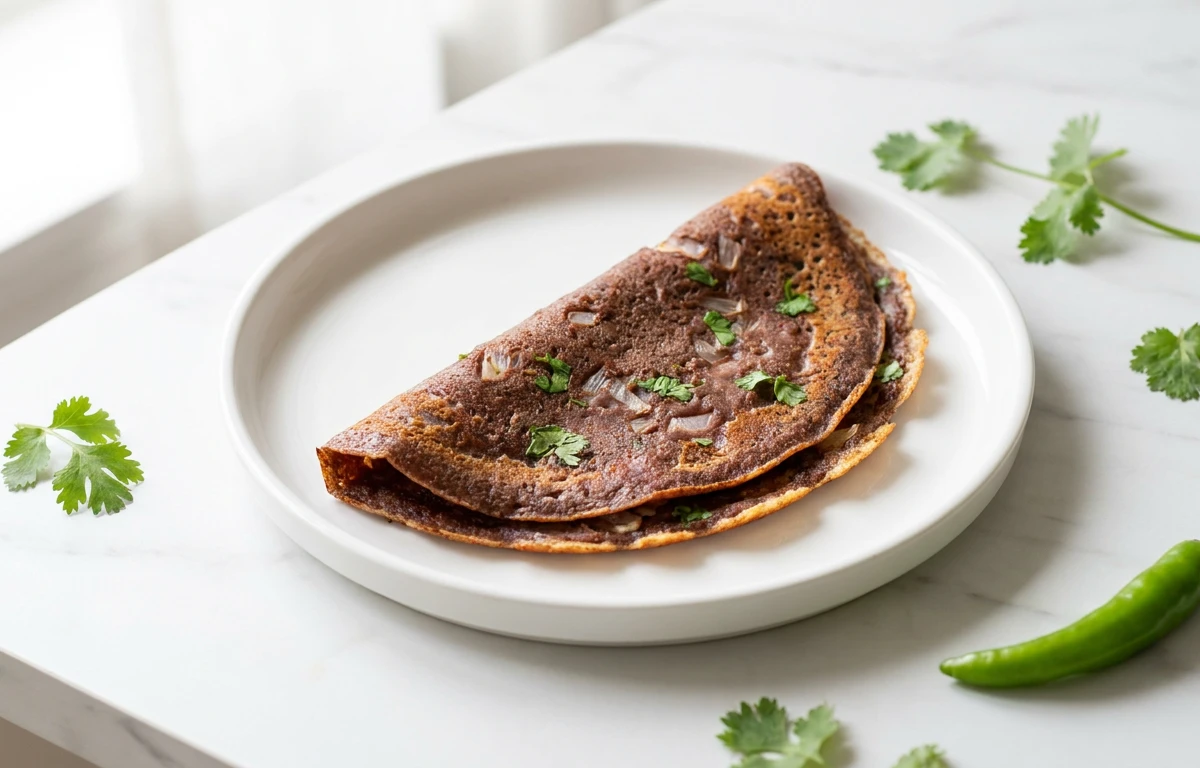
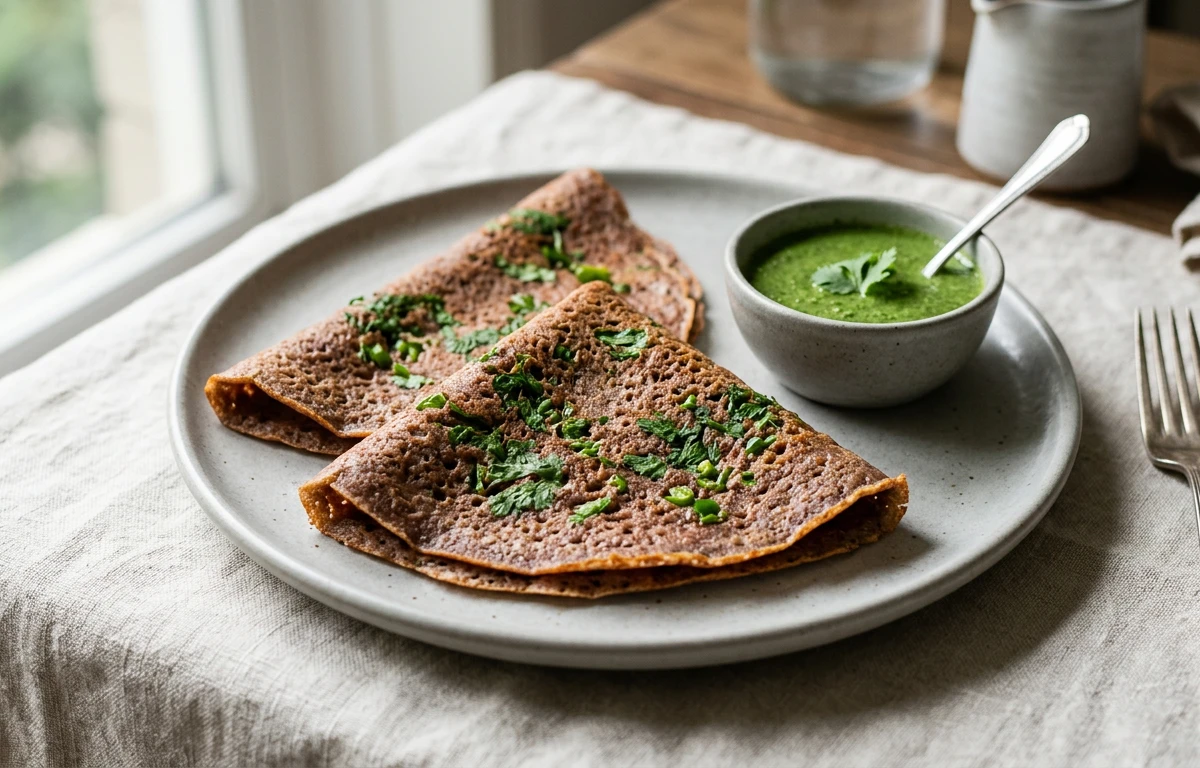
Ragi is versatile and commonly ground into flour to make rotis, dosas, idlis, porridges, or even baked goods like cookies and bread. Whole ragi can also be sprouted and added to salads or used in savory dishes, offering a unique texture and nutritional boost.
What does ragi taste like?
Ragi has a mild, slightly nutty, and earthy flavor. When cooked, it can have a somewhat coarse or dense texture, depending on the preparation method. Its subtle taste makes it adaptable to both sweet and savory dishes without overpowering other flavors.
How should I store ragi flour or whole ragi?
Store whole ragi grains or ragi flour in an airtight container in a cool, dry, and dark place to prevent moisture absorption and keep pests away. For extended freshness, especially in humid climates, refrigeration can be beneficial for ragi flour.
How long does ragi last?
Whole ragi grains can last for up to 6-12 months when stored properly in an airtight container. Ragi flour, due to its higher surface area, typically has a shorter shelf life of 3-6 months, but can last longer if refrigerated. Always check for any off smells or signs of spoilage before use.
Is ragi a good source of protein for vegetarians?
While not as high in protein as legumes or animal products, ragi provides a decent amount of protein for a grain, with approximately 7.16g per 100g. It contributes valuable protein to daily intake and is an important component of a balanced vegetarian diet, especially when combined with other protein sources.
RECIPES
Cook with ragi.
0 recipes · sorted by what’s quick
.webp)



















