Other8 recipes
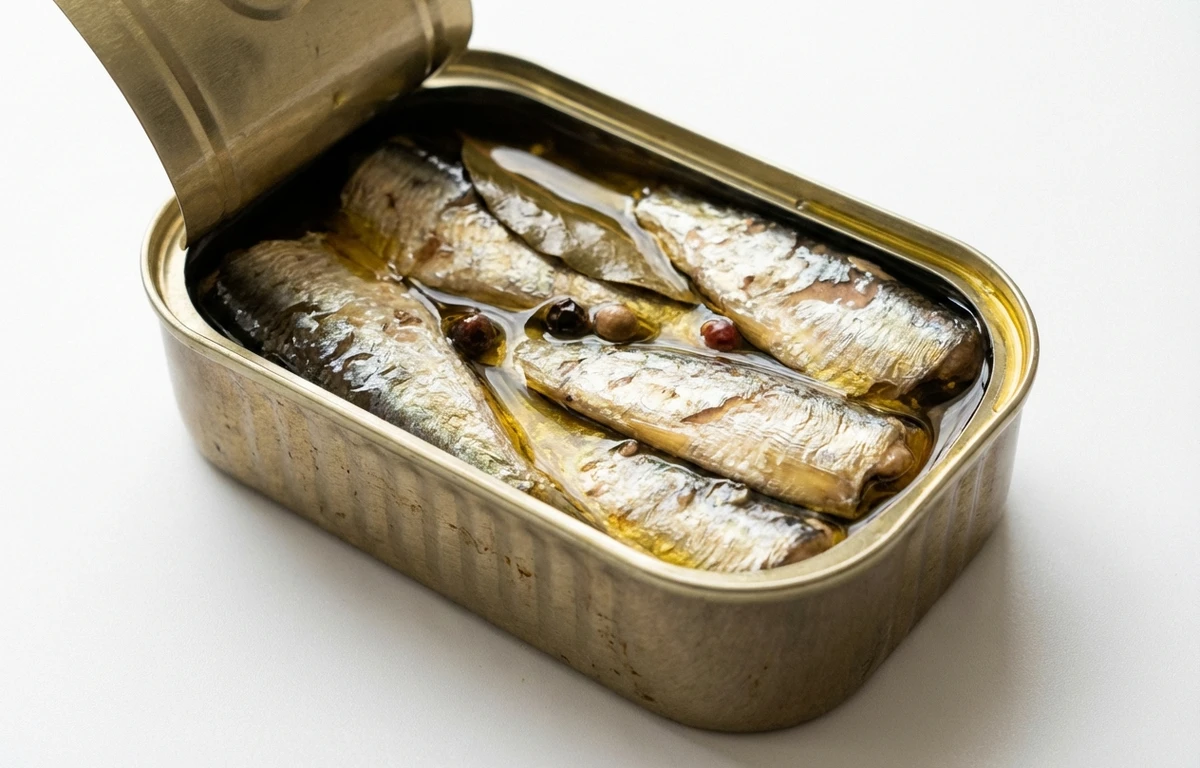
sardines.
VegetarianVeganGluten-freeDairy-freeNut-freePeanut-freeSoy-freeEgg-freeShellfish-freeHoney-freeAlcohol-free
ALSO KNOWN AS
pilchards
SERVING
CALORIES
208
PROTEIN
24.6g
CARBS
0g
FAT
11.5g
FIBER
0g
This ingredient is flagged as naturally gluten-free. Per 100 g, it provides 2.6 µg of vitamin K.
NUTRITION PROFILE · per 100 g
Everything in this ingredient.
MACRONUTRIENTS
Calories208kcal—
Protein24.6g49%
Carbohydrates0g0%
Fiber0g0%
Sugar0g0%
Total fat11.5g15%
Saturated fat1.5g8%
Trans fat0g—
Cholesterol142mg47%
Water59.6g—
MINERALS
Sodium75mg3%
Potassium397mg8%
Calcium382mg29%
Iron2.9mg16%
Magnesium39mg9%
Phosphorus490mg39%
Zinc1.3mg12%
Copper0.19mg21%
Manganese0.10mg4%
Selenium52.7µg96%
VITAMINS
Vitamin A32µg4%
Vitamin C0mg0%
Vitamin D4.8µg24%
Vitamin E2.0mg14%
Vitamin K2.6µg2%
Thiamin (B1)0.08mg7%
Riboflavin (B2)0.23mg18%
Niacin (B3)5.2mg33%
Pantothenic acid (B5)0.64mg13%
Vitamin B60.17mg10%
Folate (B9)10µg3%
Vitamin B128.9µg371%
%DV based on a 2,000 cal diet. Source: USDA FoodData Central. A dash in the %DV column means there’s no established Daily Value for that nutrient.
MEASUREMENT CONVERSIONS
How much is what.
1 cup150g
1 oz28.4g
1 lb453.6g
1 piece40g
HEALTH BENEFITS
Why eat it.
- ✓Rich in Omega-3 fatty acids for heart and brain health
- ✓Excellent source of Vitamin B12 for nerve function
- ✓High in Calcium and Vitamin D for bone strength
- ✓Low mercury levels compared to larger predatory fish
- ✓Complete high-quality protein source
COOKING TIPS
In the kitchen.
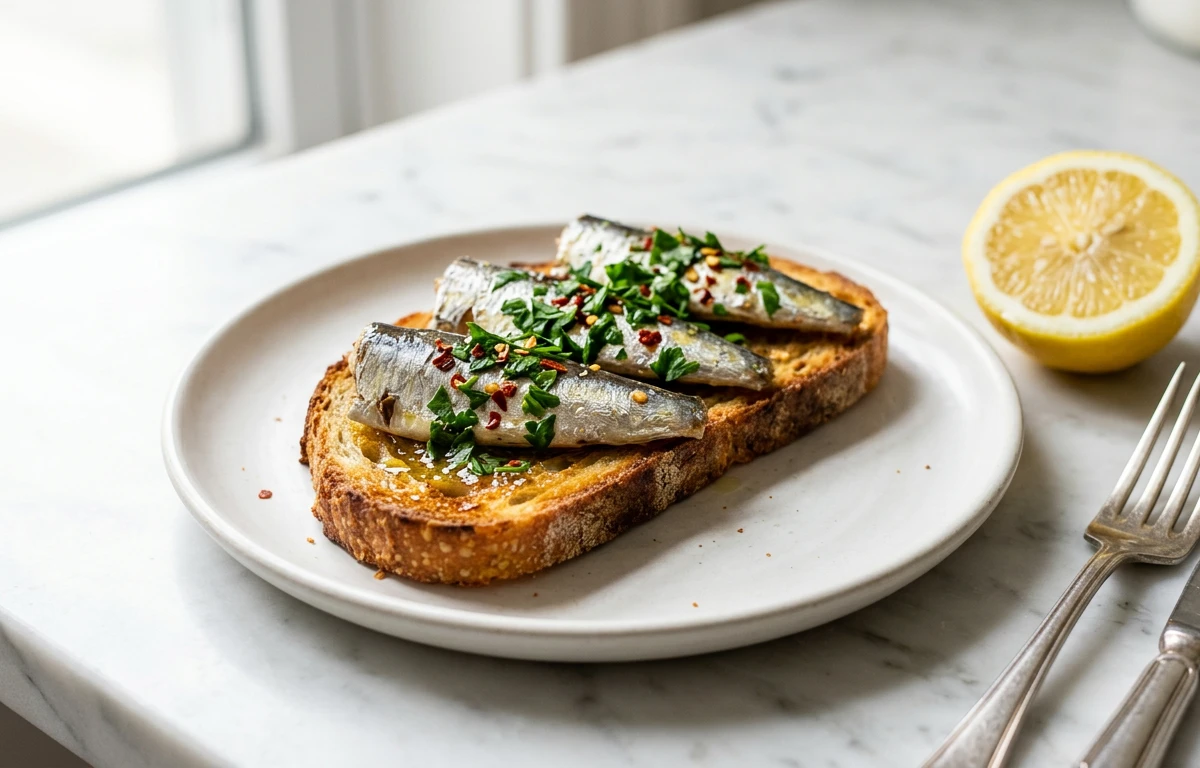
- 1Grill or broil with olive oil, lemon, and herbs for a classic Mediterranean preparation
- 2The small bones are edible and provide a significant source of calcium
- 3Avoid overcooking as they are small and can dry out very quickly
STORAGE
Keep it fresh.
- Store fresh sardines on a bed of ice in the coldest part of the refrigerator
- Use fresh sardines within 1 to 2 days of purchase
- Freeze in airtight containers or vacuum-sealed bags for up to 3 months
FAQ
Frequently asked questions.
How long do fresh sardines last in the fridge?
Fresh sardines are highly perishable and should be consumed within 1-2 days of purchase.
How can I tell if fresh sardines are high quality?
Look for bright, clear eyes, shiny skin with intact scales, and a fresh sea-like smell rather than a 'fishy' odor.
What is a good substitute for sardines?
Anchovies, herring, or small mackerel are the best substitutes due to their similar oily texture and flavor profile.
Do I need to remove the bones before eating?
No, the bones in sardines are very soft and completely edible, providing a great source of calcium.
Are sardines high in mercury?
No, sardines are low on the food chain and feed on plankton, meaning they accumulate very little mercury compared to tuna or swordfish.
How do I clean fresh sardines?
Gently scrape off scales, make a small slit in the belly to remove innards, and rinse thoroughly under cold water.
Can sardines be frozen?
Yes, they can be frozen for up to 3 months, though the texture is best when eaten fresh.
What are the best ways to cook sardines?
Grilling, pan-frying, and roasting are excellent methods that highlight their rich flavor.
RECIPES
Cook with sardines.
8 recipes · sorted by what’s quick
.webp)