
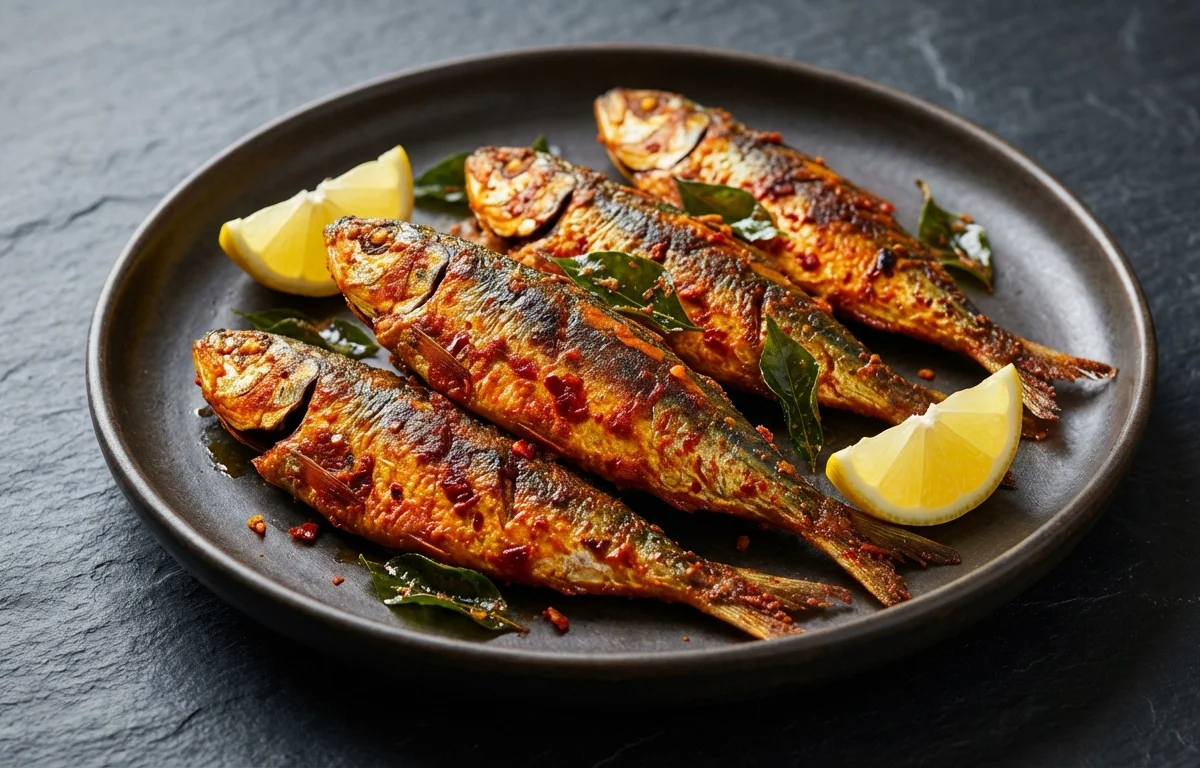
Boothai Masala Fry
Subtly spiced bottle gourd cubes pan-fried to tender perfection with a fragrant mix of cumin, turmeric, and chili. A light, everyday Kannadiga-style palya that pairs beautifully with jowar roti or steamed rice and sambar.
For 4 servings
- prep
Peel and cube the bottle gourd.
Peel the bottle gourd, cut it in half lengthwise, remove any mature seeds with a spoon, and dice the flesh into small 1-cm cubes.
- temper · ~2 min
Make the tempering.
1.Heat oil in a kadai over medium heat until shimmering.2.Add mustard seeds and let them splutter (30 sec).3.Add urad dal and sauté until light golden (20 sec).4.Add cumin seeds, dried red chili, and curry leaves. Sauté until fragrant (15 sec). - saute · ~4 min
Sauté the onions and green chili.
1.Add chopped onion and slit green chilies to the pan.2.Sauté until the onions turn translucent and soft (3-4 min).TIPDon't rush the onions — letting them soften properly builds the sweet base for the dish. - saute · ~10 min
Cook the bottle gourd with spices.
1.Add the cubed bottle gourd, turmeric powder, red chili powder, and salt.2.Stir well to coat the gourd evenly with the spices.3.Cover with a lid and cook on low heat for 8-10 minutes, stirring once halfway. The gourd will release its own water; no extra water is needed. - mix · ~2 min
Finish with fresh coconut.
1.Remove the lid and check that the gourd is tender and all moisture has evaporated.2.Add the grated coconut and stir gently to combine.3.Cook uncovered for another 2 minutes to lightly toast the coconut. - garnish
Garnish with coriander leaves and serve hot.
Turn off the heat, sprinkle chopped coriander leaves on top, and serve immediately with jowar roti or steamed rice.
What to keep in mind.
7 tips from the recipe — small details that make a real difference to the final dish.
- 1Peel the bottle gourd thickly to remove the tough, fibrous skin for a tender bite.
- 2Cut the gourd into small, even 1-cm cubes to ensure uniform cooking.
- 3Do not add water while cooking; the gourd releases enough moisture to steam itself.
- 4Cook covered on low heat to trap steam and soften the gourd without burning.
- 5Stir once midway to prevent sticking and ensure even cooking.
- 6Add fresh coconut only at the end and toast lightly for a nutty finish.
- 7You can make this ahead; it tastes even better the next day after flavors meld.
Adapt it for your goals.
Low-oil
Reduce oil to 1 tsp and use a non-stick pan; the gourd's own moisture prevents sticking, making this a lighter version for calorie-conscious cooks.
high proteinHigh-protein
Add 1/2 cup of cooked chana dal or sprouted moong beans after the onions are soft for a protein boost that turns this into a hearty one-pot meal.
jainJain
Skip the onion and garlic; the flavor still shines with the tempering of mustard seeds, cumin, and fresh coconut, making it suitable for Jain diets.
veganVegan
This recipe is naturally vegan if you use plant-based oil — skip no ingredients; the coconut adds richness without dairy.
Why this is on our healthy list.
Low-Calorie Base
Bottle gourd is over 90% water and very low in calories, making this dish ideal for weight management without sacrificing flavor.
Rich in Hydration
The high water and fiber content in bottle gourd aids digestion and helps keep the body hydrated, especially in warm climates.
Antioxidant Spices
Turmeric and curry leaves provide anti-inflammatory and antioxidant benefits, supporting overall wellness with every bite.
Digestive Support
The combination of cumin, mustard seeds, and asafoetida (not in this recipe but common) aids digestion, and fresh coconut adds healthy medium-chain triglycerides.
Frequently asked questions
Fresh bottle gourd is best for texture, but frozen works if thawed and squeezed dry to remove excess water before cooking.



.webp)
.webp)