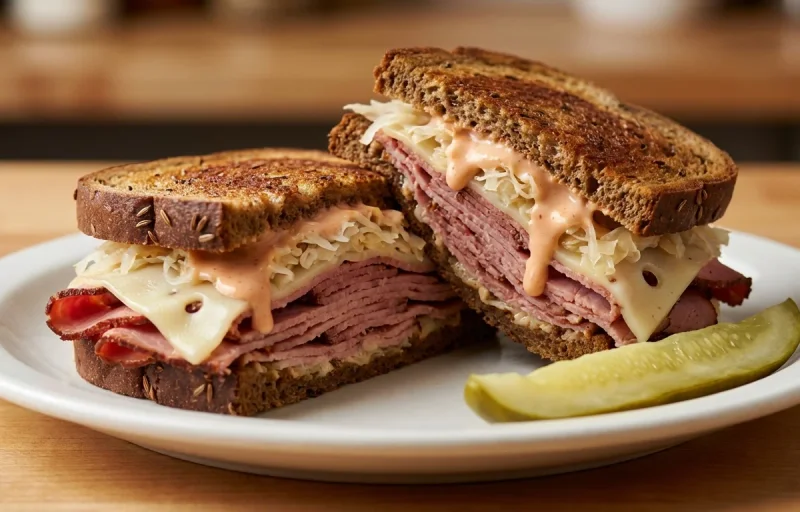
Other10 recipes
sauerkraut.
VegetarianVeganGluten-freeDairy-freeNut-freePeanut-freeSoy-freeEgg-freeShellfish-freeHoney-freeAlcohol-freeFermented
ALSO KNOWN AS
sour krautfermented cabbagesauerkrautcanned sauerkraut
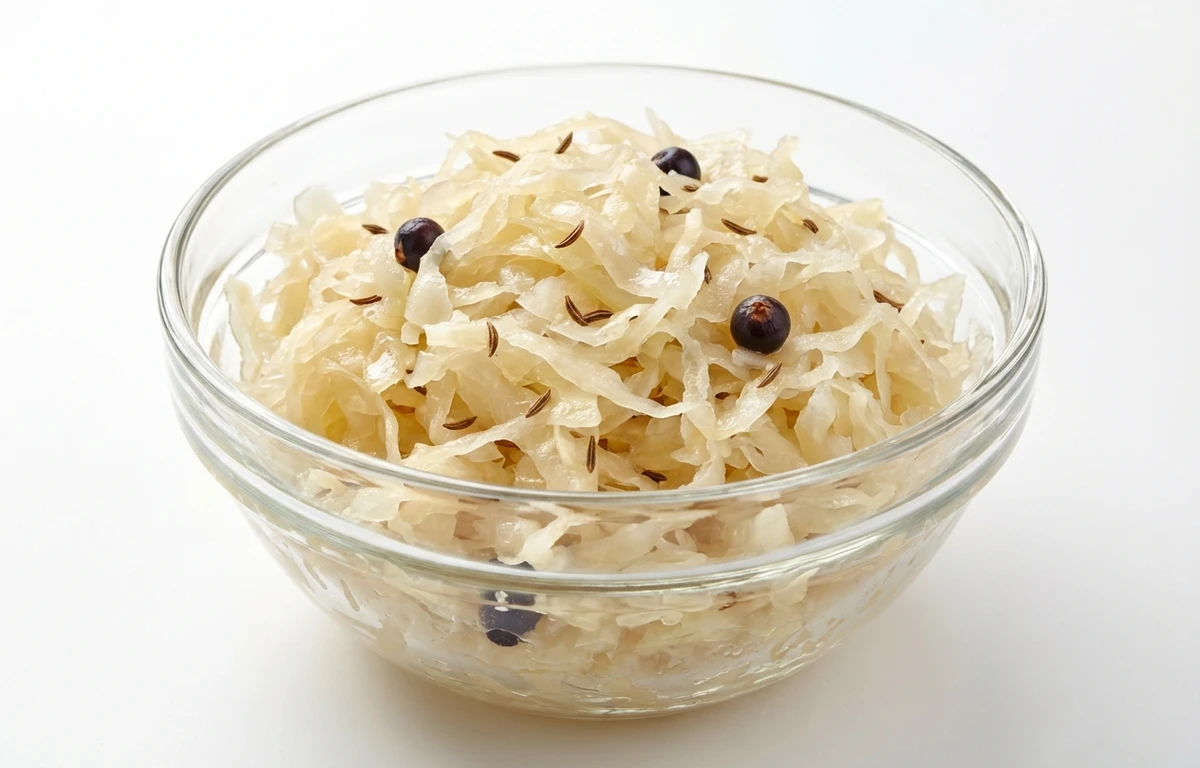
SERVING
CALORIES
19
PROTEIN
0.91g
CARBS
4.3g
FAT
0.14g
FIBER
2.9g
This ingredient is flagged as naturally gluten-free. Per 100 g, it provides 13 µg of vitamin K.
NUTRITION PROFILE · per 100 g
Everything in this ingredient.
MACRONUTRIENTS
Calories19kcal—
Protein0.91g2%
Carbohydrates4.3g2%
Fiber2.9g10%
Sugar1.8g4%
Total fat0.14g0%
Saturated fat0.03g0%
Trans fat0g—
Cholesterol0mg0%
Water92.5g—
MINERALS
Sodium661mg29%
Potassium170mg4%
Calcium30mg2%
Iron1.5mg8%
Magnesium13mg3%
Phosphorus20mg2%
Zinc0.19mg2%
Copper0.10mg11%
Manganese0.15mg7%
Selenium0.60µg1%
VITAMINS
Vitamin A1.0µg0%
Vitamin C14.7mg16%
Vitamin D0µg0%
Vitamin E0.14mg1%
Vitamin K13µg11%
Thiamin (B1)0.02mg2%
Riboflavin (B2)0.02mg2%
Niacin (B3)0.14mg1%
Pantothenic acid (B5)0.09mg2%
Vitamin B60.13mg8%
Folate (B9)24µg6%
Vitamin B120µg0%
%DV based on a 2,000 cal diet. Source: USDA FoodData Central. A dash in the %DV column means there’s no established Daily Value for that nutrient.
MEASUREMENT CONVERSIONS
How much is what.
1 cup142g
1 tablespoon8.9g
1 teaspoon3g
1 oz28g
1 lb448g
1 ml0.6g
1 liter591.7g
1 piece50g
HEALTH BENEFITS
Why eat it.
- ✓Excellent source of probiotics, which support gut health and digestion.
- ✓Contains beneficial enzymes that help break down food, improving nutrient absorption.
COOKING TIPS
In the kitchen.
- 1To preserve its probiotic benefits, add sauerkraut to dishes at the end of cooking or serve it cold.
- 2The brine is flavorful and can be used in salad dressings, marinades, or to add a tangy kick to soups.
- 3For a milder flavor and to reduce sodium, you can rinse the sauerkraut with cold water before using.
- 4Pair with rich or fatty foods like sausages, pork, or cheese, as its acidity cuts through the richness.
STORAGE
Keep it fresh.
- Store unopened jars in a cool, dark place like a pantry for up to a year.
- Once opened, keep refrigerated in an airtight container, ensuring the cabbage is submerged in its brine. It will last for several months.
FAQ
Frequently asked questions.
How many calories and carbs are in sauerkraut?
Sauerkraut is very low in calories, containing only about 19 calories per 100g. It has approximately 4.28g of carbohydrates and less than 1g of protein and fat, making it a light addition to meals.
Is sauerkraut vegan and gluten-free?
Traditional sauerkraut is naturally vegan and gluten-free as it is made simply from fermented cabbage and salt. Always check labels on store-bought versions for any unusual additives or potential cross-contamination.
Is sauerkraut keto-friendly?
Sauerkraut is very keto-friendly because it is low in net carbs, with only about 4g of total carbs per 100g. Its high fiber content and probiotic benefits make it a popular staple for those on a ketogenic or low-carb diet.
Can you cook sauerkraut, or should it be eaten raw?
You can eat it both ways, but eating it raw or slightly warmed is best for health. High heat kills the beneficial live probiotics, so if you want the gut-health benefits, add it to dishes at the end of the cooking process.
What does sauerkraut taste like?
Sauerkraut has a distinctively sour, salty, and tangy flavor profile resulting from the lactic acid fermentation process. It has a crunchy texture that softens slightly the longer it is fermented or if it is cooked.
How should I store sauerkraut and how long does it last?
Sauerkraut should be stored in an airtight container in the refrigerator. Because it is fermented, it has a long shelf life and can typically last for 4 to 6 months if kept submerged in its brine.
How do you know if sauerkraut has gone bad?
Signs of spoilage include a slimy texture, an off-putting or putrid smell, or visible mold growth on the surface. If the brine has completely evaporated or the color has turned significantly dark or brown, it should be discarded.
Does all store-bought sauerkraut contain probiotics?
No, only 'raw' or 'unpasteurized' sauerkraut found in the refrigerated section contains live probiotics. Canned or jarred sauerkraut sold on room-temperature shelves is usually pasteurized, a heat process that kills the beneficial bacteria.
Is sauerkraut high in sodium?
Yes, sauerkraut can be high in sodium because salt is essential for the fermentation process. If you are monitoring your salt intake, look for low-sodium varieties or rinse the sauerkraut before eating, though rinsing may remove some probiotics.
RECIPES
Cook with sauerkraut.
10 recipes · sorted by what’s quick