
Other10 recipes
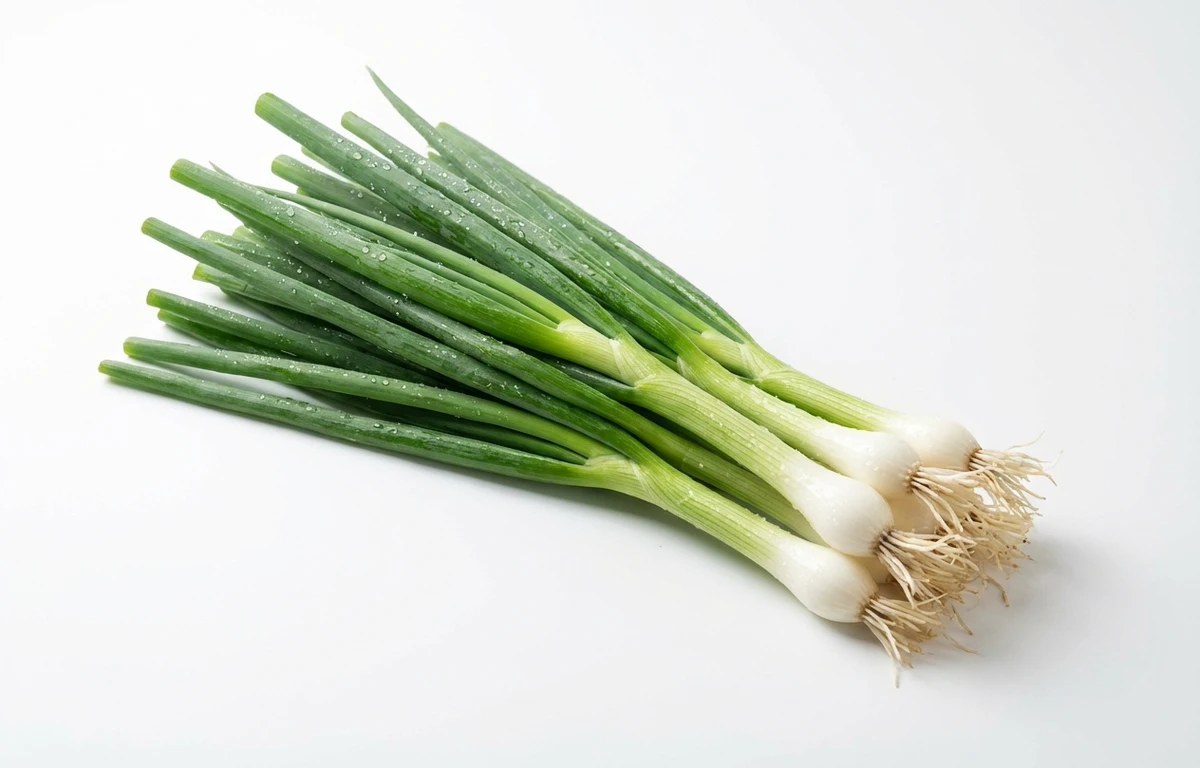
scallion.
VegetarianVeganGluten-freeDairy-freeNut-freePeanut-freeSoy-freeEgg-freeShellfish-freeHoney-freeAlcohol-freeHalalKosher
ALSO KNOWN AS
raw scallionwelsh onionscallionraw welsh oniongreen onionspring onionsalad onionhara pyazcebollitabunching onion
SERVING
CALORIES
32
PROTEIN
1.8g
CARBS
7.3g
FAT
0.19g
FIBER
2.6g
This ingredient is flagged as naturally gluten-free. Per 100 g, it provides 207 µg of vitamin K.
NUTRITION PROFILE · per 100 g
Everything in this ingredient.
MACRONUTRIENTS
Calories32kcal—
Protein1.8g4%
Carbohydrates7.3g3%
Fiber2.6g9%
Sugar2.3g5%
Total fat0.19g0%
Saturated fat0.03g0%
Trans fat0g—
Cholesterol0mg0%
Water89.8g—
MINERALS
Sodium16mg1%
Potassium276mg6%
Calcium72mg6%
Iron1.5mg8%
Magnesium20mg5%
Phosphorus37mg3%
Zinc0.39mg4%
Copper0.08mg9%
Manganese0.16mg7%
Selenium0.60µg1%
VITAMINS
Vitamin A50µg6%
Vitamin C18.8mg21%
Vitamin D0µg0%
Vitamin E0.55mg4%
Vitamin K207µg173%
Thiamin (B1)0.06mg5%
Riboflavin (B2)0.08mg6%
Niacin (B3)0.53mg3%
Pantothenic acid (B5)0.08mg2%
Vitamin B60.06mg4%
Folate (B9)64µg16%
Vitamin B120µg0%
%DV based on a 2,000 cal diet. Source: USDA FoodData Central. A dash in the %DV column means there’s no established Daily Value for that nutrient.
MEASUREMENT CONVERSIONS
How much is what.
1 cup100g
1 tablespoon6g
1 teaspoon2g
1 oz28.4g
1 lb453.6g
1 piece15g
HEALTH BENEFITS
Why eat it.
- ✓Low in calories while providing essential dietary fiber
COOKING TIPS
In the kitchen.
- 1Use the white and light green parts for sautéing as they have a stronger flavor
- 2Save the dark green tops for garnishing dishes just before serving to maintain crunch
- 3Slice on a bias (diagonally) to create more surface area for flavor and better presentation
STORAGE
Keep it fresh.
- Store upright in a jar with an inch of water in the refrigerator
- Wrap in a damp paper towel and place inside a reusable silicone bag
- Can be chopped and frozen in an airtight container for use in cooked dishes
FAQ
Frequently asked questions.
What is the difference between scallions and green onions?
There is no difference; they are the same plant (Allium fistulosum or young Allium cepa) harvested before the bulb fully forms.
How long do scallions last in the fridge?
If stored in water or wrapped in damp paper towels, they typically last 1 to 2 weeks.
Can you eat the entire scallion?
Yes, both the white bulbous end and the long green stalks are edible and offer different flavor intensities.
What is a good substitute for scallions?
Chives are the best substitute for garnishing. For cooking, use shallots or the green parts of leeks.
How do I pick the best scallions at the store?
Look for bright green, crisp tops and firm white bases. Avoid any that are slimy, wilted, or yellowing.
Do scallions need to be cooked?
No, they are frequently eaten raw in salads, salsas, and as garnishes, but they are also delicious when grilled or sautéed.
Are scallions considered a root vegetable?
Yes, because they are part of the Allium family and their base grows underground, they are categorized as root vegetables in many dietary systems like Jainism.
Can I regrow scallions from scraps?
Yes, place the white root ends in a small glass of water in a sunny spot, and they will regrow new green stalks in days.
Are scallions high in sodium?
No, scallions are naturally very low in sodium, containing only about 16mg per 100g.
How should I clean scallions?
Rinse them under cold water, peel away any slimy outer layers from the white part, and shake dry before chopping.
RECIPES
Cook with scallion.
10 recipes · sorted by what’s quick
RELATED GUIDES



















