Other10 recipes
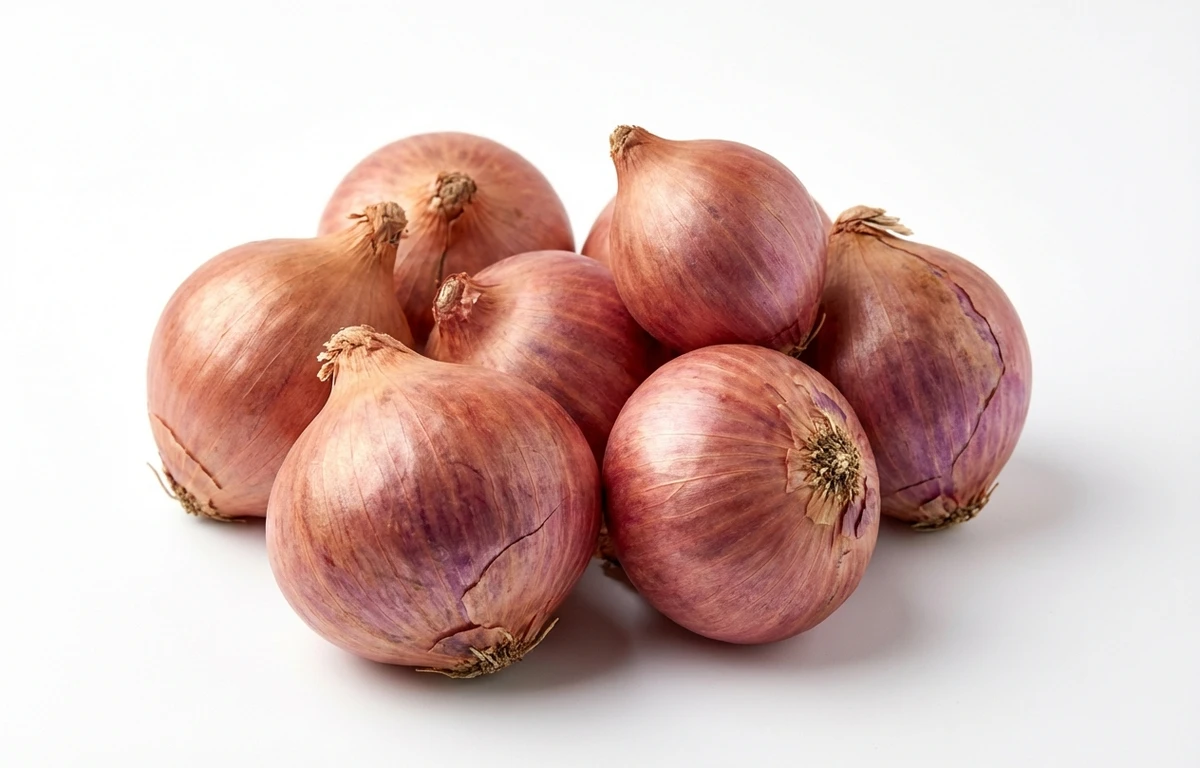
shallots.
VegetarianVeganGluten-freeDairy-freeNut-freePeanut-freeSoy-freeEgg-freeShellfish-freeHoney-freeAlcohol-freeHalalKosher
ALSO KNOWN AS
sambar onionsSmall Onionsshalloteschalotsshallotssambar onionmadras onionchinna vengayamchotta pyazcheriya ulliyerragaddalusmall onioneschalotSmall Shallot
SERVING
CALORIES
72
PROTEIN
2.5g
CARBS
16.8g
FAT
0.10g
FIBER
3.2g
NUTRITION PROFILE · per 100 g
Everything in this ingredient.
MACRONUTRIENTS
Calories72kcal—
Protein2.5g5%
Carbohydrates16.8g6%
Fiber3.2g11%
Sugar7.9g16%
Total fat0.10g0%
Saturated fat0.02g0%
Trans fat0g—
Cholesterol0mg0%
Water79.8g—
MINERALS
Sodium12mg1%
Potassium334mg7%
Calcium37mg3%
Iron1.2mg7%
Magnesium21mg5%
Phosphorus60mg5%
Zinc0.40mg4%
Copper0.09mg10%
Manganese0.29mg13%
Selenium1.2µg2%
VITAMINS
Vitamin A0µg0%
Vitamin C8.0mg9%
Vitamin D0µg0%
Vitamin E0.04mg0%
Vitamin K0.80µg1%
Thiamin (B1)0.06mg5%
Riboflavin (B2)0.02mg2%
Niacin (B3)0.20mg1%
Pantothenic acid (B5)0.29mg6%
Vitamin B60.35mg21%
Folate (B9)34µg9%
Vitamin B120µg0%
%DV based on a 2,000 cal diet. Source: USDA FoodData Central. A dash in the %DV column means there’s no established Daily Value for that nutrient.
MEASUREMENT CONVERSIONS
How much is what.
1 cup150g
1 tablespoon9.4g
1 teaspoon3.1g
1 ml0.6g
1 liter626.7g
1 piece25g
HEALTH BENEFITS
Why eat it.
- ✓Rich in antioxidants like quercetin and kaempferol, which help protect cells from oxidative damage.
- ✓Contain organosulfur compounds that may have anti-inflammatory, anti-viral, and heart-protective properties.
- ✓Good source of vitamin A, vitamin C, and potassium, supporting immune function and blood pressure regulation.
- ✓Provide dietary fiber, which aids in digestion and promotes gut health.
COOKING TIPS
In the kitchen.
- 1For a delicate, sweet flavor base, mince shallots and sauté them gently in butter or oil until soft and translucent before adding other ingredients.
- 2Thinly slice and fry in oil until golden and crispy to create a popular garnish for Asian dishes, salads, and soups.
- 3Roast them whole or halved alongside meats or other vegetables to caramelize their natural sugars and develop a deep, savory-sweet flavor.
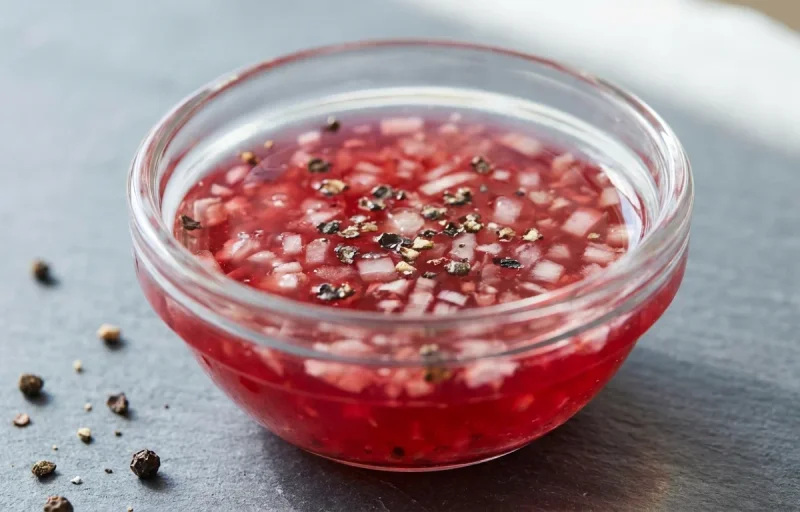
- 4Use raw, finely minced shallots in vinaigrettes and sauces for a milder, less pungent flavor than raw onion.
STORAGE
Keep it fresh.
- Store whole, unpeeled shallots in a cool, dark, and dry place with good air circulation, such as a mesh bag in a pantry. They can last for 1-2 months.
- Once cut or peeled, store shallots in an airtight container in the refrigerator for up to 7 days.
FAQ
Frequently asked questions.
Are shallots healthy?
Yes, shallots are highly nutritious and rich in antioxidants like quercetin and kaempferol, which protect cells from oxidative damage. They also contain organosulfur compounds that provide anti-inflammatory and heart-protective benefits, along with essential vitamins A and C.
How many calories and carbs are in shallots?
A 100g serving of shallots contains approximately 72 calories and 16.8g of carbohydrates. While higher in carbs than some other vegetables, they are typically consumed in small amounts as a flavor enhancer, making them manageable for most diets.
Are shallots keto-friendly?
Shallots can be included in a keto diet if used in moderation. While they contain about 16.8g of carbs per 100g, a typical serving size (one or two tablespoons) adds only a few grams of net carbs to a dish while providing significant flavor.
What do shallots taste like compared to regular onions?
Shallots have a much milder, sweeter, and more delicate flavor than regular onions, often described as having a subtle hint of garlic. They lack the sharp, pungent 'bite' of a raw yellow onion, which makes them ideal for fine sauces and dressings.
Can I substitute shallots with regular onions?
Yes, you can substitute shallots with red onions or the white parts of green onions. Use a 1:1 ratio, but keep in mind that regular onions are more pungent; soaking chopped onions in water for 10 minutes can help mimic the milder flavor of a shallot.
Can you eat shallots raw?
Absolutely. Because of their mild and sweet profile, raw shallots are frequently used in vinaigrettes, salads, and as a garnish. Mincing them finely allows their flavor to blend smoothly without overpowering other ingredients.
How should I store shallots and how long do they last?
Store shallots in a cool, dry, and well-ventilated area, such as a mesh bag in a pantry. When kept out of direct sunlight and away from moisture, they can stay fresh for one to two months.
How can I tell if a shallot has gone bad?
A fresh shallot should be firm and heavy for its size with dry, papery skin. If the shallot feels soft or mushy, has visible mold, or has started to sprout significantly, it is past its prime and should be discarded.
Do I need to peel shallots before cooking?
Yes, the thin, papery outer skin must be removed before use. To make peeling easier, you can cut off the root and stem ends and soak the shallots in warm water for a few minutes to loosen the skin.
Are shallots vegan and gluten-free?
Yes, shallots are a natural, plant-based vegetable and are inherently both vegan and gluten-free. They are an excellent way to add depth of flavor to restricted diets without adding processed additives.
RECIPES
Cook with shallots.
10 recipes · sorted by what’s quick