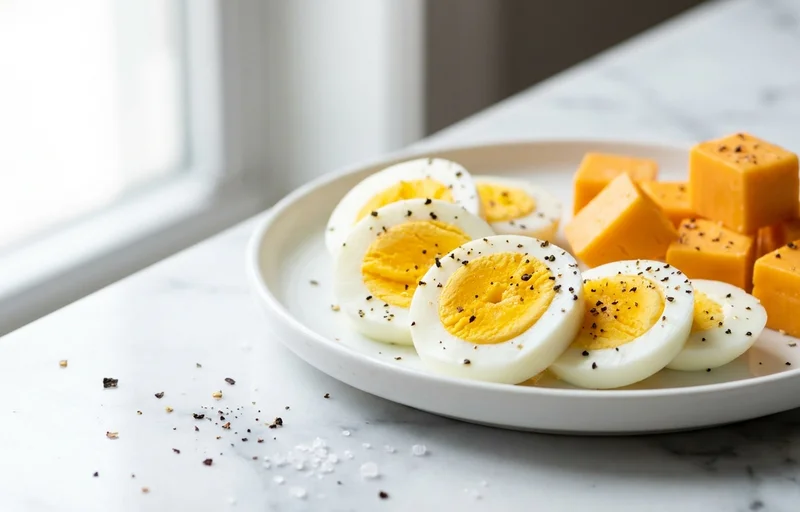
Dairy10 recipes
sharp cheddar cheese.
VegetarianVeganGluten-freeDairy-freeNut-freePeanut-freeSoy-freeEgg-freeShellfish-freeHoney-freeAlcohol-freeFermented
ALSO KNOWN AS
cheddaraged cheddar cheesesharp cheddar cheesecheddar cheesetillamook sharp cheddar cheese
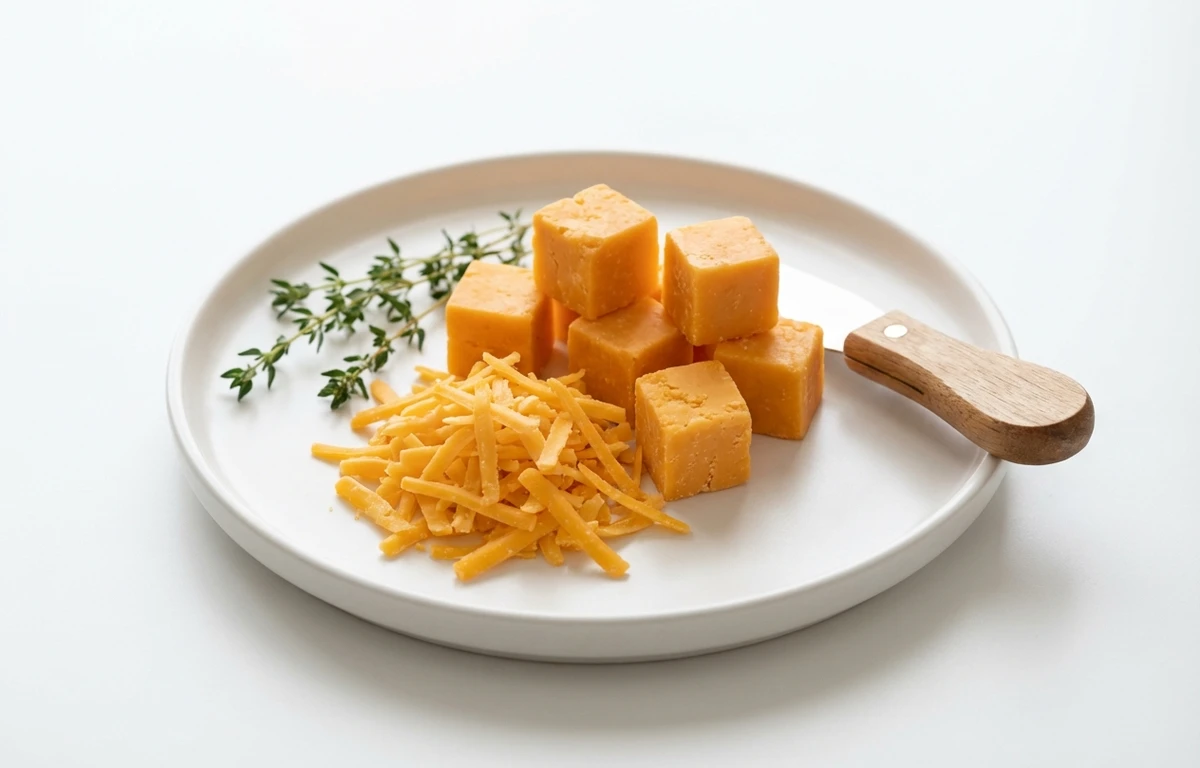
SERVING
CALORIES
403
PROTEIN
24.9g
CARBS
1.3g
FAT
33.1g
FIBER
0g
NUTRITION PROFILE · per 100 g
Everything in this ingredient.
MACRONUTRIENTS
Calories403kcal—
Protein24.9g50%
Carbohydrates1.3g0%
Fiber0g0%
Sugar0.50g1%
Total fat33.1g42%
Saturated fat21.1g106%
Trans fat1.1g—
Cholesterol105mg35%
Water36.7g—
MINERALS
Sodium621mg27%
Potassium98mg2%
Calcium721mg55%
Iron0.70mg4%
Magnesium28mg7%
Phosphorus512mg41%
Zinc3.1mg28%
Copper0.03mg3%
Manganese0.01mg0%
Selenium13.9µg25%
VITAMINS
Vitamin A334µg37%
Vitamin C0mg0%
Vitamin D0.60µg3%
Vitamin E0.30mg2%
Vitamin K2.4µg2%
Thiamin (B1)0.03mg3%
Riboflavin (B2)0.38mg29%
Niacin (B3)0.08mg1%
Pantothenic acid (B5)0.41mg8%
Vitamin B60.07mg4%
Folate (B9)18µg5%
Vitamin B121.1µg46%
%DV based on a 2,000 cal diet. Source: USDA FoodData Central. A dash in the %DV column means there’s no established Daily Value for that nutrient.
MEASUREMENT CONVERSIONS
How much is what.
1 cup113g
1 tablespoon7.1g
1 teaspoon2.4g
1 oz28.4g
1 lb453.6g
1 ml0.5g
1 liter470.8g
HEALTH BENEFITS
Why eat it.
- ✓Excellent source of calcium and phosphorus, which are essential for strong bones and teeth.
- ✓Provides high-quality complete protein, crucial for muscle repair, immune function, and overall body maintenance.
- ✓Contains Vitamin K2, which plays a role in directing calcium to the bones and may support cardiovascular health.
- ✓A good source of conjugated linoleic acid (CLA), a fatty acid linked to potential anti-inflammatory and metabolic benefits.
COOKING TIPS
In the kitchen.
- 1For the best flavor and texture, allow cheddar to come to room temperature for 30-60 minutes before serving.
- 2When melting for sauces, shred the cheese first and add it off the heat, stirring until smooth to prevent the proteins from tightening and releasing oil.
- 3The sharp, tangy flavor pairs exceptionally well with apples, pears, walnuts, and crusty bread.
- 4To prevent clumping in recipes, toss shredded cheddar with a small amount of cornstarch or flour before adding it to hot mixtures.
STORAGE
Keep it fresh.
- Wrap the cheese block in wax or parchment paper, then place it in a loosely sealed plastic bag. This allows it to breathe without drying out.
- Store in the cheese drawer or the warmest part of your refrigerator (around 40°F or 4°C). Properly stored, it can last for over a month.
- If mold appears on a hard cheese like cheddar, you can safely cut off at least one inch around and below the mold spot and continue to use the rest of the cheese.
FAQ
Frequently asked questions.
Is sharp cheddar cheese healthy?
Sharp cheddar cheese is a nutrient-dense food that provides high-quality protein, calcium, and phosphorus, which are essential for bone health and muscle repair. However, because it is high in calories (403 per 100g) and saturated fat, it should be consumed in moderation as part of a balanced diet.
How much protein is in sharp cheddar cheese?
Sharp cheddar is an excellent source of protein, containing approximately 24.9g per 100g. This high protein content makes it a satisfying snack that can help with muscle maintenance and immune function.
Is sharp cheddar cheese lactose-free?
While not 100% lactose-free, sharp cheddar is very low in lactose. The aging process used to create the 'sharp' flavor allows bacteria to break down most of the milk sugars, making it much easier to digest for many people with lactose intolerance compared to fresh cheeses.
Is sharp cheddar cheese keto-friendly?
Yes, sharp cheddar is highly keto-friendly. It contains only 1.3g of carbohydrates per 100g while providing 33.1g of fat, making it an ideal choice for those following a low-carb, high-fat ketogenic lifestyle.
What makes cheddar 'sharp' compared to mild cheddar?
The 'sharpness' of cheddar is determined by how long it has been aged. While mild cheddar is aged for only a few months, sharp cheddar is typically aged for 6 to 12 months or more, resulting in a more pungent flavor, a stronger aroma, and a slightly more crumbly texture.
Can I freeze sharp cheddar cheese?
Yes, you can freeze sharp cheddar for up to 6 months. However, freezing changes the molecular structure, often making the cheese more crumbly and less creamy once thawed; it is best used for melting or cooking rather than eating fresh after it has been frozen.
How do you melt sharp cheddar cheese without it getting oily?
To achieve a smooth melt, grate the cheese yourself rather than using pre-shredded versions, which contain anti-clumping starches. Melt it over low heat and avoid overcooking, as high heat can cause the proteins to tighten and push out the fats, resulting in an oily texture.
How long does sharp cheddar cheese last in the refrigerator?
An unopened block of sharp cheddar can last up to six months in the fridge. Once opened, it should be wrapped tightly in parchment paper or wax paper and stored in a plastic bag; it will typically remain fresh for 3 to 4 weeks.
Is sharp cheddar cheese vegan?
No, sharp cheddar cheese is not vegan as it is a dairy product made from cow's milk. It is, however, considered vegetarian-friendly, provided that the rennet used in the curdling process is plant-based or microbial rather than animal-derived.
What are the specific health benefits of the Vitamin K2 found in sharp cheddar?
The Vitamin K2 in sharp cheddar plays a critical role in bone and heart health by helping to direct calcium into the bones and teeth where it is needed, rather than allowing it to deposit in the arteries where it can cause calcification.
RECIPES
Cook with sharp cheddar cheese.
10 recipes · sorted by what’s quick