Other10 recipes
spaghetti.
VegetarianVeganGluten-freeDairy-freeNut-freePeanut-freeSoy-freeEgg-freeShellfish-freeHoney-freeAlcohol-free
ALSO KNOWN AS
spagetti
SERVING
CALORIES
371
PROTEIN
13.1g
CARBS
74.7g
FAT
1.5g
FIBER
3.2g
Per 100 g, it provides 0.10 µg of vitamin K.
NUTRITION PROFILE · per 100 g
Everything in this ingredient.
MACRONUTRIENTS
Calories371kcal—
Protein13.1g26%
Carbohydrates74.7g27%
Fiber3.2g11%
Sugar2.7g5%
Total fat1.5g2%
Saturated fat0.30g2%
Trans fat0g—
Cholesterol0mg0%
Water10.3g—
MINERALS
Sodium6.0mg0%
Potassium223mg5%
Calcium21mg2%
Iron1.3mg7%
Magnesium53mg13%
Phosphorus189mg15%
Zinc1.4mg13%
Copper0.30mg33%
Manganese0.90mg39%
Selenium63.2µg115%
VITAMINS
Vitamin A0µg0%
Vitamin C0mg0%
Vitamin D0µg0%
Vitamin E0.10mg1%
Vitamin K0.10µg0%
Thiamin (B1)0.50mg42%
Riboflavin (B2)0.20mg15%
Niacin (B3)3.4mg21%
Pantothenic acid (B5)0.40mg8%
Vitamin B60.10mg6%
Folate (B9)18µg5%
Vitamin B120µg0%
%DV based on a 2,000 cal diet. Source: USDA FoodData Central. A dash in the %DV column means there’s no established Daily Value for that nutrient.
MEASUREMENT CONVERSIONS
How much is what.
1 cup100g
1 oz28.4g
1 lb453.6g
HEALTH BENEFITS
Why eat it.
- ✓Provides complex carbohydrates, which are a primary source of sustained energy for the body.
- ✓Enriched spaghetti is a good source of essential nutrients like iron, thiamin, niacin, and folate.
- ✓Naturally low in fat and sodium, making it a suitable component of a heart-healthy diet.
COOKING TIPS
In the kitchen.
- 1Use a large pot with at least 4-6 quarts of generously salted boiling water per pound of pasta to ensure even cooking and prevent sticking.
- 2Cook to 'al dente' (firm to the bite) by following package directions and testing a strand a minute or two before the recommended time is up.
- 3Stir the spaghetti during the first 1-2 minutes of cooking to prevent the strands from clumping together.
- 4Before draining, reserve about a cup of the starchy pasta water to help emulsify and thicken your sauce, creating a better coating for the pasta.
STORAGE
Keep it fresh.
- Store dry, uncooked spaghetti in a cool, dark, and dry place, such as a pantry, in its original packaging or an airtight container for up to 2 years.
- Keep cooked spaghetti in an airtight container in the refrigerator for 3-5 days. A light coating of oil can prevent it from clumping.
FAQ
Frequently asked questions.
Is spaghetti healthy?
Yes, spaghetti is a healthy source of complex carbohydrates, which provide the body with sustained energy. It is naturally low in fat and sodium, and enriched varieties are excellent sources of iron and B vitamins like folate and niacin.
How many calories and carbs are in spaghetti?
Per 100g of dry spaghetti, there are approximately 371 calories and 74.7g of carbohydrates. It also provides a significant protein boost with about 13.1g per serving, while remaining very low in fat at 1.5g.
Is spaghetti vegan?
Most dry spaghetti is vegan as it is typically made from only durum wheat semolina and water. However, fresh spaghetti often contains eggs, so it is important to check the label or recipe if you follow a vegan diet.
Is spaghetti keto-friendly?
No, traditional spaghetti is not keto-friendly because it is very high in carbohydrates. Those on a ketogenic diet usually replace wheat pasta with low-carb alternatives like zucchini noodles (zoodles) or spaghetti squash.
How do you cook spaghetti to 'al dente'?
To achieve an 'al dente' texture, boil the pasta in plenty of salted water and start testing it 1-2 minutes before the package instructions suggest. It should be tender but still have a firm, slightly chewy center.
Can you freeze cooked spaghetti?
Yes, you can freeze cooked spaghetti for up to 2 months. For the best texture, undercook the pasta slightly before freezing and store it in a freezer-safe bag with the air squeezed out.
How do you know if dry spaghetti has gone bad?
Dry spaghetti has a long shelf life of 1-2 years, but it should be discarded if you notice any discoloration, a rancid smell, or signs of pantry pests. If the pasta appears dull or has lost its typical ivory/yellow hue, it may be stale.
RECIPES
Cook with spaghetti.
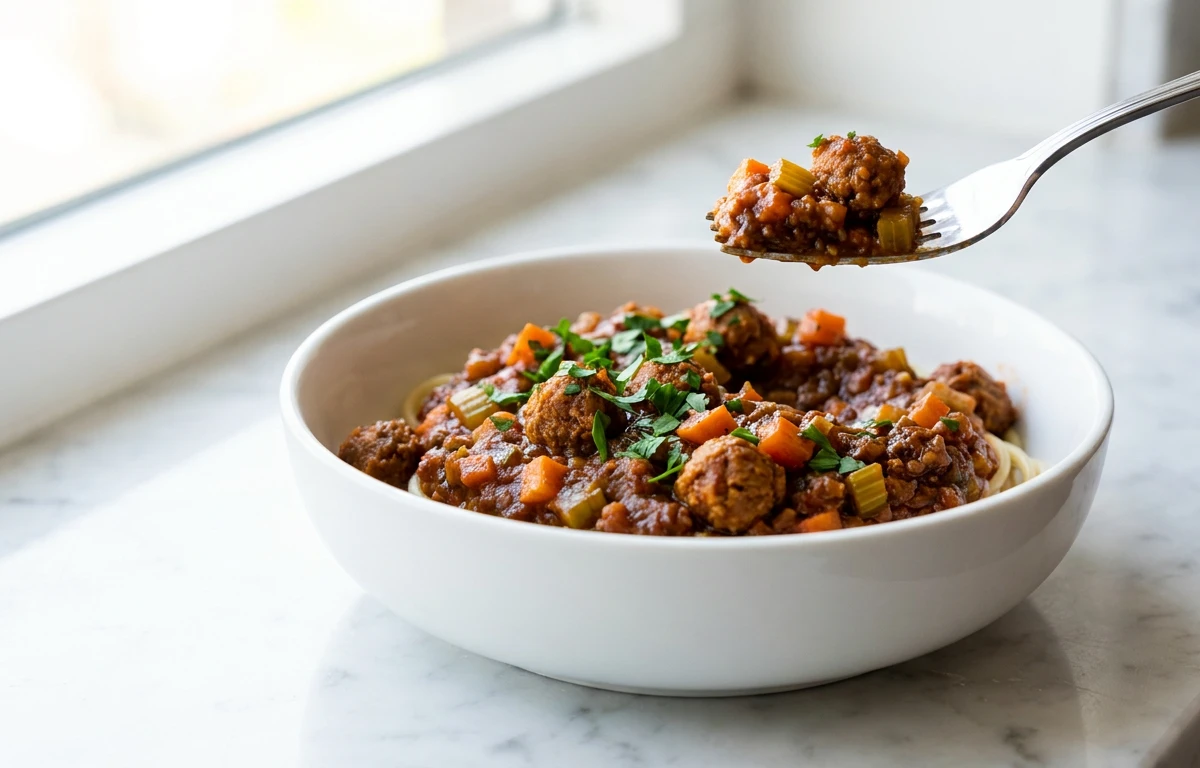
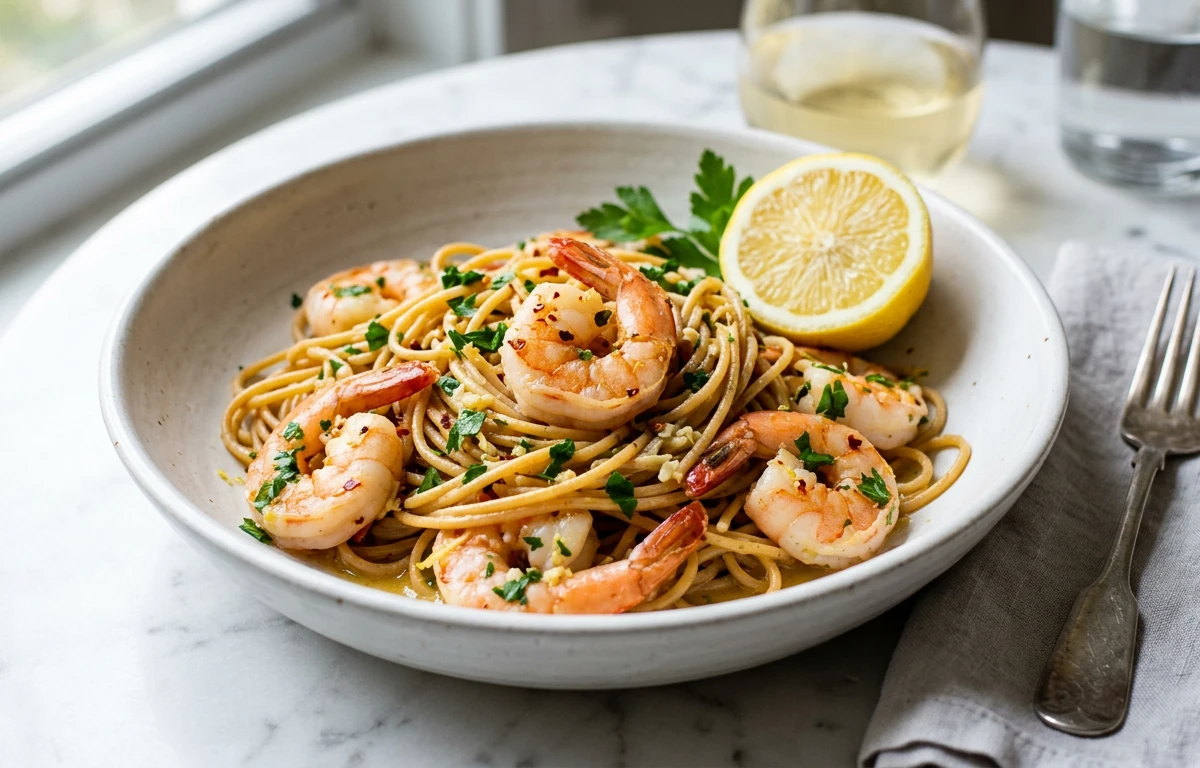
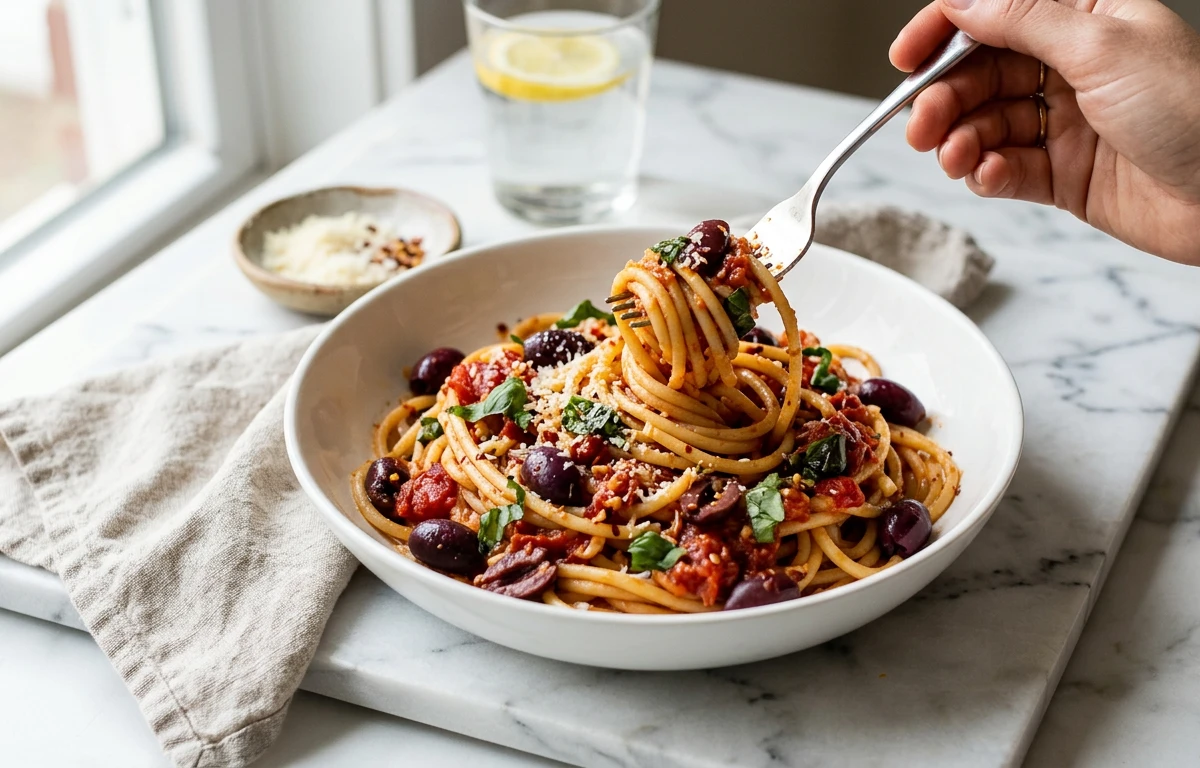
10 recipes · sorted by what’s quick