Other7 recipes
spam.
VegetarianVeganGluten-freeDairy-freeNut-freePeanut-freeSoy-freeEgg-freeShellfish-freeHoney-freeAlcohol-freeHalalKosher
ALSO KNOWN AS
luncheon meatspammcanned cooked pork
SERVING
CALORIES
314
PROTEIN
13.3g
CARBS
2.6g
FAT
27.7g
FIBER
0g
This ingredient is flagged as naturally gluten-free. Per 100 g, it provides 1.0 µg of vitamin K.
NUTRITION PROFILE · per 100 g
Everything in this ingredient.
MACRONUTRIENTS
Calories314kcal—
Protein13.3g27%
Carbohydrates2.6g1%
Fiber0g0%
Sugar0g0%
Total fat27.7g36%
Saturated fat10.4g52%
Cholesterol78mg26%
Water52.8g—
MINERALS
Sodium1260mg55%
Potassium230mg5%
Calcium10mg1%
Iron1.0mg6%
Magnesium7.8mg2%
Phosphorus84.6mg7%
Zinc0.89mg8%
Copper0.03mg3%
Selenium12.8µg23%
VITAMINS
Vitamin A0µg0%
Vitamin C0mg0%
Vitamin D0.30µg2%
Vitamin E0.24mg2%
Vitamin K1.0µg1%
Thiamin (B1)0.18mg15%
Riboflavin (B2)0.10mg8%
Niacin (B3)2.0mg12%
Vitamin B60.12mg7%
Folate (B9)1.7µg0%
Vitamin B120.25µg10%
%DV based on a 2,000 cal diet. Source: USDA FoodData Central. A dash in the %DV column means there’s no established Daily Value for that nutrient.
MEASUREMENT CONVERSIONS
How much is what.
1 oz28.4g
1 lb453.6g
1 piece340g
HEALTH BENEFITS
Why eat it.
- ✓Good source of protein, which is essential for muscle repair and growth.
- ✓Provides essential minerals such as zinc, selenium, and iron.
- ✓A convenient, long-shelf-life source of calories and protein, useful for emergency preparedness or when fresh food is unavailable.
COOKING TIPS
In the kitchen.
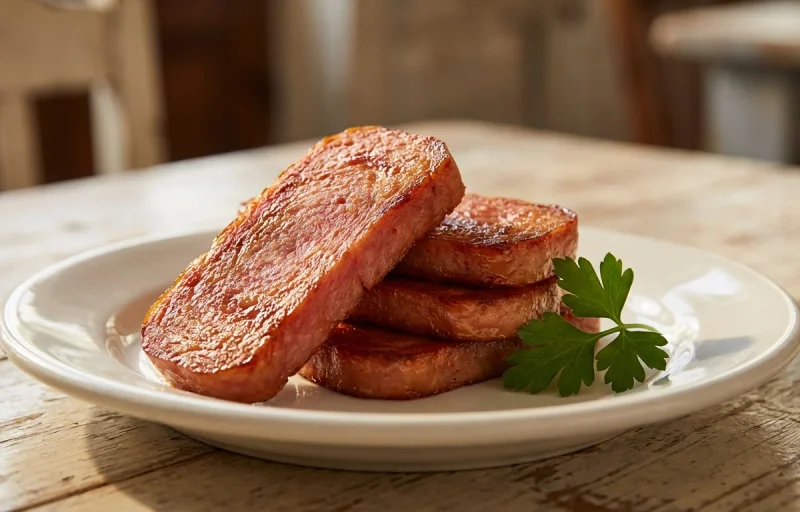
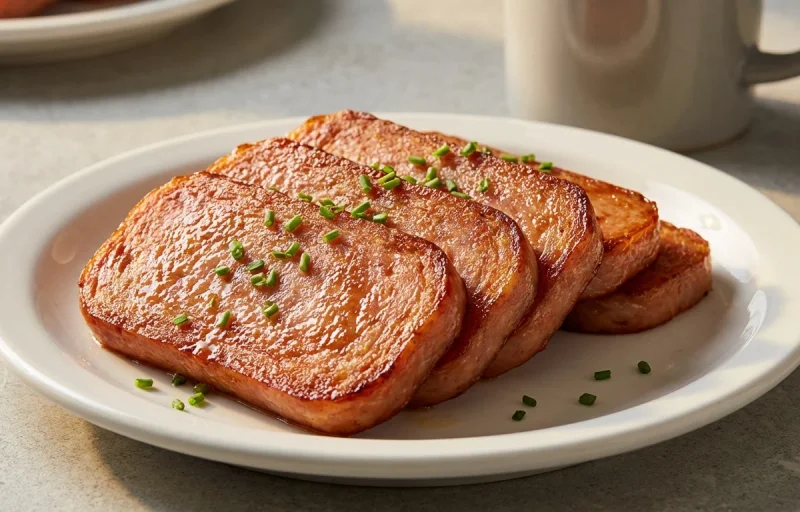
- 1Slice thinly and pan-fry until both sides are crispy and golden brown to enhance its flavor and texture.
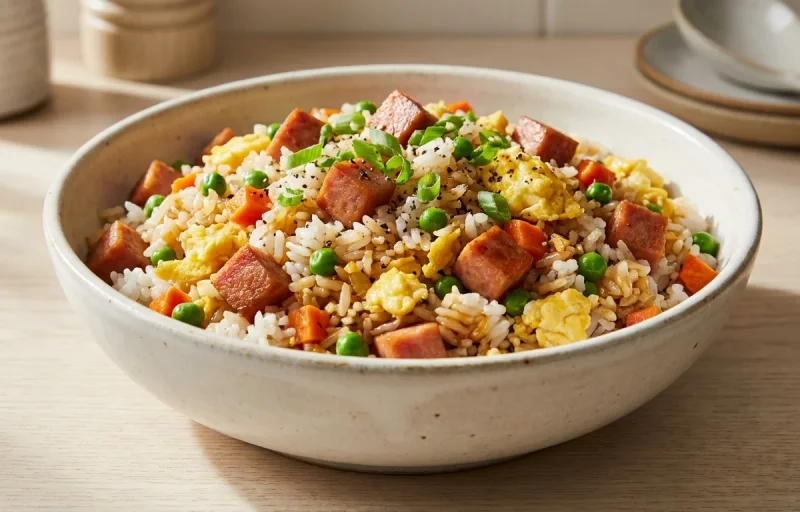
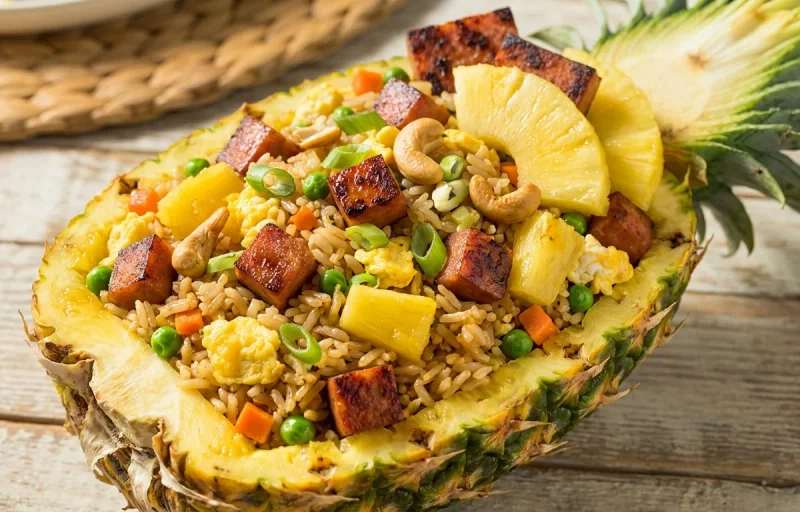
- 2Dice into small cubes and add to fried rice, scrambled eggs, or noodle dishes for a savory, salty element.
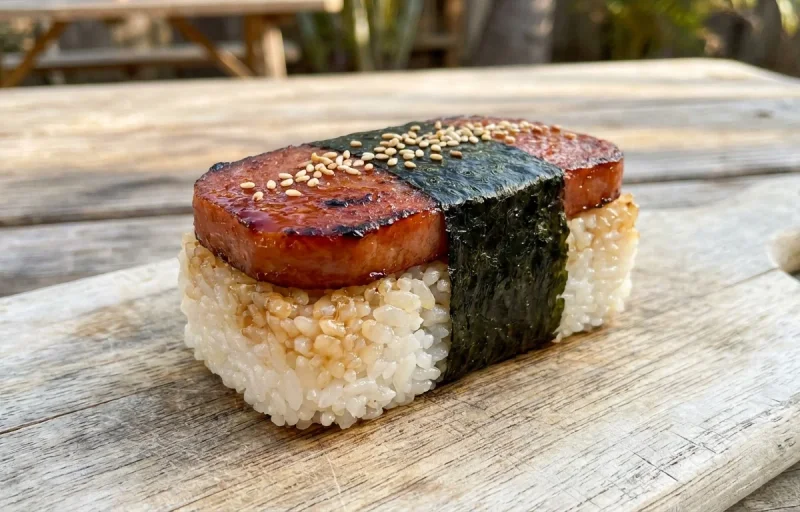
- 3For a popular dish like Spam Musubi, grill or pan-fry a slice and place it on a block of rice, wrapped with nori (seaweed).
- 4Can be eaten cold straight from the can, but cooking is highly recommended to improve taste and texture.
STORAGE
Keep it fresh.
- Store unopened cans in a cool, dry place like a pantry, where they can last for several years.
- After opening, transfer any unused portion to an airtight container and refrigerate for up to 5 days.
FAQ
Frequently asked questions.
Is Spam healthy?
Spam provides protein and essential minerals like zinc and iron, but it is high in sodium, saturated fat, and calories. While it is a convenient source of nutrients, it is best consumed in moderation as part of a balanced diet.
How much protein is in Spam?
100g of Spam contains approximately 13.3g of protein. This makes it a significant source of protein for muscle repair and growth, though it is accompanied by a high fat content of 27.7g per 100g.
Is Spam keto-friendly?
Yes, Spam is considered keto-friendly because it is high in fat and very low in carbohydrates, containing only 2.6g of carbs per 100g. However, check the labels of flavored varieties for any added sugars.
Is Spam halal or kosher?
No, standard Spam is made primarily from pork shoulder and ham, which are not permissible in halal or kosher diets. There are currently no certified halal or kosher versions of the original pork-based product.
How do you cook Spam?
Spam is precooked and can be eaten cold, but it is most commonly pan-fried until the edges are crispy and caramelized. It is also excellent when grilled, baked, or diced into fried rice, ramen, and breakfast scrambles.
What does Spam taste like?
Spam has a salty, savory, and smoky flavor profile similar to ham or thick-cut bologna. It has a soft, uniform texture that becomes pleasantly crunchy on the outside when fried or seared.
How long does Spam last?
Unopened cans of Spam are shelf-stable and can last for 2 to 5 years if stored in a cool, dry place. Once the can is opened, the meat should be transferred to an airtight container, refrigerated, and consumed within 3 to 5 days.
Can you eat Spam raw?
Yes, Spam is fully cooked during the canning process, making it safe to eat directly out of the tin. However, heating or frying it is highly recommended to improve the texture and enhance the flavor.
RECIPES
Cook with spam.
7 recipes · sorted by what’s quick