Other7 recipes
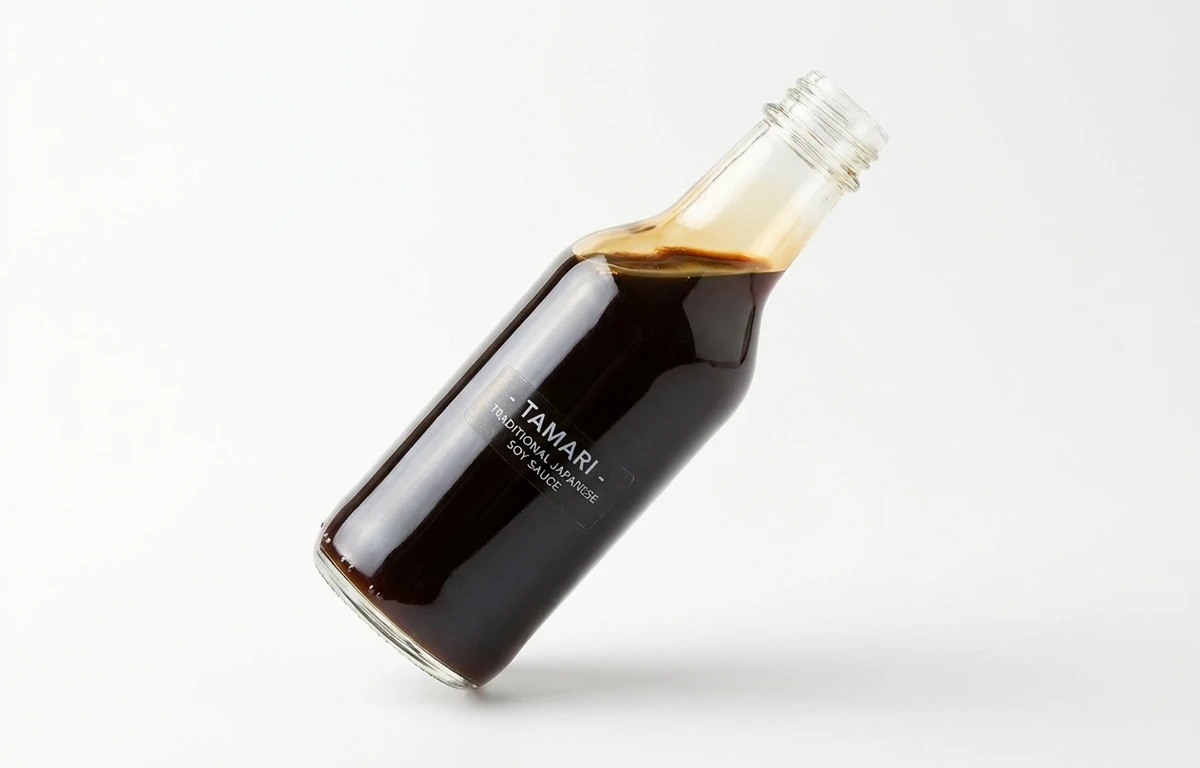
tamari.
VegetarianVeganGluten-freeDairy-freeNut-freePeanut-freeSoy-freeEgg-freeShellfish-freeHoney-freeAlcohol-freeFermented
ALSO KNOWN AS
tamari soy saucegluten-free soy sauce
SERVING
CALORIES
60
PROTEIN
10.3g
CARBS
5.4g
FAT
0.10g
FIBER
0g
NUTRITION PROFILE · per 100 g
Everything in this ingredient.
MACRONUTRIENTS
Calories60kcal—
Protein10.3g21%
Carbohydrates5.4g2%
Fiber0g0%
Sugar1.5g3%
Total fat0.10g0%
Saturated fat0g0%
Trans fat0g—
Cholesterol0mg0%
Water68g—
MINERALS
Sodium5580mg243%
Potassium210mg4%
Calcium20mg2%
Iron1.4mg8%
Magnesium40mg10%
Phosphorus140mg11%
Zinc0.40mg4%
Copper0.10mg11%
Manganese0.50mg22%
Selenium0.80µg1%
VITAMINS
Vitamin A0µg0%
Vitamin C0mg0%
Vitamin D0µg0%
Vitamin E0mg0%
Vitamin K0µg0%
Thiamin (B1)0.01mg1%
Riboflavin (B2)0.15mg12%
Niacin (B3)0.40mg3%
Pantothenic acid (B5)0.10mg2%
Vitamin B60.20mg12%
Folate (B9)0µg0%
Vitamin B120µg0%
%DV based on a 2,000 cal diet. Source: USDA FoodData Central. A dash in the %DV column means there’s no established Daily Value for that nutrient.
MEASUREMENT CONVERSIONS
How much is what.
1 cup280g
1 tablespoon18g
1 teaspoon6g
1 oz28.4g
1 lb453.6g
1 ml1.2g
1 liter1150g
HEALTH BENEFITS
Why eat it.
- ✓Gluten-free alternative to traditional soy sauce
- ✓Rich in manganese which supports bone health
- ✓Contains more protein than standard soy sauce
- ✓Fermentation process provides beneficial organic acids
- ✓Source of antioxidants from fermented soybeans
COOKING TIPS
In the kitchen.
- 1Use as a 1:1 replacement for soy sauce in gluten-free recipes
- 2Add at the end of cooking to preserve its delicate, rich flavor
- 3Excellent for marinades as it is more heat-stable than shoyu
STORAGE
Keep it fresh.
- Store in a cool, dark place away from direct sunlight
- Refrigerate after opening to maintain flavor and freshness
- Keep the cap tightly sealed to prevent oxidation
FAQ
Frequently asked questions.
What is the difference between tamari and soy sauce?
Tamari is a Japanese form of soy sauce made with little to no wheat, whereas traditional soy sauce (shoyu) contains about 40-60% wheat.
Is all tamari gluten-free?
Most tamari is gluten-free, but you should always check the label as some brands may include trace amounts of wheat.
How long does tamari last after opening?
When refrigerated, tamari can last for up to 1-2 years, though its flavor is best within the first 6 months.
Can I use tamari if I have a soy allergy?
No, tamari is made from fermented soybeans and is not safe for those with soy allergies.
Does tamari need to be refrigerated?
While its high salt content makes it shelf-stable, refrigeration is highly recommended to prevent the flavor from changing over time.
What is a good substitute for tamari?
Liquid aminos or coconut aminos are the best gluten-free and soy-free alternatives.
Is tamari high in sodium?
Yes, tamari is very high in sodium. Look for 'reduced sodium' versions if you are monitoring your salt intake.
How do I pick a high-quality tamari?
Look for 'traditionally brewed' or 'organic' tamari that lists only water, soybeans, salt, and koji as ingredients.
.webp)