Other10 recipes
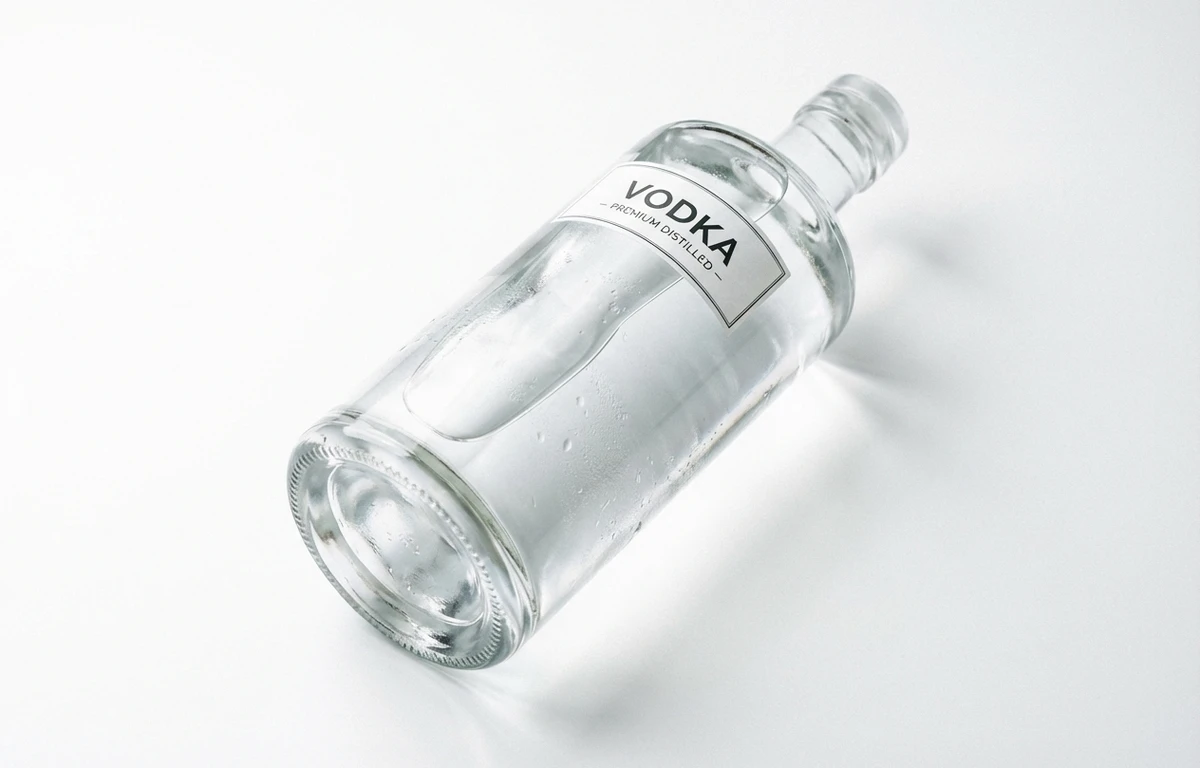
vodka.
VegetarianVeganGluten-freeDairy-freeNut-freePeanut-freeSoy-freeEgg-freeShellfish-freeHoney-freeAlcohol-freeHalalFermented
ALSO KNOWN AS
smirnoff vodkavodkasmirnoff no. 21 vodka
SERVING
CALORIES
231
PROTEIN
0g
CARBS
0g
FAT
0g
FIBER
0g
This ingredient is flagged as naturally gluten-free. Per 100 g, it provides 0 µg of vitamin K.
NUTRITION PROFILE · per 100 g
Everything in this ingredient.
MACRONUTRIENTS
Calories231kcal—
Protein0g0%
Carbohydrates0g0%
Fiber0g0%
Sugar0g0%
Total fat0g0%
Saturated fat0g0%
Trans fat0g—
Cholesterol0mg0%
Water66.6g—
MINERALS
Sodium1.0mg0%
Potassium1.0mg0%
Calcium0mg0%
Iron0.01mg0%
Magnesium0mg0%
Phosphorus0mg0%
Zinc0mg0%
Copper0mg0%
Manganese0mg0%
Selenium0µg0%
VITAMINS
Vitamin A0µg0%
Vitamin C0mg0%
Vitamin D0µg0%
Vitamin E0mg0%
Vitamin K0µg0%
Thiamin (B1)0mg0%
Riboflavin (B2)0mg0%
Niacin (B3)0mg0%
Pantothenic acid (B5)0mg0%
Vitamin B60mg0%
Folate (B9)0µg0%
Vitamin B120µg0%
%DV based on a 2,000 cal diet. Source: USDA FoodData Central. A dash in the %DV column means there’s no established Daily Value for that nutrient.
MEASUREMENT CONVERSIONS
How much is what.
1 cup228g
1 tablespoon14.3g
1 teaspoon4.8g
1 oz29.6g
1 lb473.1g
1 ml1g
1 liter950g
HEALTH BENEFITS
Why eat it.
- ✓In moderation, may help reduce stress and promote relaxation.
- ✓Can act as a natural disinfectant and antiseptic for cleaning wounds or surfaces.
- ✓Used as a solvent in herbal tinctures to extract beneficial plant compounds.
- ✓Some studies suggest moderate consumption may be linked to improved cardiovascular health, though this is highly debated.
COOKING TIPS
In the kitchen.
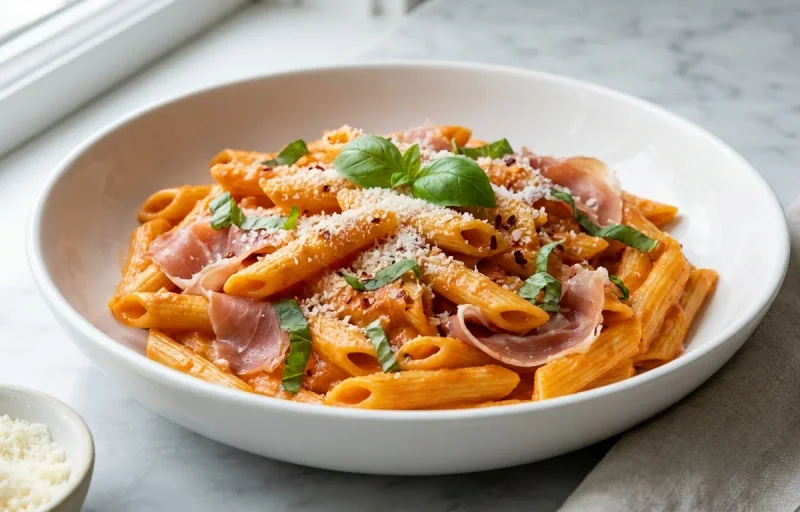
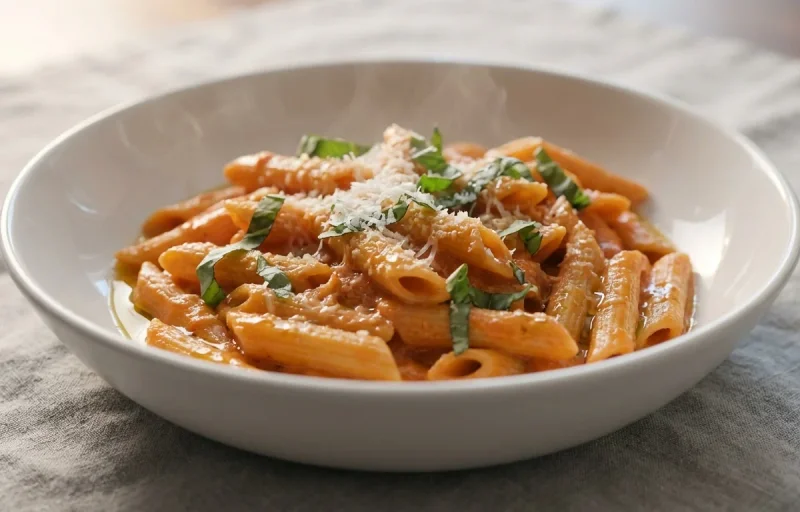
- 1Use in pasta sauces, like penne alla vodka, to release alcohol-soluble flavor compounds from tomatoes and create a creamy, emulsified texture.
- 2Add a splash to pie crust or batter for fried foods; the alcohol inhibits gluten development, resulting in a flakier, crispier texture.
- 3In marinades, vodka can help carry flavors deeper into proteins.
- 4Use to deglaze a pan after searing meats to create a flavorful pan sauce.
STORAGE
Keep it fresh.
- Store upright in a cool, dark place away from direct sunlight and heat sources to prevent evaporation and flavor degradation.
- For serving chilled, vodka can be stored in the freezer indefinitely; its high alcohol content prevents it from freezing solid.
FAQ
Frequently asked questions.
Is vodka healthy?
In moderation, vodka may help reduce stress and promote relaxation. However, it provides 'empty calories' with no significant vitamins or minerals, and excessive consumption carries serious health risks. Some studies suggest potential cardiovascular benefits, though this remains a subject of medical debate.
How many calories are in vodka?
Vodka contains approximately 231 calories per 100g, which is about 64 calories per standard 1-ounce shot. It contains zero grams of protein, carbohydrates, and fat, meaning all its calories come from the alcohol content.
Does vodka expire?
Vodka has an indefinite shelf life and does not expire if left unopened. Once opened, it may very slowly lose its flavor profile and potency over several years due to evaporation and oxidation, but it remains safe to consume.
Should I store vodka in the freezer?
Storing vodka in the freezer is a common practice to ensure it is served ice-cold. Because of its high alcohol content, standard 80-proof vodka will not freeze solid in a residential freezer, though it will become thicker and more viscous.
Can vodka be used as a disinfectant?
Vodka can act as a natural disinfectant and antiseptic for cleaning surfaces or minor wounds. However, to be truly effective at killing most germs and bacteria, the alcohol concentration needs to be at least 60% (120 proof), whereas most standard vodkas are only 40% (80 proof).
Is vodka vegan?
Plain vodka is almost always vegan as it is made from fermented grains or potatoes and does not use animal-derived processing agents. Some flavored vodkas may contain non-vegan ingredients like honey or milk derivatives, so it is best to check the specific brand's label.
What does vodka taste like?
High-quality vodka is intended to be neutral, clear, and odorless. While it has a distinct 'bite' or heat from the ethanol, premium versions are often described as having a smooth, clean finish with very subtle hints of the base grain or potato used in production.
RECIPES
Cook with vodka.
10 recipes · sorted by what’s quick