Other10 recipes
yam.
VegetarianVeganGluten-freeDairy-freeNut-freePeanut-freeSoy-freeEgg-freeShellfish-freeHoney-freeAlcohol-freeHalalKosher
SERVING
CALORIES
118
PROTEIN
1.5g
CARBS
27.9g
FAT
0.17g
FIBER
4.1g
This ingredient is flagged as naturally gluten-free. Per 100 g, it provides 1.0 µg of vitamin K.
NUTRITION PROFILE · per 100 g
Everything in this ingredient.
MACRONUTRIENTS
Calories118kcal—
Protein1.5g3%
Carbohydrates27.9g10%
Fiber4.1g15%
Sugar0.50g1%
Total fat0.17g0%
Saturated fat0.04g0%
Trans fat0g—
Cholesterol0mg0%
Water69.6g—
MINERALS
Sodium9.0mg0%
Potassium816mg17%
Calcium17mg1%
Iron0.54mg3%
Magnesium31.5mg8%
Phosphorus82.5mg7%
Zinc0.36mg3%
Copper0.27mg30%
Manganese0.60mg26%
Selenium1.1µg2%
VITAMINS
Vitamin A13µg1%
Vitamin C17.1mg19%
Vitamin D0µg0%
Vitamin E0.53mg4%
Vitamin K1.0µg1%
Thiamin (B1)0.17mg14%
Riboflavin (B2)0.05mg4%
Niacin (B3)0.83mg5%
Pantothenic acid (B5)0.47mg9%
Vitamin B60.44mg26%
Folate (B9)34.5µg9%
Vitamin B120µg0%
%DV based on a 2,000 cal diet. Source: USDA FoodData Central. A dash in the %DV column means there’s no established Daily Value for that nutrient.
MEASUREMENT CONVERSIONS
How much is what.
1 cup136g
1 tablespoon8.5g
1 teaspoon2.8g
1 ml0.6g
1 liter566.7g
1 piece136g
HEALTH BENEFITS
Why eat it.
- ✓Rich in dietary fiber and complex carbohydrates, which support digestive health and provide sustained energy.
- ✓Excellent source of potassium, a mineral crucial for regulating blood pressure and heart function.
COOKING TIPS
In the kitchen.
- 1Always cook yams thoroughly before consumption, as they contain natural compounds that can be toxic when raw.
- 2Yams can be boiled, roasted, fried, or mashed. Their starchy, often dry texture holds up well in stews and soups.
- 3The skin of some yam varieties can cause irritation. It's advisable to wear gloves when peeling them.
- 4To prevent discoloration after peeling, place cut pieces in a bowl of cold water with a little lemon juice or vinegar.
STORAGE
Keep it fresh.
- Store whole, unwashed yams in a cool, dark, and well-ventilated place (around 55-60°F or 13-16°C), not the refrigerator. They can last for several weeks to months.
- Once cut or peeled, wrap tightly or place in an airtight container and refrigerate for up to 5 days.
FAQ
Frequently asked questions.
What is the difference between a yam and a sweet potato?
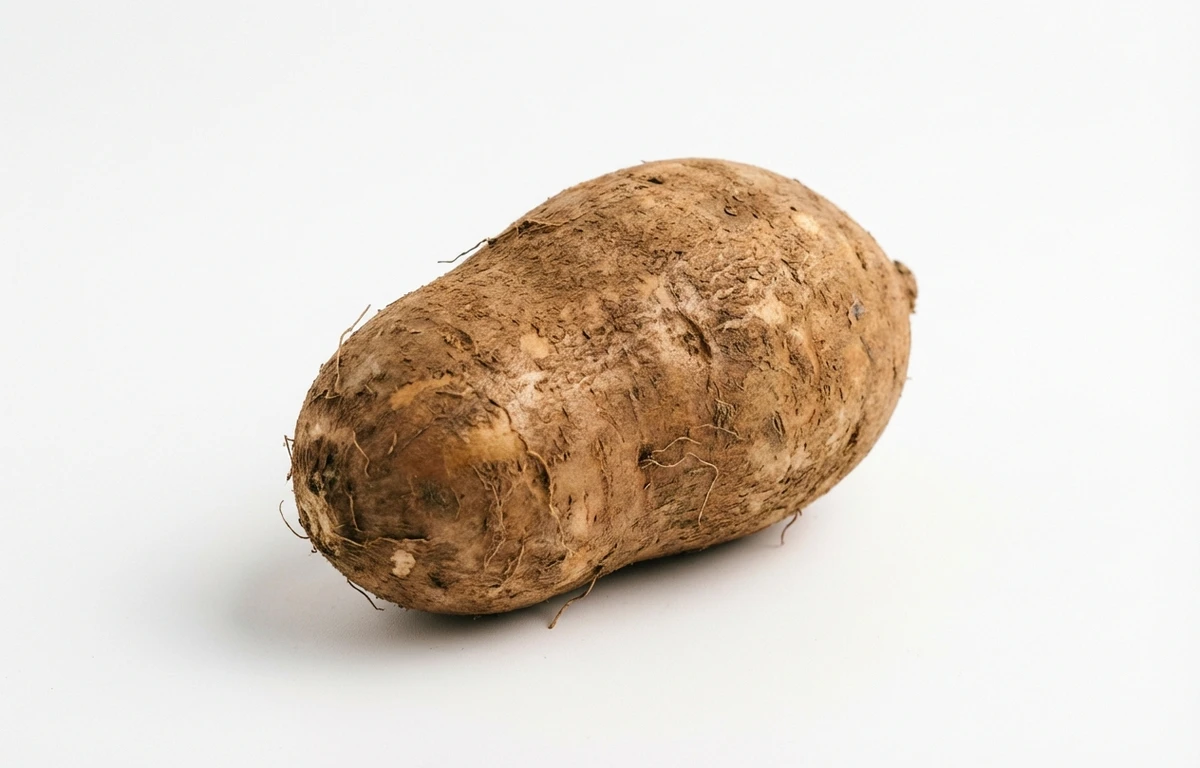
True yams are starchy tubers with bark-like skin and white, purple, or reddish flesh, whereas sweet potatoes have smoother skin and a sweeter taste. In many U.S. grocery stores, soft sweet potatoes are often mislabeled as 'yams,' but they are botanically distinct species.
Are yams keto-friendly?
No, yams are not considered keto-friendly because they are high in carbohydrates. With approximately 28g of carbs per 100g, a single serving can easily exceed the daily carb limit for a ketogenic diet. They are better suited for moderate to high-carb dietary patterns.
Can you eat yams raw?
No, yams should not be eaten raw. They contain naturally occurring plant compounds that can be toxic and difficult to digest if consumed uncooked. Boiling, roasting, or frying yams thoroughly neutralizes these compounds and makes them safe to eat.
How do you cook yams?
Yams can be boiled, roasted, mashed, or fried. Because they are starchier and drier than sweet potatoes, they hold their shape well in stews and soups. Always peel the thick, bark-like skin before cooking, as it is generally too tough to consume.
How should you store yams?
Store yams in a cool, dry, and dark place with plenty of ventilation, such as a pantry or cellar. Avoid refrigerating raw yams, as the cold can change their chemical structure and ruin their flavor. When stored properly, they can last for several weeks.
How can you tell if a yam has gone bad?
A spoiled yam will feel soft, mushy, or have shriveled skin. Look for signs of mold, dark spots, or an unpleasant sour smell. If the flesh inside has turned significantly brown or black, the yam should be discarded.
RECIPES
Cook with yam.
10 recipes · sorted by what’s quick