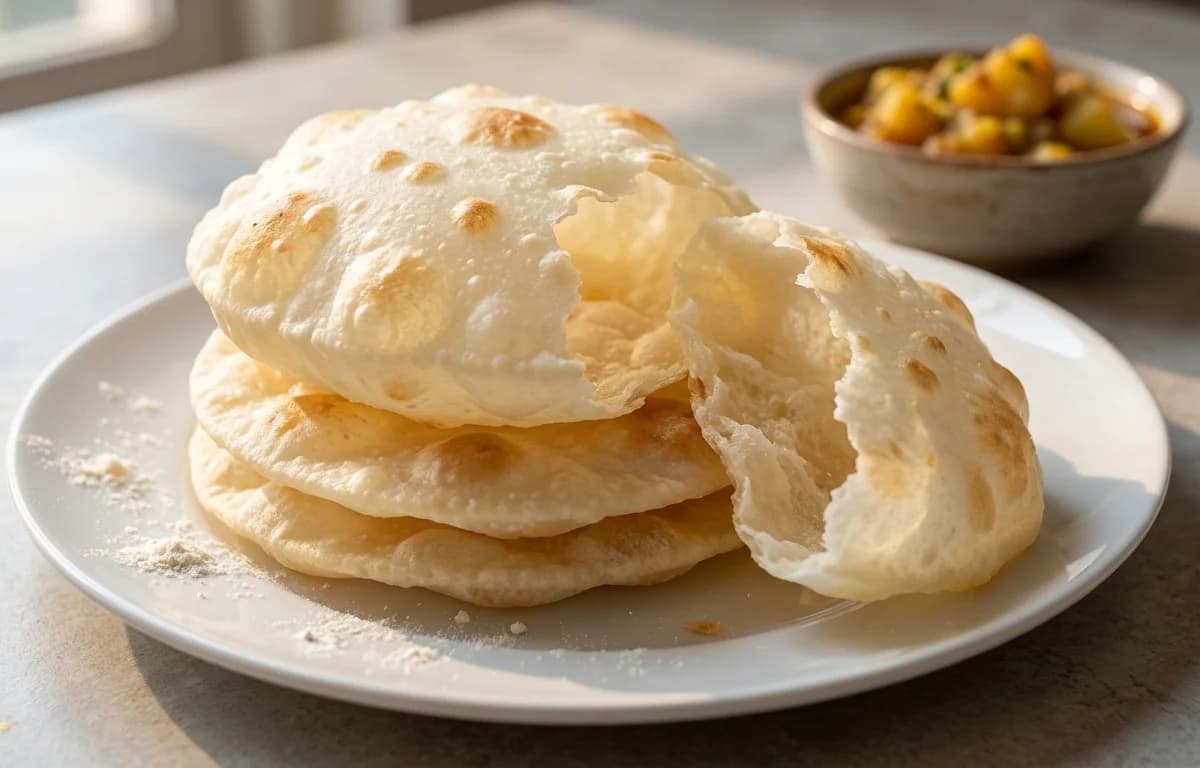
Experience the magic of Bengali celebrations with Luchi, a soft, puffy, deep-fried bread. Made from refined flour (maida), these ethereal white pillows are incredibly light and airy. A quintessential part of any festive meal or Sunday breakfast, they are traditionally paired with classics like Aloo Dum or Cholar Dal.
Prep45 min
Cook15 min
Servings4
Serving size: 1 serving
405cal
6gprotein
49gcarbs
20g
Ingredients
2 cup Maida (also known as all-purpose flour)
2 tbsp Ghee (melted, for the dough (moyan))
0.75 tsp Salt
1 tsp Sugar (helps with a soft texture)
0.5 cup Warm Water (adjust as needed)
2 cup Vegetable Oil (for deep frying)
Instructions
1
Prepare the Dough (10-12 minutes)
In a large mixing bowl, combine the maida, salt, and sugar. Whisk them together to ensure even distribution.
Pour the melted ghee over the flour. Using your fingertips, rub the ghee into the flour until the mixture resembles coarse breadcrumbs. This step, called 'moyan', is crucial for soft, flaky luchis.
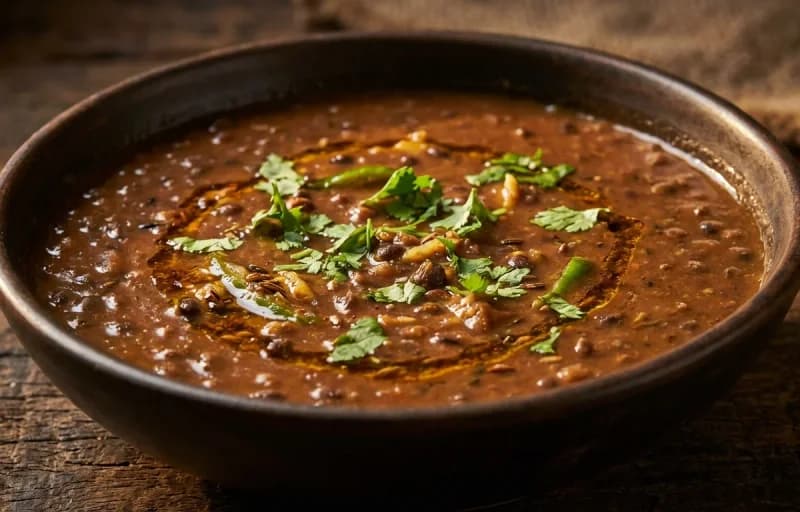
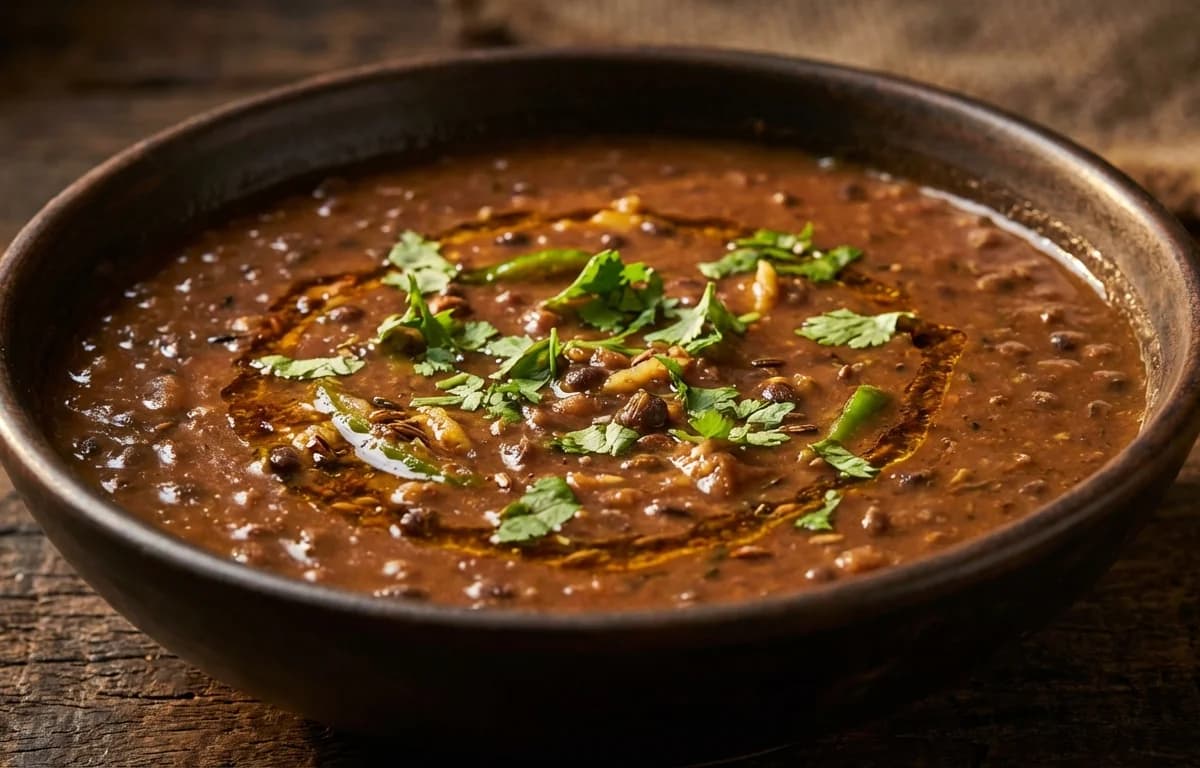
A traditional Assamese delicacy, this dal features whole black gram lentils slow-cooked to a creamy consistency. Its unique earthy flavor, enhanced by ginger and mustard oil, makes it a comforting and soulful dish.
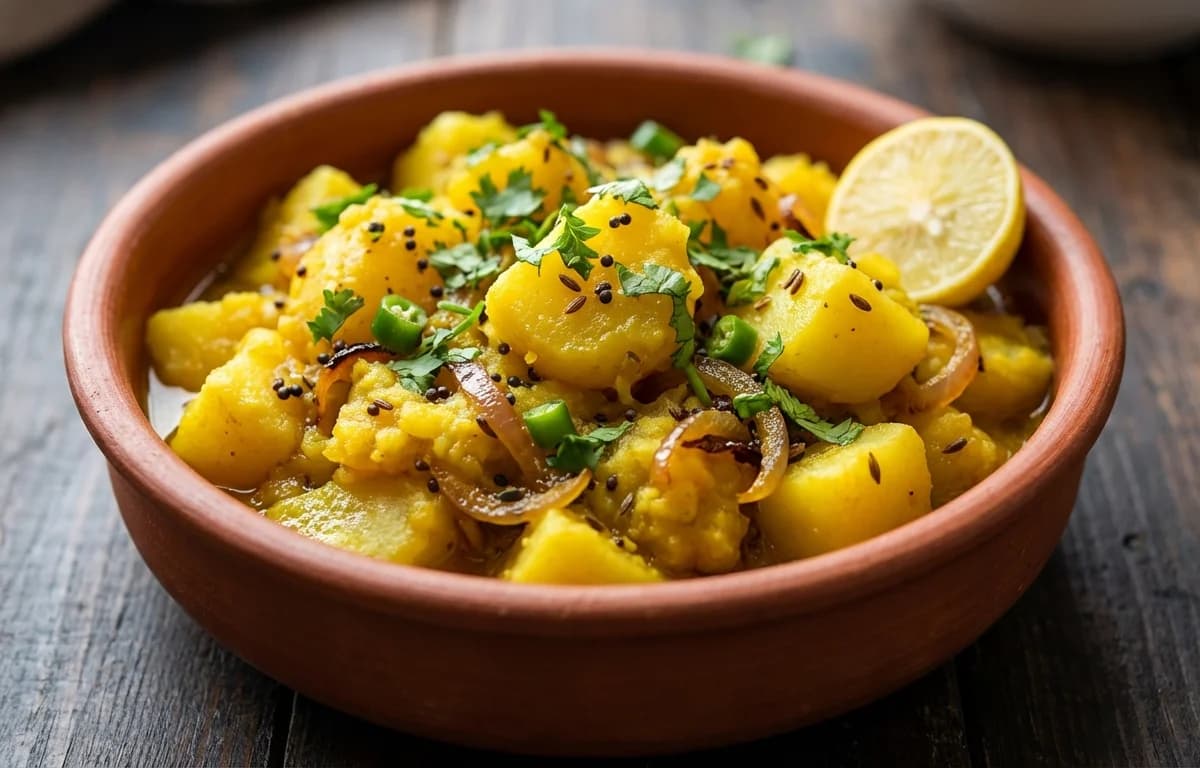
A simple and comforting Maharashtrian potato stir-fry, lightly spiced with turmeric, green chilies, and a classic tempering. This quick dry curry is the perfect companion for hot puris or chapatis.
About Bengali Luchi, Mati Mahor Dal and Aloo Bhaji
Fluffy Luchi with protein-packed Mati Mahor Dali and perfectly spiced Aloo Bhaji – a truly delicious combo!
This assamese dish is perfect for lunch. With 856.37 calories and 23.48g of protein per serving, it's a nutritious choice for your meal plan.
fat
Gradually add warm water, a little at a time, and begin to knead. Continue kneading for 8-10 minutes until you have a smooth, pliable, and semi-soft dough. It should be firm but not hard, and not sticky.
2
Rest the Dough (30 minutes)
Cover the dough with a damp kitchen towel or a lid.
Let it rest at room temperature for at least 30 minutes. This allows the gluten to relax, which makes the luchis easier to roll and helps them puff up perfectly during frying.
3
Divide and Roll the Luchis (10 minutes)
After resting, knead the dough again for one minute to smoothen it out.
Divide the dough into 16 equal-sized small balls. Roll them between your palms to make them smooth and crack-free.
Apply a drop of oil to your rolling surface and rolling pin. Take one dough ball and roll it into a thin, even circle about 3-4 inches in diameter. Avoid using dry flour for dusting as it will burn in the oil.
4
Fry the Luchis (15 minutes)
Heat the oil in a deep kadai or pan over medium-high heat. To check if the oil is ready, drop a tiny piece of dough into it. If it sizzles and rises to the surface immediately, the oil is at the perfect temperature.
Carefully slide one rolled luchi into the hot oil. It will sink and then float up.
As it floats, gently press the center with the back of a slotted spoon. This encourages it to puff up completely like a balloon.
Once puffed, flip it over and cook for another 15-20 seconds. Luchis are traditionally pale white or a very light cream color, not golden brown.
Quickly remove the luchi from the oil and place it on a wire rack or a plate lined with paper towels to drain excess oil.
5
Serve Immediately
Repeat the frying process for all the remaining luchis.
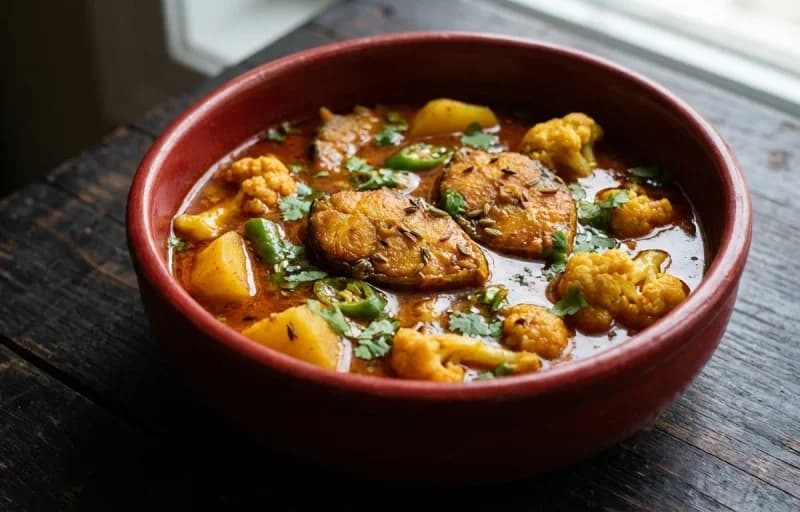
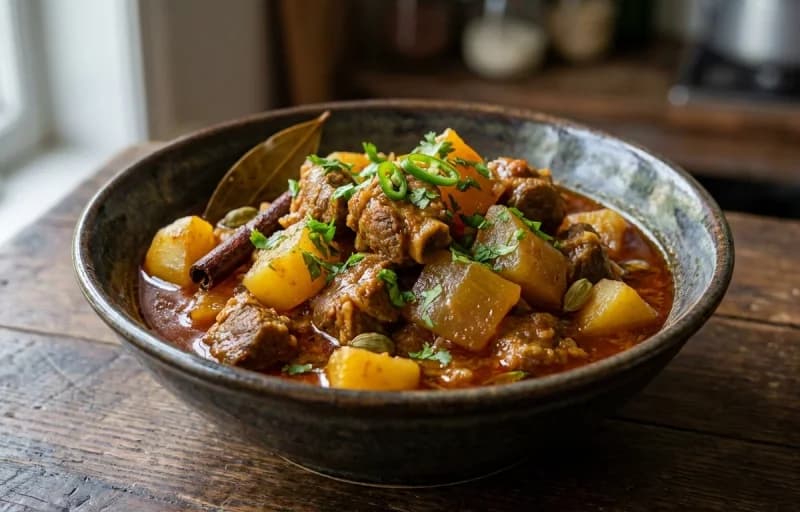
Luchis are best enjoyed hot and fresh, right out of the kadai. Serve immediately with your favorite curry, such as Aloo Dum, Cholar Dal, or Kosha Mangsho.
4
Serving size: 1 serving
252cal
13gprotein
34gcarbs
8gfat
Ingredients
1 cup Whole Black Gram (Also known as Mati Mah or Sabut Urad Dal)
4 cup Water (For pressure cooking, plus more for adjusting consistency)
2 tbsp Mustard Oil (Essential for the authentic Assamese flavor)
1 tsp Panch Phoron (A five-spice blend of cumin, mustard, fenugreek, nigella, and fennel seeds)
1 inch Ginger (Finely chopped or grated)
5 pcs Garlic Cloves (Finely chopped)
2 pcs Green Chili (Slit lengthwise)
1 pcs Onion (Medium-sized, finely chopped)
0.5 tsp Turmeric Powder
1 tsp Salt (Adjust to taste)
2 tbsp Coriander Leaves (Freshly chopped, for garnish)
Instructions
1
Soak the Lentils
Rinse the whole black gram (mati mah) thoroughly under cold running water until the water runs clear.
Place the lentils in a large bowl and cover with 3-4 cups of water. Soak for at least 6-8 hours, or preferably overnight.
After soaking, drain the water completely and give the lentils one final rinse.
2
Pressure Cook the Dal
Transfer the soaked and drained lentils to a pressure cooker.
Add 4 cups of fresh water, turmeric powder, and 1/2 teaspoon of salt.
Secure the lid and cook on medium-high heat for 6-7 whistles, or for about 25-30 minutes.
Turn off the heat and allow the pressure to release naturally. This is crucial for tender lentils.
Once the pressure has subsided, open the cooker. The lentils should be soft and cooked through. Gently mash them with the back of a ladle to achieve a creamy consistency, leaving some whole for texture.
500 g Potatoes (About 4 medium. Use waxy potatoes like Yukon Gold or red.)
1 tsp Salt (For boiling the potatoes.)
2 tbsp Vegetable Oil (Or any neutral oil like sunflower or canola.)
1 tsp Mustard Seeds (Also known as rai.)
1 tsp Cumin Seeds (Also known as jeera.)
0.25 tsp Asafoetida (Also known as hing. Use gluten-free if needed.)
12 leaves Curry Leaves (Fresh curry leaves are recommended.)
1 large Onion (Finely chopped, about 150g.)
3 pcs Green Chilies (Slit lengthwise. Adjust quantity based on desired heat.)
0.5 tsp Turmeric Powder (Also known as haldi.)
0.5 tsp Sugar (Optional, but recommended for authentic Maharashtrian flavor.)
1 tbsp Lemon Juice (Adds a bright, tangy finish.)
2 tbsp Coriander Leaves (Freshly chopped, for garnish.)
Instructions
1
Boil and Prepare Potatoes
Place the whole, unpeeled potatoes in a pot with enough water to cover them by an inch. Add 1 tsp of salt for boiling.
Bring to a boil and cook for 15-20 minutes, or until a knife can be inserted easily but the potatoes remain firm. Do not overcook.
Drain the potatoes and allow them to cool completely. This step is crucial to prevent them from becoming mushy.
Once cool, peel the skin and gently crumble the potatoes into bite-sized, uneven chunks with your hands. This rustic texture is key to the dish. Set aside.
2
Prepare Tempering and Sauté Aromatics
Heat oil in a wide pan (kadai) over medium heat. Once the oil is hot, add the mustard seeds and wait for them to splutter, which takes about 30-45 seconds.
Immediately add the cumin seeds, asafoetida, and fresh curry leaves. Sauté for 30 seconds until fragrant, being careful as the leaves will splutter.
Add the finely chopped onion and slit green chilies. Sauté for 4-5 minutes, stirring occasionally, until the onions are soft and translucent.
Stir in the turmeric powder and cook for another 30 seconds to remove its raw aroma.
In a separate small pan (tadka pan), heat the mustard oil over medium heat until it just begins to smoke. This reduces its pungency.
Reduce the heat to low, add the panch phoron, and let the seeds crackle and become fragrant, about 30 seconds.
Add the chopped ginger, garlic, and slit green chilies. Sauté for about a minute until the raw smell disappears.
4
Combine and Simmer
Add the finely chopped onion to the tempering pan and sauté until it becomes soft and translucent, which should take about 4-5 minutes.
Carefully pour this entire tempering mixture into the pressure cooker with the cooked dal.
Add the remaining 1/2 teaspoon of salt (or to taste) and stir well to combine.
Bring the dal to a gentle simmer over low heat. Let it cook for another 8-10 minutes, allowing the flavors to meld beautifully. If the dal is too thick, add a splash of hot water to reach your desired consistency.
5
Garnish and Serve
Turn off the heat and stir in the freshly chopped coriander leaves.
Let the dal rest for 5 minutes before serving.
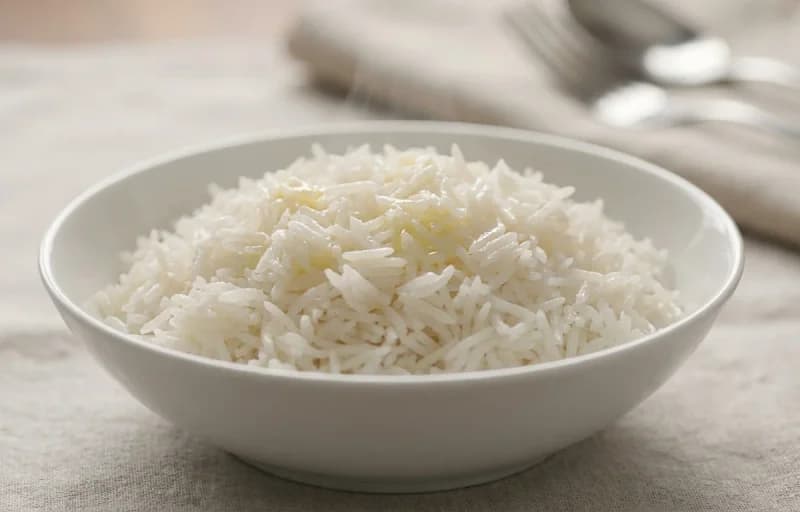
Serve hot with steamed rice (bhaat) for an authentic and comforting Assamese meal.
Combine and Finish the Bhaji
Add the crumbled boiled potatoes and 1 tsp of salt for seasoning to the pan.
Gently toss everything together, ensuring the potatoes are well-coated with the spice mixture without breaking them down further.
Cover the pan, reduce the heat to low, and let it cook for 5-7 minutes. This allows the potatoes to absorb all the flavors.
Turn off the heat. Stir in the optional sugar and fresh lemon juice for a balanced flavor profile.
Garnish generously with freshly chopped coriander leaves. Serve hot.