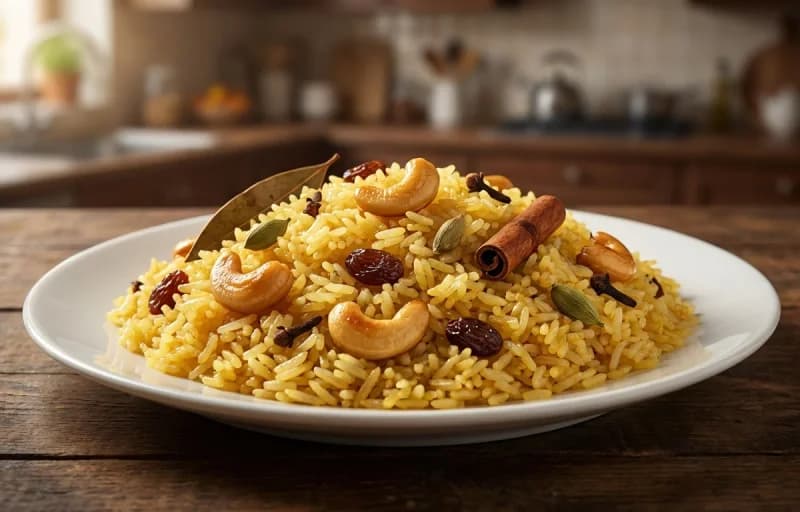
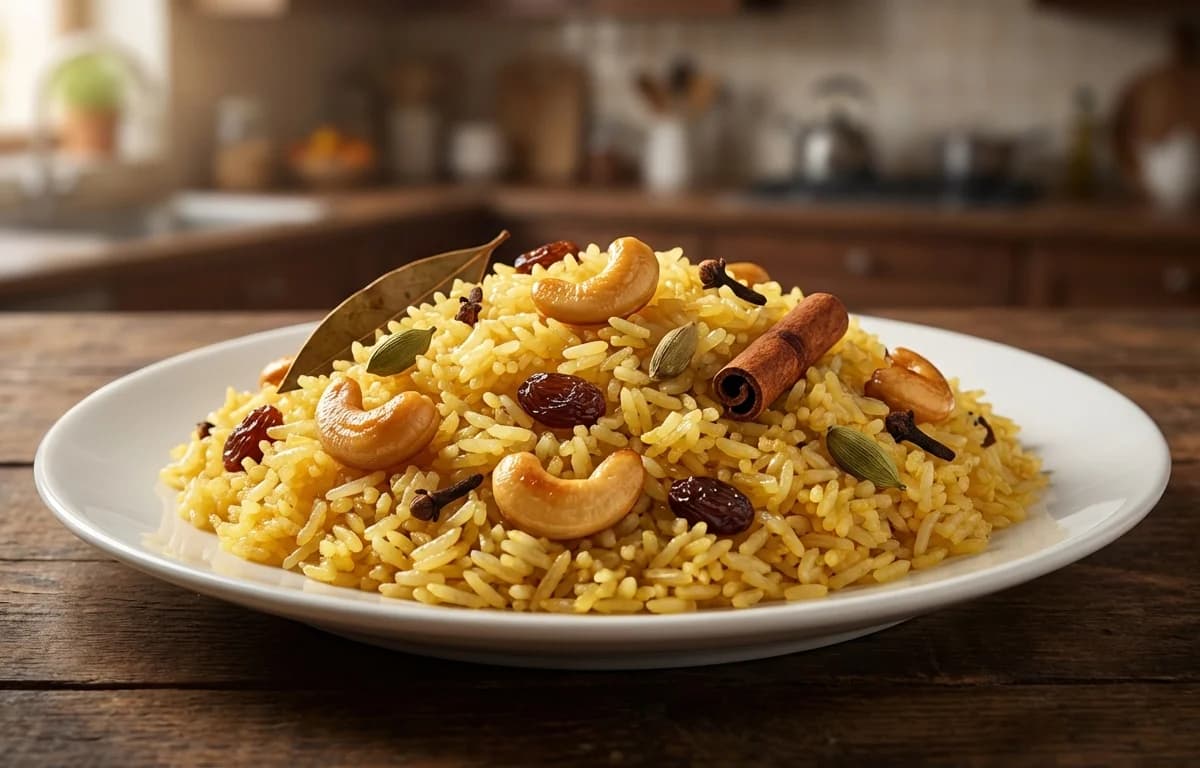
A fragrant and lightly sweet rice pilaf from Bengal, made with aromatic gobindobhog rice, ghee, cashews, and raisins. This festive dish, with its beautiful yellow hue, is a celebratory classic that pairs wonderfully with rich curries.
Prep15 min
Cook25 min
Soak30 min
Servings4
Serving size: 1 serving
501cal
7gprotein
80gcarbs
Ingredients
1.5 cup Gobindobhog Rice (Basmati rice can be used as a substitute)
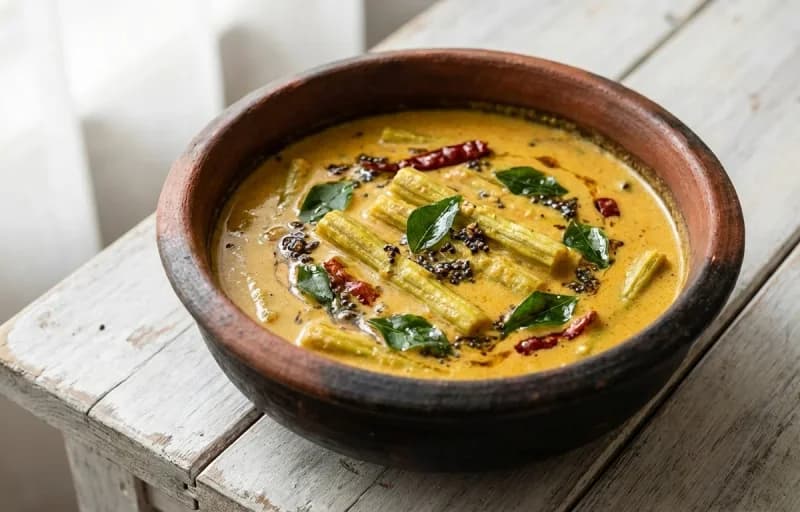
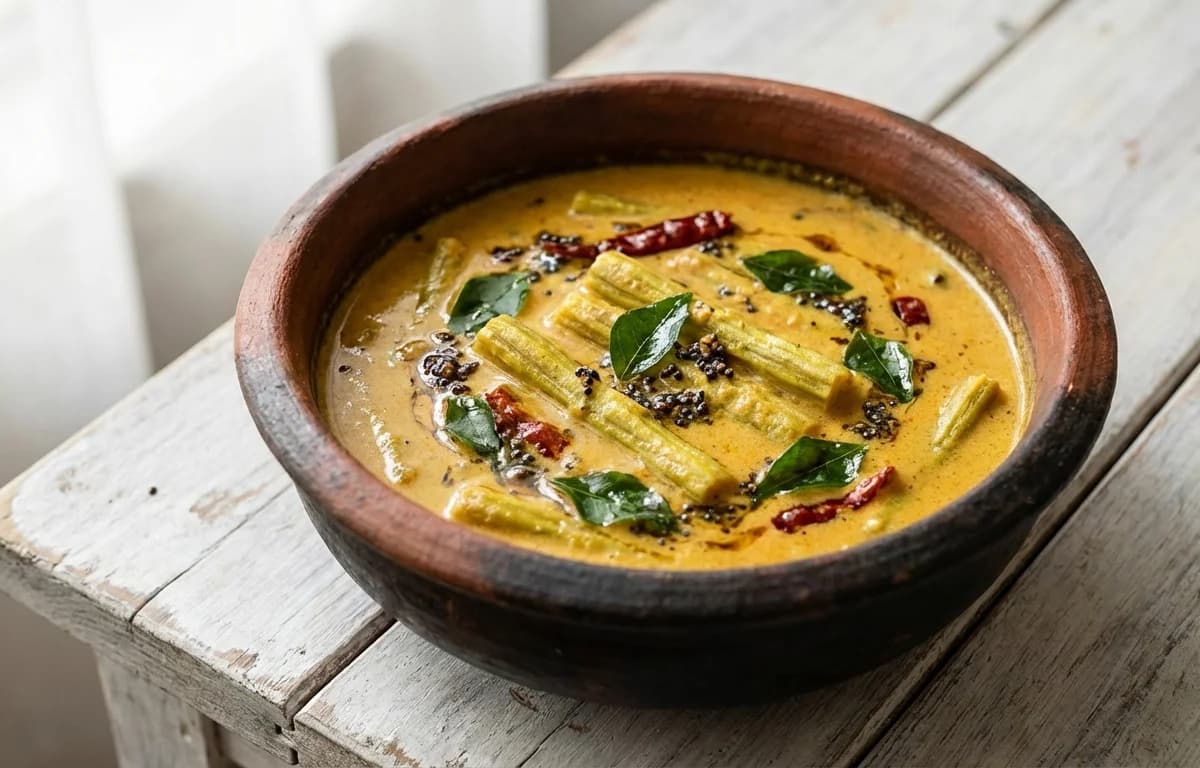
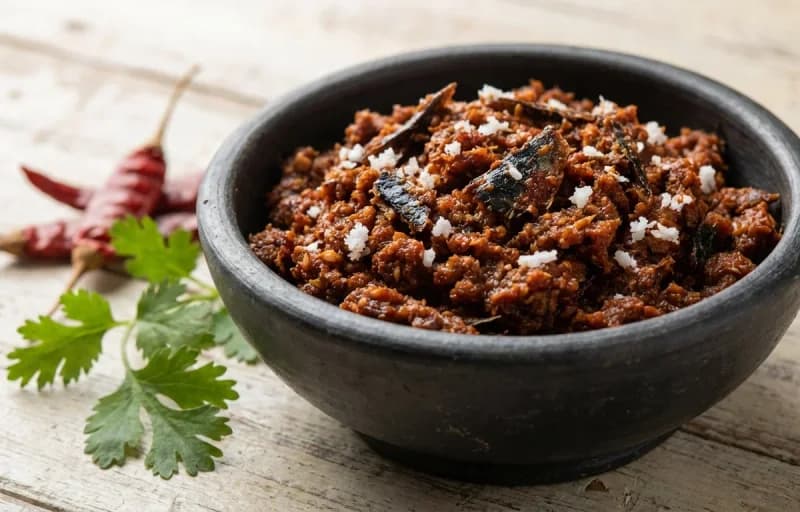
A unique Goan curry with a delightful balance of sweet, sour, and bitter flavors. Roasted urad dal, fenugreek seeds, and coconut create a thick, aromatic gravy, perfect with steamed rice.
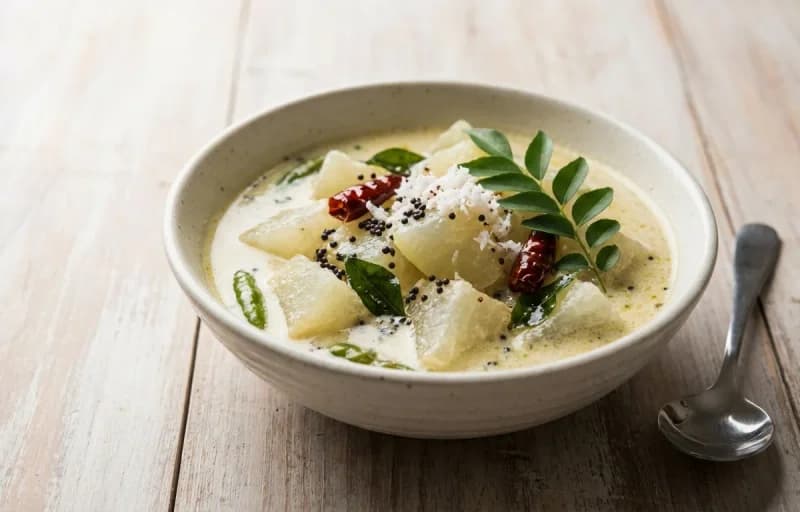
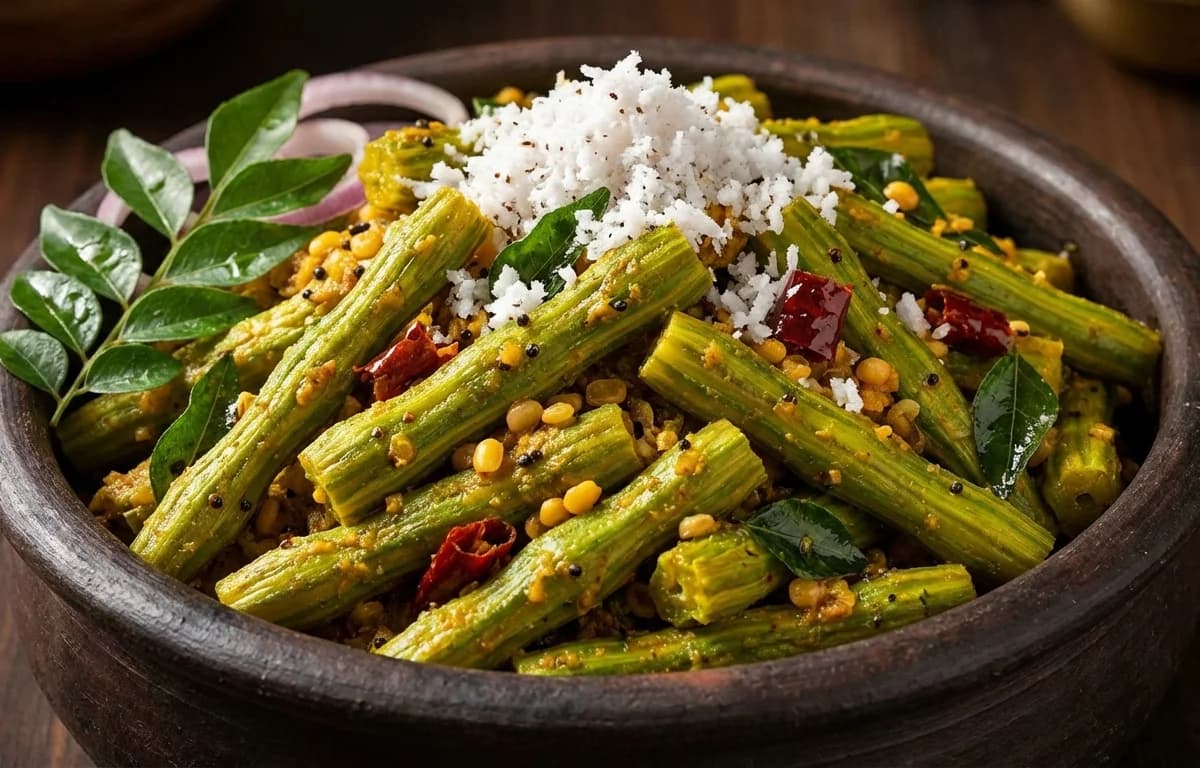
Tender drumsticks stir-fried with mustard seeds, curry leaves, and fresh coconut. This simple and nutritious South Indian poriyal is a classic side dish that pairs wonderfully with rice and sambar.
About Bengali Mishti Pulao, Goan Uddamethi Curry and Drumstick Stir-Fry
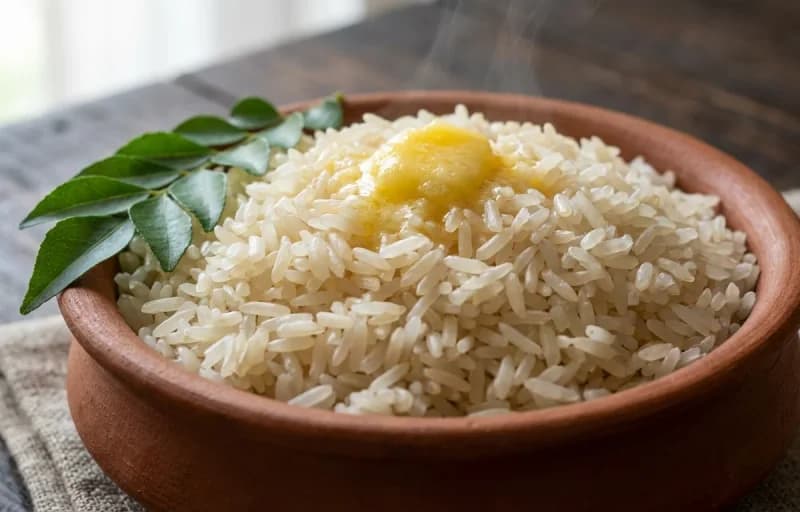
Aromatic Sheet with tangy, iron-boosting Goinchi Uddamethi and fiber-rich Mashinga Sanga Upkari - soul-satisfying!
This konkani dish is perfect for lunch. With 888.8000000000001 calories and 14.07g of protein per serving, it's a nutritious choice for your meal plan.
17gfat
4 pcs Green Cardamom (Lightly crushed to release aroma)
4 pcs Cloves
1 strand Mace (Also known as Javitri)
3 cup Hot Water (Using hot water helps keep rice grains separate)
Instructions
1
Prepare the Rice
Gently wash the gobindobhog rice under cold running water until the water runs clear. Be careful not to break the grains.
Soak the washed rice in fresh water for 20-30 minutes.
After soaking, drain the rice completely using a fine-mesh sieve. Let it sit in the sieve for 10 minutes to remove all excess water.
2
Fry Nuts and Raisins
Heat 2 tbsp of ghee in a heavy-bottomed pan or kadai over medium heat.
Add the cashew nuts and fry for 1-2 minutes until they turn a light golden brown.
Add the raisins and fry for another 30 seconds until they plump up. Immediately remove the cashews and raisins with a slotted spoon and set aside.
3
Sauté Spices and Rice
In the same pan, add the remaining 2 tbsp of ghee.
Once the ghee is hot, add the bay leaves, cinnamon stick, crushed green cardamoms, cloves, and mace. Sauté for 30-40 seconds until the spices release their aroma.
Add the drained rice to the pan. Gently sauté for 2-3 minutes, ensuring each grain is coated with ghee. Avoid vigorous stirring.
Stir in the ginger paste, turmeric powder, sugar, and salt. Mix gently for another minute.
4
Cook the Pulao
Pour in 3 cups of hot water and give it a gentle stir.
Bring the water to a vigorous boil over high heat.
Once boiling, reduce the heat to the absolute lowest setting. Cover the pan with a tight-fitting lid and let it cook undisturbed for 15 minutes.
Do not open the lid during this 'dum' cooking process, as the trapped steam is essential for cooking the rice perfectly.
5
Rest and Garnish
After 15 minutes, turn off the heat but keep the lid on. Let the pulao rest for at least 10 minutes. This step is crucial for the grains to firm up and become fluffy.
Open the lid, sprinkle the fried cashews and raisins over the top.
Gently fluff the rice with a fork to separate the grains. Serve hot with your favorite curry.
264cal
5gprotein
31gcarbs
15gfat
Ingredients
3 tbsp Urad Dal (Split and skinned black gram lentils)
1 tsp Fenugreek Seeds
1 tbsp Coriander Seeds
5 pcs Dried Red Chillies (Byadgi or Kashmiri recommended for color)
1 cup Fresh Coconut (grated)
0.5 tsp Turmeric Powder
1 tbsp Tamarind Paste (Or a lemon-sized ball of tamarind soaked in warm water)
0.5 cup Water (for grinding the masala)
8 pcs Ambade (Also known as hog plums. Substitute with 1/2 cup cubed raw mango if unavailable.)
2 tbsp Jaggery (grated or powdered, adjust to taste)
1.25 tsp Salt (adjust to taste)
2 tbsp Coconut Oil
1 tsp Mustard Seeds
0.25 tsp Hing (Asafoetida)
12 pcs Curry Leaves
Instructions
1
Roast the Masala Ingredients
Heat a heavy-bottomed pan over medium-low heat. Add the urad dal and dry roast, stirring continuously, for 4-5 minutes until it turns golden brown and emits a nutty aroma. Transfer to a plate.
In the same pan, add the fenugreek seeds and roast for about 1 minute until they darken slightly and become fragrant. Be careful not to burn them, as this will make the curry bitter. Add them to the plate with the dal.
Finally, add the coriander seeds and dried red chillies to the pan. Roast for 30-40 seconds until aromatic. Add these to the same plate and let all the roasted ingredients cool completely.
2
Grind the Masala Paste
Once cooled, transfer the roasted ingredients to a grinder jar.
Add the grated fresh coconut, turmeric powder, and tamarind paste.
Add 1/2 cup of water and grind to a very smooth, thick paste. Scrape down the sides as needed and add a splash more water only if necessary to facilitate grinding.
3
Cook the Curry
Transfer the ground masala paste to a medium pot or kadai.
Rinse the grinder jar with 2 cups of water and add this water to the pot. Whisk well to ensure there are no lumps.
250 g Drumsticks (Also known as moringa, cut into 2-inch pieces)
1 medium Onion (finely chopped)
2 whole Green Chili (slit lengthwise)
2 tbsp Coconut Oil
1 tsp Mustard Seeds
1 tsp Urad Dal (Split black gram)
10 leaves Curry Leaves
0.5 tsp Turmeric Powder
0.5 tsp Salt (for boiling drumsticks)
0.25 cup Grated Coconut (fresh or frozen)
2 cup Water (for boiling drumsticks)
Instructions
1
Prepare and Cook the Drumsticks
Wash the drumsticks thoroughly and trim both ends. Cut them into uniform 2-inch pieces.
In a medium pot, bring 2 cups of water to a rolling boil. Add the drumstick pieces, turmeric powder, and 1/2 tsp of salt.
Cook uncovered for 8-10 minutes over medium heat until the drumsticks are tender but still hold their shape. You can check by piercing one with a fork; it should go in easily.
Carefully drain all the water and set the cooked drumsticks aside. Avoid overcooking to prevent them from becoming mushy.
2
Prepare the Tempering (Tadka)
Heat coconut oil in a wide pan or kadai over medium heat.
Once the oil is hot, add the mustard seeds and allow them to splutter completely, which takes about 30 seconds.
Immediately add the urad dal and sauté for about 1 minute until it turns a light golden brown. Be careful not to burn it.
Add the slit green chilies and curry leaves. Sauté for another 30 seconds until the curry leaves are crisp and fragrant.
Add the grated jaggery and salt. If using ambade, lightly crush them with a pestle before adding them to the curry to help release their flavor.
Bring the curry to a boil over medium heat, then reduce the heat to a simmer. Cook, partially covered, for 10-12 minutes, stirring occasionally. The curry is done when the raw smell of the masala is gone and the gravy has thickened.
4
Prepare the Tempering (Tadka)
While the curry simmers, heat the coconut oil in a small tempering pan (tadka pan) over medium-high heat.
Once the oil is hot, add the mustard seeds. Wait for them to splutter completely, which should take about 30 seconds.
Add the hing and curry leaves (stand back as they will splutter). Sauté for another 10-15 seconds until the leaves are crisp.
5
Finish and Serve
Pour the hot tempering over the simmering curry and stir gently to combine.
Let the curry simmer for one more minute to allow the flavors to meld.
Turn off the heat and let the curry rest for at least 10 minutes before serving. This enhances the flavor. Serve hot with steamed Goan rice.
Add the finely chopped onion to the pan and sauté for 3-4 minutes until it becomes soft and translucent.
Gently add the cooked drumstick pieces to the pan, along with the remaining 1/4 tsp of salt.
Carefully toss everything together to coat the drumsticks with the tempering. Stir-fry for 2-3 minutes to let the flavors meld.
4
Finish with Coconut and Serve
Sprinkle the grated coconut over the drumsticks and mix gently to combine.
Cook for one final minute, allowing the coconut to warm through and release its aroma.
Turn off the heat. Serve the Drumstick Stir-Fry hot as a side dish with rice, sambar, or rasam.